
If An Asteroid Didn’t Kill All The Dinosaurs, What Did?
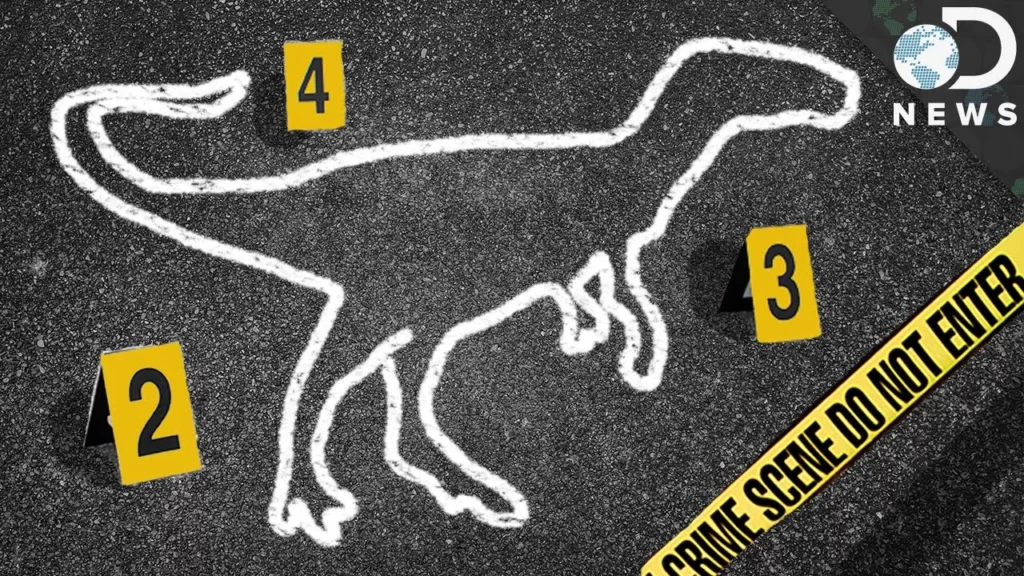
The lesson explores the complex factors contributing to the extinction of dinosaurs, emphasizing that while a giant asteroid impact around 66 million years ago was significant, it was not the sole cause. Dinosaurs were already facing challenges such as environmental changes, competition from emerging mammals, and a declining population, which made them vulnerable to the catastrophic effects of the asteroid. Ultimately, the extinction was the result of a combination of long-term struggles and the final blow from the asteroid impact.
The Race To See The Black Hole At The Center Of Our Galaxy
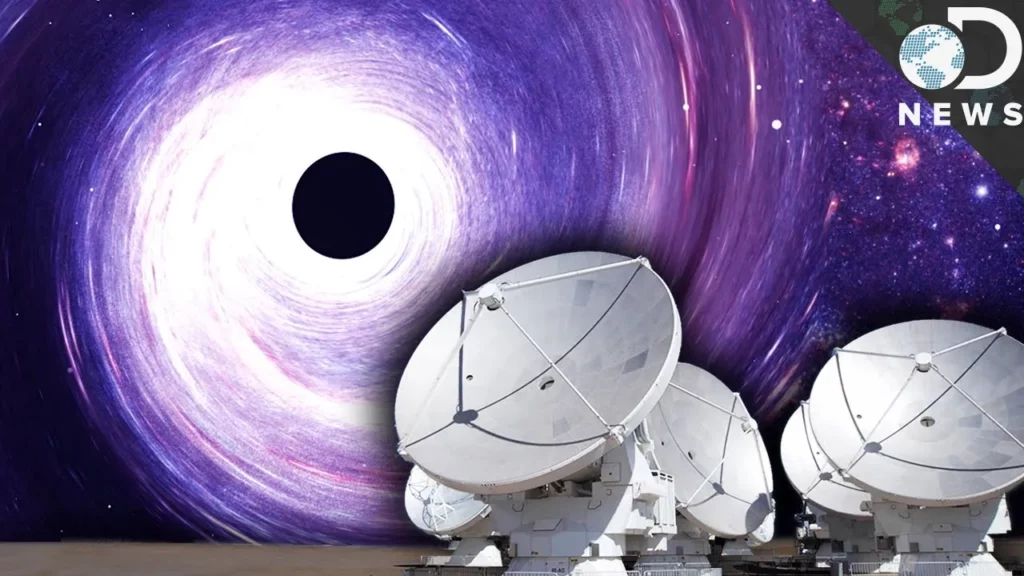
The lesson explores the quest to observe Sagittarius A*, the supermassive black hole at the center of the Milky Way, highlighting the challenges and innovative techniques used by astronomers. Utilizing the Very Large Telescope array and interferometry, scientists aim to achieve high-resolution observations of this enigmatic region, while also collaborating with the Atacama Large Millimeter Array and the Event Horizon Telescope to deepen our understanding of black holes and test theories of general relativity. This collaborative effort underscores the importance of pooling resources and knowledge in the pursuit of groundbreaking astronomical discoveries.
Should We Make Designer Babies?
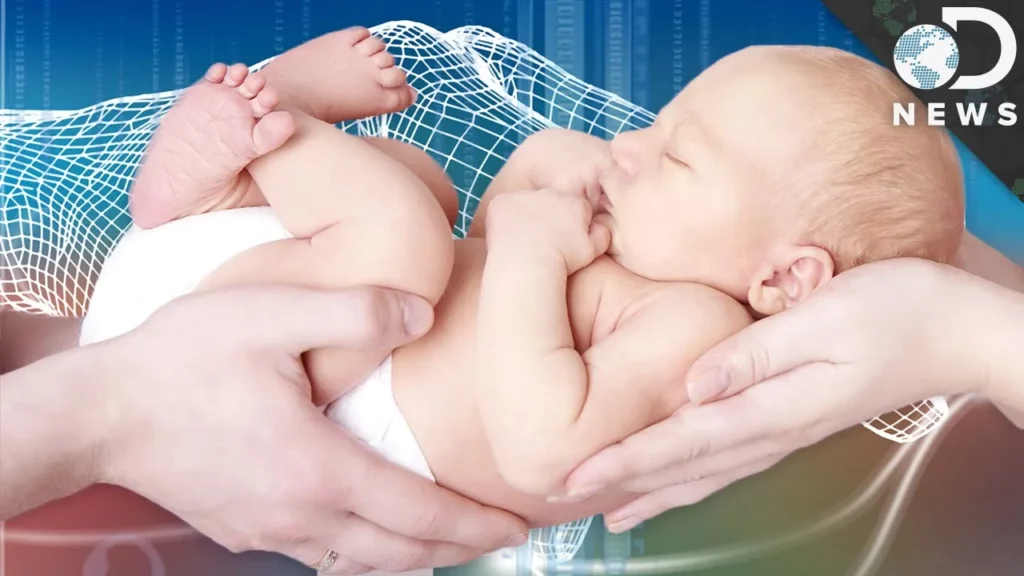
The lesson on “Designing the Future: The Science of Genome Editing” explores the groundbreaking potential of genome editing technologies, particularly CRISPR, which allows for precise modifications to DNA. While these advancements could enable the treatment of diseases and even the possibility of “designer babies,” they also raise significant ethical concerns regarding unintended consequences and the implications of germline editing. The lesson emphasizes the need for caution and ongoing debate as society navigates the complexities of genetic modification.
How To Start Your Own Compost
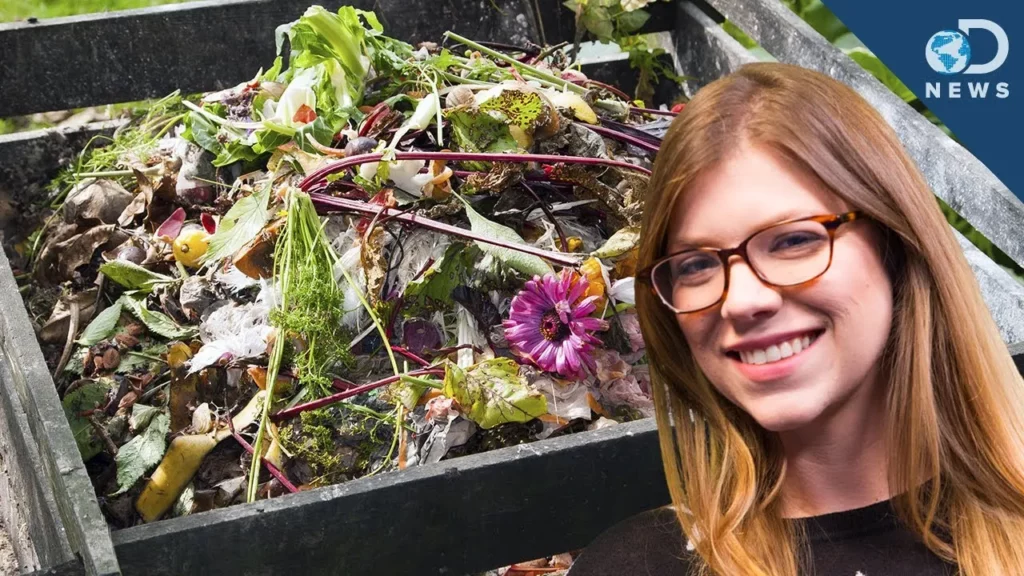
The lesson on composting teaches that this eco-friendly practice transforms organic waste, such as food scraps and plant materials, into nutrient-rich humus, which can be used as a natural fertilizer for gardens. To start composting, one needs a balance of “browns” (dry materials) and “greens” (wet materials), along with proper moisture and aeration. By maintaining the compost pile and monitoring its readiness, individuals can significantly reduce landfill waste while enriching their soil and supporting plant growth.
Here’s Why We Can’t Live Stream From Mars
The lesson explores how stunning images from distant planets are captured and transmitted back to Earth through space communication. It explains the use of radio waves to encode and send data from spacecraft, the role of digital cameras in capturing images, and the limitations of current technology in transmitting video. Additionally, it highlights advancements in optical communications that may enable live video from space in the future, while also touching on the complexities of color representation in space imagery.
Why Don’t We Have Functional Biofuel Yet?
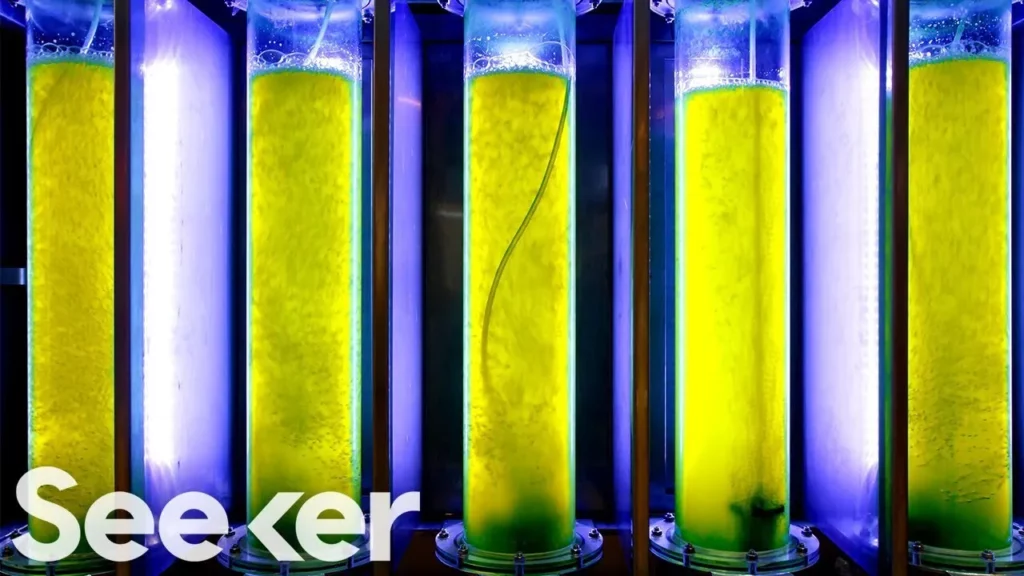
The lesson discusses the evolution and potential of biofuels as an alternative energy source, highlighting their historical roots in fossil fuels and the challenges they face in production and adoption. Despite significant investments and advancements, issues such as resource competition, high emissions, and production costs hinder widespread use. However, ongoing innovations, including second-generation biofuels and alternative sources like processed food by-products, suggest that biofuels may still play a vital role in the future of energy, particularly for larger vehicles.
How NASA Built the Fastest Spacecraft Ever
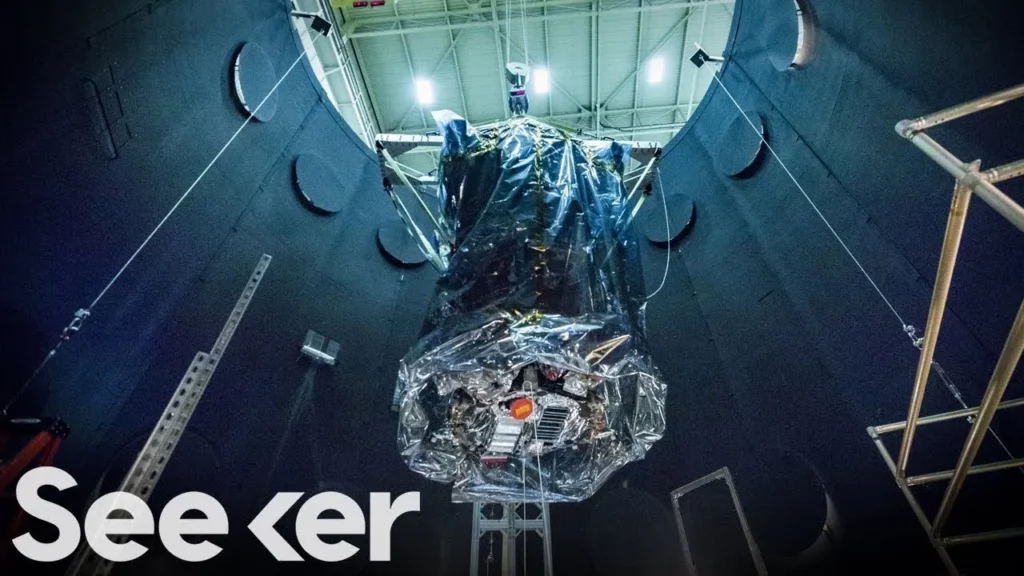
The Parker Solar Probe is a groundbreaking NASA mission designed to study the Sun by traveling closer than any previous spacecraft, reaching speeds of 700,000 km/h. It aims to answer critical questions about solar phenomena, such as the heating of the corona and the acceleration of solar wind, while overcoming significant engineering challenges, including the development of a revolutionary heat shield and autonomous operation capabilities. Ultimately, the mission not only enhances our understanding of the Sun but also contributes to the broader field of astrophysics and our ability to predict solar impacts on Earth.
NASA Engineered a Box to Create the Fifth State of Matter in Space

The lesson explores the groundbreaking experiments conducted by atomic physicists aboard the International Space Station (ISS) aimed at creating a Bose-Einstein condensate, an exotic state of matter that behaves like a single super atom at ultra-cold temperatures. Utilizing advanced cooling techniques and the unique microgravity environment of space, researchers are not only pushing the limits of quantum mechanics but also preparing to conduct experiments that could challenge established theories, such as Einstein’s equivalence principle, and deepen our understanding of the universe’s fundamental laws. Ultimately, this research represents a significant step in uncovering new physics and the complexities of reality.
Why Being A Failure Is A Good Thing
The lesson emphasizes the importance of embracing failure as a valuable learning opportunity rather than viewing it as a negative experience. Through various studies and examples, it illustrates how acknowledging that mistakes are acceptable can enhance problem-solving abilities and memory, ultimately leading to greater success. The key takeaway is to encourage a mindset that values both success and failure, fostering resilience and continuous learning in the face of challenges.
How Did So Much Oil Get Trapped Under The Ocean?
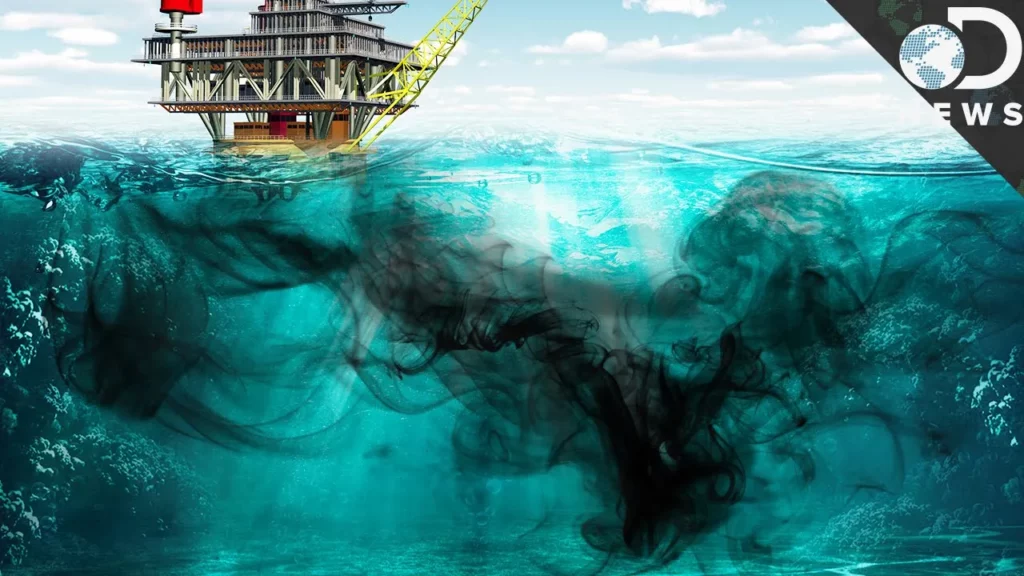
This lesson explores the formation of oil as a fossil fuel, detailing how ancient organic material accumulated in various environments, particularly oceans, millions of years ago. It explains the role of plate tectonics in the movement of the Earth’s surface, which can lead to oil being found in unexpected locations, and describes the complex processes that transform organic matter into oil under heat and pressure. Additionally, the lesson highlights the challenges of extracting oil from beneath the ocean and emphasizes the dynamic nature of the Earth’s geology.