
There’s a Subterranean Biosphere Hiding in the Earth’s Crust and It’s MASSIVE
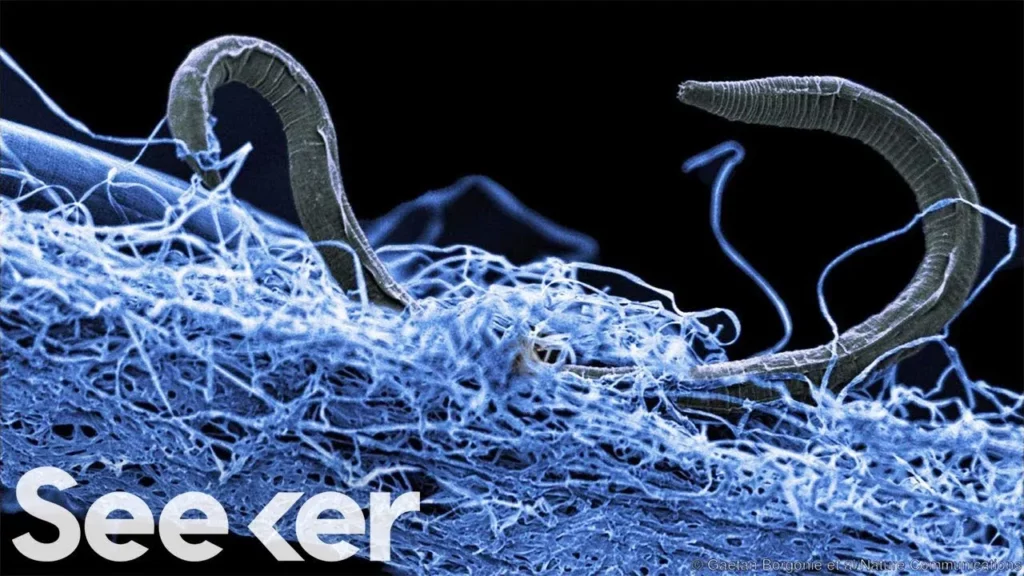
The lesson “The Mysterious World Beneath Our Feet” explores the deep biosphere, a vast and largely unexplored realm beneath the Earth’s surface, home to a diverse array of microorganisms, primarily bacteria and archaea. Scientists estimate that this hidden world contains nearly twice the volume of Earth’s oceans and is crucial for understanding the limits of life on our planet and the potential for life in extreme environments elsewhere in the universe. Ongoing research raises intriguing questions about the origins of life and the interactions between the deep biosphere and surface ecosystems, highlighting the importance of curiosity and exploration in science.
Memories Can Be Passed Down Through DNA
In this lesson, we explore the intriguing concept of how memories might be passed down through genetics, as inspired by the video game Assassin’s Creed. Recent research, particularly in the field of epigenetics, suggests that certain learned fears can be inherited, as demonstrated by experiments with mice that developed a fear of cherry blossoms after being conditioned. While we cannot relive our ancestors’ memories directly, the idea that some instinctive behaviors and fears may be encoded in our DNA opens up fascinating possibilities about our connection to the past.
The UK Is Racing to Build the World’s First Commercial Fusion Power Plant
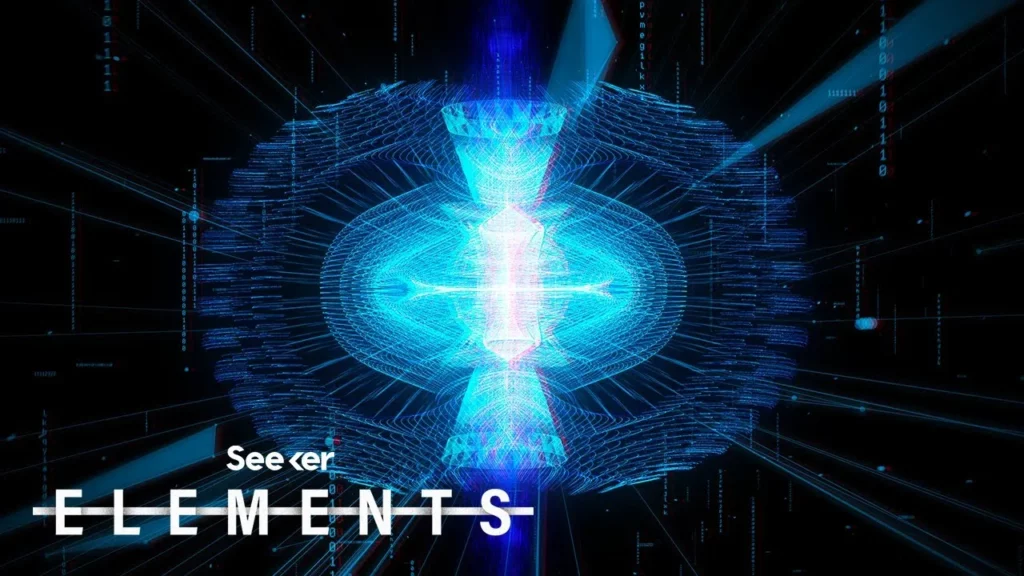
The lesson discusses the potential of nuclear fusion as a sustainable energy source, highlighting the UK’s recent investment in a prototype fusion power facility, the Spherical Tokamak for Energy Production (STEP), with a goal of operational readiness by 2040. It explains the process of nuclear fusion, the challenges of replicating stellar conditions on Earth, and the innovative approaches being taken to enhance energy yield while navigating uncertainties related to international collaborations like ITER. Overall, the lesson emphasizes the promise of fusion energy as a clean and virtually limitless resource for the future.
Why Does White Noise Make You Fall Asleep?

This lesson explores the concept of white noise and its benefits for improving sleep quality by masking disruptive background sounds. It explains how sound waves are perceived by our ears and introduces the idea of white noise as a constant sound that encompasses all audible frequencies, making it effective for creating a peaceful sleep environment. Additionally, the lesson touches on other types of noise, such as pink noise, and highlights the personal preferences people have regarding these sounds for sleep.
NASA’s 2024 Artemis Moon Landing Mission Explained
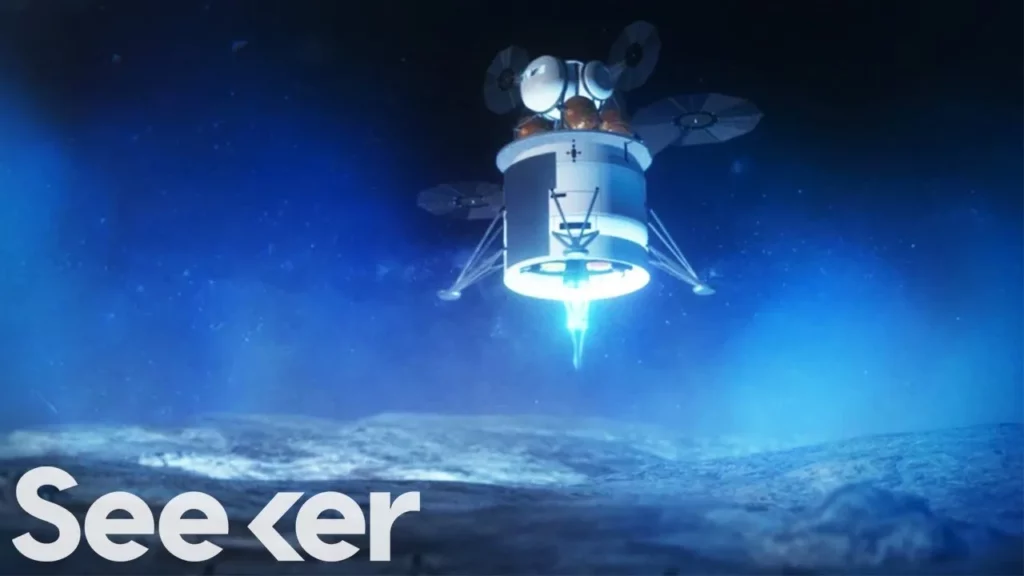
NASA is preparing to return to the Moon with the Artemis mission, aiming to land the first woman and man at the lunar south pole by 2024, marking over 50 years since the last Apollo mission. The mission involves significant investment, with costs projected between $20 to $30 billion, and includes the development of the Orion spacecraft and the Space Launch System (SLS) rocket. Additionally, the Gateway, a lunar orbiting outpost, will support astronauts in deep space, ultimately contributing to future missions, including the establishment of a lunar colony and a manned mission to Mars.
What Exactly is Lupus?
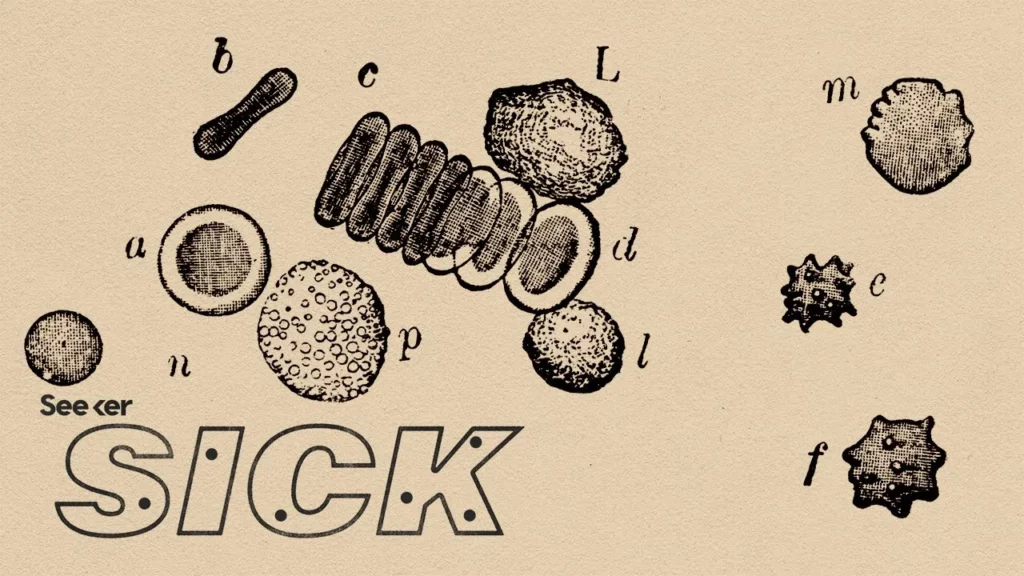
The lesson on lupus highlights the complexities of this autoimmune disease, where the immune system mistakenly attacks the body’s own tissues, leading to a range of symptoms, including a distinctive butterfly-shaped rash. It discusses the various types of lupus, the genetic and environmental factors that contribute to its onset, and the challenges in understanding its mechanisms, particularly regarding disparities in prevalence among different demographics. Despite advancements in management that have improved life expectancy for patients, many questions about the disease’s underlying causes and triggers remain unanswered.
The X3 Ion Thruster Is Here, This Is How It’ll Get Us to Mars
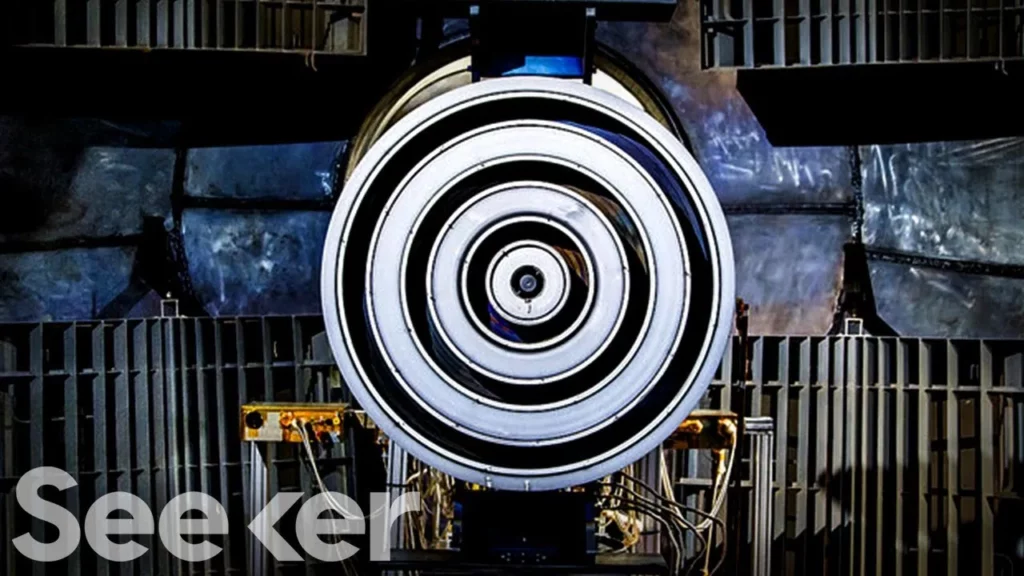
The lesson discusses the revolutionary potential of the X3 electric propulsion system, developed by NASA, which could significantly enhance space travel efficiency and speed, particularly for missions to Mars. Unlike traditional chemical rockets, the X3 utilizes Hall thrusters to generate thrust through high-temperature plasma, promising speeds over 100,000 mph and a more efficient use of propellant. As NASA plans for future space exploration, including a lunar space station, the X3 represents a crucial advancement in making long-distance human space travel more viable.
Graphene ‘Wonder Material’ Can Now Be Made Using TRASH
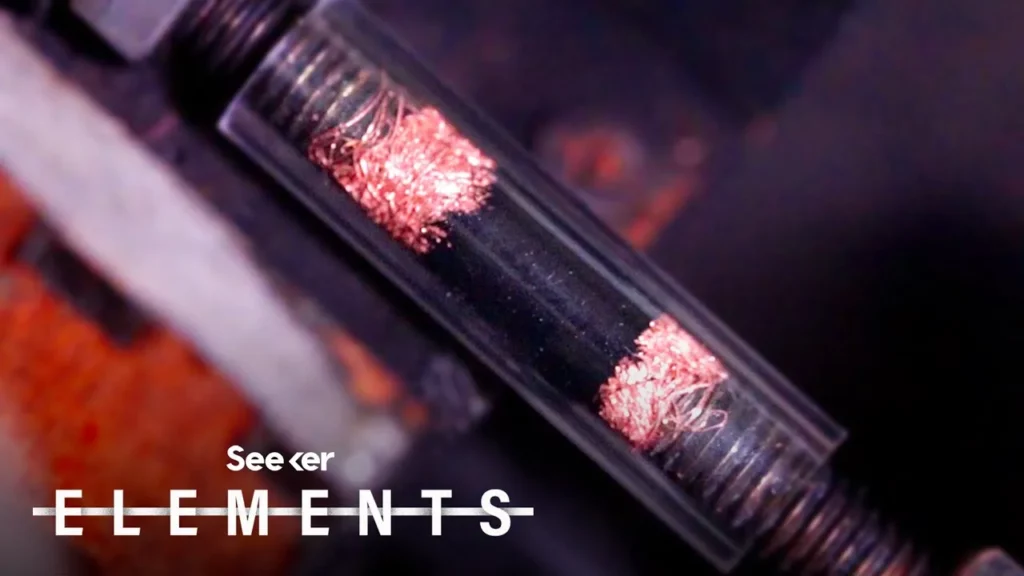
The lesson explores the remarkable properties of graphene, a single-atom-thick layer of carbon known for its strength and conductivity, and the challenges associated with its large-scale production. Researchers at Rice University have developed an innovative method called “flash graphene,” which allows for rapid and cost-effective production from carbon-containing materials, including waste. This breakthrough could pave the way for more widespread applications of graphene in various industries, enhancing materials and promoting sustainability.
President Obama Explains Scott Kelly’s Year In Space
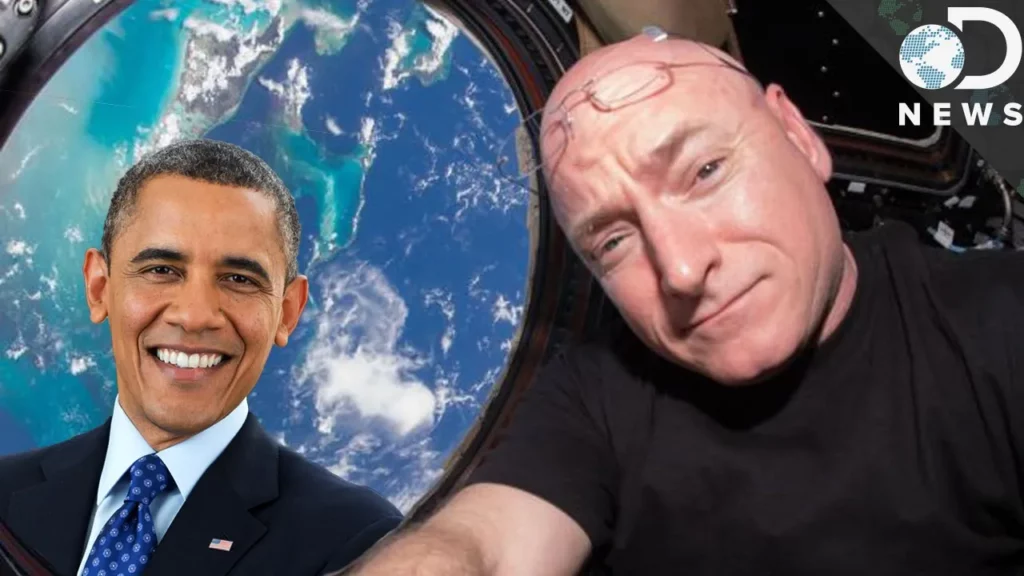
In today’s lesson, we explored the intriguing world of space science through the story of astronaut Scott Kelly, who spent 340 days in space, and his identical twin brother Mark, who remained on Earth. This unique situation allows scientists to study the effects of long-term space travel on the human body, providing valuable insights for future missions, including potential trips to Mars. Scott’s experiences and the data collected will help ensure the health and safety of astronauts on longer journeys, inspiring the next generation of space exploration.
What Has No Brain, 720 Sexes, And the Ability to Self-Heal?!
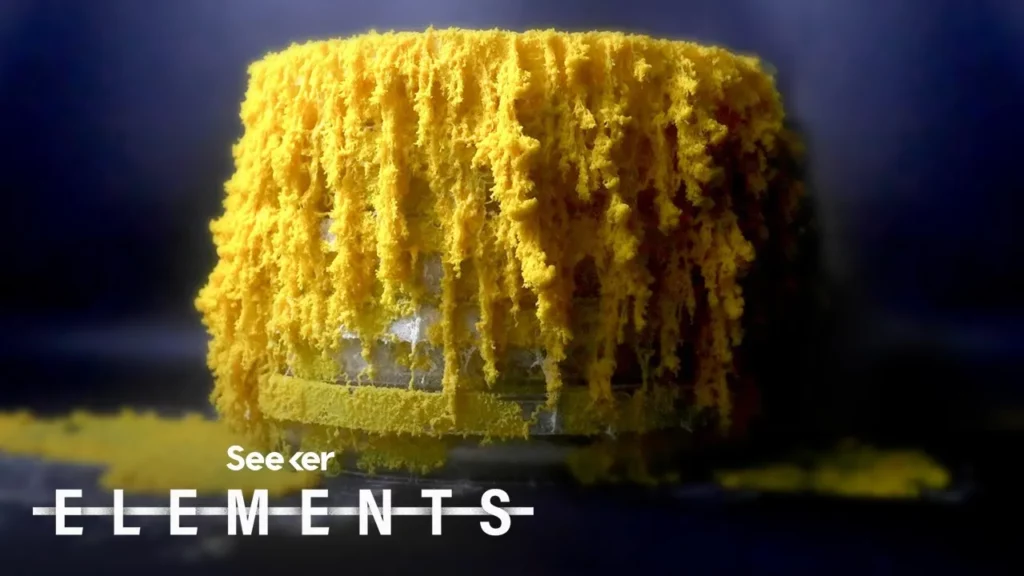
The lesson introduces slime molds, particularly the acellular type known as *Physarum polycephalum*, showcased at the Paris Zoo. Unlike typical organisms, slime molds lack traditional features like eyes or limbs but exhibit remarkable abilities such as movement, communication, and even a form of learning. With nearly 720 sexes and unique feeding and reproductive methods, slime molds challenge conventional classifications and offer insights into cellular behavior and resource management.