
Can Giving Birth Permanently Change Your Brain?
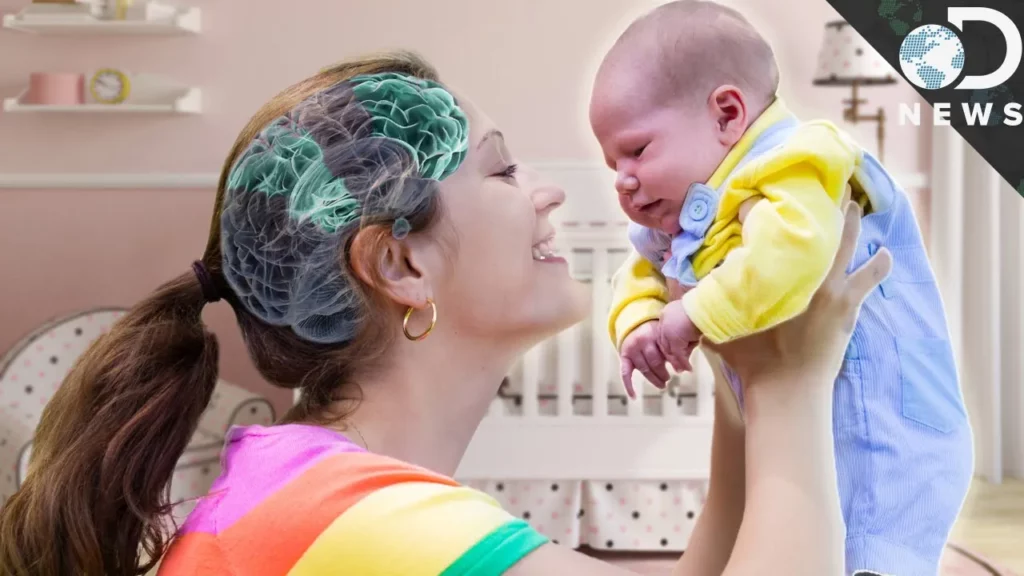
The lesson explores the neurological changes that occur in a mother’s brain during and after pregnancy, challenging the simplistic notion of “mom brain” as mere forgetfulness. Research indicates that motherhood leads to significant structural changes in the brain, particularly in areas related to emotional regulation and bonding, such as the amygdala and prefrontal cortex. These transformations enhance maternal instincts and emotional resilience, fostering a deep and enduring bond between mothers and their children.
How Do Farmers Make Seedless Fruit?
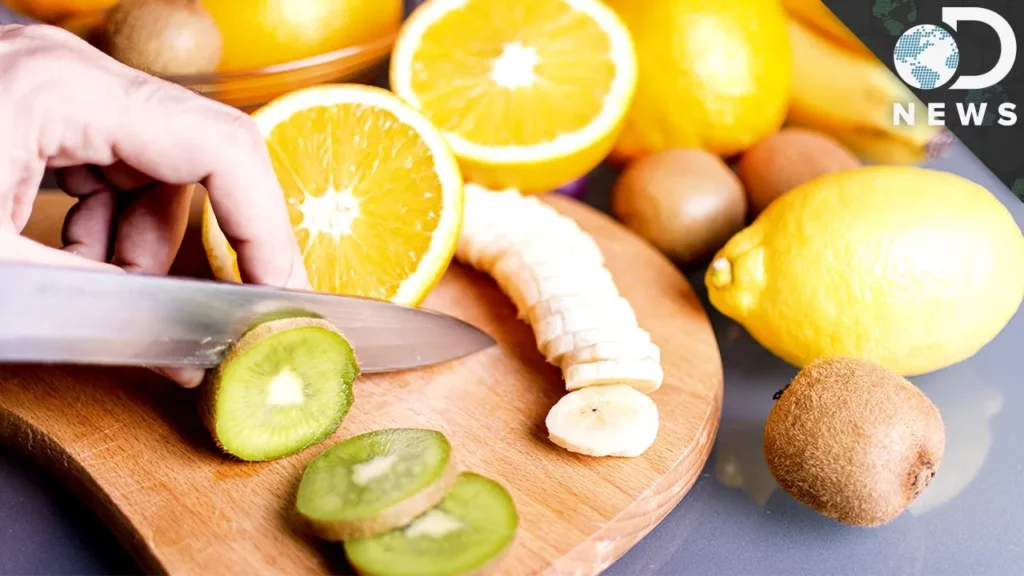
The lesson debunks the myth that swallowing a watermelon seed can lead to a watermelon growing in one’s stomach and explores the concept of seedless fruits, such as watermelons and grapes. It explains that seedless fruits are produced through a natural process called parthenocarpy and are propagated using grafting techniques, while also highlighting the importance of biodiversity in agriculture to prevent vulnerability to diseases. Ultimately, the lesson encourages consumers to appreciate the variety and science behind the fruits they enjoy.
How These Bacteria Become Electrical Cables That Could Power Our World
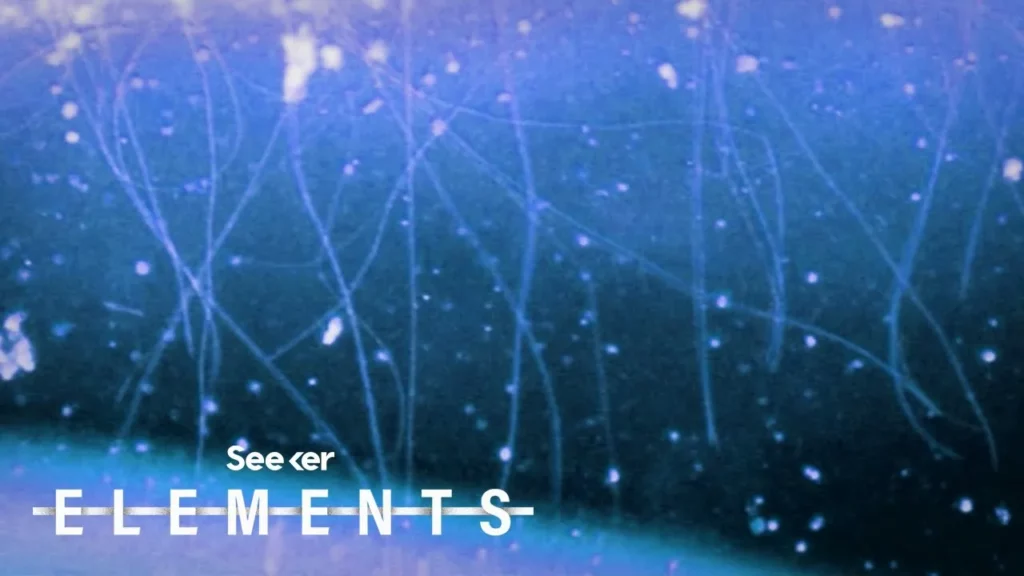
The lesson explores the fascinating world of electron-transporting bacteria, which can utilize electrons directly for survival, functioning similarly to living electric cables. Notably, “cable bacteria” are multicellular microorganisms that thrive in low-oxygen environments and can generate electric currents, opening up potential applications in environmental cleanup and insights into extraterrestrial life. Researchers are investigating these organisms for their unique properties and implications for biogeochemistry and sustainable energy solutions.
What Lies Beyond the Edge of Our Solar System?
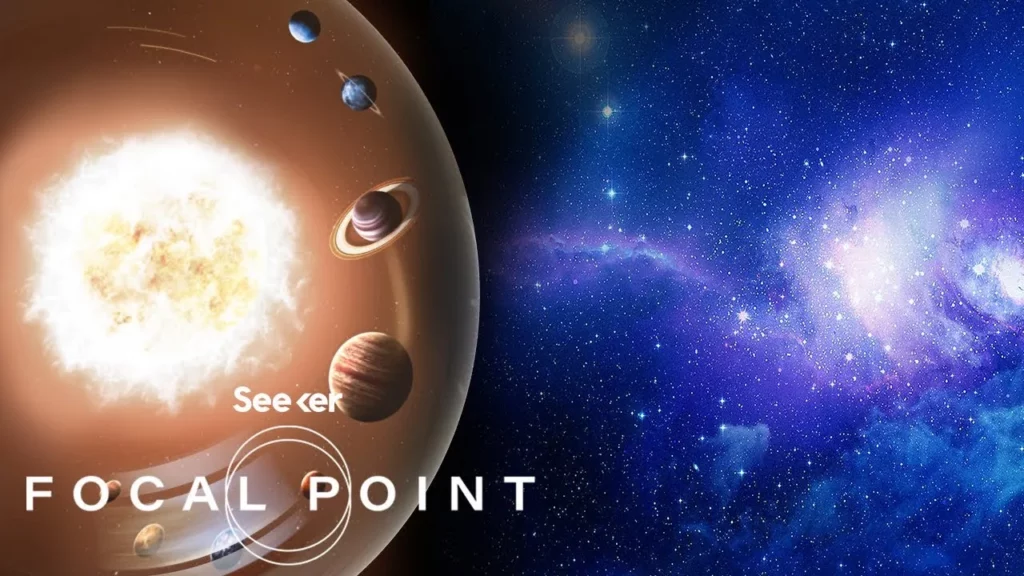
The lesson discusses the rare celestial event known as “The Grand Alignment,” which occurs every 176 years and allows spacecraft to utilize gravitational slingshots between the outer planets. It highlights the Voyager mission, launched in 1977, which took advantage of this alignment to explore the outer planets and ultimately enter interstellar space, providing groundbreaking data and images that have significantly advanced our understanding of the solar system and our place in the universe. The legacy of the Voyager probes exemplifies human ingenuity and the quest for knowledge, as they continue to operate autonomously in the vastness of space.
The International Hunt for the Ghost Particle

The lesson explores the quest for neutrinos, elusive particles that could unlock fundamental mysteries of the universe, including the imbalance of matter and antimatter following the Big Bang. Scientists are conducting groundbreaking experiments, such as the Deep Underground Neutrino Experiment (DUNE), to detect these particles and study their properties, which may lead to new insights in particle physics and our understanding of existence. As neutrinos pass through us unnoticed, their study represents a significant challenge and opportunity in modern science.
Introverts and Extroverts Have Different Brains

This lesson explores the fundamental differences between extroverts and introverts, highlighting how their brains are wired differently and how these differences influence their social preferences and energy levels. Extroverts thrive in social settings and gain energy from interactions, while introverts recharge through solitude and prefer deeper conversations. Understanding these personality types can help individuals recognize their own tendencies and find balance in their social lives.
Why Some Men Can’t Grow Beards
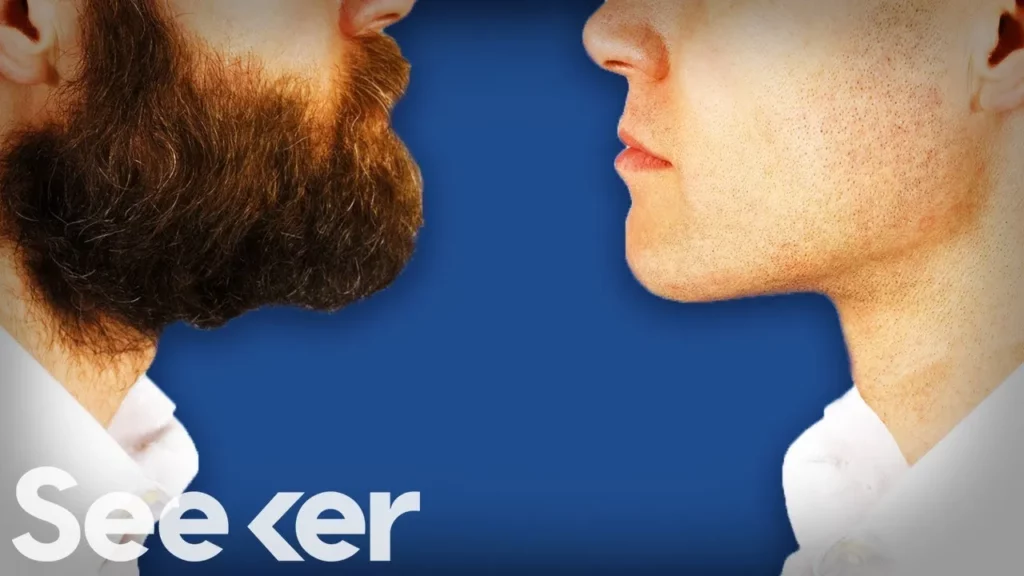
This lesson explores the science behind beard growth, highlighting the roles of hormones, particularly dihydrotestosterone (DHT), and genetics in determining an individual’s ability to grow facial hair. It emphasizes that while testosterone contributes to beard growth, the presence of androgen receptors, which are genetically determined, plays a crucial role. Additionally, the lesson addresses exceptions like alopecia areata and hirsutism, encouraging individuals to embrace their genetic traits and focus on overall fitness rather than worrying about their beard growth potential.
What Happens To Your Body When You Fast?

The lesson on fasting explores its historical, cultural, and scientific aspects, highlighting its significance in various religions and its potential health benefits. It discusses the differences between short-term and long-term fasting, emphasizing that while short-term fasting can enhance health and longevity, long-term fasting poses challenges and risks. Additionally, the lesson encourages sharing personal fasting experiences to foster community and learning.
Why Do Some People Have Lisps?
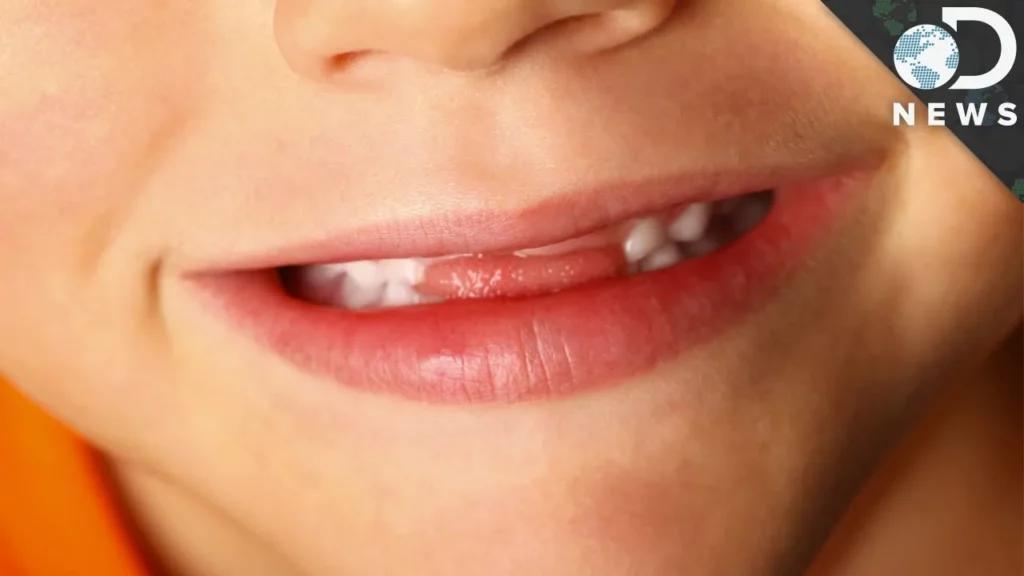
The lesson explores why the word “lisp” is particularly challenging for individuals who have a lisp, a speech disorder characterized by difficulty pronouncing specific sounds like “s” and “z.” It discusses the various types of lisps, their causes, and the potential for improvement through natural development or speech therapy. Additionally, it emphasizes that having a lisp does not reflect a person’s intelligence or character and highlights the importance of understanding speech disorders in a broader context.
What Ancient Wine Tasted Like

The lesson explores the rich history of wine, tracing its origins from ancient Neolithic times in the Near East to its development and popularity in France, influenced by trade with the Etruscans. It highlights the evolution of wine production techniques, from early fermentation methods to modern practices, and emphasizes wine’s significance as a safe beverage in ancient times. The lesson invites reflection on the enduring legacy of wine and its impact on culture throughout history.