
Meet Dream Chaser, The Next-Generation Space Plane | Countdown to Launch
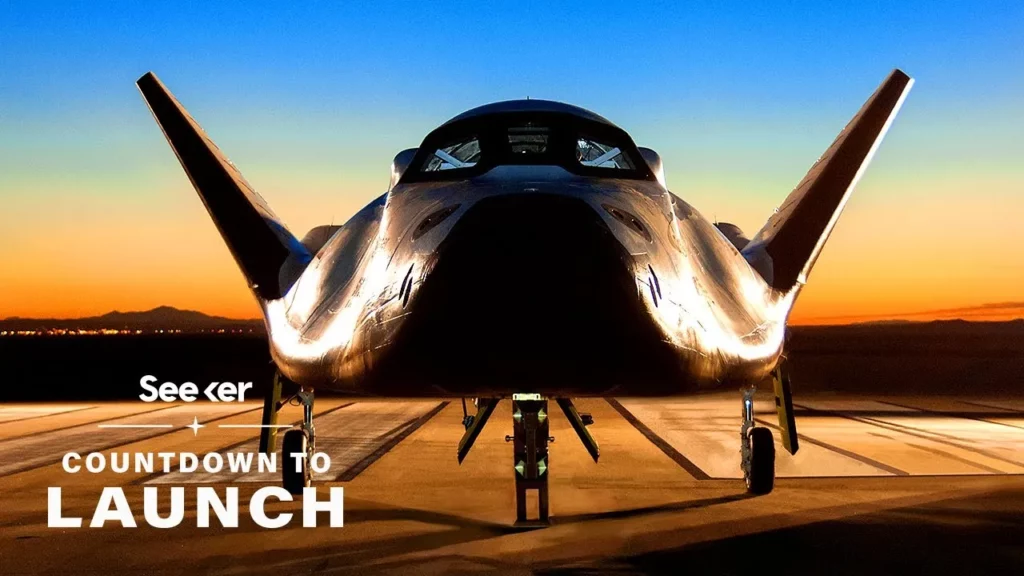
The lesson introduces Dream Chaser, a new space plane developed by Sierra Nevada Corporation, designed to enhance cargo delivery to the International Space Station as part of NASA’s Commercial Resupply Services 2 program. Unlike traditional spacecraft, Dream Chaser features a unique lifting-body design that allows it to land like a plane, making it reusable and versatile for various missions, including scientific experiments and waste disposal. With its innovative technology and capabilities, Dream Chaser aims to become a significant player in the future of human space exploration.
Why Are Rhino Horns Worth More Than Gold?
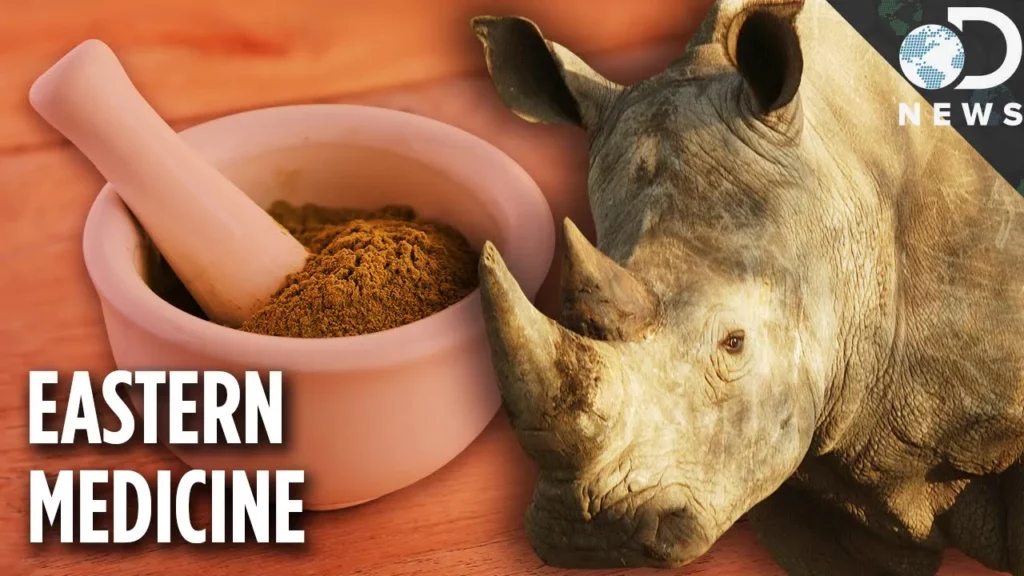
The lesson explores the ancient history of rhinos, tracing their origins back 55 million years and highlighting their current threat of extinction due to the high demand for their horns, which are falsely believed to have medicinal properties. Despite the lack of scientific evidence supporting these claims, myths persist, particularly in Vietnam, driving the exorbitant price of rhino horns. The lesson concludes with a call for innovative solutions, such as 3D printing of synthetic horns, to help protect rhinos from extinction and emphasizes the need for global cooperation in conservation efforts.
How Does Our Skin Turn Sunlight Into Vitamin D?
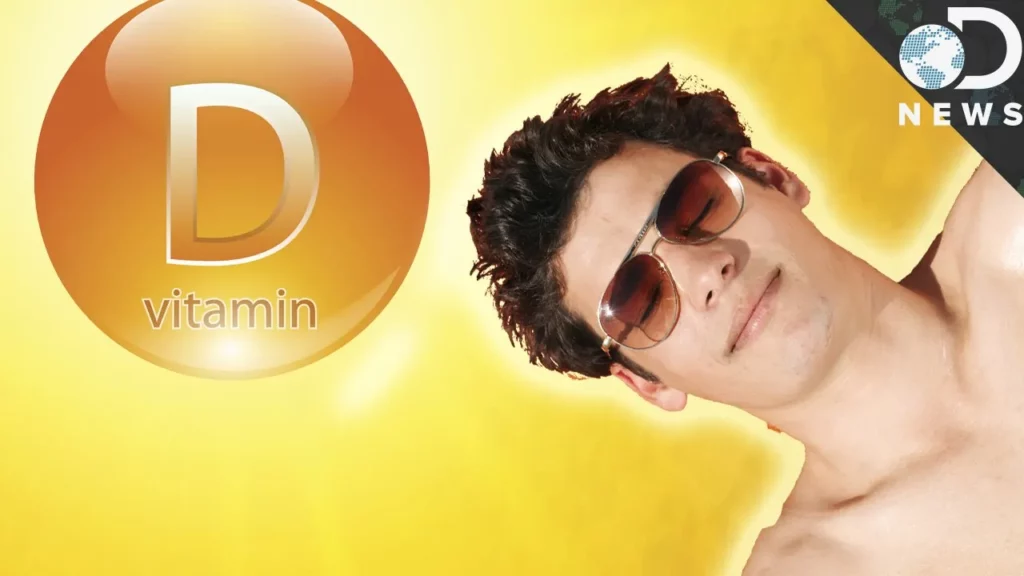
In this lesson, we explored the significance of vitamin D, commonly known as the “sunshine vitamin,” which is crucial for maintaining strong bones and overall health. We learned that while vitamin D can be obtained from certain foods, the primary source is sunlight, which triggers the skin to produce vitamin D3. Additionally, the lesson highlighted the vitamin’s broader health benefits, including its potential role in preventing various diseases, and emphasized the importance of balancing sun exposure and dietary intake to maintain adequate levels.
How To Win A Nobel Prize
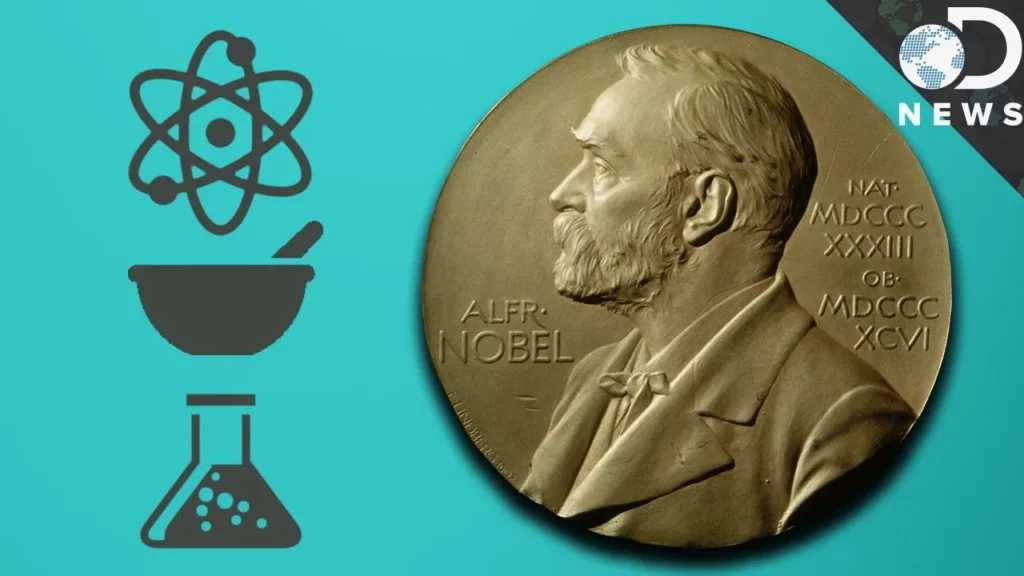
The lesson explores the significance of the Nobel Prize, highlighting its history, prestige, and the impact it has on the fields of science, literature, and peace. Established by Alfred Nobel over a century ago, the prize recognizes outstanding contributions and has gained fame through notable winners like Marie Curie and Albert Einstein. Despite its acclaim, the Nobel Prize faces challenges, such as controversies over selection processes and the exclusion of deserving contributors, yet it remains a powerful symbol of excellence and inspiration.
How Creativity And Mental Illness Are Linked
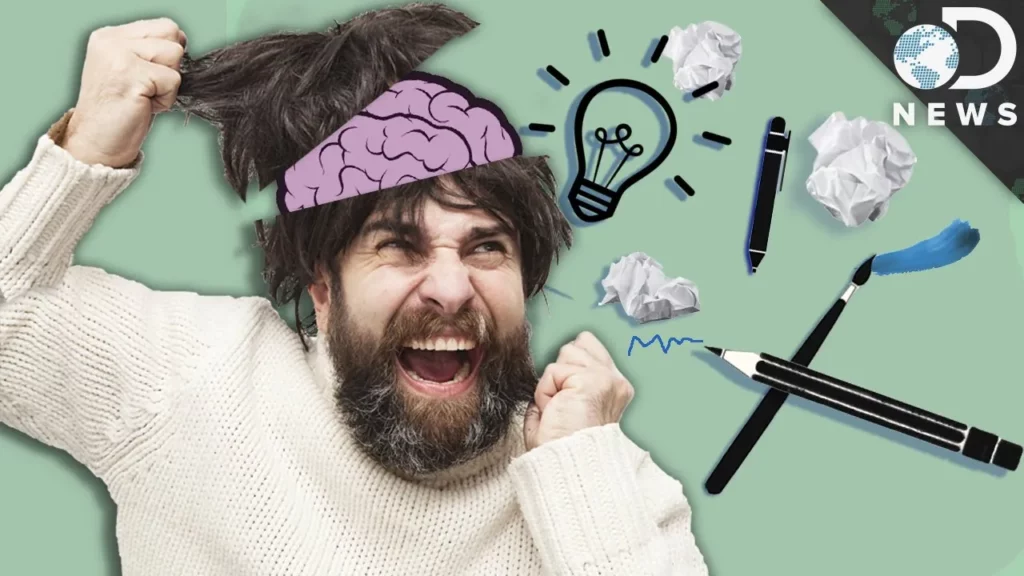
The lesson explores the complex relationship between creativity and mental health, challenging the romanticized notion of the “tortured artist.” While historical figures like Hemingway and Van Gogh exemplify this myth, research indicates that while many creative individuals may face mental health challenges, their creativity can also stem from neurological processes and cognitive styles that allow for unique idea generation. Ultimately, the lesson emphasizes that creativity can thrive despite mental health struggles, rather than being solely a product of them.
Can We Create New Humans With Bacteria?
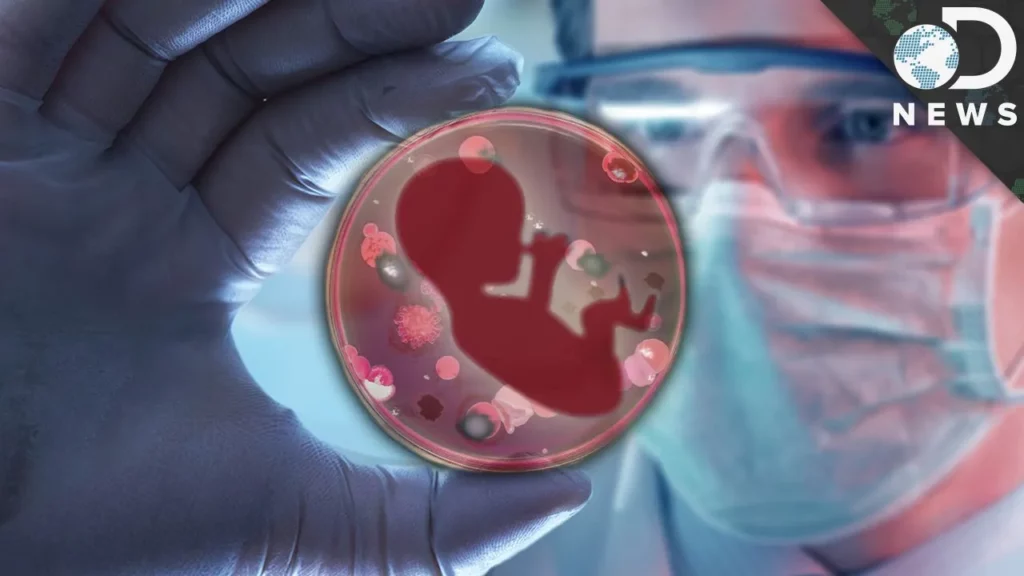
The lesson explores the fascinating field of artificial life, where scientists create life forms from scratch using DNA from fungi and bacteria. This research not only enhances our understanding of genetics and the essential components of life but also holds potential for significant advancements in medicine and biotechnology. However, it raises ethical concerns about the implications of manipulating life, prompting discussions on the balance between innovation and responsibility.
We Found Radioactive Traces From Nuclear Bombs in the Mariana Trench
The Mariana Trench, the deepest part of the ocean, is home to unique life forms and has revealed surprising findings, such as the presence of bomb carbon in deep-sea crustaceans, a remnant of Cold War nuclear tests. This bomb carbon has become a valuable tool for researchers to date human tissues and understand biological processes, revealing insights into tissue turnover rates and healing mechanisms. As bomb carbon levels decline due to environmental changes, scientists continue to explore its potential for advancing medical research before it diminishes completely.
Why Scientists Are Exploring Earth’s Dangerous Twin
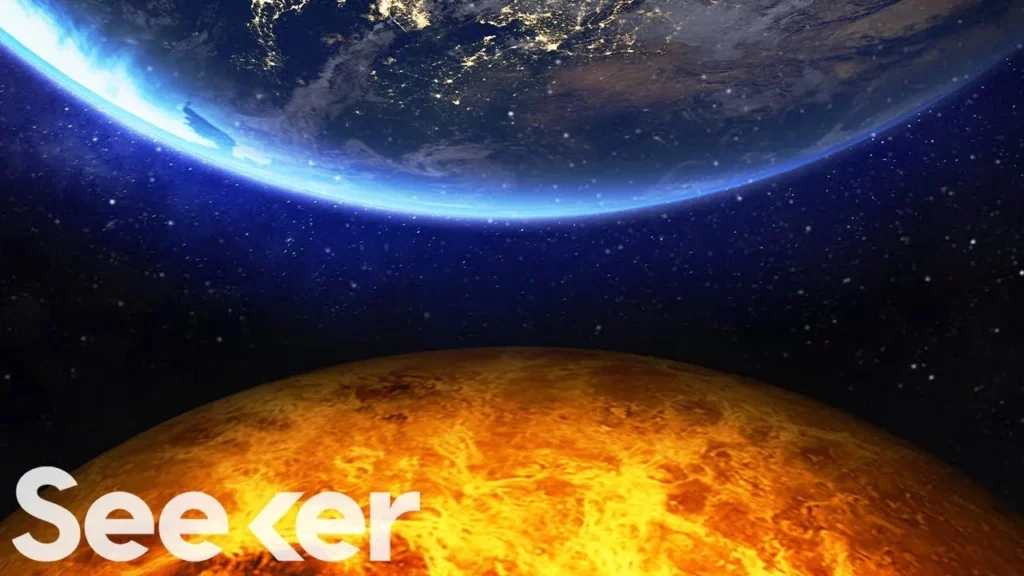
The lesson explores Venus, often referred to as Earth’s “Evil Twin,” highlighting its similarities and stark differences from our planet. Despite its harsh conditions, including extreme heat and toxic atmosphere, studying Venus is crucial for understanding planetary habitability and geological history, which could inform our search for life beyond Earth. Upcoming missions from organizations like ISRO and NASA aim to uncover more about Venus, potentially revealing insights into both its past and the future of other planets.
The Dangerous Truth Behind Lunar Dust
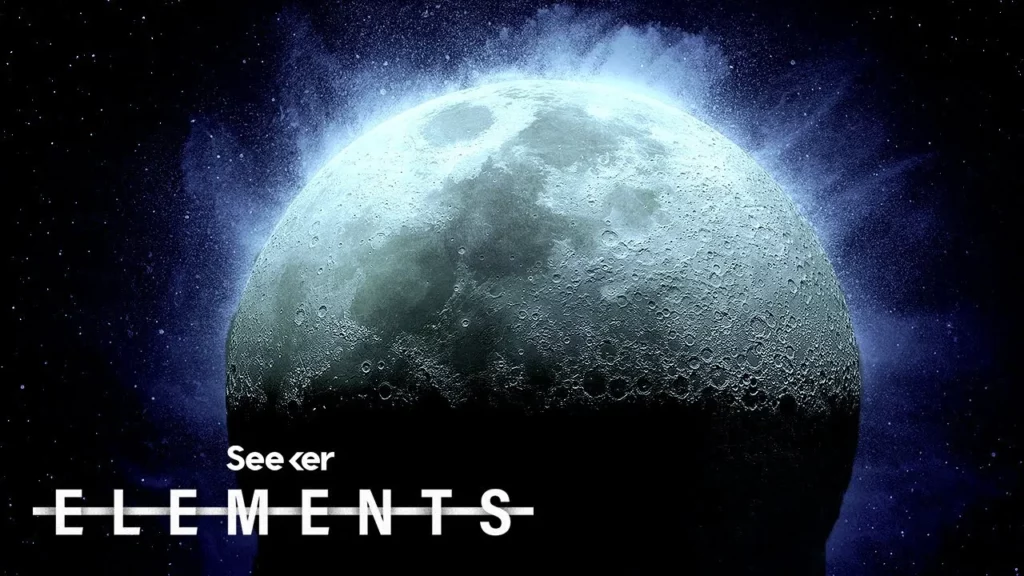
The lesson discusses the far side of the moon, which remains unseen from Earth, and highlights the dangers posed by lunar dust encountered by astronauts. This dust, sharp and potentially harmful, can cause allergic reactions and long-term health issues, prompting NASA to innovate new spacesuit designs to mitigate these risks as they prepare for future missions under the Artemis program. Ongoing research aims to better understand the composition of moon dust and its effects on human health.
We Found Another State of Matter: The Supersolid!

This lesson explores the diverse and complex world of states of matter, highlighting not only the familiar solid, liquid, and gas but also intriguing new states such as supersolids, superfluids, and Bose-Einstein Condensates. It delves into the unique properties of supersolids, which combine superfluid behavior with a structured form, and emphasizes the expanding understanding of matter in the universe, including exotic states found under extreme conditions. Overall, the lesson encourages curiosity and further exploration into the fascinating realm of physics.