
The Hidden Environmental Costs of Electric Cars
The lesson discusses the growing popularity of electric vehicles (EVs) and the critical issue of managing lithium-ion batteries once they are no longer usable. It emphasizes the importance of recycling these batteries to recover valuable materials and reduce environmental harm, while also highlighting the challenges faced in recycling, such as high costs and inefficient designs. Innovations in battery recycling methods are emerging, but the industry must navigate potential risks associated with new technologies to ensure sustainable practices for the future.
This New Tech Could Revolutionize How We Store Renewable Energy
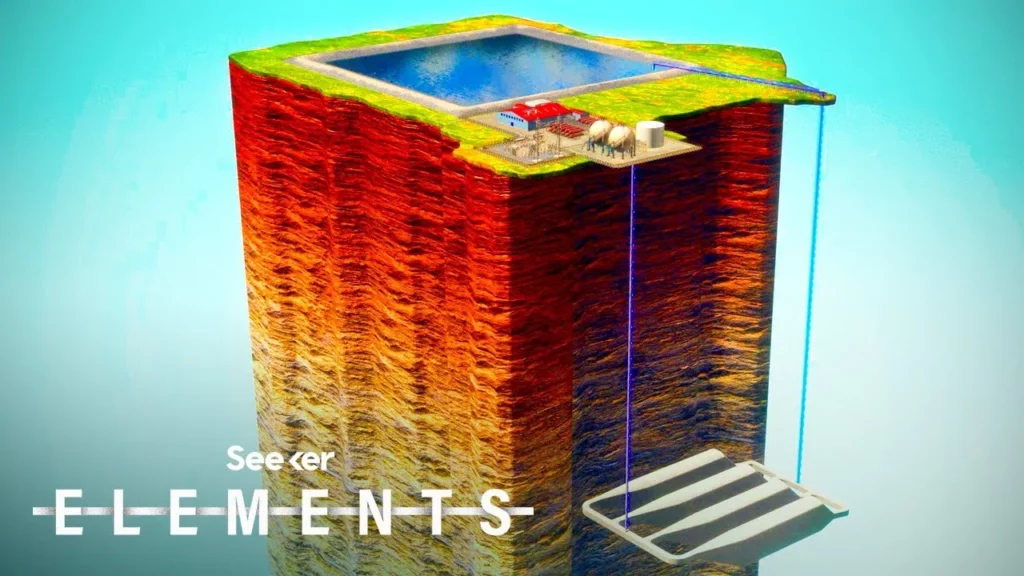
The lesson discusses the potential of Compressed Air Energy Storage (CAES) as a sustainable solution for storing excess energy generated from renewable sources like solar and wind power. While traditional CAES systems face challenges such as geological limitations and energy loss, innovations by companies like Hydrostor are improving efficiency and flexibility by utilizing hard-rock caverns and capturing thermal energy. As Hydrostor expands its projects, CAES could play a crucial role in advancing renewable energy and reducing reliance on fossil fuels.
Why Can’t We Experiment On Human Embryonic Stem Cells?
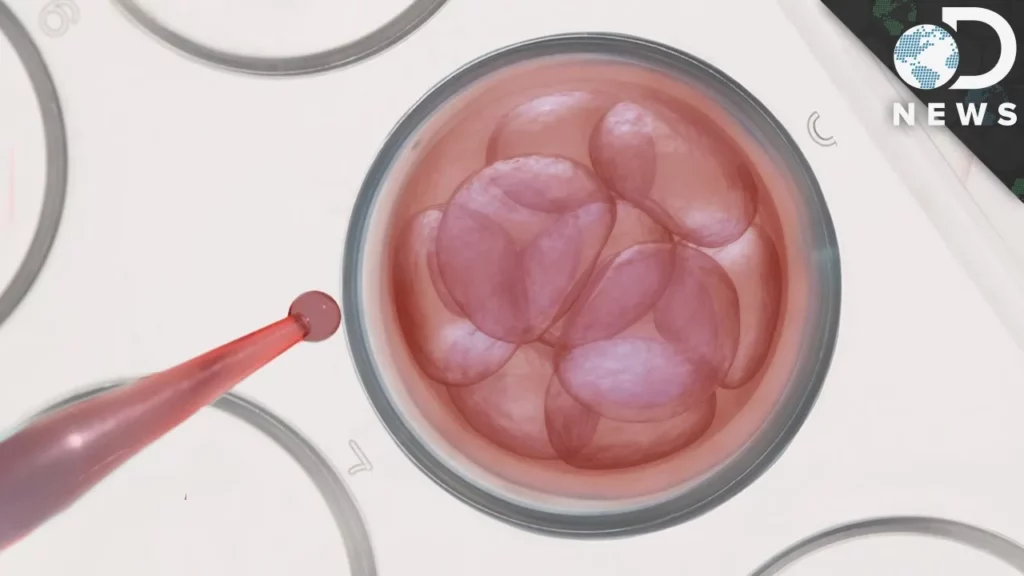
The lesson explores the 14-day rule in embryonic stem cell research, which mandates the destruction of human embryos after two weeks to balance scientific inquiry with ethical considerations. Originating from a 1979 report, this regulation is based on the appearance of the primitive streak, marking the embryo’s individuality. As scientific advancements allow for the cultivation of embryos beyond this limit, the debate continues over whether to revise the rule, highlighting the need for ongoing ethical discussions in the face of evolving research capabilities.
Why We Keep People Awake During Brain Surgery
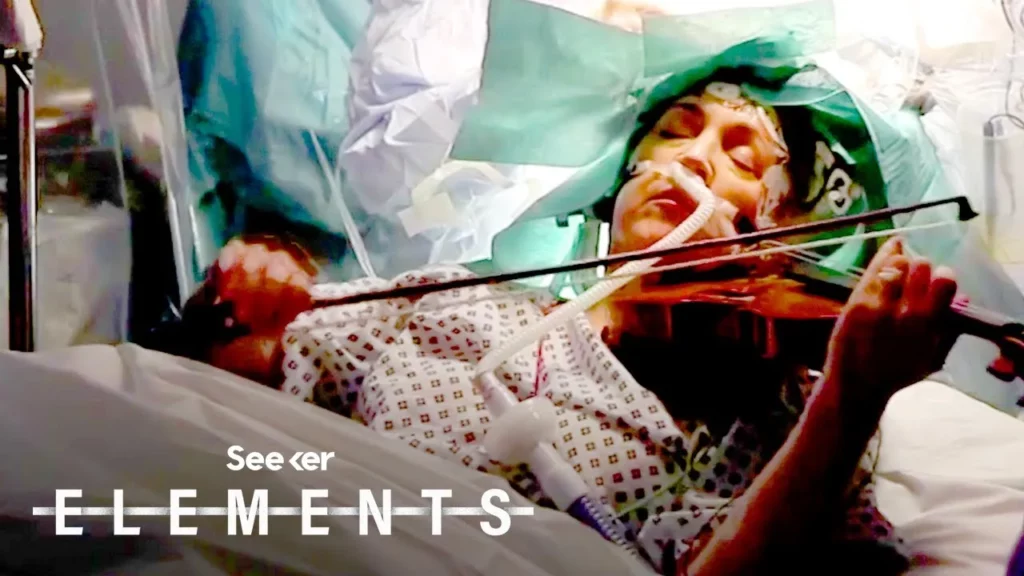
The lesson explores the innovative procedure of awake craniotomy, where patients remain conscious during brain surgery to help surgeons preserve critical functions like speech and motor skills. Highlighting the case of violinist Dagmar Turner, who played her instrument during her operation to ensure her motor abilities were maintained, the lesson also discusses the historical context and advancements in brain surgery techniques, including the use of functional MRIs and robotics. Ultimately, awake craniotomy has proven to be a reliable method, with ongoing improvements aimed at enhancing patient outcomes in neurosurgery.
5 Surprising Uses For Gold

This lesson explores the diverse applications of gold beyond its traditional uses in coins and jewelry, highlighting its unique properties such as corrosion resistance, conductivity, and malleability. Gold plays a crucial role in various fields, including space exploration, medicine, environmental protection, and technology, demonstrating its versatility and enduring value. The lesson encourages curiosity about gold’s innovative uses and invites further exploration of this fascinating metal.
Natural vs. Artificial Flavors: What’s The Difference?

The lesson explores the differences between the flavors of banana candies and real bananas, highlighting the roles of natural and artificial ingredients in food products. It explains that both natural and artificial flavors are often created in laboratories, and the distinction between them can be misleading, as they may contain the same chemicals. Ultimately, the lesson encourages consumers to be mindful of the ingredients in their food choices, questioning the true meaning of “natural” and the implications of artificial flavors.
Could Injecting Carbon Into the Earth Save Our Planet?
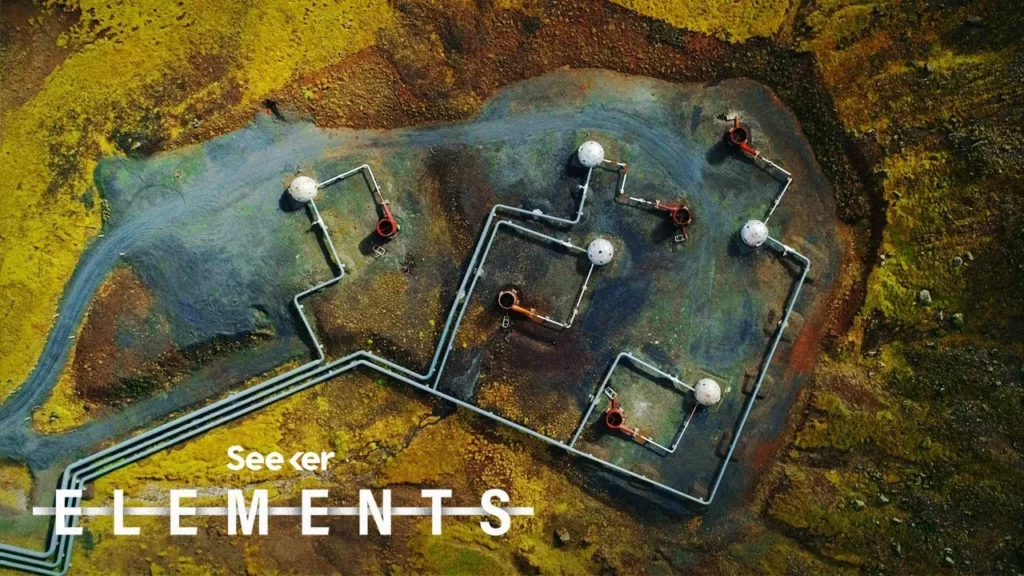
The lesson highlights Iceland’s dual reputation for breathtaking natural beauty and its pioneering efforts in climate change solutions, particularly through carbon dioxide capture technology. This innovative approach, exemplified by Climeworks, involves extracting CO2 from the atmosphere and storing it underground, contributing to the global goal of significantly reducing atmospheric CO2 levels. While promising, the technology faces challenges in scalability and energy consumption, underscoring the need for a multifaceted approach to effectively combat climate change.
Brain-To-Brain Communication Finally Achieved!
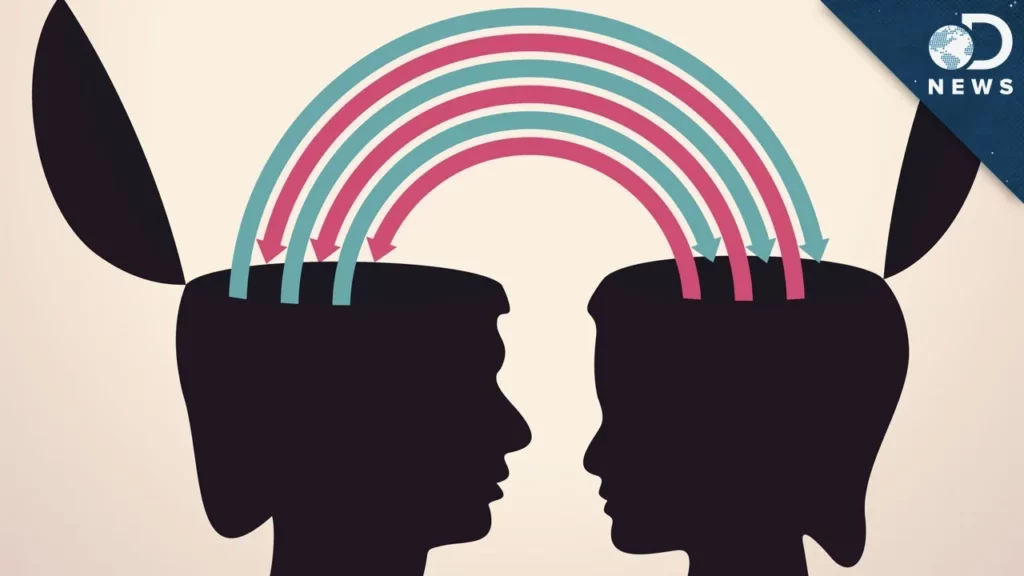
The lesson explores the groundbreaking concept of direct brain communication, akin to telepathy, through a scientific experiment where researchers connected two brains using a brain-computer interface (BCI) over the internet. By translating brain signals into binary code and stimulating specific areas of the receiver’s brain to create visual signals, the study demonstrates the potential for future brain-to-brain communication. While still in its early stages, this research opens up exciting possibilities for controlling devices with thoughts and sending messages directly between minds.
Skyscrapers of the Future Will Be Engineered to Copy Nature
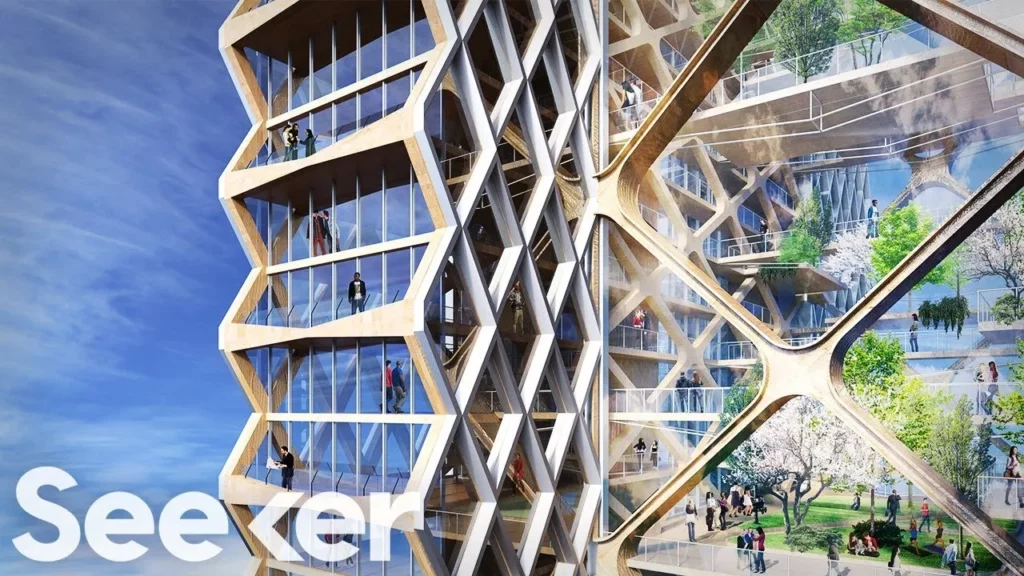
The lesson explores the innovative concept of building sustainable urban environments through wooden skyscrapers and living gardens, highlighting the environmental issues associated with traditional steel and concrete structures. Countries like Singapore and Canada are leading the way by integrating greenery into skyscrapers and utilizing mass timber as a primary building material, which not only reduces carbon emissions but also enhances biodiversity and urban comfort. As the global population continues to rise, these eco-friendly designs could play a crucial role in creating healthier and more sustainable cities for the future.
What Happens When Earth’s Magnetic Poles Reverse?
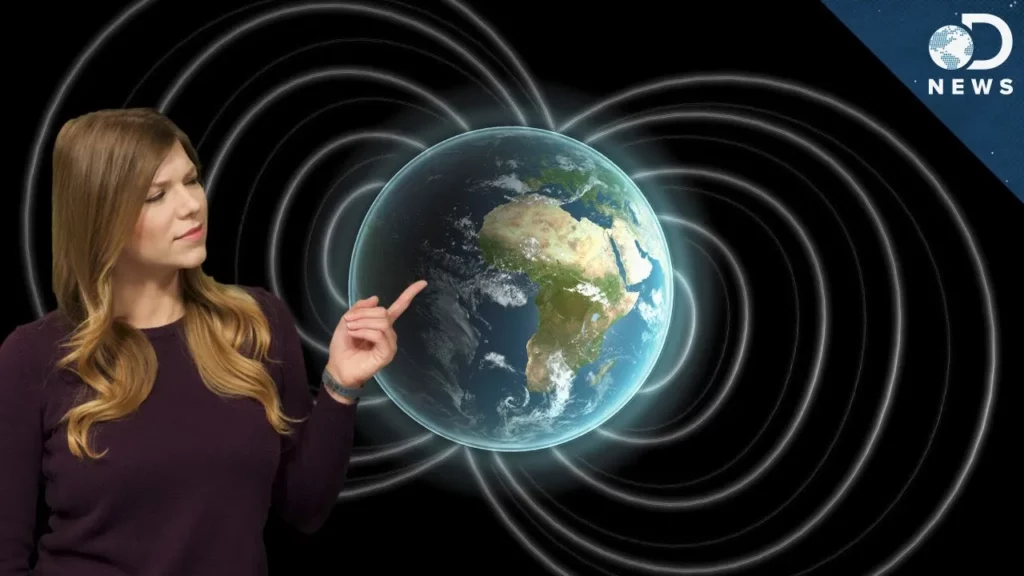
In this lesson, we explored the fascinating phenomenon of Earth’s magnetic field reversals, where the north and south poles switch places approximately every 500,000 years. Recent evidence suggests that these reversals can occur much more rapidly than previously thought, potentially within a human lifetime, and scientists believe we may be approaching another flip due to the current weakening of the magnetic field. While past reversals have not led to mass extinctions, they could disrupt electrical systems and increase vulnerability to solar radiation, though such changes are unlikely to impact us in the near future.