
How To Cope With Snobbery
The lesson explores the psychological motivations behind our career obsessions, highlighting how societal snobbery and the fear of judgment shape our self-esteem and behaviors. It emphasizes that our pursuit of professional success and material possessions often stems from a desire for social validation rather than mere greed. Ultimately, the lesson advocates for self-compassion and the recognition of intrinsic worth beyond societal measures, encouraging kindness and curiosity towards ourselves and others.
Why We Are All Addicts
The lesson emphasizes that addiction extends beyond the stereotypical images of substance abuse, highlighting its prevalence in everyday behaviors that serve as distractions from our inner turmoil. By redefining addiction as a compulsive reliance on various activities to avoid self-reflection, the article encourages empathy towards those struggling with addiction and prompts individuals to confront their own distractions. Ultimately, it advocates for a philosophical approach to understanding and addressing addiction, fostering personal and collective healing.
Why Old Friends Matter

The lesson emphasizes the significance of old friendships, highlighting how they serve as vital connections to our past selves and contribute to our personal growth. These relationships, rooted in shared experiences, help us reflect on our journeys, maintain empathy, and recall valuable life lessons that shape our present and future. Ultimately, old friendships enrich our lives by reminding us of our shared histories and the enduring value of human connections.
How to Become Someone People Will Confide In
The lesson “Building Trust: The Art of Being a Confidant” emphasizes the importance of empathy, vulnerability, and authenticity in fostering deeper connections with others. It highlights that trust is built gradually through mutual vulnerability, where sharing one’s own struggles can create a safe space for others to open up. Ultimately, becoming a trusted confidant involves more than good intentions; it requires a commitment to understanding and supporting others through their challenges.
Why We Only Learn When We Repeat
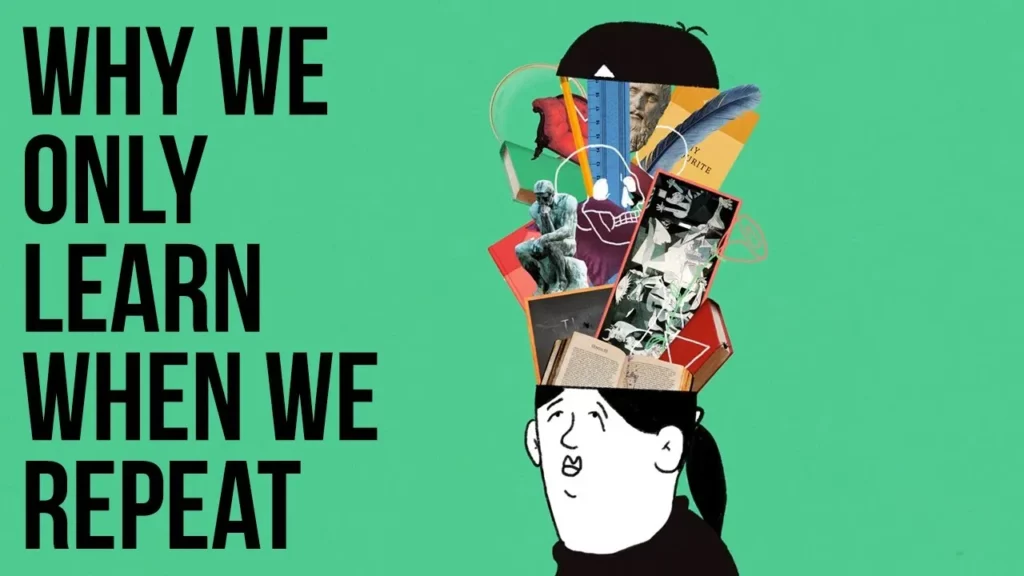
The lesson emphasizes the significance of repetition in learning, contrasting modern educational approaches with traditional religious practices that prioritize continual reinforcement of knowledge. It argues that while modern education often treats learning as a one-time event, religious traditions demonstrate that repeated engagement with teachings fosters deeper understanding and retention. By adopting similar practices of repetition in secular education, individuals can enhance their emotional intelligence and keep essential life lessons vivid and impactful.
How to Cope With Bureaucracy
The lesson on “Understanding the Complex World of Bureaucracy” highlights the transition from the nurturing environments of childhood to the impersonal nature of adult bureaucratic systems. It emphasizes that while bureaucracy is designed to ensure fairness and efficiency, it can often feel frustrating and unresponsive to individual needs. By adopting a calm perspective and recognizing the inherent inefficiencies within these systems, individuals can navigate bureaucratic challenges with greater patience and understanding.
Why we should show our hurt rather than argue

The lesson emphasizes the importance of effective communication and emotional intelligence in navigating relationship challenges, such as misunderstandings and career dissatisfaction. It provides practical strategies for enhancing self-awareness, being present, and resolving conflicts, highlighting that successful relationships require ongoing effort and understanding. Ultimately, the lesson encourages individuals to develop their emotional intelligence to foster healthier connections and manage conflicts constructively.
What Dating Apps Misunderstand About Love

The lesson explores the evolution of relationships from a historical context of limited choices to the modern era of endless possibilities facilitated by technology. While dating apps and social media have expanded our options, they also present challenges, as the complexities of love remain unchanged. True relationship success hinges on emotional maturity, patience, and a commitment to understanding the inherent difficulties of living with another person, rather than merely seeking new partners.
Why Our Best Thoughts Come to Us in the Shower
The lesson challenges the common belief that ideal thinking spaces, such as spacious offices with beautiful views, enhance creativity and productivity. Instead, it highlights that anxiety is the primary barrier to effective thinking, and environments that allow for mild distraction, like showers or nature walks, can foster deeper insights by reducing pressure and encouraging clarity. By rethinking our understanding of where and how we think best, we can create conditions that support more profound and creative ideas.
What to Do About Your Trauma?
The lesson emphasizes that trauma is not solely defined by the severity of an event but by its subjective impact on individuals, often manifesting through unremembered experiences that can disrupt daily life. Unresolved trauma can lead to various psychological and emotional challenges, highlighting the importance of addressing these hidden influences through healing processes, often facilitated by supportive professionals like therapists. Ultimately, understanding and confronting trauma is essential for reclaiming one’s narrative and achieving a fulfilling life.