
LITERATURE – Fyodor Dostoyevsky
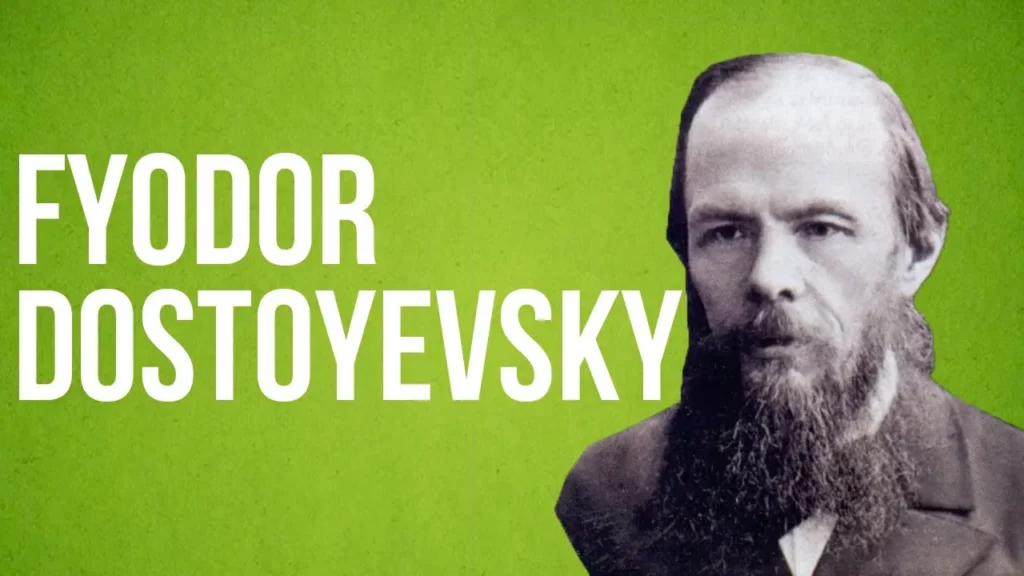
The lesson on Fyodor Dostoevsky highlights his profound impact on literature through his exploration of the human psyche, shaped by his own experiences of suffering and redemption. His major works, including “Crime and Punishment” and “The Brothers Karamazov,” delve into complex themes of morality, guilt, and the potential for compassion, urging readers to confront their own flaws and embrace deeper connections with others. Ultimately, Dostoevsky’s legacy serves as a reminder of the enduring complexities of human nature and the transformative power of literature.
POP CULTURE: Why We Love Disaster News

The lesson explores the psychological and philosophical reasons behind our fascination with disasters, highlighting how these tragic events serve as reminders of life’s fragility and the unpredictability of fate. By reflecting on mortality, we can gain a deeper appreciation for life, prompting us to live more mindfully and pursue meaningful connections and goals. Ultimately, this engagement with tragedy encourages personal and societal change, fostering resilience and a commitment to living with intention.
The Terror of Being Alone
The lesson “Understanding Loneliness: A Journey to Self-Compassion and Acceptance” explores the complex nature of loneliness, emphasizing that it is not merely about being alone but rather how we perceive and respond to solitude. By reframing our understanding of loneliness and embracing it as a choice, we can cultivate self-compassion and build a healthier relationship with ourselves, ultimately leading to more authentic connections and a fulfilling life. The lesson also highlights the importance of recognizing loneliness as a universal experience and offers strategies for coping with it, such as mindfulness, engaging in fulfilling activities, and seeking professional support.
The Importance of a Breakdown
The lesson emphasizes that mental breakdowns, often perceived as crises, are actually profound pleas for health and self-understanding. Rather than merely viewing them as medical emergencies, we should recognize them as opportunities for personal growth, highlighting the importance of listening to our emotional needs and addressing the underlying issues that lead to such breakdowns. Ultimately, embracing the lessons from these experiences can guide us toward a more authentic and fulfilling life.
HISTORY OF IDEAS – Consumerism
The lesson explores the evolution of consumerism from a historical context of scarcity to a modern landscape where consumer goods have become symbols of luxury and status. It highlights the first consumer revolution in the 18th century, particularly in Britain, and the ensuing intellectual debates between figures like Bernard Mandeville, who championed consumerism as a driver of prosperity, and Jean-Jacques Rousseau, who advocated for a return to simpler living. Ultimately, the lesson calls for a reimagining of consumerism that balances economic growth with higher human needs, promoting a society that values both wealth and virtue.
Albert Camus – The Plague

Albert Camus’ “The Plague” serves as a profound exploration of human vulnerability and the absurdity of existence, set against the backdrop of a devastating epidemic in a fictional town. Through the experiences of Dr. Rieux and the townspeople, Camus critiques human denial and the illusion of control, emphasizing the importance of decency and finding meaning in life’s simple pleasures amidst chaos. Ultimately, the novel’s enduring legacy lies in its invitation to acknowledge our shared vulnerabilities and approach life with humility and compassion.
Learning to Be a Friend to Yourself
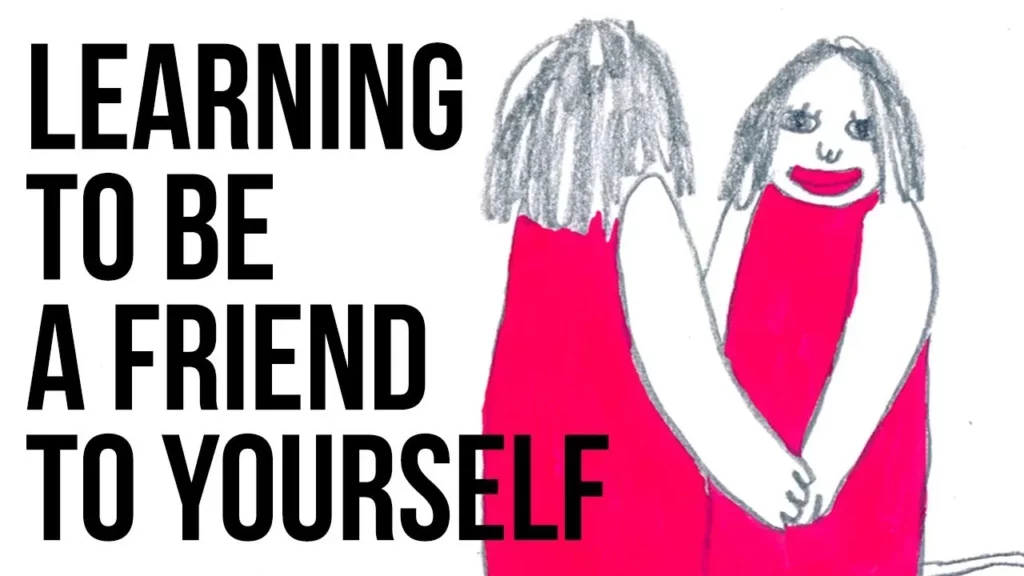
The lesson emphasizes the importance of self-compassion, encouraging individuals to treat themselves with the same kindness and understanding they would offer a close friend. It outlines practical steps to foster self-compassion, such as embracing imperfection, forgiving oneself, and letting go of the need for external validation. By practicing these principles, individuals can enhance their mental well-being, reduce negative self-talk, and cultivate a more positive outlook on life.
Why You Shouldn’t Trust Your Feelings
The lesson on “The Illusion of Clarity: Understanding Emotional Skepticism” explores the idea that our emotions, often seen as reliable guides, can actually distort our perceptions and judgments. Rooted in ancient skepticism, the lesson emphasizes the importance of recognizing the fallibility of our feelings and the influence of moods, fatigue, and attraction on our decision-making. By adopting a skeptical mindset and practicing “Epoche,” or suspension of judgment, we can cultivate a more thoughtful and balanced approach to understanding ourselves and navigating life’s complexities.
Which Long-term Relationships Will Survive and Which Won’t
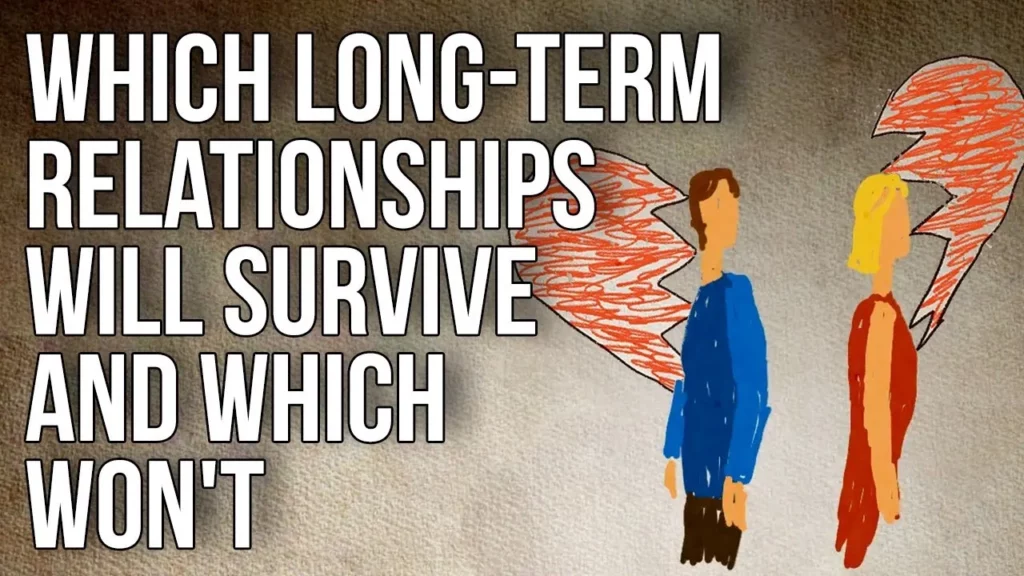
The lesson on “Understanding the Dynamics of Long-Term Relationships” emphasizes that the success of a relationship hinges on effective communication and empathy rather than superficial factors. It highlights that the primary reason for breakups is often the feeling of being unheard, and that couples can navigate differences successfully when they prioritize understanding each other’s perspectives. Ultimately, fostering a culture of empathy and open dialogue is essential for building a resilient and lasting partnership.
LITERATURE – Oscar Wilde

The lesson explores the rise and fall of Oscar Wilde, highlighting his initial success as a playwright followed by a rapid decline due to societal prejudice and personal choices. Wilde’s tragic story serves as a cautionary tale about the dangers of moral judgment and the importance of compassion, urging society to embrace understanding and empathy for those facing adversity. Ultimately, it calls for a more accepting world where individuals are not solely defined by their mistakes but are given opportunities for redemption.