
The Benefits of Crying
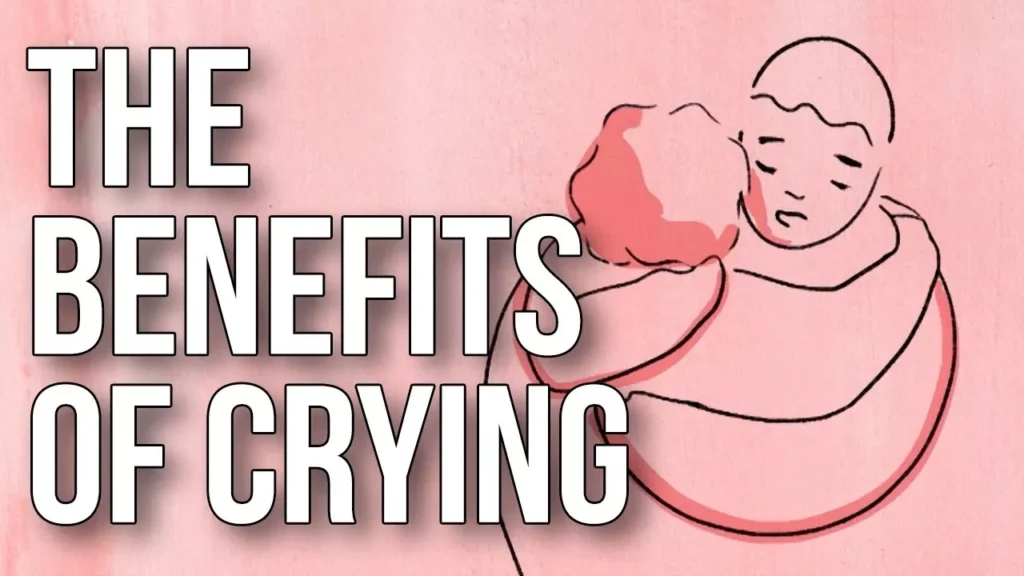
The lesson emphasizes the importance of embracing vulnerability and emotional expression, drawing inspiration from the natural honesty of children’s tears. It argues that societal pressures to suppress emotions can harm mental health, while allowing ourselves to cry can lead to emotional resilience and healing. By creating supportive environments and normalizing emotional expression, we can foster a healthier relationship with our feelings and promote overall well-being.
LITERATURE – Goethe
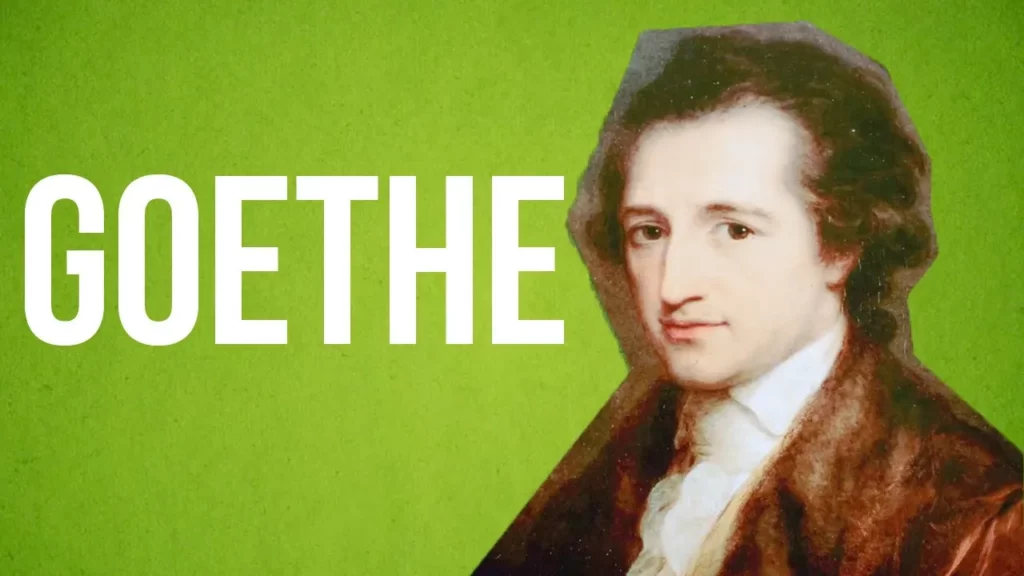
The lesson on Johann Wolfgang von Goethe highlights his profound impact on literature, philosophy, and culture, illustrating the evolution of his thought from romantic idealism to classical realism. It emphasizes the importance of balancing creativity with practicality, personal growth through travel, and the integration of art and science, showcasing Goethe’s multifaceted contributions to society. Ultimately, the lesson encourages us to embrace Goethe’s legacy to cultivate a more vibrant and humane world.
Why, how & when to Flirt
The lesson emphasizes that flirting is often misunderstood as a manipulative tactic, but when practiced positively, it serves as a valuable social skill that enhances self-esteem and fosters connections. By celebrating mutual attraction and recognizing the appealing qualities in others, flirting can create a sense of acceptance and validation, transcending social boundaries. Ultimately, embracing the art of flirting can lead to more enriching and affirming interactions in modern society.
Arguments When There Is Too Little Sex

The lesson explores the “no sex” argument in committed relationships, highlighting it as a significant yet often unspoken source of conflict that stems from feelings of emotional neglect and inadequacy. It emphasizes the importance of sexual intimacy as a means to foster connection and resolve underlying issues, advocating for open communication and understanding between partners to address their needs without shame. By educating individuals on these dynamics and providing tools for effective dialogue, couples can work towards healthier relationships and reduce the cycle of hostility.
PHILOSOPHY – Michel Foucault
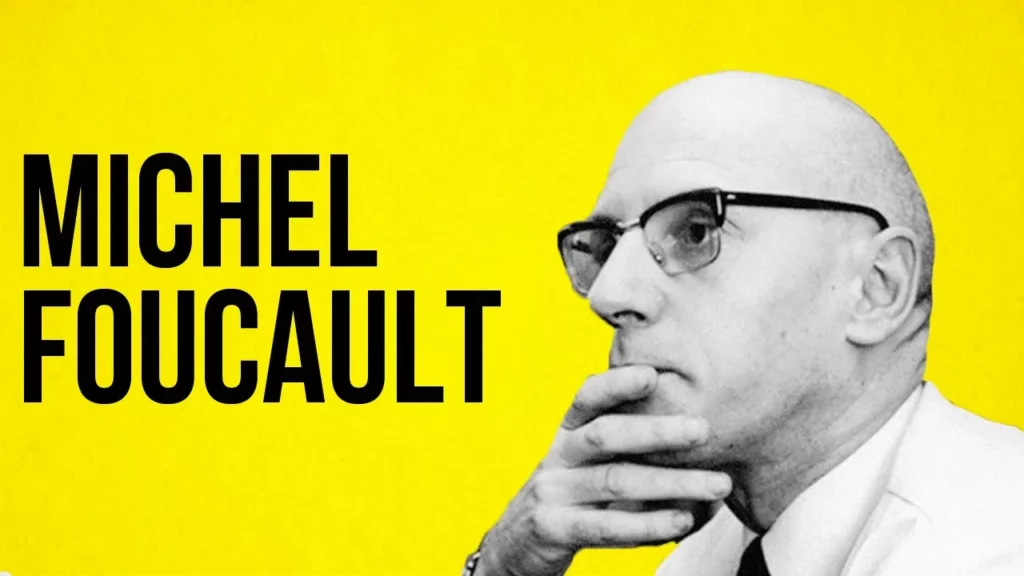
The lesson on Michel Foucault highlights his role as a revolutionary thinker who critically analyzed power structures within modern capitalist societies through his examination of various institutions. Foucault’s major works, including “Madness and Civilization,” “The Birth of the Clinic,” and “Discipline and Punish,” challenge conventional views on mental illness, medicine, and punishment, urging a deeper understanding of how these systems shape human experience. His legacy continues to inspire critical thought and a reevaluation of history’s relevance to contemporary issues.
Make Your Bias Work for You

The lesson emphasizes that while bias is often viewed negatively as an obstacle to a good life and fair society, it is essential to recognize the complex interplay between bias and facts. Rather than striving for a completely unbiased perspective, individuals should understand their own biases and engage in open discussions that allow for the competition of ideas, ultimately fostering a richer and more informed democratic process. Embracing and articulating our biases can lead to a more nuanced understanding of societal values and ethics, essential for navigating life’s complexities.
The Secret of Successful Relationships: Rupture and Repair
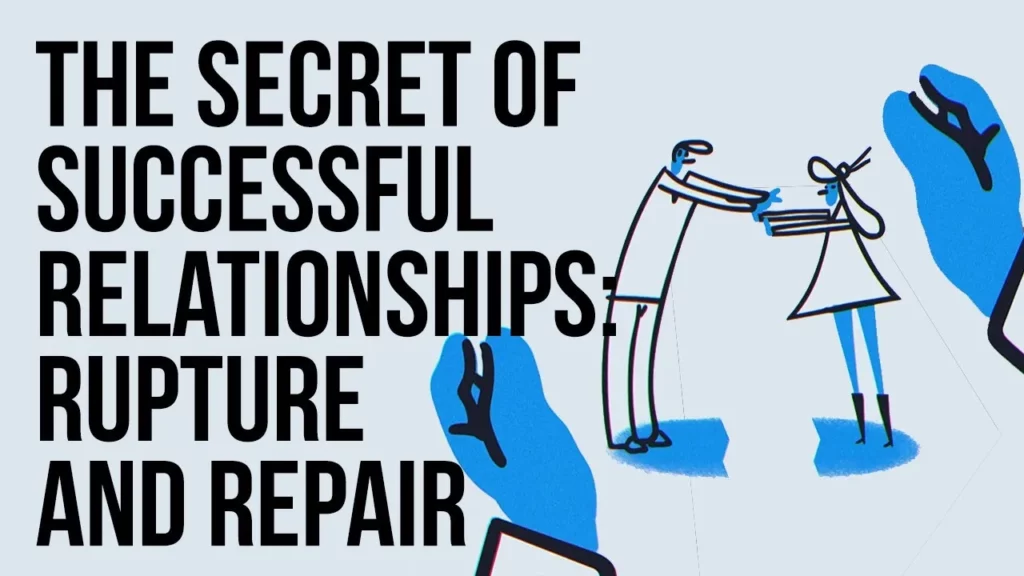
The lesson on “Understanding Relationship Dynamics: The Art of Rupture and Repair” emphasizes that conflicts, or ruptures, are a natural part of any relationship, and their impact is determined by the ability to repair and restore trust. Key skills for effective repair include the ability to apologize sincerely, forgive, teach, and learn from one another, all of which contribute to emotional maturity and stronger connections. Ultimately, the lesson highlights that the strength of a relationship lies not in the absence of conflict, but in the capacity to navigate and grow from these challenges, akin to the Japanese art of Kintsugi, which celebrates the beauty of repaired imperfections.
What is Inflation?

The lesson on inflation explores its definition, historical context, causes, and effects on economies and individuals. It highlights how inflation has evolved over time, using historical examples to illustrate changes in purchasing power, and discusses the various factors that contribute to inflation, such as cost-push, demand-pull, and monetary inflation. Ultimately, the lesson emphasizes the importance of understanding inflation to navigate its challenges and maintain economic stability.
Why You Don’t Need to Be Exceptional
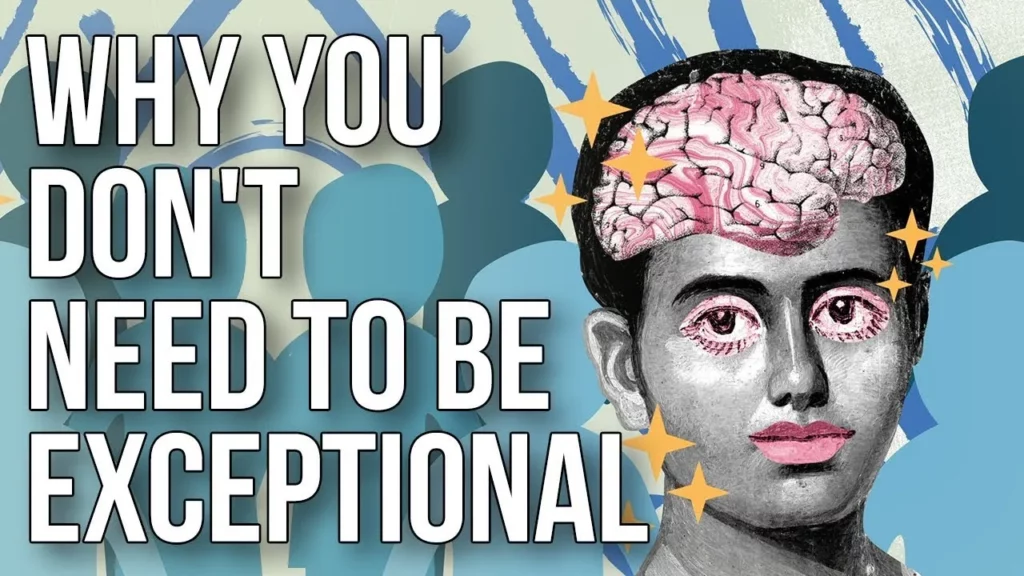
The lesson explores how childhood experiences shape adult self-worth, emphasizing the pressure to achieve stemming from parental expectations and societal norms. It highlights that while achievement is often celebrated, it can mask underlying dissatisfaction, and true contentment may be found in the simplicity of ordinary life. By redefining success and appreciating everyday joys, individuals can embark on a journey toward genuine self-discovery and fulfillment.
Kierkegaard on Love

In “Works of Love,” Søren Kierkegaard critiques the contemporary understanding of romantic love, advocating for a broader, more inclusive concept of love rooted in Christian principles. He distinguishes between true love, which encompasses empathy and forgiveness for all, and preferential love, which is often selfish and exclusive. Kierkegaard’s philosophy encourages us to transcend superficial criteria in our relationships and embrace a more compassionate approach to loving others, regardless of their perceived worthiness.