
The Fear of Ending a Relationship
The lesson on “Navigating the Complexities of Ending a Relationship” highlights the emotional challenges individuals face when contemplating a breakup, including fears of causing pain and provoking anger in their partner. It emphasizes the importance of understanding the roots of these fears, often stemming from childhood experiences, and encourages individuals to embrace their adult capabilities to make healthier decisions. Ultimately, the lesson advocates for the courage to be honest and kind, recognizing that ending a relationship can lead to greater fulfillment for both parties involved.
12 signs you might be suffering from PTSD
The lesson on Complex Post-Traumatic Stress Disorder (C-PTSD) highlights its distinction from traditional PTSD, emphasizing that C-PTSD arises from prolonged trauma, particularly during childhood, leading to a range of debilitating symptoms. Key symptoms include persistent feelings of unsafety, negative self-image, and difficulties with intimacy, often stemming from emotional neglect. Healing from C-PTSD involves self-compassion, therapeutic support, and relearning self-love, enabling individuals to recognize their trauma and work towards recovery.
How to Learn to Love Oneself More
The lesson “Navigating the Challenges of Self-Defense in the Age of Social Media” emphasizes the importance of addressing both external criticism and internal self-perception to maintain mental well-being in a digital world. It highlights how negative interactions on social media can exacerbate feelings of self-loathing, and underscores the need for self-love and compassion as antidotes to these challenges. By fostering a positive internal narrative and seeking supportive relationships, individuals can build resilience against external negativity and improve their emotional health.
How Best to Manage Your Moods

The lesson “Understanding and Managing Our Moods: A Guide to Emotional Resilience” emphasizes the complexity of human emotions and the importance of recognizing and managing mood fluctuations. It outlines various strategies for emotional resilience, including acknowledging vulnerability, curating supportive social circles, maintaining physical health, challenging negative thoughts, practicing self-kindness, and embracing the impermanence of moods. By implementing these strategies, individuals can navigate their emotional ups and downs more effectively, leading to a more balanced and fulfilling life.
The Eight Rules of The School of Life
The lesson from “The School of Life: A Guide to Embracing Imperfection and Finding Meaning” emphasizes the importance of accepting our imperfections and recognizing that they are integral to the human experience. By embracing our flaws, fostering genuine connections through vulnerability, and understanding the impact of our past, we can cultivate personal growth and deeper relationships. The eight key principles outlined serve as a guide to finding meaning and contentment in life, encouraging us to appreciate the ordinary and maintain a cosmic perspective on our existence.
This Could Be the Happiest Place to Live

The lesson emphasizes that true happiness can often be found in solitude and unconventional, isolated places rather than the bustling environments typically associated with joy. These quiet settings provide opportunities for introspection, self-discovery, and genuine connections with others who share similar feelings, allowing individuals to embrace their true selves and emotions. Ultimately, the lesson advocates for recognizing the beauty and wisdom that can emerge from solitude, suggesting that such experiences can lead to a deeper understanding of oneself and a unique form of personal happiness.
Why People Have Affairs
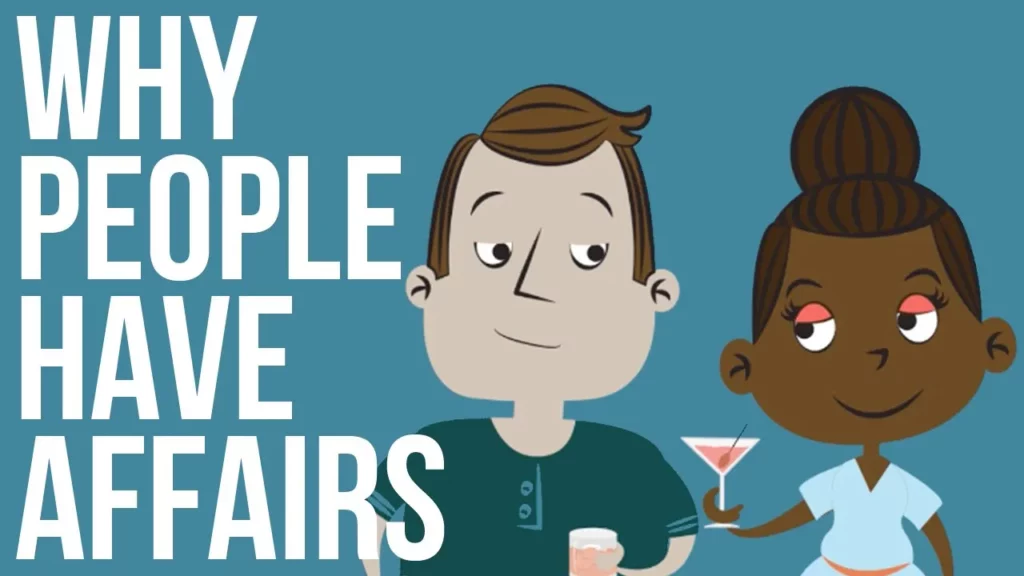
The lesson emphasizes that affairs are not merely impulsive actions or moral failings, but rather complex outcomes of imbalances in the fundamental needs for closeness and distance within romantic relationships. It highlights the importance of open communication and mutual respect in navigating these differing needs, suggesting that understanding and addressing the underlying psychological dynamics can help couples maintain a healthy balance and prevent infidelity. Ultimately, fostering a resilient partnership requires acknowledging the intricacies of individual needs and working collaboratively to strengthen the relationship.
Loneliness and Our Craving for Community
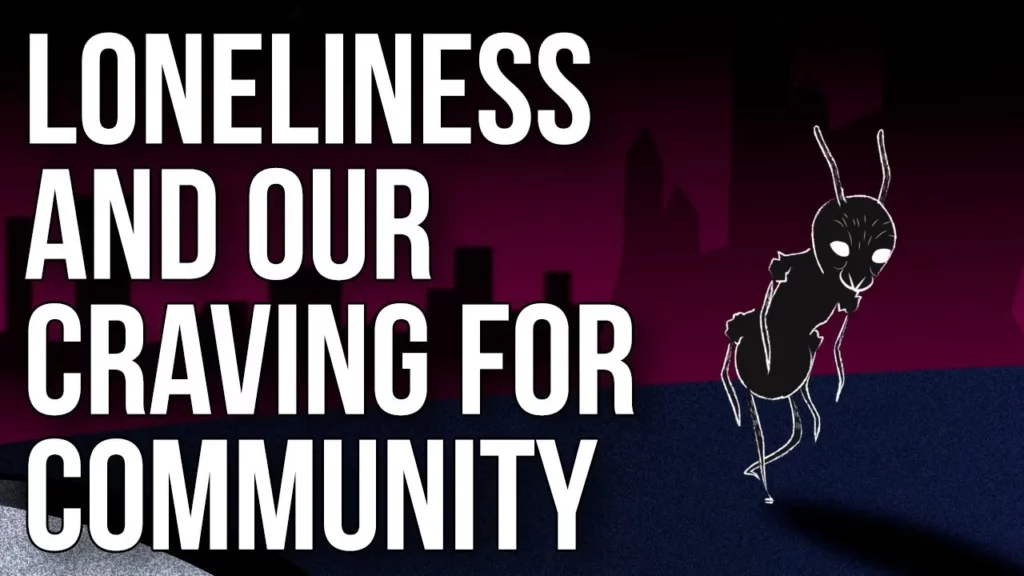
The lesson emphasizes the importance of community in addressing feelings of sadness and isolation prevalent in modern society. It contrasts the close-knit communal living of our ancestors, which fostered emotional well-being, with today’s individualistic lifestyle that often leads to unrealistic expectations in relationships and a relentless pursuit of success. By recognizing our innate desire for community and exploring new ways to foster connections, we can enhance our sense of belonging and improve our overall happiness and fulfillment.
How Psychotherapy Works
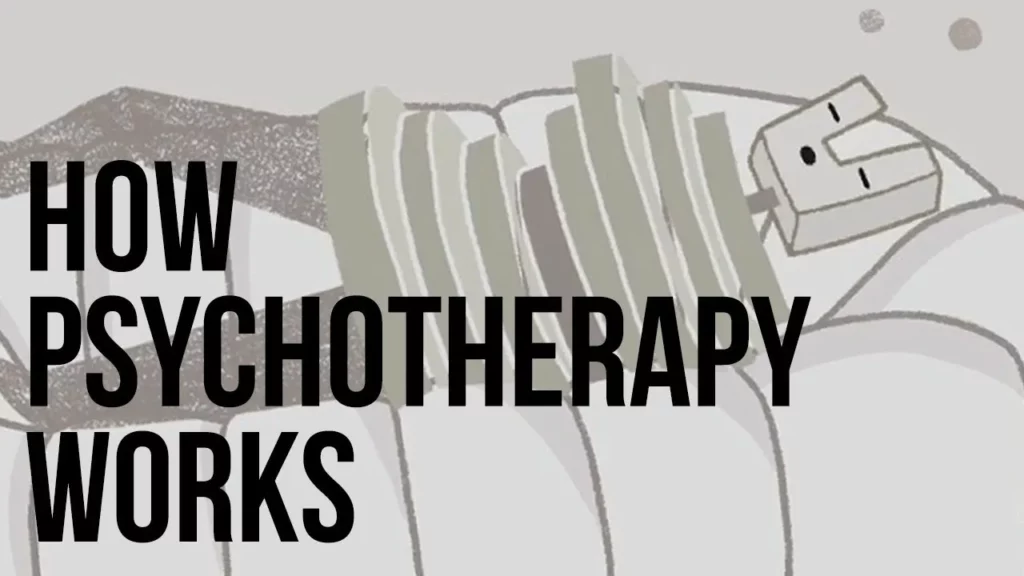
This lesson explores three primary methods of mental health support: psychiatric medication, Cognitive Behavioral Therapy (CBT), and psychotherapy. Each approach has distinct advantages and drawbacks; medication offers quick relief but may not address underlying issues, CBT provides practical skills for managing thoughts but may overlook deeper problems, and psychotherapy delves into unconscious feelings for long-term healing but requires significant time and commitment. Understanding these options can help individuals make informed decisions about their mental health care.
On Disliking Oneself
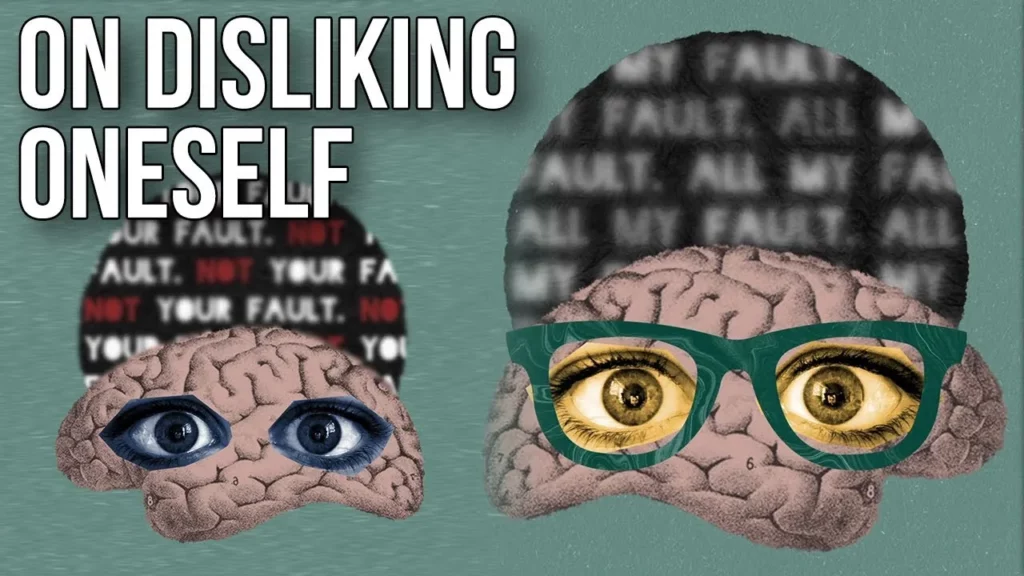
The lesson on “Understanding Emotional Well-Being: The Journey to Self-Acceptance” emphasizes the importance of recognizing and addressing self-hatred, which affects many individuals and stems from early negative experiences. It outlines the detrimental impacts of self-hatred on mental health and relationships, while providing actionable steps for healing, such as seeking support, challenging negative narratives, and practicing self-compassion. Ultimately, the lesson encourages a lifelong journey towards self-acceptance and a healthier sense of self-worth.