
A Reason Not to Worry What Others Think
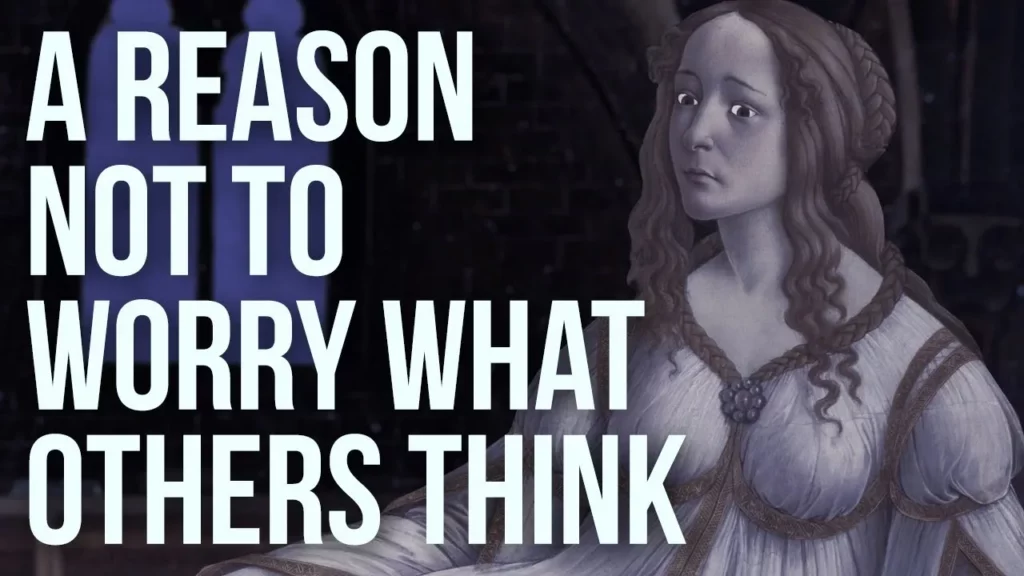
“The Landscape with the Fall of Icarus” by Pieter Bruegel the Elder serves as a poignant commentary on human indifference and the nature of personal tragedy. Through the depiction of Icarus’s unnoticed fall amidst a bustling rural scene, the painting illustrates how society often overlooks individual struggles, emphasizing that life continues regardless of personal misfortunes. Ultimately, it offers a dual perspective on indifference, suggesting that while it can be disheartening, it also provides a liberating reminder that our failures are often insignificant to others, allowing us to focus on our own paths without the burden of external judgment.
POLITICAL THEORY – Thomas Hobbes

The lesson on Thomas Hobbes explores his significant contributions to political philosophy, particularly through his influential work “Leviathan,” which argues for the necessity of strong centralized authority to maintain order and prevent societal chaos. Rooted in the tumultuous context of the English Civil War, Hobbes’s theories emphasize the importance of a social contract where individuals surrender certain freedoms for security, while also cautioning against rebellion unless one’s life is at stake. His insights into human nature and governance continue to resonate today, highlighting the ongoing struggle between liberty and order in political discourse.
On Being Out of Touch With One’s Feelings
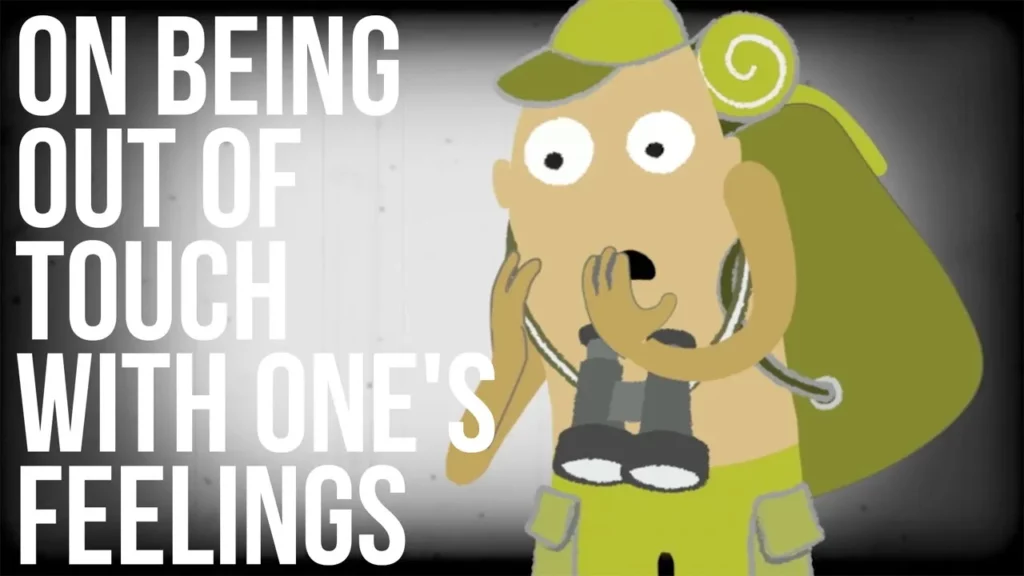
The lesson explores the disconnect between our emotions and our awareness of them, highlighting the dual nature of our minds: the Feeling Self, which experiences emotions, and the Observer Self, which recognizes and articulates them. Social conditioning often leads to the repression of certain feelings, resulting in emotional turmoil and negative consequences. By fostering emotional awareness through self-observation and literature, we can embrace our true feelings, improve our mental well-being, and enhance our relationships with others.
Who Am I?

The lesson explores the philosophical concept of personal identity, emphasizing the complexities of how we perceive ourselves amidst constant physical and mental changes throughout life. It examines various perspectives, including the role of the brain, memory, and character in defining identity, as well as John Locke’s idea of “sameness of consciousness.” Ultimately, the lesson suggests that our enduring values and ideas contribute to our identity, offering a comforting view of continuity even as our physical forms and memories fade.
How to Help Those We Love

The lesson emphasizes that while the desire to help our partners in love is genuine, effective support requires a deep understanding of their individual needs and preferences. Misalignments in how we offer help can lead to feelings of isolation and resentment, highlighting the importance of recognizing diverse ways people express and receive love. Ultimately, fostering meaningful connections in relationships involves empathy, adaptability, and a commitment to aligning our support with our partner’s unique emotional landscape.
Two Reasons People Are Immature
The lesson on “Understanding Immaturity: A Psychological Perspective” emphasizes that immaturity, often misunderstood as difficult behavior, stems from low self-worth and low trust in others, typically rooted in childhood experiences. It highlights the importance of nurturing relationships in early life for developing a positive self-image and trust, and offers strategies for overcoming immaturity through self-exploration, building supportive connections, and forming healthy relationships. Ultimately, addressing immaturity can lead to personal growth and improved interpersonal dynamics.
NIETZSCHE ON: Amor Fati
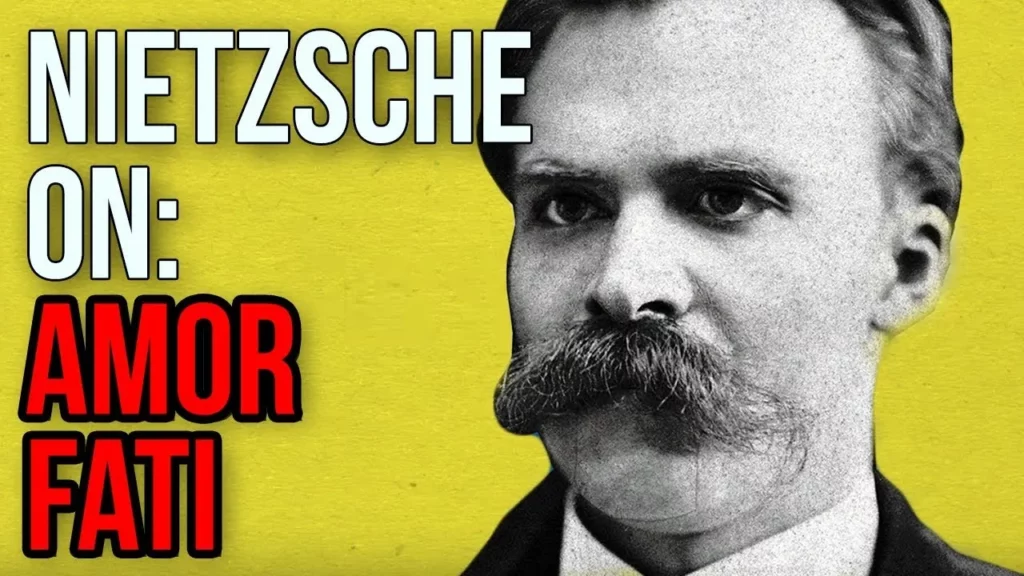
The lesson on Nietzsche’s concept of “Amor Fati,” or “love of one’s fate,” emphasizes the importance of embracing all life experiences—both positive and negative—with acceptance and gratitude. Nietzsche advocates for a proactive approach to life, encouraging individuals to see beauty in necessity and to view challenges as opportunities for growth, rather than succumbing to regret or dissatisfaction. By applying this philosophy, one can cultivate a more authentic and fulfilling life, finding peace in the present and courage to face the future.
Dating When You’ve Had a Bad Childhood

The lesson explores how childhood attachment issues can significantly impact adult dating experiences, often turning what should be a joyful pursuit into a source of anxiety and self-sabotage. It emphasizes the importance of recognizing these past traumas to break free from negative patterns and build healthier relationships, encouraging individuals to seek genuine connections rather than validation. Ultimately, understanding the roots of their fears can empower individuals to navigate dating with resilience and openness.
Taking It One Day at a Time

The lesson “Embracing the Present: The Art of Taking Life One Day at a Time” emphasizes the importance of focusing on the present rather than getting lost in distant goals and aspirations. By adopting a mindset of “one day at a time,” individuals can manage expectations, celebrate small victories, and find joy in simple pleasures, ultimately fostering gratitude and appreciation for daily achievements. The lesson draws inspiration from real-life challenges and the artistic journey of Vincent van Gogh, highlighting how embracing the present can lead to healing and fulfillment.
NEW! LEGO ‘PHILOSOPHY’ RANGE

The LEGO Philosophy series introduces a novel approach to play by encouraging deep thinking and creativity, moving away from traditional action-oriented themes. This collection features a unique philosopher figure designed to promote reflection and critical thinking, helping builders organize their thoughts and explore complex ideas. By integrating philosophy into the LEGO experience, this series aims to enhance problem-solving skills and foster a greater appreciation for human thought in a fun and engaging way.