
PHILOSOPHY – Nietzsche
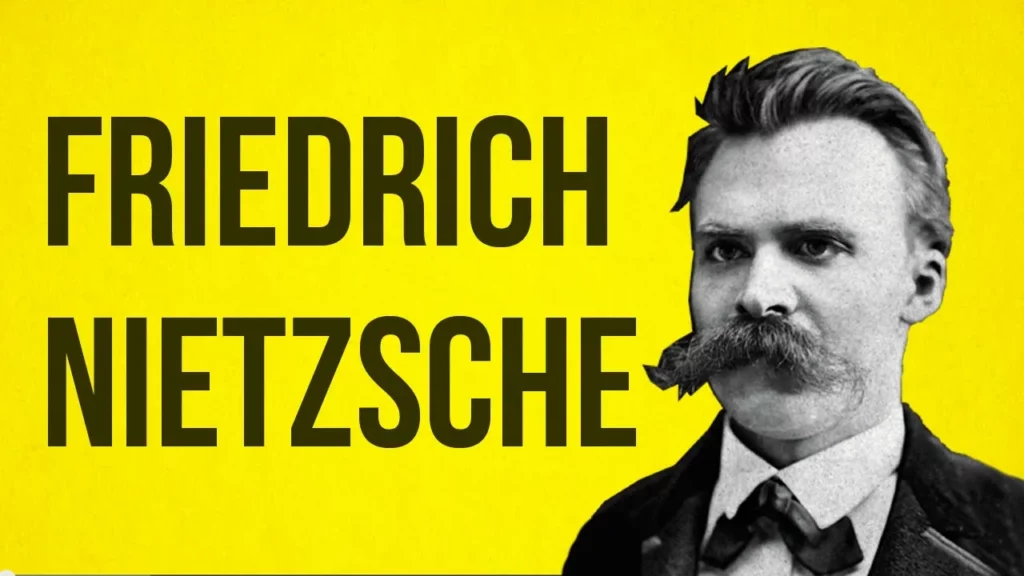
The lesson explores the life and philosophical contributions of Friedrich Nietzsche, a significant figure in modern philosophy known for his provocative ideas and concepts such as Selbstüberwindung (self-overcoming) and the critique of Christianity. Despite facing personal struggles, Nietzsche’s thoughts on envy, the rejection of traditional morality, and the assertion that “God is dead” challenge individuals to embrace life’s complexities and seek authenticity. His enduring influence continues to inspire discussions about morality, culture, and the human condition today.
POLITICAL THEORY – Niccolò Machiavelli
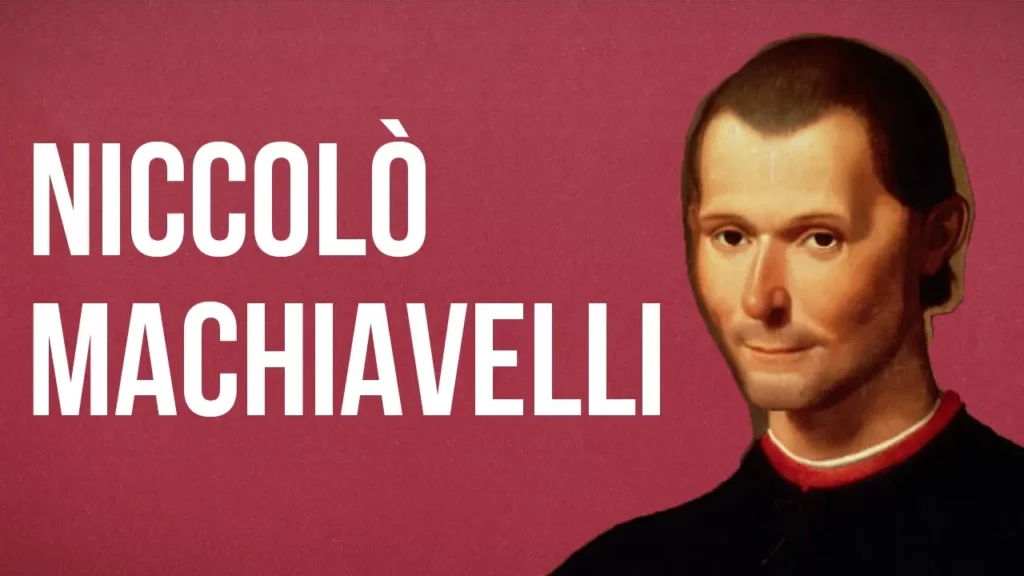
The lesson on Machiavelli explores his pragmatic approach to political power, emphasizing the necessity for leaders to sometimes prioritize effectiveness over traditional moral values. Through his works, particularly “The Prince,” Machiavelli argues that a ruler’s primary responsibility is to protect the state, which may require employing deceitful tactics and understanding the complexities of power dynamics. His insights challenge conventional views on morality in governance and highlight the ethical dilemmas faced by leaders in various spheres, making his ideas relevant even today.
PSYCHOTHERAPY – Sigmund Freud
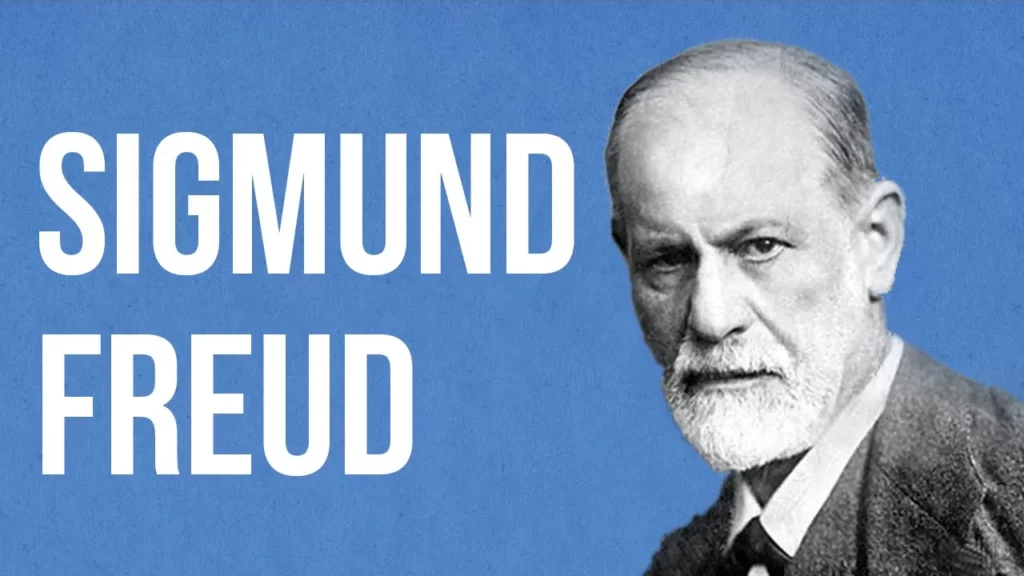
The lesson explores Sigmund Freud’s groundbreaking contributions to psychology, particularly through his development of psychoanalysis, which delves into the unconscious mind and its influence on human behavior. It highlights key concepts such as the Pleasure Principle and Reality Principle, the structure of the mind (Id, Ego, Superego), and the significance of early childhood experiences, including the Oedipus Complex. Freud’s theories, while sometimes controversial, continue to offer valuable insights into the complexities of human emotions and relationships, emphasizing the importance of self-understanding in navigating life’s challenges.
Why Successful Love Requires Vulnerability

The lesson emphasizes that vulnerability is essential for fostering deep and meaningful connections in romantic relationships, countering the common misconception that it signifies weakness. By embracing our true selves, including our fears and insecurities, we can break down barriers that hinder intimacy, allowing for a more authentic and supportive partnership. Ultimately, this mutual openness not only strengthens relationships but also promotes personal healing and growth.
ART/ARCHITECTURE – Le Corbusier
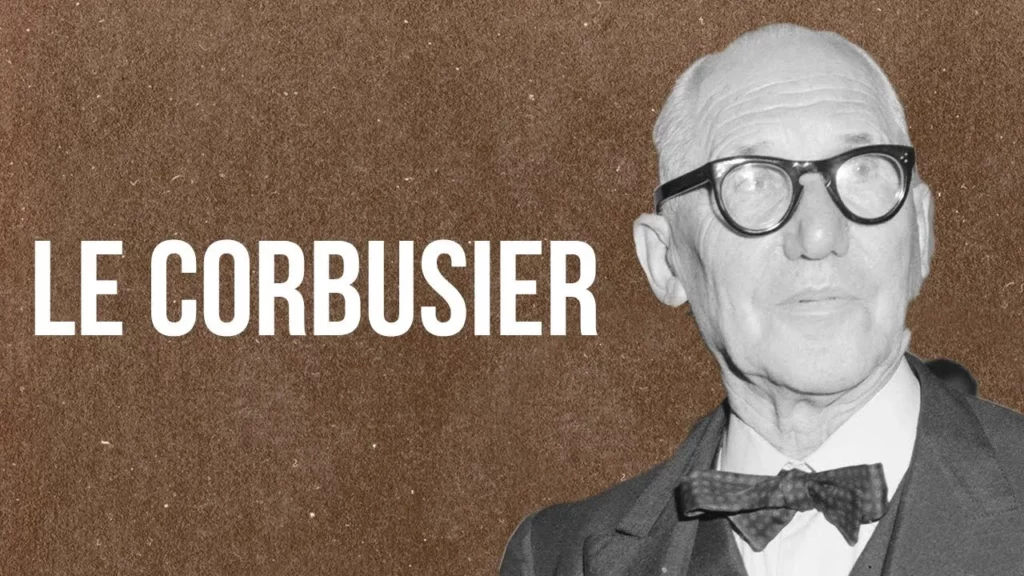
The lesson on Le Corbusier highlights his significant influence on modern architecture and urban planning, emphasizing his advocacy for functionality, simplicity, and efficiency in design. While his innovative ideas transformed architectural practices and inspired future generations, his controversial urban planning concepts reveal the complexities and social implications of his vision. Ultimately, Le Corbusier’s legacy serves as a reminder of the importance of balancing innovation with an understanding of cultural and social contexts in architectural endeavors.
PHILOSOPHY – Emil Cioran

The lesson on Emil Cioran explores the profound philosophical insights of the Romanian-French thinker, who, despite his self-deprecating humor, made significant contributions to existential thought and nihilism. Cioran’s writings reflect a deep engagement with themes of despair, the absurdity of life, and the complexities of existence, offering companionship to those grappling with their own sorrows. His legacy emphasizes the importance of embracing life’s darker aspects, revealing that even in despair, there is a shared human experience that can provide solace and understanding.
What Makes a Person Attractive?

The lesson emphasizes that sexiness extends beyond mere physical attraction, incorporating complex emotional and psychological dimensions that foster genuine desire. While biological traits may signal reproductive fitness, true allure stems from qualities like emotional closeness, humor, kindness, and a sense of nonconformity, which create deeper connections. Ultimately, redefining sexiness involves recognizing that meaningful relationships are built on emotional intimacy and understanding, highlighting the importance of nurturing one’s inner self alongside physical appearance.
What to Talk About on a Date

The lesson emphasizes the importance of engaging in deep conversations during dates to foster meaningful connections. By asking insightful questions that explore emotional and psychological depths, individuals can create a space for vulnerability and understanding, ultimately leading to a stronger bond. Great dates are characterized by genuine dialogue that allows both parties to feel valued and accepted, laying the groundwork for lasting relationships.
How A Messed Up Childhood Affects You In Adulthood

The lesson emphasizes that emotional imbalances often stem from childhood experiences, which shape our behaviors, relationships, and overall well-being. By recognizing the origins of these imbalances and engaging in self-reflection, therapy, mindfulness, and effective communication, individuals can begin to heal and lead more balanced, fulfilling lives. Ultimately, the journey towards understanding and addressing these emotional wounds fosters deeper self-awareness and healthier relationships.
Meritocracy
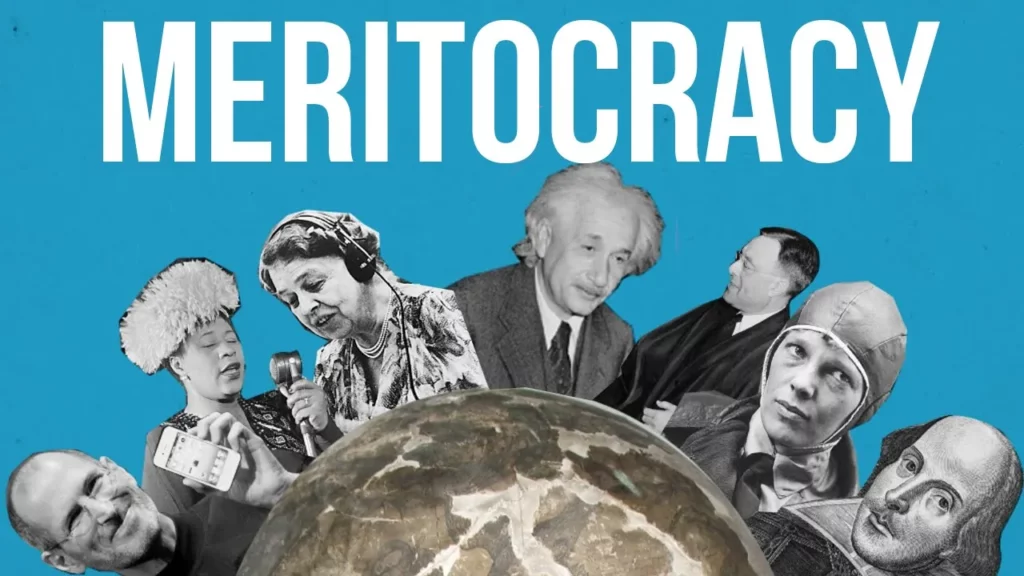
The lesson explores the complexities of meritocracy, highlighting its dual nature as both a catalyst for social progress and a potential source of inequality. While meritocracy promotes fairness by allowing individuals to succeed based on their abilities rather than their backgrounds, it can also lead to harmful perceptions of failure and personal inadequacy, fostering stigma against those who struggle. To create a more compassionate society, it is essential to acknowledge the limitations of meritocracy and the role of external factors in shaping success, promoting a balanced perspective that values individuals beyond their economic achievements.