
PHILOSOPHY – Thomas Aquinas

The lesson on Thomas Aquinas highlights his pivotal role in reconciling faith and reason, emphasizing that reason is a divine gift accessible to all, not limited to Christians. Aquinas’s framework of natural and eternal law illustrates how human intellect can understand the universe without solely relying on divine revelation, fostering a harmonious relationship between scientific inquiry and religious belief. His enduring influence encourages the integration of diverse perspectives and the pursuit of knowledge across cultural and ideological boundaries.
To Have or Not to Have Children

The lesson explores the complex decision of parenthood, highlighting that while having children is often viewed as a source of joy, it also comes with significant challenges and societal pressures. It emphasizes that all major life choices, including parenting, involve trade-offs and the inevitability of suffering, urging individuals to accept imperfections and balance expectations. Ultimately, understanding these dynamics can lead to more informed and fulfilling decisions regarding parenthood.
How to Make a Decision

The lesson emphasizes the significance of thoughtful decision-making in leading a fulfilling life, particularly in love and work. It highlights the importance of considering diverse perspectives—such as insights from adversaries, gut instincts, mortality, caution, and courage—to enhance decision-making skills. By balancing these viewpoints, individuals can navigate complexities more effectively and strive for “good enough” choices that foster personal growth and emotional intelligence.
The Problem with Over-Friendly People

The lesson explores the concept of over-friendliness in social interactions, highlighting how excessive agreement, misplaced praise, and relentless positivity can hinder genuine connections. It emphasizes the importance of embracing constructive disagreement, offering targeted praise, and cultivating empathy to foster authentic relationships. Ultimately, the lesson advocates for authenticity in social engagement, suggesting that true connections arise from being genuine rather than overly accommodating.
3 Ways to Deal with Envious Friends…

The lesson on navigating envious friendships highlights the complexities of envy within social circles, emphasizing that while envy is a natural emotion, it can pose challenges to maintaining healthy relationships. Recognizing the signs of envy, engaging in open discussions about it, and providing reassurance are key strategies for managing this dynamic. By embracing these practices, friends can foster understanding and strengthen their bonds, ensuring that envy does not undermine their connections.
Carl Jung’s Word Association Test
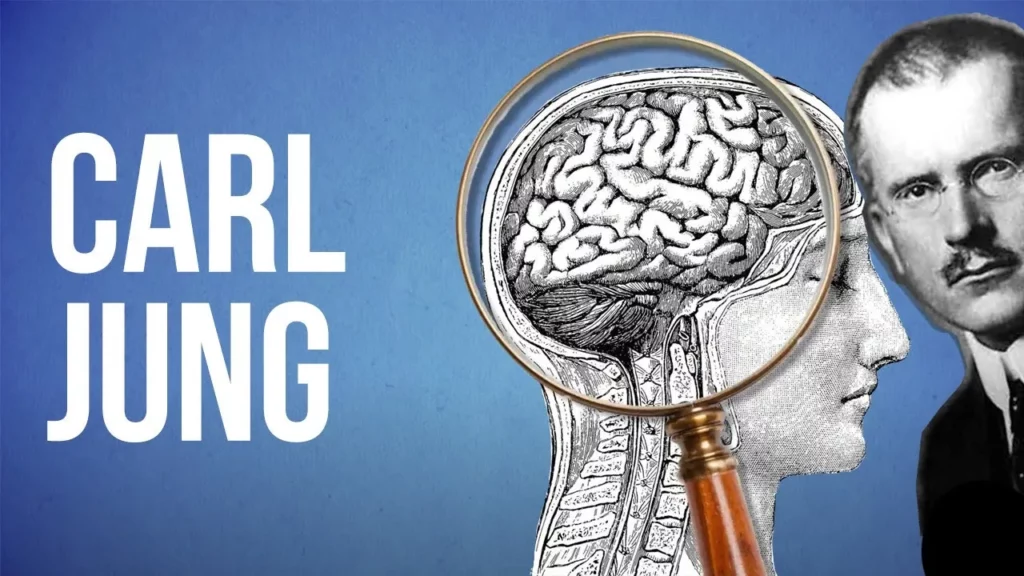
The lesson explores the groundbreaking contributions of Sigmund Freud and Carl Jung in understanding the unconscious mind during the early 20th century. Freud’s dream interpretation and Jung’s word association test revealed that much of our true selves lies hidden beneath conscious awareness, emphasizing the importance of self-exploration and therapeutic techniques in uncovering these hidden aspects. Their pioneering work continues to influence modern psychology, offering valuable tools for personal growth and self-discovery.
Why We Need to Feel Heard

The lesson emphasizes the importance of emotional validation, which involves recognizing and affirming another person’s feelings without necessarily agreeing with them. It highlights how unacknowledged emotions can negatively impact relationships, starting from childhood interactions and continuing into adulthood. By practicing emotional validation, individuals can foster deeper connections and enhance personal well-being, ultimately creating a more empathetic environment.
The Dangers of Having Too Little To Do

The lesson explores the paradox of achievement, highlighting how the pursuit of success often leads to existential dread rather than fulfillment. After reaching significant milestones, individuals may experience feelings of disorientation and doubt, as their minds shift from the satisfaction of achievement to questioning their worth and purpose. To combat this existential anxiety, the lesson emphasizes the importance of self-compassion, continuous engagement in meaningful tasks, and understanding the mind’s workings to cultivate a sense of fulfillment.
PHILOSOPHY – Epicurus

Epicurus, an ancient Greek philosopher, focused on understanding the nature of happiness, challenging common misconceptions about its sources. He emphasized the importance of friendships over romantic relationships, the value of meaningful work over wealth, and the pursuit of inner peace rather than luxury. His teachings advocate for a simple lifestyle centered around community, reflection, and personal fulfillment, offering timeless insights into achieving true happiness in a complex world.
On Feeling Stuck

The lesson explores the psychological roots of feeling stuck, emphasizing that this state often arises from internalized childhood beliefs and unspoken family rules that hinder personal growth. By recognizing and dismantling these invisible constraints, individuals can reclaim their emotional freedom and make choices that align with their true desires. Ultimately, the journey involves prioritizing one’s well-being over outdated expectations, allowing for a more authentic and fulfilling life.