
PHILOSOPHY – Sartre

The lesson explores the life and philosophical contributions of Jean-Paul Sartre, a pivotal figure in existentialism, who made complex ideas accessible and engaging. It highlights key tenets of his philosophy, such as the inherent absurdity of existence, the importance of personal freedom, the concept of “bad faith,” and a critique of capitalism, all of which encourage individuals to challenge societal norms and embrace their potential. Sartre’s enduring legacy emphasizes the transformative power of philosophy in understanding existence and inspiring social change.
Self-Esteem
The lesson on self-esteem emphasizes that self-worth is shaped more by internal and subjective factors than by external achievements or societal approval. Key influences include comparisons with same-sex parents, peer dynamics, and the type of affection received in childhood, which can significantly impact an individual’s self-esteem. Ultimately, fostering a healthy self-image involves self-reflection and understanding one’s past, rather than solely focusing on external successes.
How to Stop Getting TRIGGERED Forever

The lesson on “Understanding Psychological Triggers: A Path to Emotional Resilience” emphasizes the importance of recognizing and managing emotional triggers, which are often rooted in past experiences and can lead to disproportionate reactions in present situations. By exploring the origins of these triggers with compassion and understanding, individuals can achieve emotional maturity and resilience, allowing them to respond to challenges with confidence rather than fear. Ultimately, the journey involves transforming our emotional responses through self-awareness and love.
Why Maslow’s Hierarchy Of Needs Matters
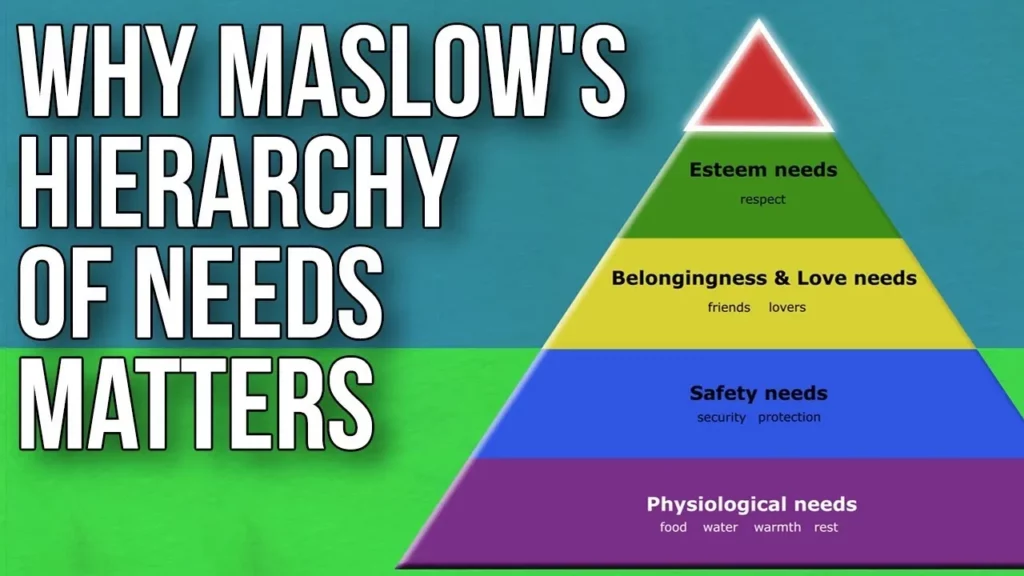
The lesson on Maslow’s Hierarchy of Needs explores the five levels of human needs, from basic physiological requirements to the pursuit of self-actualization, illustrating how these needs shape our motivations and overall well-being. It emphasizes the importance of balancing material and spiritual aspirations to lead a fulfilling life, while also encouraging individuals and businesses to consider higher psychological needs in their pursuits. Ultimately, Maslow’s model serves as a valuable tool for personal reflection and growth, guiding us toward a harmonious existence.
POLITICAL THEORY – Henry David Thoreau

The lesson on “Embracing Simplicity” draws from the life and philosophy of Henry David Thoreau, emphasizing the importance of living authentically and simply in a fast-paced world. Thoreau’s experiences at Walden Pond illustrate the value of self-reliance, minimalism, and a deep connection with nature, while his advocacy for civil disobedience highlights the moral responsibility to resist unjust laws. Ultimately, Thoreau’s teachings encourage individuals to reflect on their lives, prioritize meaningful experiences over material possessions, and engage thoughtfully with society.
What Is Your Attachment Style?

The lesson on “Understanding Attachment Styles” emphasizes the significance of recognizing one’s attachment style—secure, anxious, or avoidant—in fostering healthier relationships. Originating from John Bowlby’s attachment theory, this understanding allows individuals to navigate relationship dynamics more effectively, anticipate challenges, and promote emotional growth. By cultivating self-awareness and empathy, individuals can enhance their connections and work towards more fulfilling partnerships.
A Test to Judge How Good Your Parents Were

The lesson emphasizes the importance of understanding and applying key principles of good parenting to nurture a child’s growth and development. It highlights eight foundational principles, including empathy, emotional validation, and unconditional love, which collectively foster a supportive environment for children to thrive. By embracing these principles, parents can significantly influence their child’s emotional well-being and social skills, ultimately guiding them toward becoming well-adjusted adults.
The Problem of Shame

The lesson on “Understanding and Overcoming the Sickness of Shame” highlights the profound impact shame has on individuals, distinguishing it from guilt by emphasizing that shame relates to one’s sense of self-worth rather than specific actions. It explores the origins of shame, often rooted in negative childhood experiences, and outlines pathways to healing, such as embracing imperfection and cultivating self-compassion, which are essential for reclaiming self-worth and improving overall well-being.
How to Keep a Relationship Going

The lesson emphasizes the importance of understanding the signs of fragility and strength in relationships to foster longevity and resilience. It highlights that conflict is a natural part of love, and couples should embrace it as an opportunity for growth, while also recognizing and addressing underlying issues, shame, and communication challenges. By developing emotional resilience and constructive complaint skills, couples can enhance their connections and work towards a more fulfilling partnership.
Do We Have Free Will or Are We Predetermined?

The lesson explores the philosophical debate between free will and determinism, highlighting its historical roots and personal relevance. It emphasizes the complexity of this debate, suggesting that individuals should reflect on their own experiences rather than seeking a universal answer. By adopting a Stoic perspective, the lesson advocates for a balanced approach that combines acceptance of external limitations with the use of reason to navigate life’s challenges, ultimately leading to greater serenity and emotional intelligence.