
None of us can escape catastrophe

The lesson emphasizes the importance of embracing life’s unpredictability, as our idealized life scripts often clash with reality. It highlights that unexpected events, such as loss, career setbacks, and health crises, are inevitable parts of the human experience. By accepting these uncertainties and cultivating resilience, we can better navigate challenges, cherish the present, and gain a deeper understanding of life.
The Need to Be Honest at the Start of Relationships

The lesson emphasizes the importance of authenticity in relationships, warning against the tendency to please others by misrepresenting oneself. It highlights that while trying to be an “easy match” may initially seem successful, it often leads to disillusionment and unhappiness as true selves are revealed over time. By embracing our complexities and being honest from the beginning, we can foster deeper connections and build more fulfilling relationships.
What is Art for?

The lesson explores the multifaceted purposes of art, emphasizing its significance beyond mere aesthetic appeal. Art serves as a symbol of hope, a mirror reflecting human emotions, a tool for achieving balance, and a means of redefining beauty in the ordinary. Ultimately, it advocates for embracing art as a vital source of support and encouragement in personal and societal growth.
The Body Keeps the Score
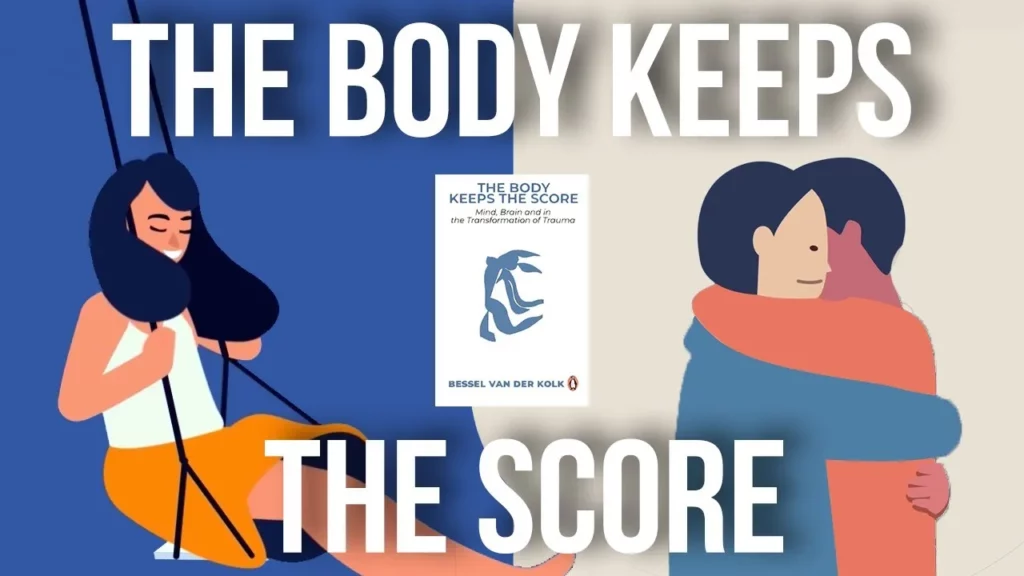
“The Body Keeps the Score” by Bessel van der Kolk presents a revolutionary understanding of emotional healing, emphasizing the profound connection between the mind and body. The book advocates for a holistic approach to therapy that incorporates physical activities and sensory integration to address the physical manifestations of psychological trauma, ultimately fostering a deeper sense of trust and connection within oneself. By recognizing the body’s role in emotional suffering, individuals can embark on a transformative journey towards healing and wellness.
5 Ways to Spot Emotional Immaturity
The lesson introduces a new YouTube channel membership that offers exclusive benefits such as monthly discount codes, custom wallpapers, and the ability to vote on future video topics, encouraging viewers to join the community. It also explores the concept of emotional maturity, highlighting key indicators of emotional immaturity, such as an inability to spend time alone, vague childhood memories, avoidance of deep conversations, and a tendency to dismiss emotional discussions. By recognizing these signs, individuals can navigate their relationships more effectively and prioritize connections with those who demonstrate emotional growth and self-awareness.
Freud’s Oedipus Complex Can IMPROVE Your Sex Life

The lesson on the Oedipus complex explores Sigmund Freud’s theory that children experience unconscious desires for their opposite-sex parent and rivalry with their same-sex parent during early development. It emphasizes the metaphorical interpretation of the complex, highlighting how childhood experiences and parental responses shape adult attitudes towards attraction and intimacy. By understanding these dynamics, individuals can gain insights into their sexual health and work towards healthier relationships.
The Secrets of EMDR Therapy and How It Can Help You
The lesson explores the evolution of psychotherapy, highlighting its significance in addressing mental wellness through the processing of unresolved past experiences. It traces the journey from Sigmund Freud’s foundational psychoanalytic techniques, such as free association and the use of the couch, to Francine Shapiro’s development of Eye Movement Desensitization and Reprocessing (EMDR) therapy, which encourages patients to vividly relive traumatic memories for healing. Ultimately, the lesson emphasizes how these therapeutic approaches facilitate emotional liberation and a deeper understanding of oneself, paving the way for a more fulfilling life.
Are You Stuck Playing These 3 Roles in Love?

The lesson on Transactional Analysis (TA) explores the three fundamental personality states within us: the Child, the Parent, and the Adult. Understanding these states enhances self-awareness and improves relationships by allowing individuals to navigate between them flexibly, fostering personal growth and healthier interactions. By recognizing and addressing the reasons for becoming stuck in a particular state, individuals can engage in self-exploration and open communication to achieve emotional balance and maturity.
How to Soothe Ourselves and Others
The lesson emphasizes the critical role of soothing in early development, illustrating how responsive caregiving helps infants feel secure and lays the groundwork for their ability to self-soothe later in life. It highlights the challenges faced by individuals who lacked nurturing in childhood, leading to difficulties in emotional regulation and interpersonal relationships. Ultimately, the lesson advocates for recognizing the importance of soothing, both in giving and receiving, as a vital component of emotional well-being and resilience.
The High Price We Pay for Our Fear of Loneliness
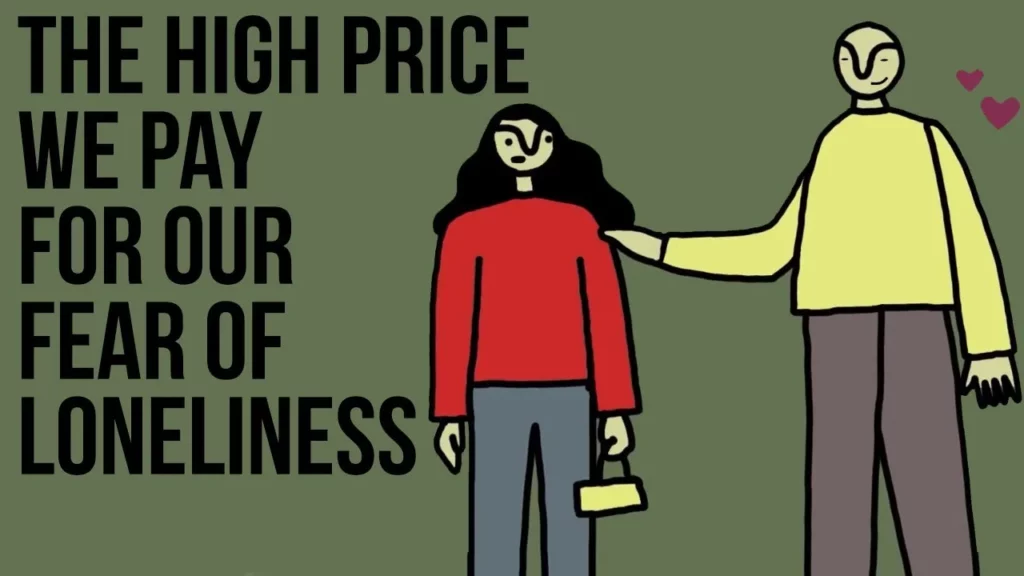
The lesson on “Understanding the Fear of Being Alone” explores the common fear of loneliness and its detrimental effects on relationships, personal growth, and self-discovery. It emphasizes that this fear can lead to poor relationship choices, dependency on others, and a mediocre existence, while also highlighting the importance of embracing solitude as a means for self-reflection and personal development. By cultivating self-confidence, pursuing hobbies, and setting personal goals, individuals can overcome their fear of being alone and unlock their potential for a more fulfilling life.