
The Problem With Being Too Logical in Love
The lesson emphasizes the intricate relationship between logic and emotion in partnerships, highlighting that while logical reasoning is valuable, it often falls short in providing the emotional support needed during challenging times. When individuals express fears or anxieties, they typically seek empathy rather than rational solutions, as emotional concerns are deeply rooted and complex. To foster genuine understanding and connection, partners should strive to acknowledge and engage with each other’s emotional experiences, balancing logic with empathetic intelligence.
How To Stop Feeling Scared All The Time
The lesson on “Understanding Anxiety: A Journey from Fear to Calm” explores the nature of anxiety, highlighting how it can manifest as a constant state of fear that blurs the line between real and imagined threats. It discusses the origins of anxiety, often rooted in past traumatic experiences, and offers practical strategies for management, such as developing a skeptical mindset, practicing mindfulness, and seeking professional support. Ultimately, the lesson emphasizes that managing anxiety involves understanding its origins and learning to coexist with it rather than eliminating it entirely.
Overcoming Bad Inner Voices
The lesson on “Overcoming Negative Inner Voices: A Guide to Self-Compassion” emphasizes the importance of recognizing and transforming harmful inner dialogues that can undermine self-worth and confidence. It explores how these negative voices often originate from external influences during childhood and highlights the need to replace them with positive, supportive thoughts through exposure to nurturing influences. Ultimately, the lesson advocates for curating our inner voices to foster a compassionate and resilient mindset, enabling personal growth and emotional well-being.
How To Cope When Mental Illness Shuts Down Our Minds
The lesson emphasizes the profound impact of mental illness on cognitive processes, illustrating how it can distort thinking and lead to negative self-perception. It highlights the importance of awareness regarding these distortions and offers practical strategies for managing them, such as seeking support, recognizing triggers, and prioritizing rest. Ultimately, the lesson encourages individuals to acknowledge their vulnerabilities and take proactive steps to protect their mental health.
How the Modern World Makes Us Mentally Ill

The lesson “Navigating Modernity: Understanding the Psychological Challenges of Contemporary Life” examines how modern conveniences come with psychological burdens, such as anxiety and depression, stemming from factors like meritocracy, individualism, and media influence. It suggests remedies for these challenges, including fostering compassion for failure, appreciating ordinary life, engaging with transcendent experiences, and promoting realistic relationships. Ultimately, the lesson emphasizes the importance of embracing imperfection and community to cultivate mental well-being in a complex world.
How to Be More Straightforward

The lesson explores the dynamics of human interactions, highlighting the differences between straightforward and complicated individuals. Straightforward people communicate clearly and honestly, fostering trust and minimizing misunderstandings, while complicated individuals often struggle with ambiguity and indirect communication due to fears rooted in past experiences. By understanding these traits and encouraging open communication, individuals can enhance their relationships and create more fulfilling connections.
What is Pure OCD?
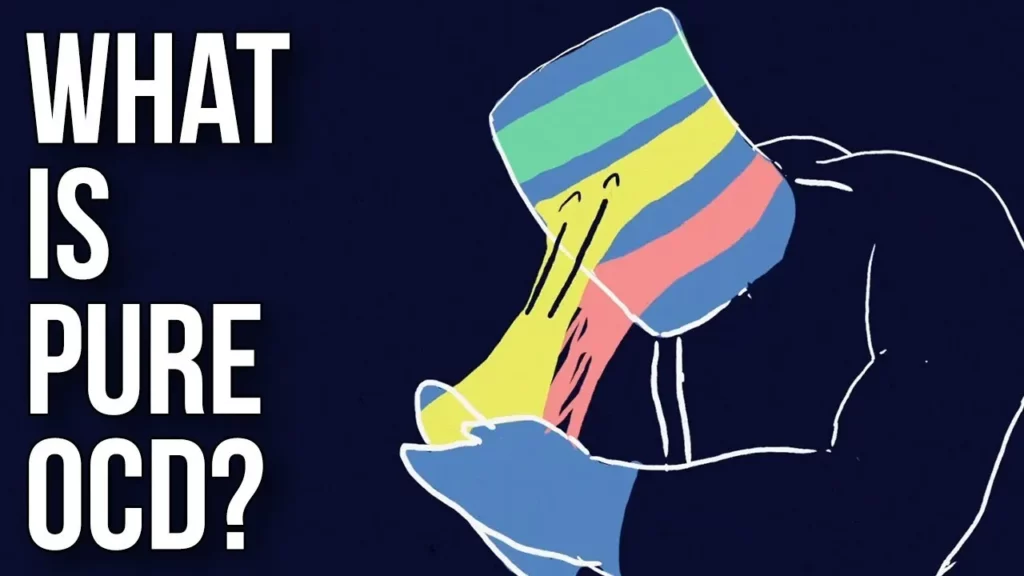
The lesson on Pure Obsessive-Compulsive Disorder (Pure OCD) highlights the condition’s unique characteristics, primarily involving distressing intrusive thoughts rather than physical compulsions. It emphasizes the significant psychological impact on individuals, who often struggle with feelings of shame and self-loathing, and outlines various treatment approaches, including psychiatric interventions, Cognitive Behavioral Therapy (CBT), and psychotherapeutic methods aimed at improving self-esteem. Ultimately, the lesson underscores the importance of self-compassion and acceptance in the healing process for those affected by Pure OCD.
The Purpose of Friendship
The lesson emphasizes the importance of understanding the purpose of friendship in order to cultivate deeper and more meaningful connections. It identifies four key purposes of friendship—networking, reassurance, fun, and clarifying our minds—and encourages individuals to evaluate their social circles to ensure their relationships align with their needs and aspirations. By approaching friendships with intention, we can enhance our lives and foster more fulfilling relationships.
A Guide For the Recovering Avoidant
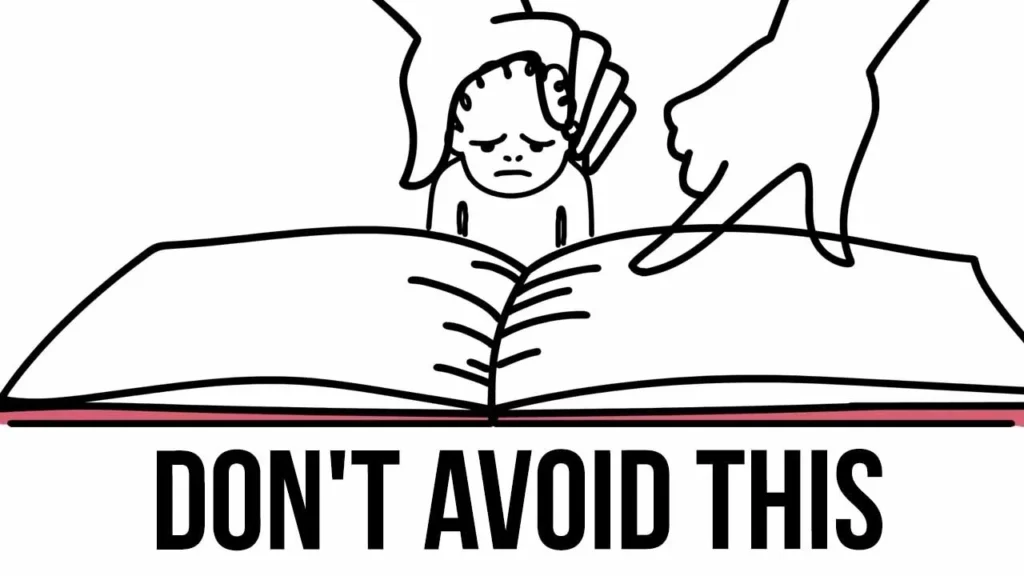
The lesson on “Understanding Avoidant Attachment in Relationships” explores how avoidant attachment, often rooted in early childhood experiences, leads individuals to struggle with intimacy and closeness in relationships. It highlights the importance of self-awareness and open communication for those with avoidant tendencies, encouraging them to recognize their patterns, seek support, and work towards healthier connections. By addressing these behaviors, individuals can move towards more fulfilling and meaningful relationships.
How to Overcome Trauma
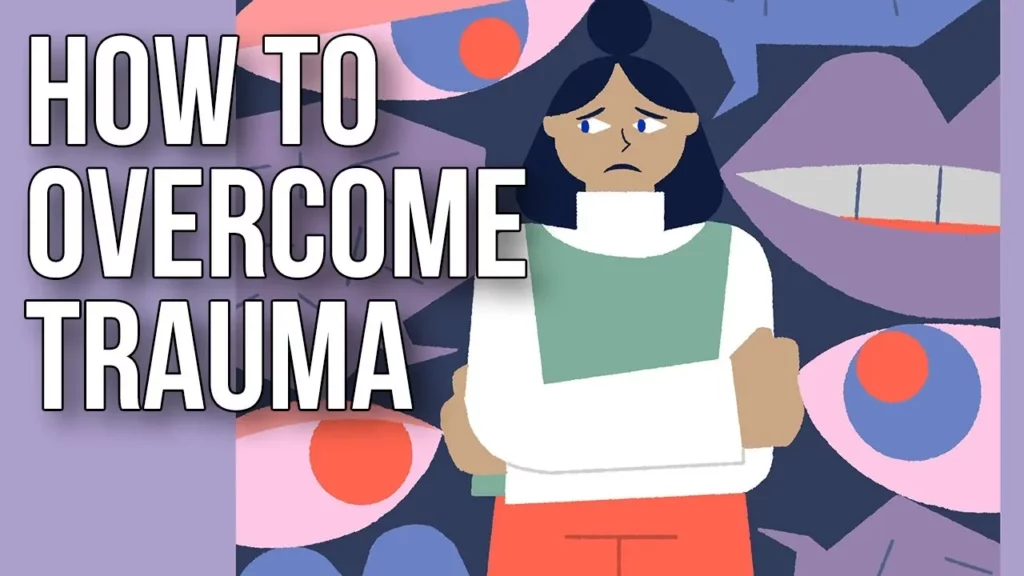
The lesson on “Understanding Psychological Trauma” explores the complex nature of trauma, particularly its origins in childhood and its profound effects on mental health. It highlights how trauma can distort an individual’s perception of reality and manifest through symptoms such as fear and low self-worth. The article emphasizes the importance of self-reflection, therapeutic support, and resilience-building as essential pathways to healing and recovery from trauma.