
HISTORY OF IDEAS – Loneliness
The lesson explores the evolution of meal times from communal gatherings to solitary dining, highlighting how technological advancements and cultural shifts have influenced this change. It discusses the decline of family meals, the impact of TV dinners, and the societal perception of solitude, emphasizing that being alone is often viewed negatively despite its historical and philosophical significance. Ultimately, the lesson advocates for a reevaluation of solitude as a positive choice, encouraging individuals to embrace solitary dining as an opportunity for introspection and personal growth.
The 7 Things You Can Do to Make a Relationship Work

The lesson emphasizes that love in relationships is not a passive gift but an active emotion that requires intentional actions to flourish. By focusing on essential practices such as active listening, supporting your partner, appreciating them in their love language, and maintaining open communication about flaws, individuals can foster enduring love. Ultimately, a commitment to understanding and meeting each other’s emotional needs is crucial for sustaining a healthy and lasting relationship.
I Feel So Lonely!
This lesson emphasizes the significance of love by first examining the experience of loneliness, which many people face but often avoid discussing. It highlights that understanding loneliness can deepen our appreciation for love, as love provides acceptance, understanding, and a sense of belonging, ultimately transforming one’s self-worth and confidence. By recognizing the painful aspects of loneliness, we can better value the nurturing and transformative power of love in our lives.
What Do Cynical People Really Want?
The lesson explores the complex nature of cynicism, revealing it as a defense mechanism rooted in emotional pain and past trauma rather than a purely rational worldview. Cynics often mask their vulnerability with skepticism to protect themselves from disappointment, and addressing their cynicism requires empathy and kindness rather than confrontation. By understanding the emotional underpinnings of cynicism, we can foster a supportive environment that encourages healing and the rekindling of hope.
How to Tell If You Have Been Gaslit
The lesson emphasizes the importance of recognizing and protecting oneself from master manipulators who disguise their harmful intentions behind a friendly facade. It highlights the psychological tactics they use, such as gaslighting, to instill self-doubt and confusion in their victims, particularly in intimate relationships. By understanding these manipulative behaviors and trusting our instincts, we can safeguard our emotional well-being and foster healthier relationships.
Why Socrates Hated Democracy
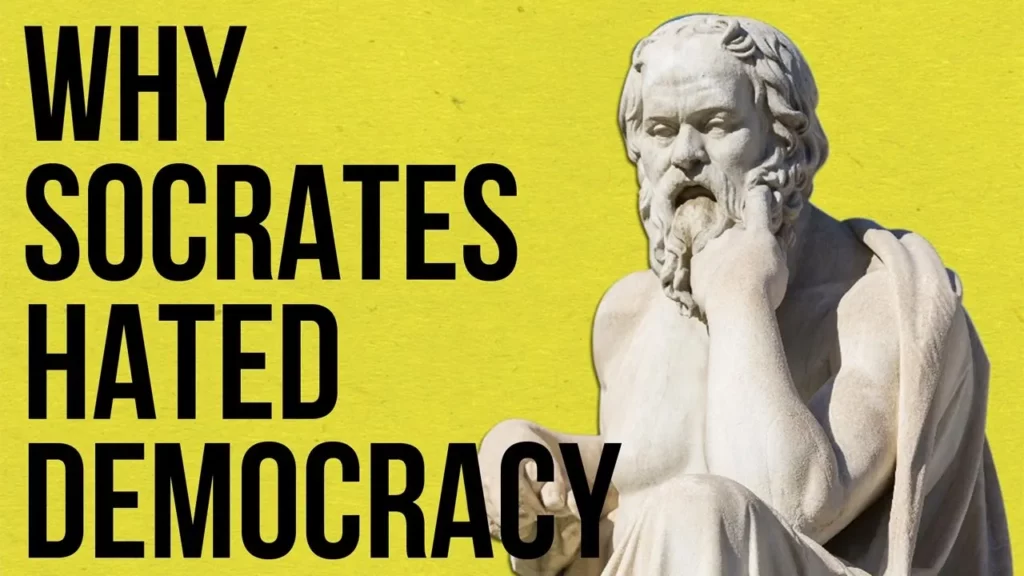
The lesson explores the paradox of democracy through the insights of Socrates, who critiqued the Athenian democratic system for allowing uneducated citizens to vote, likening it to entrusting a ship to untrained hands. He emphasized the importance of education and critical thinking in a functioning democracy, warning against the dangers of demagoguery and the allure of charismatic leaders who offer simple solutions over complex truths. Ultimately, the lesson underscores that the effectiveness of democracy hinges on the wisdom and informed participation of its citizens.
How to Make People Feel Good About Themselves
The lesson emphasizes that sharing our problems with others can strengthen relationships by fulfilling their innate desire to feel needed and helpful. Contrary to the belief that we should avoid burdening loved ones, being vulnerable and open about our struggles fosters deeper connections and mutual support. By embracing this vulnerability, we not only enrich our relationships but also enhance our sense of purpose and belonging.
The Importance of Vulnerability
The lesson emphasizes that vulnerability, often perceived as a weakness, is actually a source of strength that fosters deeper connections and authentic living. By embracing our imperfections and sharing our true selves, we create opportunities for genuine relationships and mutual support, ultimately reinforcing our shared humanity. The article advocates for the importance of revealing our vulnerabilities as a means to combat isolation and cultivate meaningful friendships.
Why Relationships Require Self-Love
The lesson explores the concept of self-hatred as a unique human flaw that can hinder our ability to accept love from others and damage our relationships. It emphasizes the importance of developing self-affection to foster healthier connections and break the cycle of rejection that often accompanies self-loathing. By extending compassion to ourselves and redefining self-love as a realistic acceptance of our imperfections, we can cultivate a more fulfilling life and embrace the kindness we deserve.
Why You Are Not a Loser

The lesson emphasizes that life should not be viewed as a simple competition with clear winners and losers, but rather as a series of diverse “races,” each presenting unique challenges and rewards. It highlights the importance of emotional resilience, kindness, and appreciation of life’s simple pleasures, suggesting that success can be redefined beyond traditional measures like money and fame. Ultimately, the lesson encourages individuals to focus on personal growth and fulfillment in the areas that resonate with their values, recognizing that true success encompasses a broader spectrum of experiences.