
Why Germans Can Say Things No One Else Can

The lesson highlights the unique power of the German language to create compound words that encapsulate complex emotions and experiences in a single term. By exploring various examples, such as “Erklärungsnot” (the distress of explanation) and “Schadenfreude” (joy in others’ misfortune), the lesson emphasizes how these words provide cultural insights and enhance our understanding of human emotions. Ultimately, it illustrates the profound connection between language and the human experience, enriching our appreciation for diverse expressions of life.
Why Truly Sociable People Hate Parties

The lesson “Rethinking Sociability: Beyond the Party Scene” challenges the conventional view that sociability is synonymous with parties and light-hearted gatherings. It emphasizes that true connections are formed through vulnerability and the sharing of personal struggles, rather than superficial interactions. By redefining the role of hosts and creating environments conducive to authentic exchanges, we can foster deeper human connections that fulfill our genuine social needs.
How to Deal with Negative Emotions: Daily Proven Techniques
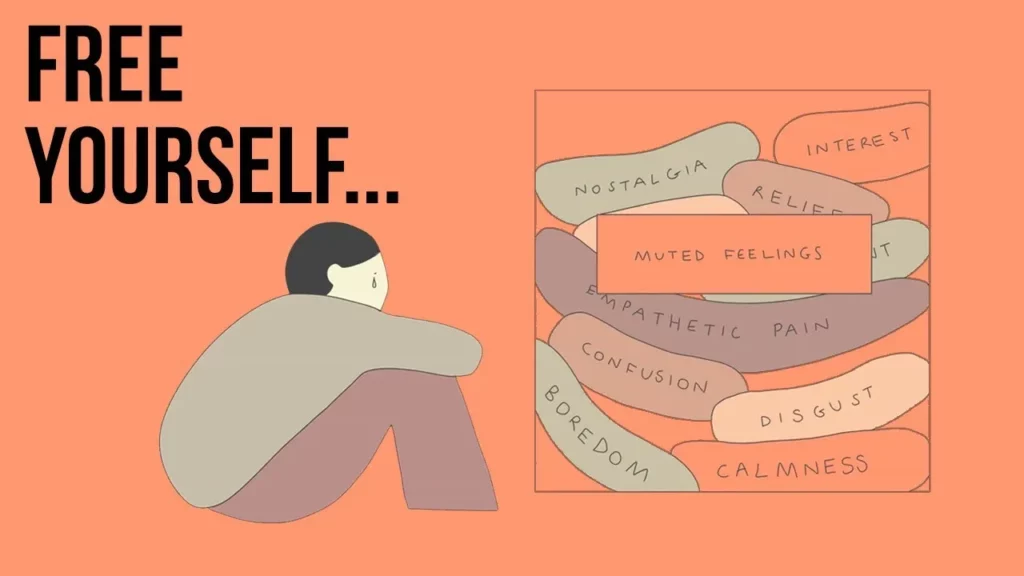
The lesson emphasizes the importance of recognizing and understanding hidden emotions, which often go unnoticed in our daily lives. By engaging in practices like reflective inquiry and body awareness, we can uncover these emotions and prevent potential psychological issues such as anxiety and depression. Prioritizing emotional awareness not only enhances mental health but also contributes to a more balanced and fulfilling life.
How to Find Out What You Really Really Think and Why…
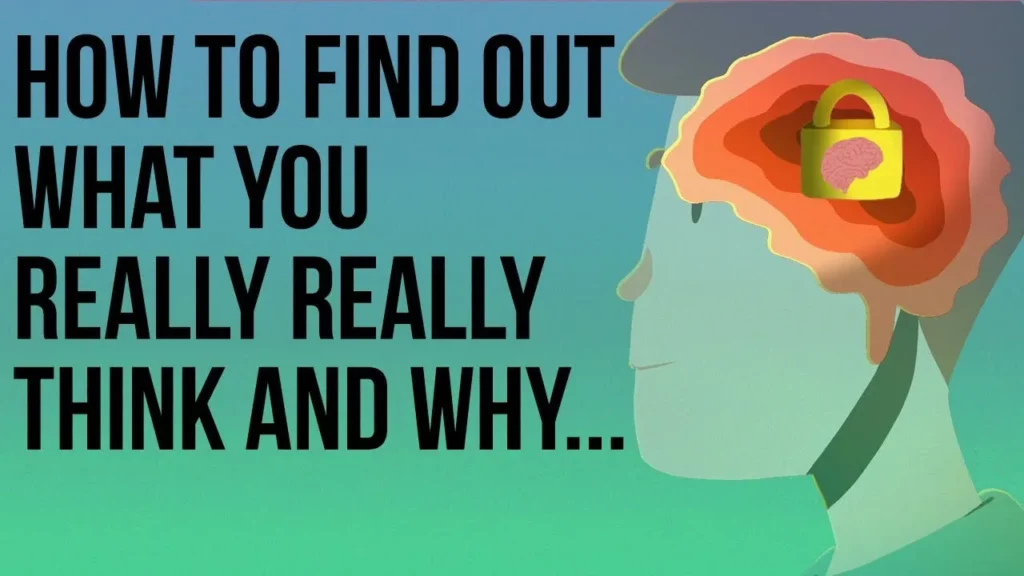
The lesson “Unlocking the Depths of Our True Feelings” emphasizes the importance of introspection in understanding our genuine emotions, which are often obscured by surface-level perceptions and societal pressures. It outlines practical steps for accessing these deeper feelings, such as identifying concerns, asking open-ended questions, and listening to our inner voice. Ultimately, the lesson encourages individuals to embrace self-discovery as a means to align with their authentic selves and make more meaningful life choices.
Why Do Bad Things Keep Happening to Me?
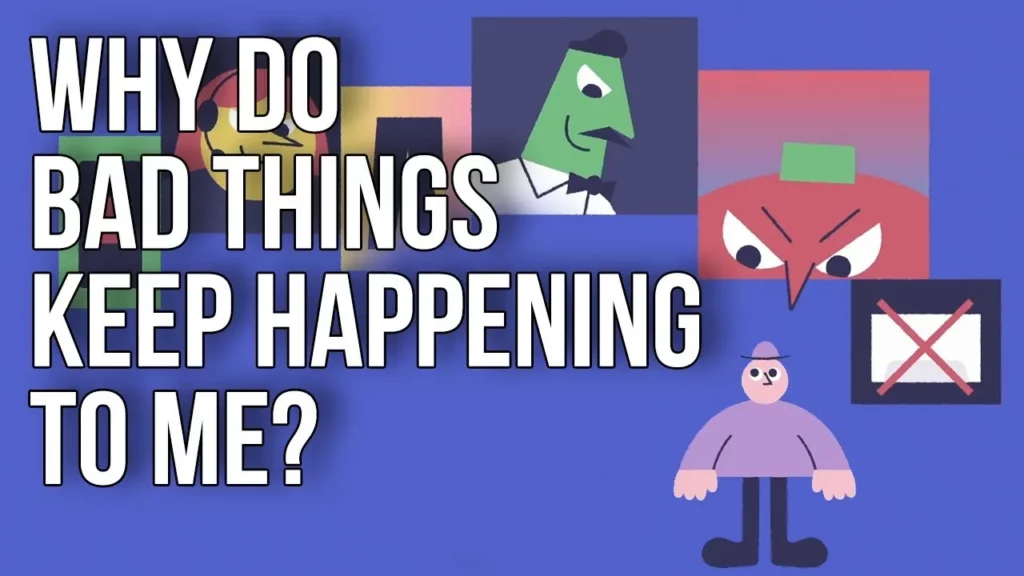
The lesson explores how everyday annoyances can be perceived as intentional conspiracies against us, stemming from feelings of paranoia and self-hatred. It emphasizes that these perceptions often arise from deeper issues related to self-esteem and past experiences, suggesting that cultivating self-compassion and utilizing strategies like mindfulness and cognitive behavioral therapy can help individuals reframe their thoughts. Ultimately, recognizing that life’s mishaps are random rather than personal attacks can lead to a more peaceful and fulfilling existence.
A West African Philosophy of Calm
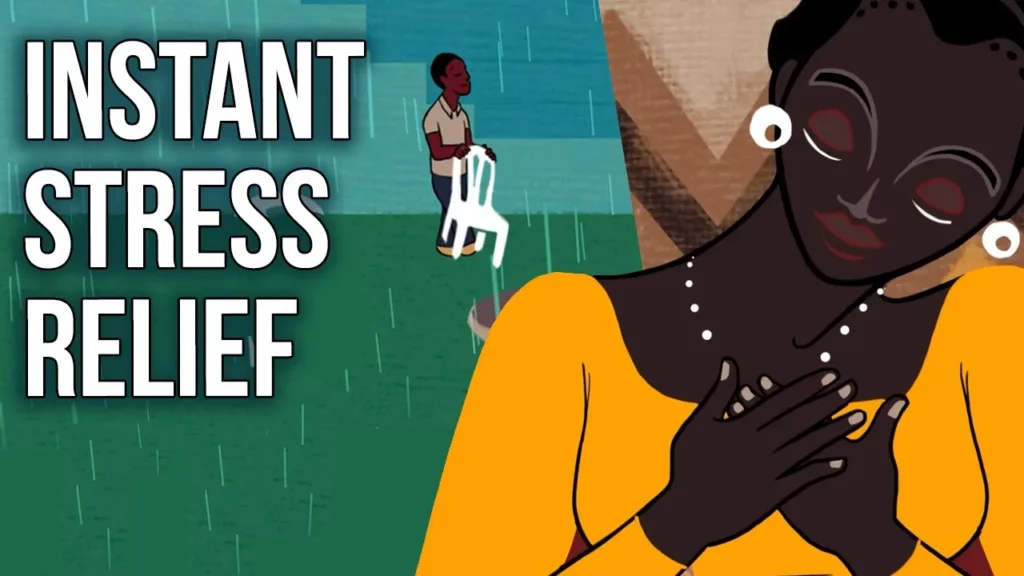
The Yoruba philosophy of “itutu” emphasizes the importance of calmness, composure, and acceptance in navigating life’s uncertainties. Itutu is not an innate trait but a cultivated quality that encourages individuals to embrace challenges with serenity, recognizing the limits of personal control and aligning with the natural order of existence. By practicing mindfulness and self-reflection, one can develop itutu, leading to a more balanced life and enhancing both personal well-being and social attractiveness.
How to be a Friend to Yourself
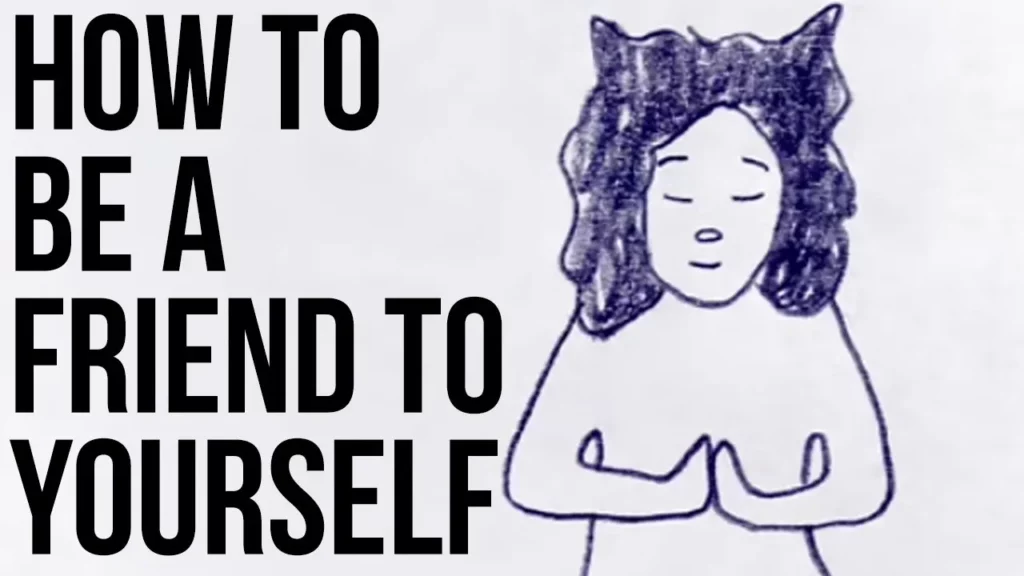
The lesson emphasizes the importance of self-friendship, encouraging individuals to treat themselves with the same kindness and support they offer to others. By practicing self-acceptance, acknowledging personal strengths, embracing imperfections, and utilizing friendship skills like positive self-talk and seeking support, one can cultivate a healthier relationship with themselves. Ultimately, being a better friend to yourself is essential for overall well-being and personal growth.
Managing your Mood: Tips for Staying Present | The School of Life

The lesson emphasizes the fluidity of our emotions, likening them to the ever-changing weather, and highlights the importance of embracing change in our lives. It encourages a flexible mindset towards our beliefs and feelings, reminding us that our moods are influenced by external factors and are not permanent. By cultivating self-awareness and compassion, we can navigate emotional challenges with resilience and humor.
Sexual Rejection

The lesson highlights the transformative journey of Johnny and Rachel, a couple grappling with significant relationship challenges, and how therapy facilitated their emotional growth. Through therapy, Johnny learned to articulate his feelings, uncovering the roots of his anger and inadequacy, which ultimately improved communication and understanding between him and Rachel. Their experience underscores the importance of seeking help to navigate relationship struggles, emphasizing that open communication and emotional exploration can lead to healing and deeper connections.
How To Be An Interesting Person

The lesson emphasizes that becoming more interesting is rooted in embracing and sharing our unique selves rather than solely seeking external experiences or accolades. By engaging in self-reflection and tapping into our authentic thoughts and feelings, we can uncover captivating narratives that resonate with others. Ultimately, everyone has the potential to be interesting by valuing their individuality and expressing their genuine perspectives.