
Not Liking One’s Looks

The lesson “Embracing Our Appearance: A Journey Towards Self-Acceptance” explores the complex relationship between self-image and societal beauty standards, emphasizing that true beauty is subjective and personal. It encourages individuals to recognize the randomness of beauty, appreciate diverse appearances, and shift their focus from conventional standards to the unique qualities in themselves and others. Ultimately, the lesson advocates for a compassionate and inclusive perspective on attractiveness, fostering self-acceptance and a deeper appreciation for the beauty that exists in the world around us.
The Sanity of ‘Madness’

The lesson emphasizes the importance of acknowledging mental breakdowns as a natural and healthy part of life in our fast-paced society, where overwhelming expectations often lead to stress and burnout. It advocates for a shift in perspective, viewing these breakdowns not as failures but as opportunities for self-discovery and growth, encouraging individuals to cultivate a compassionate understanding of mental health. By embracing moments of chaos and fostering a supportive environment, we can enhance our emotional well-being and navigate life’s challenges with greater resilience.
EASTERN PHILOSOPHY – Kintsugi

The lesson on Kintsugi teaches us to embrace imperfection by highlighting the beauty found in our flaws and scars, much like the Japanese art of repairing broken pottery with gold. Rooted in the philosophy of Wabi-Sabi, it encourages acceptance of our vulnerabilities, resilience in the face of challenges, and compassion for others. Ultimately, Kintsugi serves as a reminder that our broken pieces can be transformed into something magnificent, enriching our understanding of life’s complexities.
The Key Ideas of Hinduism

The lesson on “Understanding the Life Stages in Hinduism” emphasizes the flexible and context-driven approach of Hinduism to life’s meaning through the concept of *ashramas*, which divides human experience into four distinct stages: *brahmacharya* (student phase), *grihastha* (householder stage), *vanaprastha* (forest dweller), and *sanyasa* (renounced life). Each stage carries its own responsibilities and expectations, allowing individuals to navigate their personal development and spiritual pursuits in alignment with their current circumstances. This nuanced framework encourages a balanced life where both practical engagement and spiritual striving are valued, reflecting the dynamic nature of life’s journey.
The Upsides of Having a Mental Breakdown
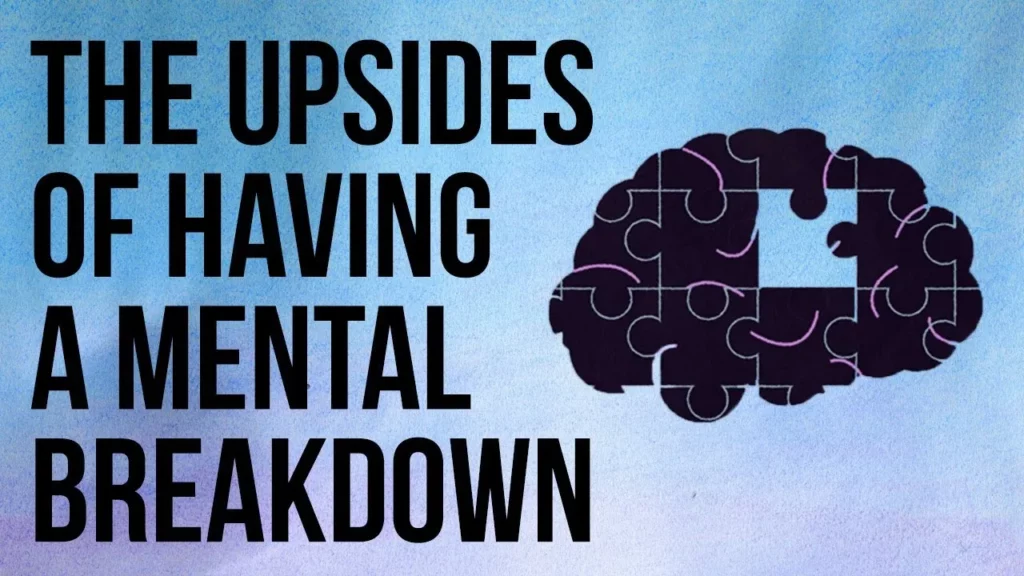
The lesson on “Understanding Psychological Breakdowns” emphasizes that these distressing events often signify deeper internal struggles rather than mere psychological disorders. Psychological breakdowns can arise from conflicting expectations, known as “perverse injunctions,” which create significant emotional turmoil. Ultimately, these breakdowns can serve as catalysts for self-discovery and healing, prompting individuals to confront hidden truths and engage in meaningful self-exploration.
Love And Self-Love
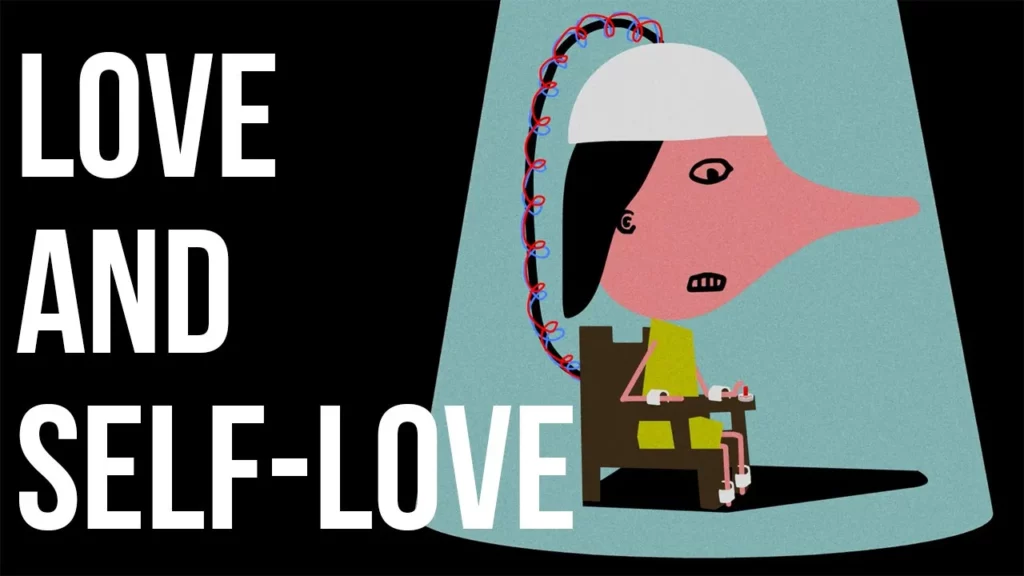
The lesson explores the intricate dynamics between self-love and romantic relationships, highlighting how our self-perception influences our ability to accept love from others. It emphasizes that idealization of partners can lead to feelings of inadequacy when love becomes mutual, particularly for those with low self-esteem. By fostering self-love through self-reflection, compassion, and open communication, individuals can enhance their relationships and embrace love more fully, ultimately leading to deeper connections.
How to Get Over Someone

The lesson explores the theme of unrequited love and its psychological implications, particularly focusing on romantic fixation, which is an intense attachment to someone who does not reciprocate feelings. It discusses the emotional challenges and dangers of such fixation, including the idealization of the past and fear of vulnerability, while offering strategies for moving beyond these feelings to foster healthier relationships. Ultimately, the lesson emphasizes that true romance is found in mutual connections rather than in longing for the unattainable.
How to Get in Touch With Your Feelings… and Why It Matters
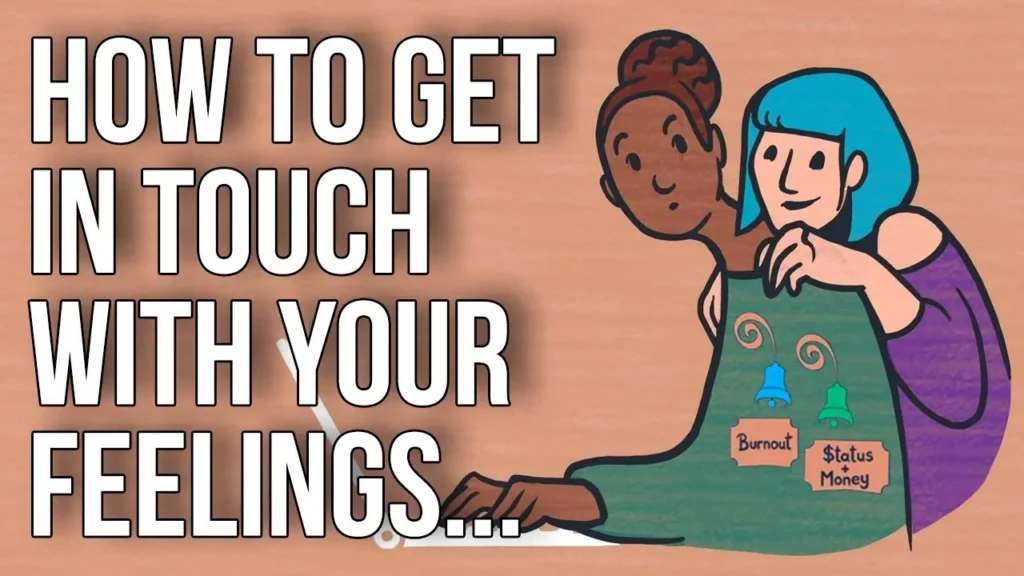
The lesson explores the complexities of emotional awareness and the reasons behind our disconnection from feelings, emphasizing the importance of recognizing and reconnecting with our emotions for overall well-being. It highlights how external influences, particularly during formative years, shape our ability to acknowledge our feelings, leading to consequences such as chronic fatigue and unmanaged anxiety. To bridge this emotional gap, the lesson advocates for creating a supportive environment of love and acceptance, utilizing tools like an emotional barometer to enhance self-awareness and foster a deeper understanding of our emotional states.
Things You Have to Forget in Order to Live
The lesson emphasizes the importance of certain illusions in our lives, suggesting that they can enhance our well-being and help us thrive amidst life’s uncertainties. By acknowledging and embracing these blind spots—such as the denial of mortality, the hope for love and understanding, and the anticipation of a better future—we can cultivate resilience, motivation, and a sense of purpose. Ultimately, the balance between truth and illusion is essential for leading a fulfilling life.
How To Forgive
The lesson on forgiveness emphasizes the importance of understanding the underlying reasons for others’ behaviors and recognizing our own imperfections as essential steps toward overcoming resentment. By cultivating empathy for the struggles that shape people’s actions and acknowledging our own flaws, we can foster a forgiving mindset that promotes emotional well-being and healthier relationships. Ultimately, forgiveness is portrayed not only as a moral obligation but also as a pathway to personal growth and deeper connections with others.