
The Desire to Not Exist
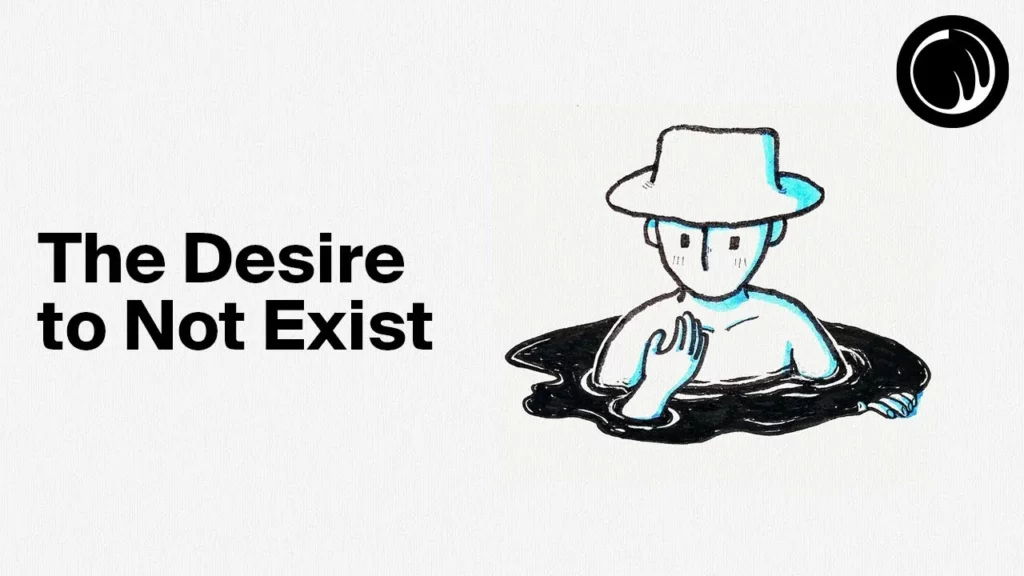
The lesson of “The Journey of Giannis” explores the complexities of human existence, emphasizing the interplay between joy and suffering. Through Giannis’s encounter with a translucent figure, he reflects on his past experiences, ultimately choosing to embrace the challenges of life rather than escape into eternal bliss. This narrative encourages readers to accept the dualities of life, suggesting that true fulfillment comes from acknowledging both the pleasures and pains that shape our journey.
How To Waste Your Life & Never Be Happy (A Short Story)

Noah’s journey reflects the struggle between the pursuit of material success and the quest for genuine happiness. Despite achieving financial success and status, he ultimately realizes that true fulfillment lies in meaningful relationships and personal passions, rather than in wealth. His story serves as a reminder to appreciate the present and find joy in simplicity, rather than constantly striving for more.
How the Way You Respond to Anxiety Changes Your Life – Søren Kierkegaard on Angst
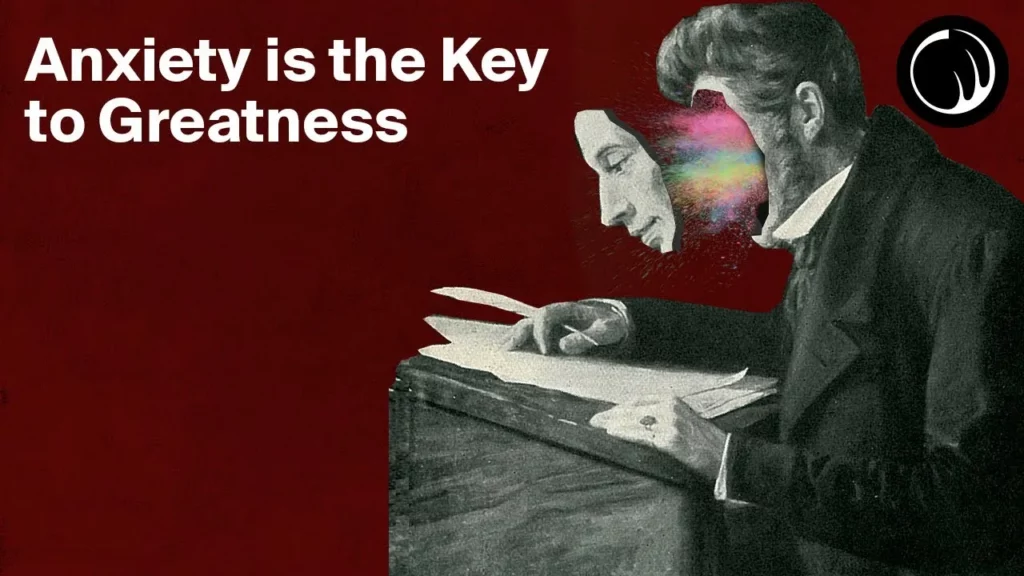
The lesson on Søren Kierkegaard highlights his role as the father of existentialism, focusing on his profound insights into anxiety and the human condition. Kierkegaard distinguishes between everyday and existential anxiety, viewing the latter as a natural response to our awareness of freedom and responsibility, which can serve as a catalyst for personal growth. He emphasizes the importance of embracing anxiety and taking action, as inaction can lead to despair, ultimately encouraging individuals to navigate uncertainty and pursue meaningful lives.
The Strangest Philosopher in History – Samuel Beckett
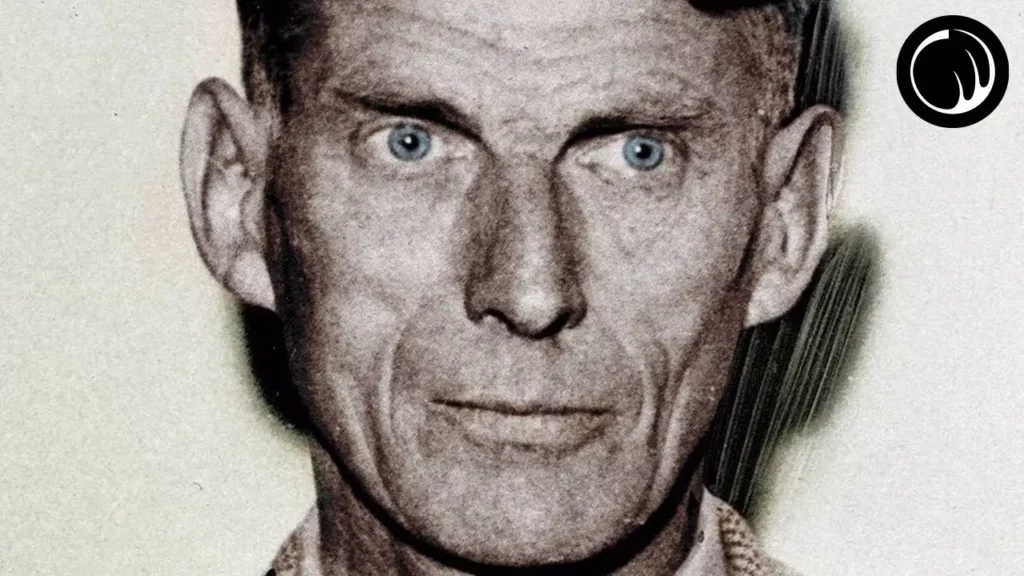
The lesson on Samuel Beckett highlights his significance as a groundbreaking 20th-century writer whose works delve into the absurdities of human existence, particularly through his acclaimed play *Waiting for Godot*. Beckett’s early life, struggles with mental health, and the evolution of his writing style reflect his profound exploration of despair, meaning, and the human condition, ultimately earning him the Nobel Prize in Literature. His legacy continues to resonate, encouraging audiences to confront their own uncertainties and find connection through art.
Why Do We Live For No (Real) Reason? – Nihilism & The Philosophy of Emil Cioran
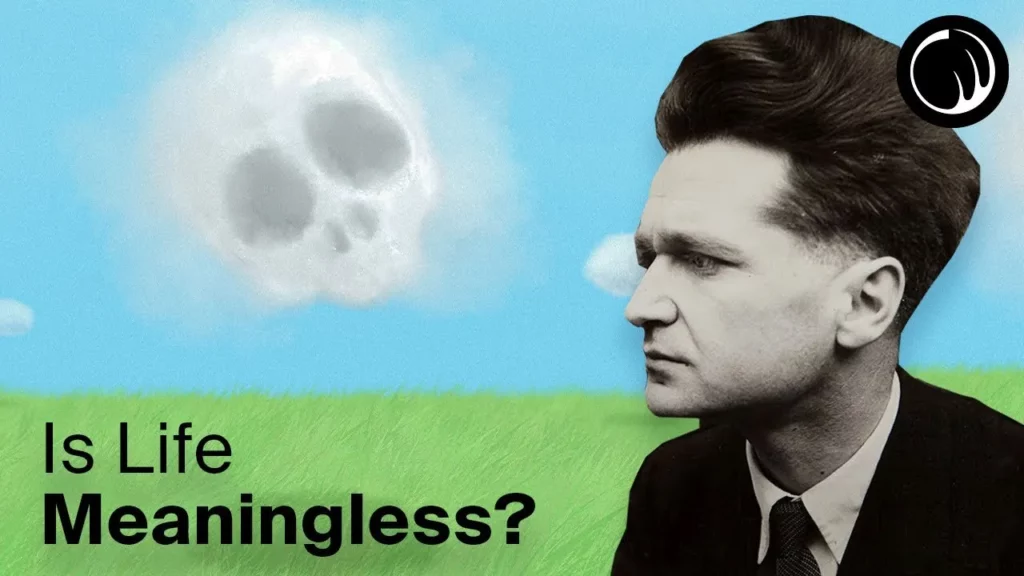
The lesson on Emil Cioran highlights his profound exploration of despair, absurdity, and the human condition through his introspective writing and philosophical outlook. Born in Romania and later residing in Paris, Cioran’s works reflect his personal struggles with insomnia and depression, which he viewed as integral to his creative process. Despite articulating a nihilistic perspective, he emphasizes the transformative power of art, suggesting that even in life’s inherent meaninglessness, the act of creation can provide solace and connection among individuals.
Why Living Forever Would (Probably) Be Awful

The lesson explores the revolutionary technology introduced by Eno, CEO of Mayfly Incorporated, which allows individuals to upload their consciousness into a decentralized cloud, effectively achieving immortality. This innovation sparks a philosophical debate on the value of mortality, as Eno’s father, Roy, argues that the awareness of death gives life its meaning, while the emergence of a new digital species, the Neos, raises questions about the significance of time and existence. Ultimately, the ongoing discourse between mortality and immortality challenges our understanding of fulfillment and the essence of being human in a rapidly evolving technological landscape.
You’d Be Surprised How Smart (Or Dumb) You Are | The Dunning-Kruger Effect
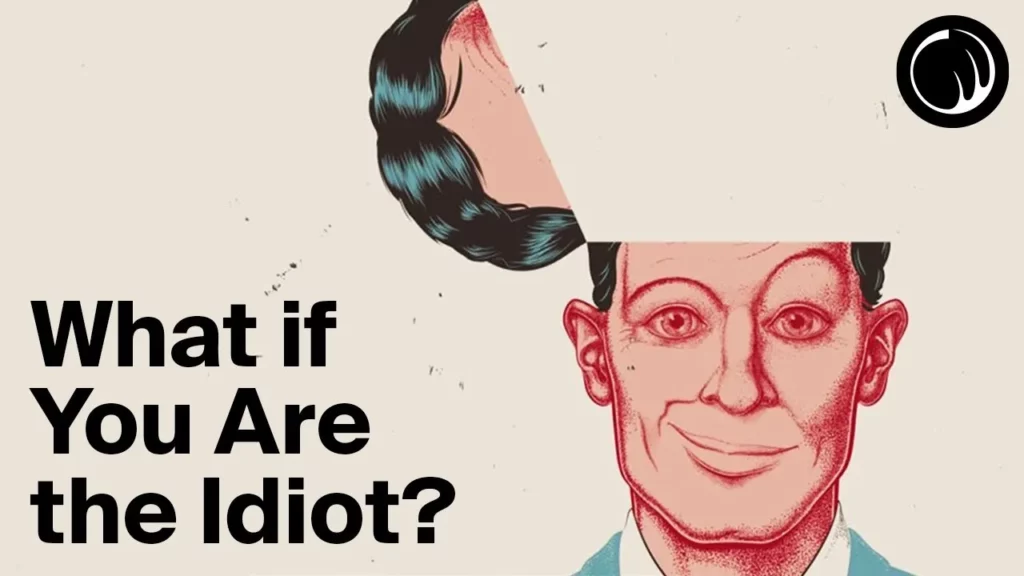
The lesson on the Dunning-Kruger effect explores how individuals often overestimate their abilities due to a lack of self-awareness and metacognitive skills, leading to a significant gap between perceived and actual competence. Originating from a 1999 study, this cognitive bias highlights that those with limited knowledge are unaware of their shortcomings, while experts may doubt their skills. To navigate this phenomenon, the lesson emphasizes the importance of self-awareness, continuous learning, and open dialogue to align self-perception with true capabilities.
Becoming Your True Self – The Psychology of Carl Jung
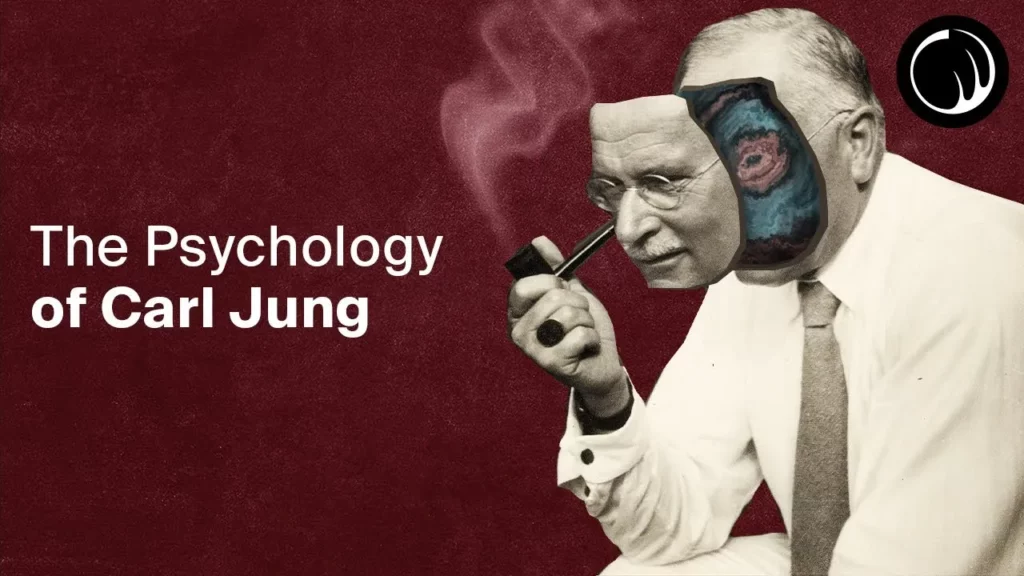
The lesson on Carl Jung explores the intricacies of the human psyche and the journey toward self-realization, emphasizing the importance of understanding both consciousness and the unconscious. It highlights Jung’s belief in the process of individuation, which involves integrating various components of the psyche, including the shadow and archetypes, to achieve authenticity and personal growth. Ultimately, Jung’s insights encourage individuals to confront their inner complexities and embrace their true selves for a more meaningful life.
This Simple Japanese Idea Will Change How You Think About Your Entire Life

The lesson on Ikigai emphasizes the human quest for purpose, rooted in our biology and essential for enhancing our quality of life. By exploring the intersection of what you are good at, what you love, what the world needs, and what you can be paid for, individuals can navigate their search for meaning in a structured way. Ultimately, embracing the journey toward discovering one’s Ikigai fosters personal growth and fulfillment in an often overwhelming world.
Becoming Who You Really Are – The Philosophy of Friedrich Nietzsche
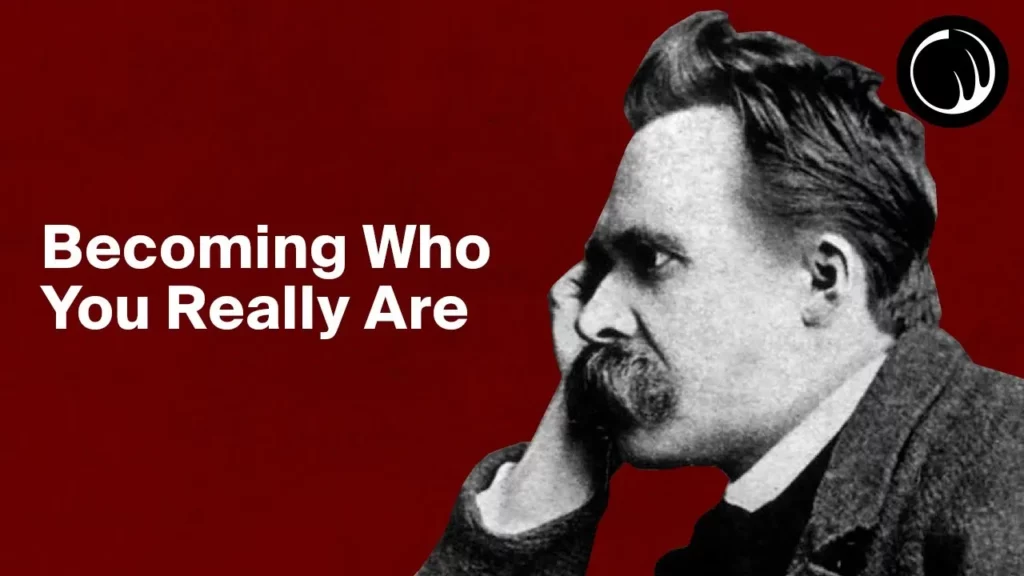
Friedrich Nietzsche, a pivotal figure in modern philosophy, explored the search for meaning in a world increasingly devoid of traditional religious frameworks. His ideas, including the concept of the Übermensch and the embrace of suffering as a catalyst for personal growth, challenge individuals to create their own values and find purpose amidst existential uncertainty. Despite facing personal struggles and declining recognition during his lifetime, Nietzsche’s legacy continues to influence contemporary thought on morality and the human experience.