
The Wisdom Of Dogs

The lesson “Life Lessons from Our Furry Friends” highlights the valuable insights pets can teach us about living a joyful and fulfilling life. Key takeaways include the importance of emotional awareness, the joy of play, and the value of simplicity and unconditional love. By embracing these lessons, we can enhance our relationships, appreciate the present, and cultivate a more grateful and resilient mindset.
Follow No One. Trust Your Own Thoughts. | The Philosophy of Immanuel Kant
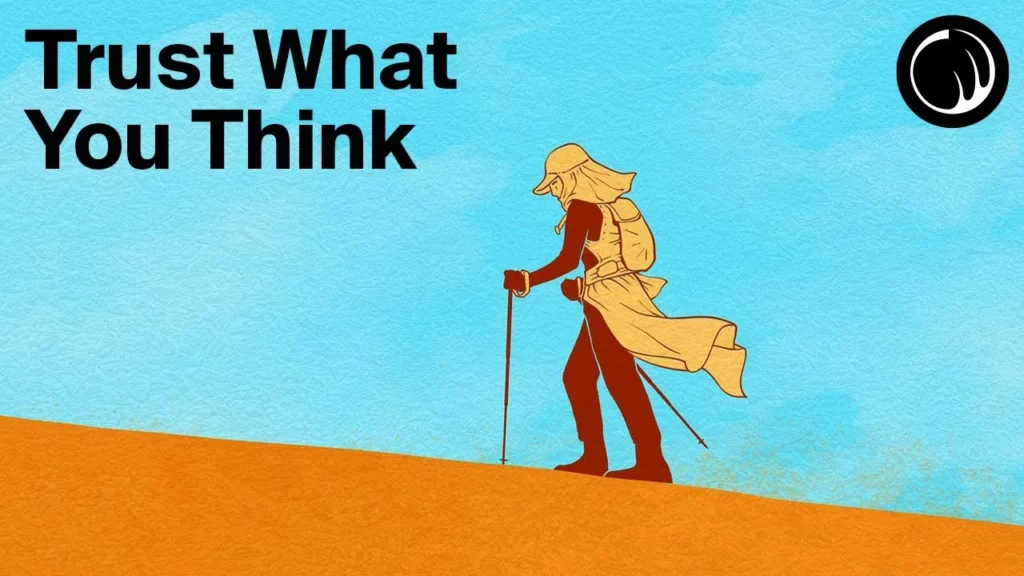
The lesson on Immanuel Kant explores his pivotal role in shaping modern philosophy during the Enlightenment, emphasizing the transition from reliance on religious authority to a framework grounded in reason and critical thinking. Kant’s major contributions, including his theories on knowledge, the categorical imperative, and the interplay between morality and reason, have profoundly influenced subsequent philosophical thought and continue to resonate in contemporary ethical debates. His legacy encourages individuals to seek knowledge and engage in ethical behavior, reflecting the duality of human existence in the pursuit of understanding and moral responsibility.
3 Thought Experiments That No One Can Solve
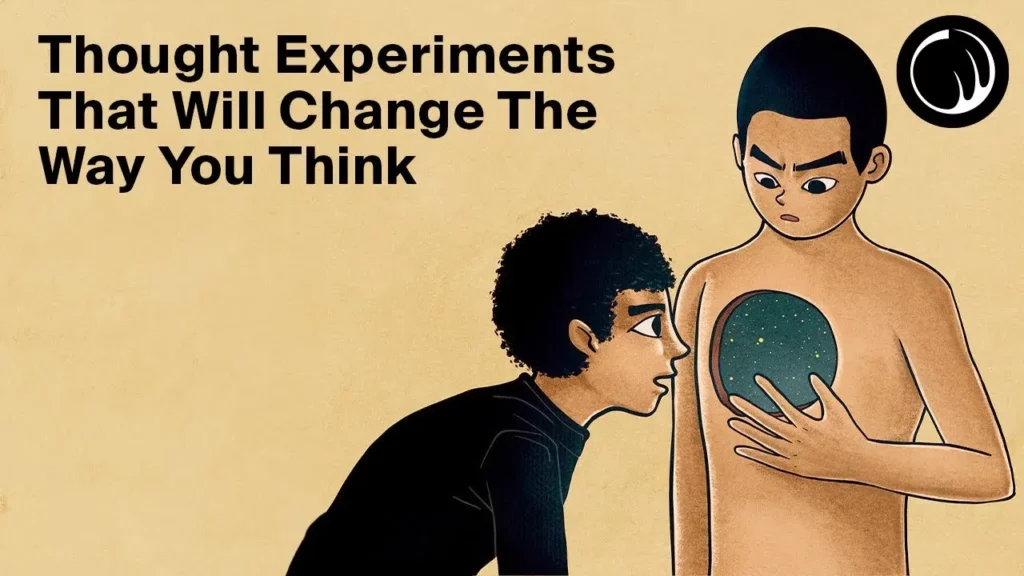
The lesson explores the nature of consciousness and intelligence through three thought experiments: the Chinese Room, Mary’s Room, and the Brain in a Vat. Each experiment challenges our understanding of intelligence, knowledge, and reality, highlighting the limitations of language, the distinction between theoretical and experiential knowledge, and the uncertainties surrounding our perceptions of existence. Together, they prompt deeper reflection on the complexities of the mind and the ongoing quest to comprehend what it means to be human.
David Foster Wallace – The Dangers Of Internet & Media Addiction

David Foster Wallace’s insights emphasize the complex relationship between entertainment, addiction, and the human experience, particularly as explored in his novel *Infinite Jest*. He warns that the ease of consuming media can lead to passive engagement and unhealthy addictions, overshadowing real-life complexities and meaningful connections. By advocating for intentional consumption and embracing life’s challenges, Wallace encourages individuals to confront their inner struggles and cultivate a more fulfilling existence.
The Art of Caring Less – The Philosophy of Baruch Spinoza
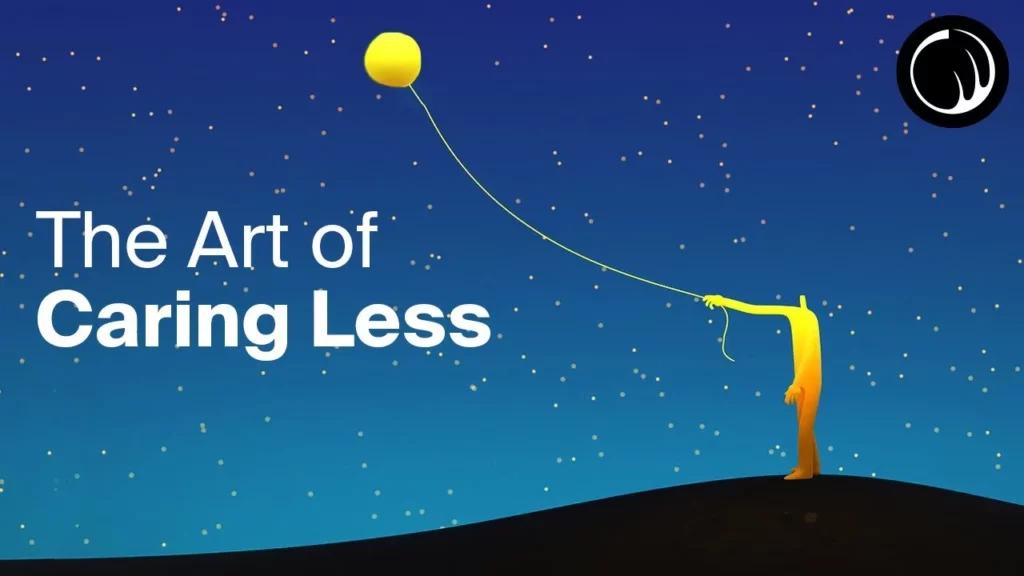
Baruch Spinoza, a pivotal figure in early modern philosophy, challenged traditional religious beliefs and proposed a radical view of God as the infinite substance of nature, emphasizing the interconnectedness of all existence. His deterministic perspective on free will suggests that human actions are influenced by prior events, yet he posits that true freedom lies in the pursuit of knowledge and understanding. Spinoza’s ideas continue to resonate, shaping discussions on existence, the divine, and the human condition, while advocating for a rational approach to life that fosters joy and contentment.
The Amara Effect – The Advantage of Disadvantages
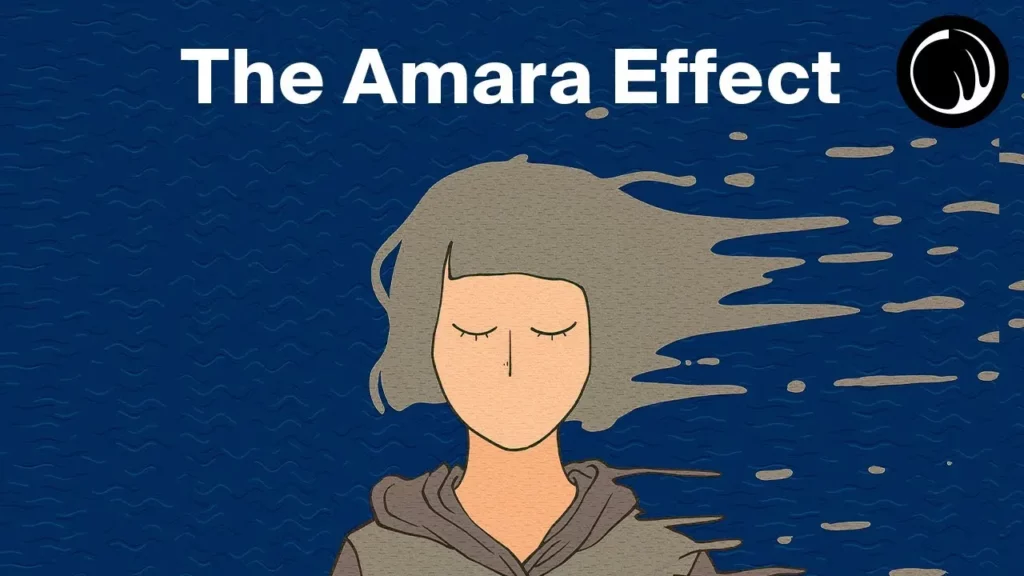
The life of Amara Alto illustrates the profound impact of fortune, struggle, and personal determination on one’s journey. Born into wealth but facing significant challenges after her mother’s death, Amara’s resilience led her to overcome adversity and find success as an athlete and a fulfilled individual. Her story serves as a powerful reminder that personal growth often arises from navigating life’s complexities and embracing challenges.
The Illusion of Freedom – Are You Really Free To Do What You Want?
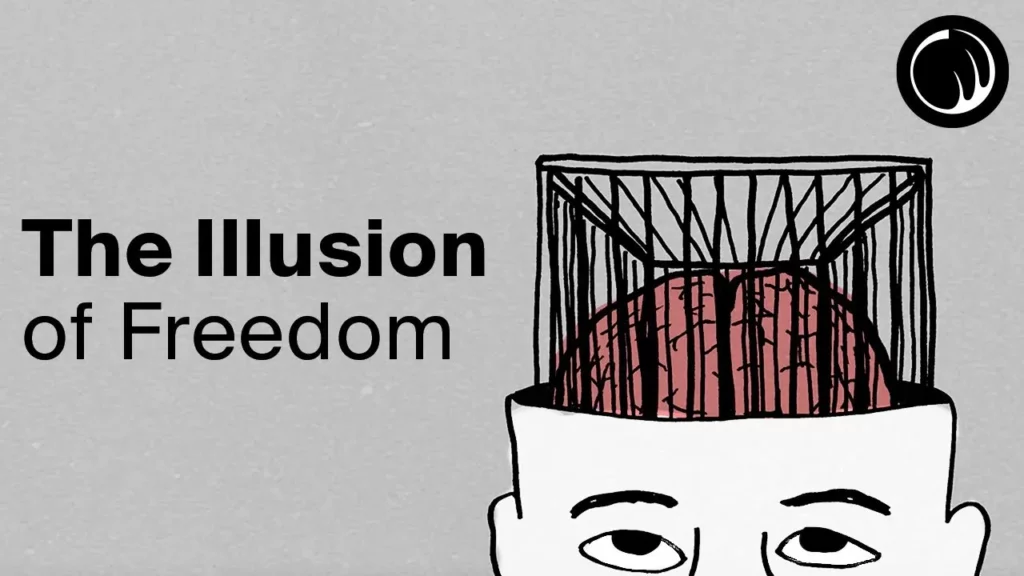
The lesson “The Quest for Freedom: An Exploration of Human Limitations and Aspirations” delves into the complex nature of freedom, highlighting the inherent limitations of both our bodies and minds. It argues that while the pursuit of absolute freedom is a fundamental human desire, true liberation may lie in recognizing our interconnectedness and accepting the constraints of existence, rather than chasing an unattainable ideal. Ultimately, the lesson suggests that embracing the present and surrendering to life’s flow can lead to a deeper sense of peace and fulfillment.
One of the Most Unsettling Phenomena of the Human Brain
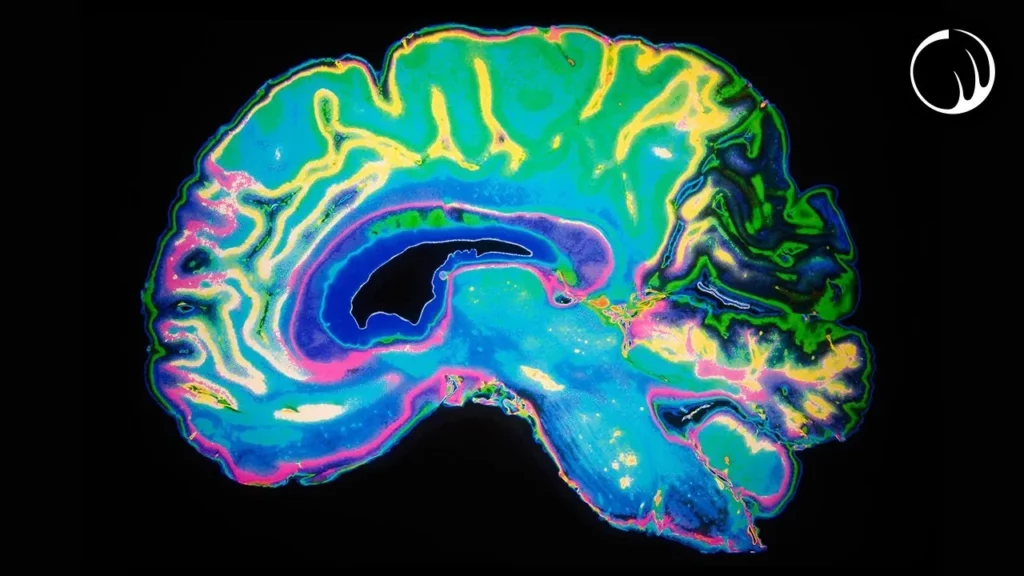
The lesson explores the critical role of memory in shaping identity and the profound implications of memory loss, particularly in the context of dementia. It highlights how dementia, primarily associated with Alzheimer’s disease, leads to a gradual decline in cognitive functions and a loss of selfhood, raising existential questions about the nature of existence and identity. Through the lens of memory’s fragility, the lesson emphasizes that our understanding of what it means to be human is deeply intertwined with our memories and experiences.
The Terrible Price We Pay For the Fear of Being Alone

Ava’s journey illustrates the profound impact of loneliness and the quest for meaningful relationships throughout her life. From her early struggles in kindergarten to the complexities of adult relationships, she learns that true fulfillment comes from self-awareness and embracing solitude rather than conforming to societal pressures. Ultimately, her story emphasizes the importance of self-discovery in fostering authentic connections and navigating the challenges of loneliness.
Things get crazy when you think like this…
The lesson on cognitive biases highlights how psychological tendencies can unconsciously influence our decisions and perceptions, often leading us to make irrational choices. Key biases discussed include the anchoring effect, halo effect, mere exposure effect, confirmation bias, and bias blind spot, each illustrating how our judgments can be distorted by initial information, overall impressions, familiarity, selective information processing, and a lack of self-awareness. By recognizing these biases, we can enhance our decision-making and critical thinking skills, fostering greater objectivity and healthier relationships.