
What are the Northern Lights?
The Aurora Borealis, or Northern Lights, is a breathtaking natural light display visible in polar regions, characterized by vibrant colors like green, purple, and red. This phenomenon occurs due to the interaction of charged particles from the sun with the Earth’s atmosphere, particularly at the poles where the magnetic field allows these particles to enter. Understanding the science behind the Aurora enhances our appreciation for this spectacular event, which can also be observed on other planets in our solar system.
The History of Thanksgiving!
The lesson on Thanksgiving explores its historical origins, beginning with the Pilgrims’ arrival in Plymouth in 1620 and their struggles for survival, aided by Native American Squanto. It highlights the first Thanksgiving feast in 1621, the efforts to establish the holiday as a national celebration, and how modern traditions have evolved, emphasizing the importance of gratitude and family gatherings in American culture.
The Ice Planet!
The lesson explores OGL 2005 BLG 390Lb, the coldest exoplanet discovered, located approximately 25,000 light-years away in the Scorpius constellation. With temperatures around -370 degrees Fahrenheit and characteristics of a “super-Earth,” this planet offers valuable insights into planetary formation and the diversity of celestial bodies in the universe, despite its inhospitable conditions.
The Hot Pink Planet
The lesson explores GJ 504b, also known as the “Hot Pink Planet,” highlighting its unique characteristics, such as its bright pink color, extreme temperatures, and unusual formation far from its star. Discovered in 2011, this massive planet orbits its star in about 260 Earth years, presenting intriguing mysteries about planetary formation and the vastness of our universe. Through a playful narrative, the lesson emphasizes the excitement of space exploration and the ongoing quest for knowledge about celestial bodies.
Megalodon Facts!
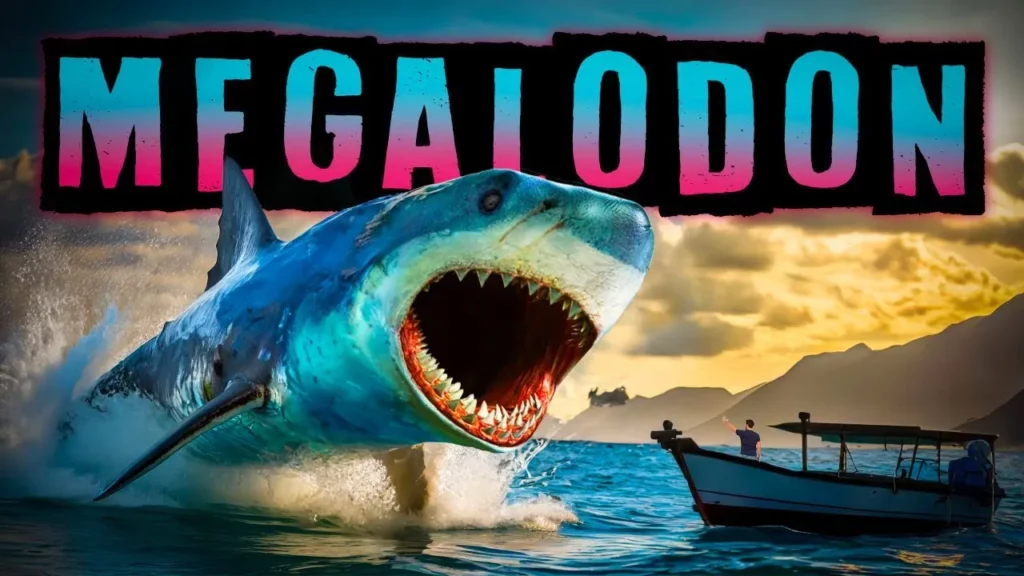
The lesson explores the Megalodon, an ancient and colossal shark that lived approximately 2.6 million years ago, known for its impressive size, powerful bite, and unique physical characteristics, including its massive teeth. It thrived in warm ocean waters around the world but eventually went extinct due to climate changes that affected its food supply. The Megalodon’s legacy continues to fascinate us, highlighting the importance of understanding marine life and the impact of environmental changes on species.
The History of Santa Claus for Kids!
The lesson explores the fascinating evolution of Santa Claus, tracing his origins back to Saint Nicholas, a generous bishop known for his kindness and protective nature. Over centuries, various cultural influences transformed Saint Nicholas into the modern Santa Claus, characterized by his jolly demeanor and iconic red suit, as shaped by writers and artists in the 19th century. This journey highlights the values of generosity and joy that Santa represents during the holiday season.
Abraham Lincoln Facts!
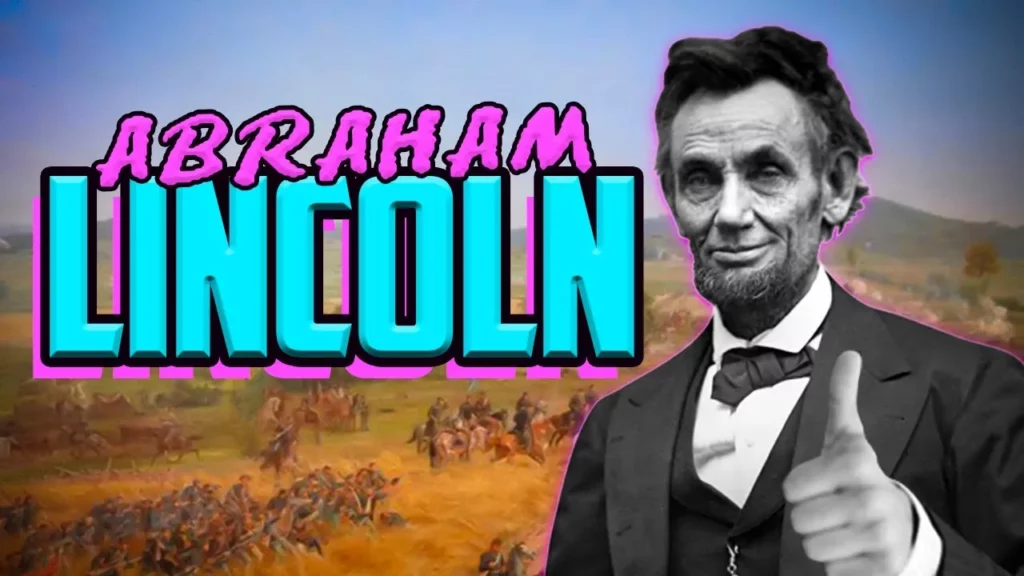
The lesson on Abraham Lincoln highlights his significant role as the 16th President of the United States, focusing on his early life, political journey, and enduring legacy. Despite facing numerous challenges, Lincoln’s commitment to ending slavery and preserving the Union during the Civil War established him as a pivotal figure in American history, earning him the title “The Great Emancipator.” His story serves as an inspiration for future generations, emphasizing the values of justice, equality, and unity.
Venus Facts for Kids!
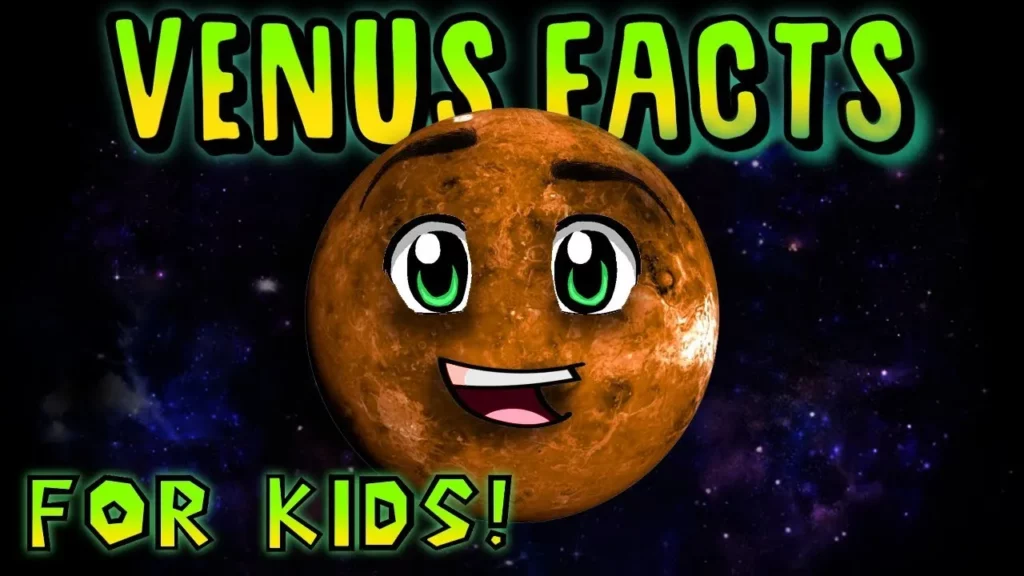
The lesson explores Venus, the second planet from the Sun and the hottest in our solar system, highlighting its extreme temperatures, thick atmosphere, and unique geological features. Despite its harsh conditions, Venus shares similarities with Earth, such as size and rocky composition, while also exhibiting distinct characteristics like its lack of moons and retrograde rotation. Understanding Venus enhances our knowledge of the solar system and the potential for life beyond Earth.
The Fire Planet!
The lesson on Coral 7b, a super-Earth located 480 light-years away, explores its extreme conditions, including tidal locking that results in one side being intensely hot and the other freezing cold. The planet’s atmosphere is primarily composed of vapor from molten rock, and it experiences significant volcanic activity due to tidal heating from gravitational forces exerted by nearby planets. This fascinating study of Coral 7b enhances our understanding of diverse planetary environments and raises questions about the potential for life in such extreme conditions.
Mars Facts for Kids!
The lesson on Mars explores the planet’s unique characteristics, including its reddish appearance, significant geological features like Olympus Mons, and the presence of water ice, which raises questions about potential past life. It also discusses the challenges of traveling to Mars, its moons, and the implications of its gravity and day length for future exploration. Overall, the lesson emphasizes the ongoing curiosity and technological advancements that may enable human missions to Mars in the future.