
Super Saturn Facts!
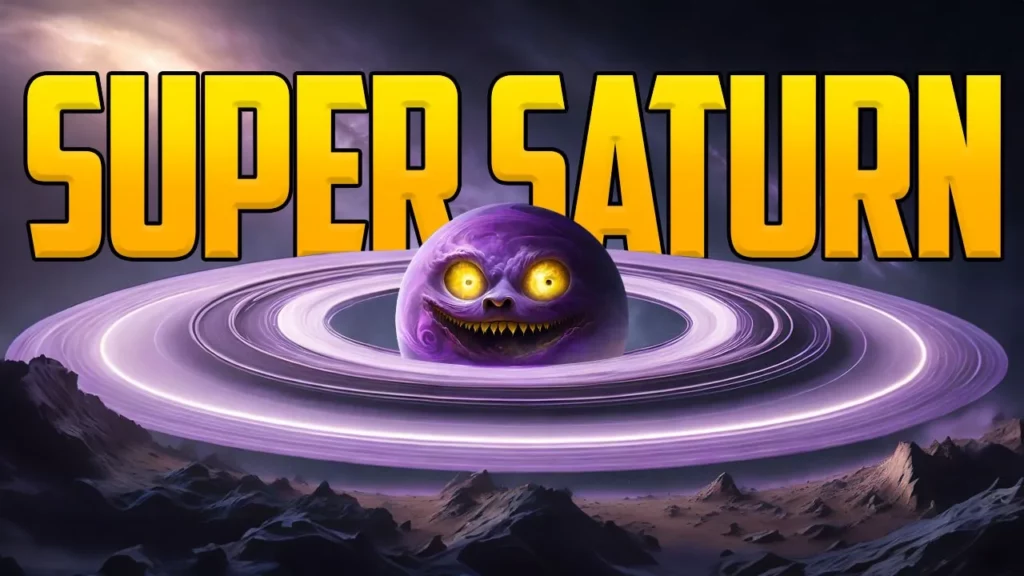
The lesson explores the fascinating planet J1407, which boasts an enormous ring system far larger than that of Saturn, measuring about 111 million miles wide. Scientists are intrigued by the nature of J1407, questioning whether it is a gas giant or a brown dwarf, and are particularly interested in how its massive rings can remain intact despite gravitational challenges. The discovery of J1407 has opened new avenues for understanding planetary formation and the mysteries of the universe.
Shark Facts!
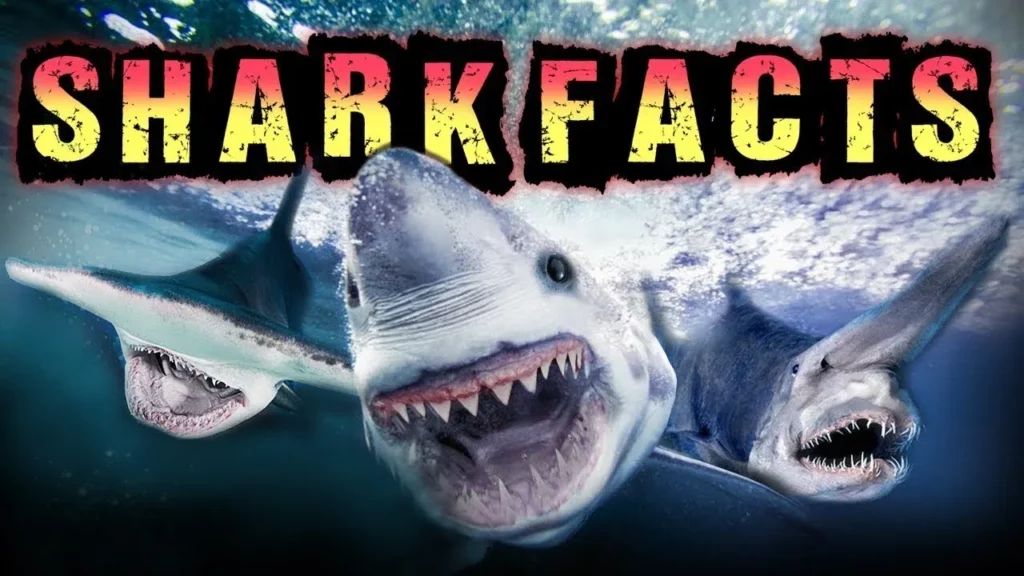
This lesson explores the fascinating world of sharks, highlighting their unique anatomy, diverse species, and ancient history. Sharks possess special features like cartilage skeletons and electroreception, which enhance their hunting abilities. With over 400 species, including the hammerhead, great white, whale, and goblin sharks, the lesson emphasizes their importance in maintaining ocean health and the need for their conservation.
Puffin Facts!

In “The Adventures of Puffins,” students explore the fascinating world of puffins, known for their vibrant beaks and playful nature. The lesson covers their habitats, physical characteristics, impressive fishing skills, and unique nesting behaviors, highlighting the importance of appreciating wildlife diversity. Through engaging storytelling, learners gain insight into the life of these charming sea birds and their role in the ecosystem.
The Nightmare Planet

The lesson explores HD 189733b, a “hot Jupiter” located 63 light-years from Earth, known for its extreme conditions, including scorching temperatures and high-speed winds that can create molten glass rain. Studying this planet provides valuable insights into planetary formation, atmospheric dynamics, and the potential for life beyond our solar system, highlighting the significance of exoplanet research in understanding the universe.
Mercury Facts!
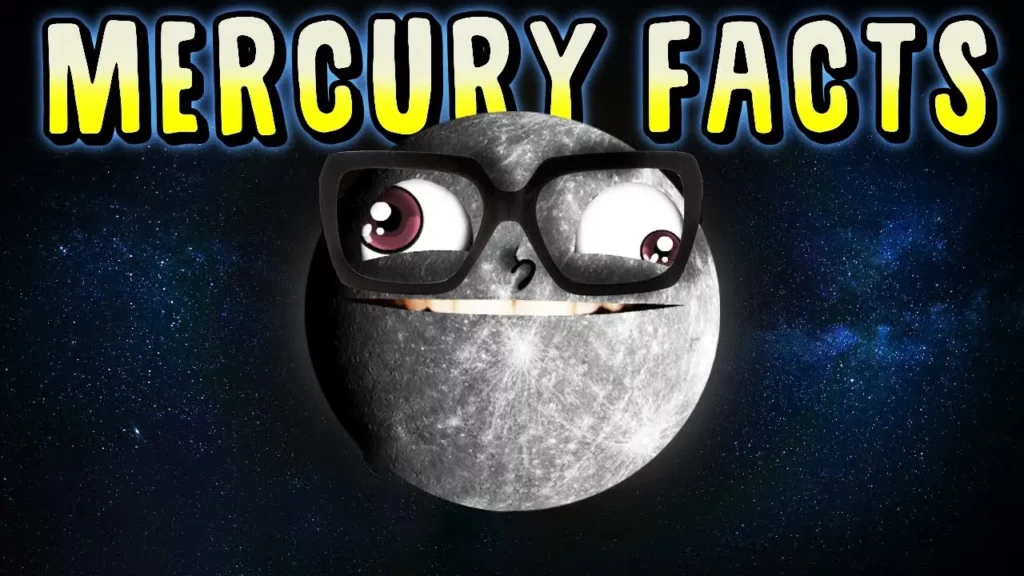
The lesson explores Mercury, the smallest planet in our solar system, highlighting its unique characteristics such as extreme temperature variations, a surface marked by craters and scarps, and its lack of moons. Despite being the closest planet to the sun, Mercury’s thin atmosphere prevents it from retaining heat, leading to significant temperature fluctuations. Understanding Mercury’s features and its rapid orbit enhances our knowledge of the solar system and the diverse types of planets within it.
Dwarf Planet Facts!
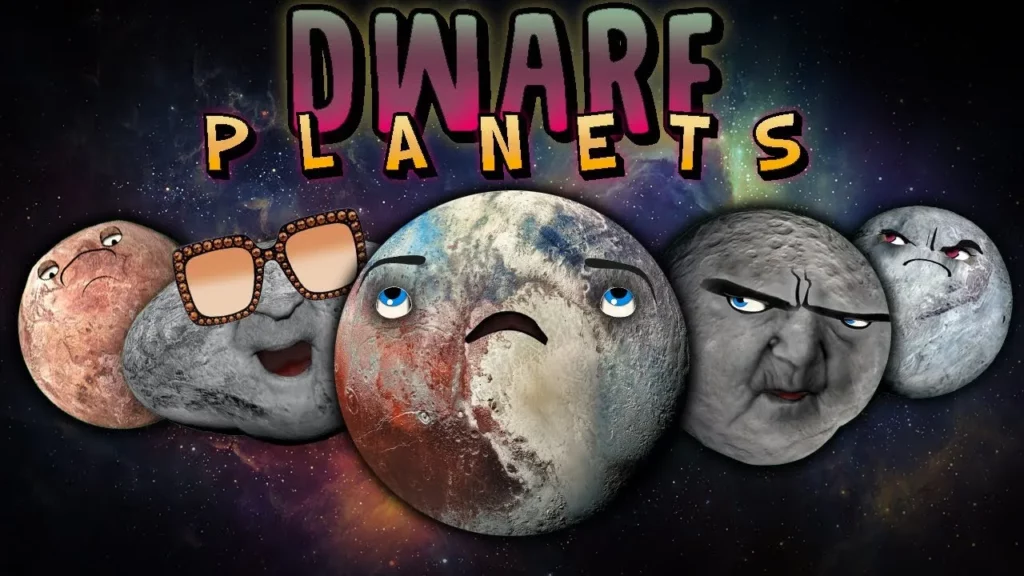
This lesson introduces the concept of dwarf planets, which are smaller celestial bodies that orbit the sun but do not have a clear path due to sharing their space with other objects. It highlights the five known dwarf planets—Ceres, Pluto, Haumea, Makemake, and Eris—each with unique characteristics and histories, emphasizing their significance in expanding our understanding of the solar system. Through exploring these fascinating worlds, we learn about the diversity and complexity of our cosmic neighborhood.
Albert Einstein Facts!
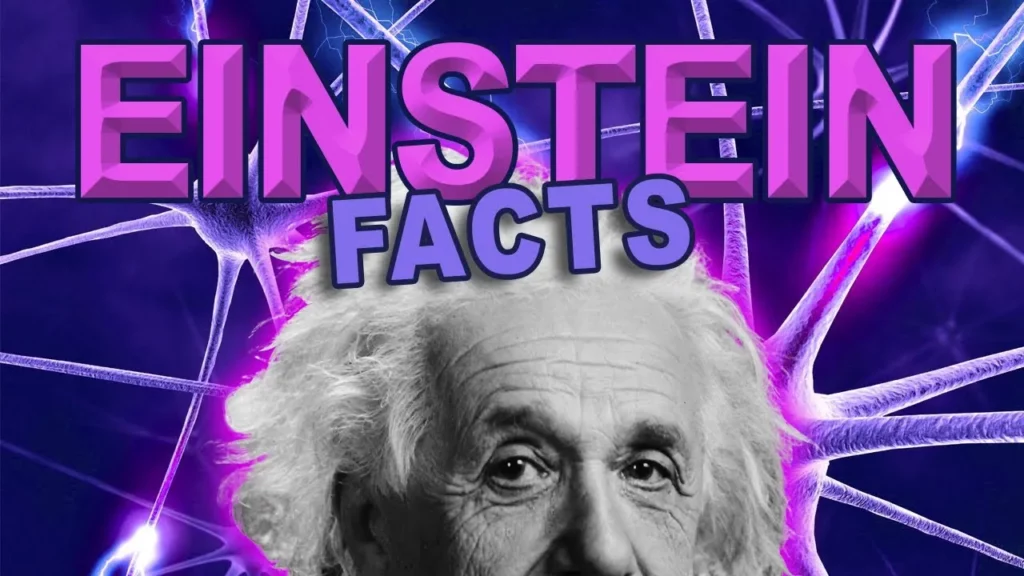
The lesson explores the remarkable life and contributions of Albert Einstein, highlighting his early curiosity, academic challenges, and groundbreaking discoveries in physics, including the theory of relativity and the famous equation \(E=mc^2\). It emphasizes how his innovative thinking transformed our understanding of the universe and his lasting impact on science and society. Ultimately, Einstein’s legacy serves as an inspiration for future generations to embrace curiosity and imagination in their pursuit of knowledge.
Bat Facts!
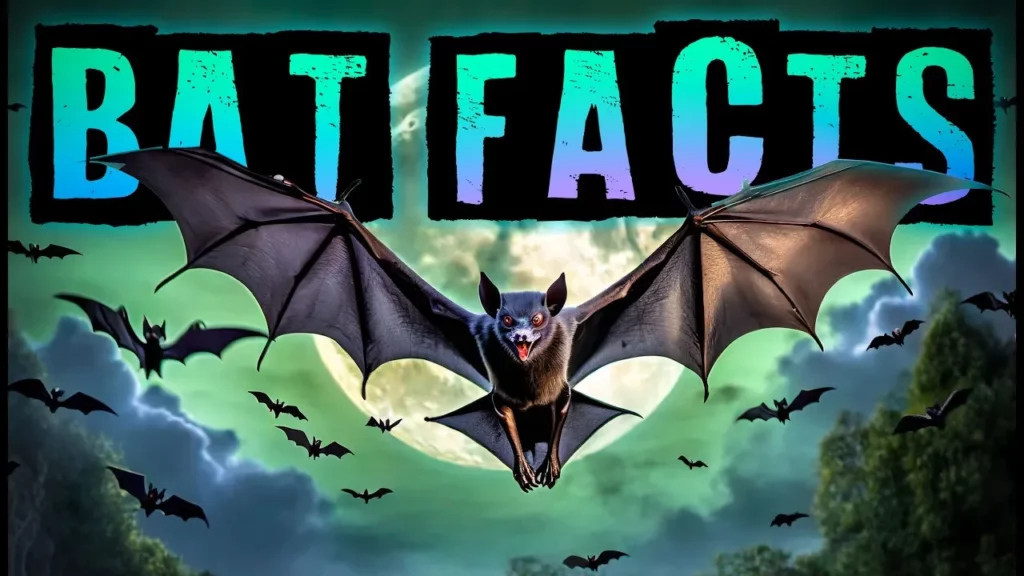
The lesson on bats highlights their fascinating characteristics and dispels common myths, such as the misconception that they are blind. It explores the diversity of bat species, their dietary habits, nocturnal behavior, and unique roosting practices, emphasizing their ecological importance in pollination and insect control. Ultimately, the lesson encourages appreciation for these remarkable creatures and their vital roles in maintaining environmental balance.
The Shadow Planet!
The lesson explores Tres-2b, the darkest exoplanet known, located about 750 light-years from Earth. This “hot Jupiter” has extreme temperatures and reflects less than 1% of sunlight, leading scientists to investigate its unique atmospheric conditions and the reasons behind its remarkable darkness. Tres-2b’s characteristics challenge our understanding of planetary formation and highlight the diverse possibilities within our universe.
The Diamond Planet!
In this lesson, we explored the fascinating realm of exoplanets, particularly focusing on 55 Cancri e, a unique planet located about 40 light years from Earth. We learned about the different types of exoplanets, their characteristics, and the extreme conditions on 55 Cancri e, which may include a diamond-rich interior and extreme temperatures. The study of exoplanets not only enhances our understanding of the universe but also fuels the search for potentially habitable worlds beyond our solar system.