
Cerebrum
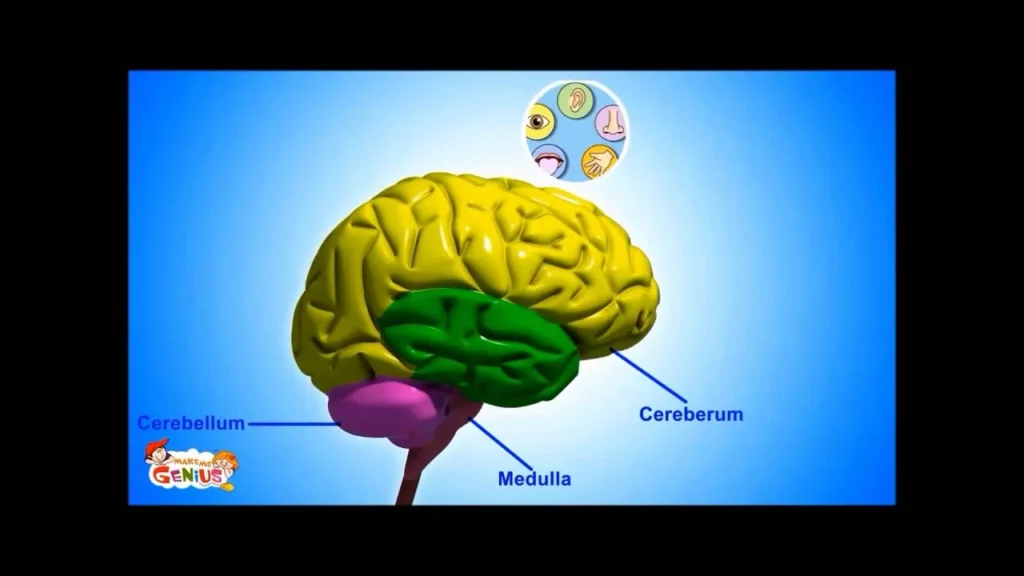
The lesson on the cerebrum highlights its significance as the largest part of the brain, responsible for sensory processing, thought, imagination, and motor control. Each of the four lobes—frontal, parietal, temporal, and occipital—plays a crucial role in helping us understand and interact with the world around us. Understanding the functions of the cerebrum is essential for recognizing its impact on our daily lives and the potential consequences of injury to this vital brain region.
Meaning of Force
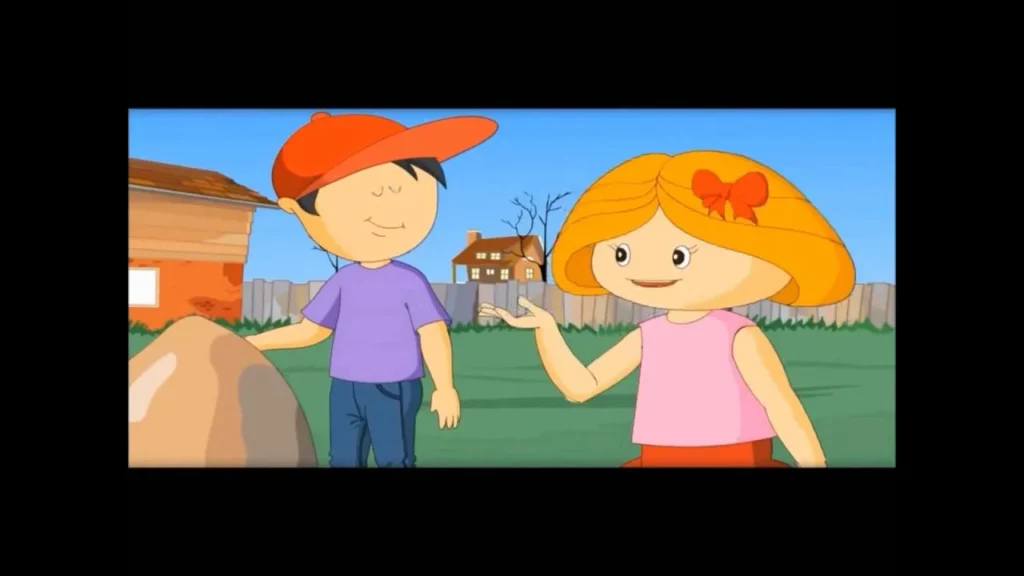
This lesson introduces the concept of force as a fundamental push or pull that causes movement in our daily lives. It explains how force can start, stop, or change the direction of objects, using relatable examples like opening doors, riding bicycles, and playing sports. Understanding force helps us grasp how things work in the world around us, enhancing our experiences in play and exploration.
Parts of Respiratory System
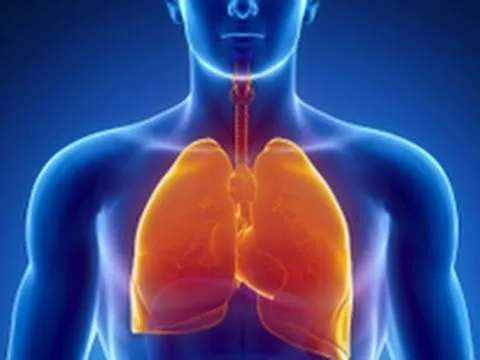
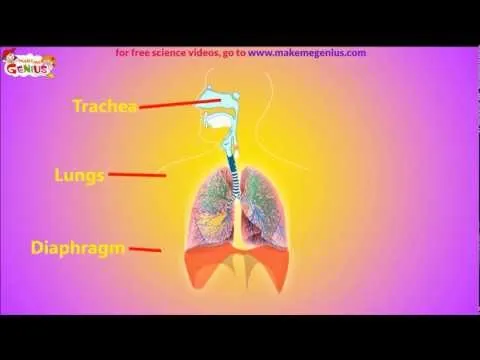
The lesson on the human respiratory system explores how its key components—the nose, trachea, lungs, and diaphragm—work together to facilitate breathing. The nose filters and humidifies incoming air, the trachea serves as the airway to the lungs, where gas exchange occurs in the alveoli, and the diaphragm aids in inhalation and exhalation. Understanding this system highlights the importance of maintaining lung health and recognizing environmental factors that can impact our breathing.
Earth as an Apple
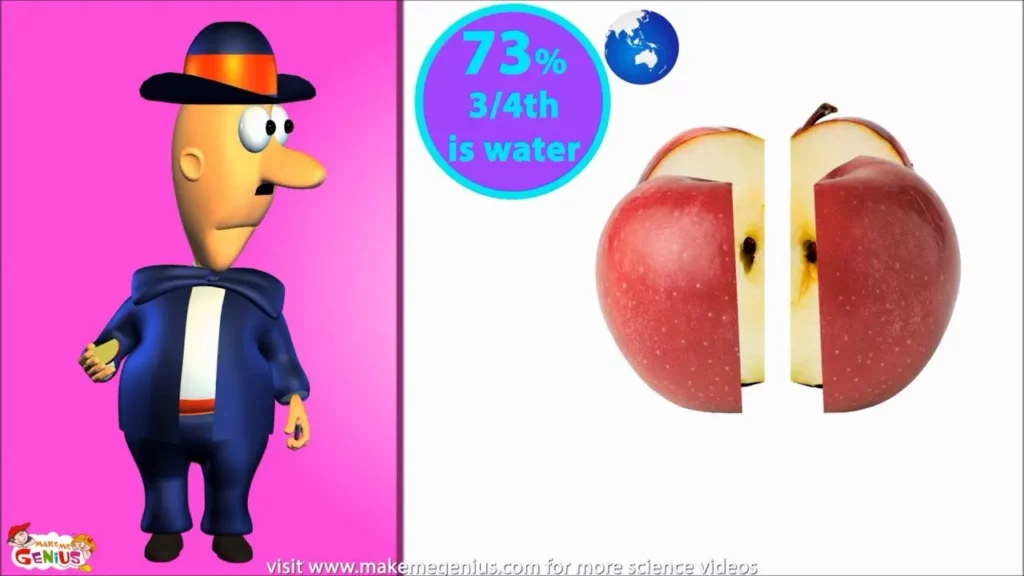
The lesson emphasizes the critical role of fruits and plants in maintaining human health and highlights the challenges posed by limited agricultural land and environmental issues. It explains that only a small portion of the Earth’s surface is suitable for farming, and the fragile topsoil essential for plant growth is at risk due to deforestation, over-farming, and climate change. To ensure a sustainable future for food production, the lesson advocates for conservation efforts and increased awareness of our agricultural limitations.
How Air Pressure Helps in Breathing?
The lesson emphasizes the critical role of atmospheric pressure in sustaining life on Earth, particularly in the process of breathing. It explains how changes in atmospheric pressure facilitate inhalation and exhalation, while also highlighting its broader implications on weather patterns, fluid dynamics, and human health. Understanding atmospheric pressure reveals its essential influence on various interconnected systems that maintain the balance of our planet’s ecosystems.
Mosquito Life Cycle
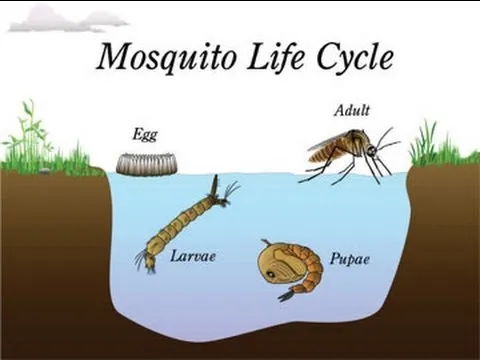
The lesson on “Understanding Life Cycles: A Closer Look at Living Organisms” explores the stages of life that all living things, including plants and animals, undergo from birth to reproduction. It specifically highlights the four stages of a mosquito’s life cycle—egg, larva, pupa, and adult—and emphasizes the importance of understanding these cycles for environmental management and disease control. By learning about life cycles, we can take proactive steps to reduce mosquito populations and promote a healthier ecosystem.
Humans Life Cycle
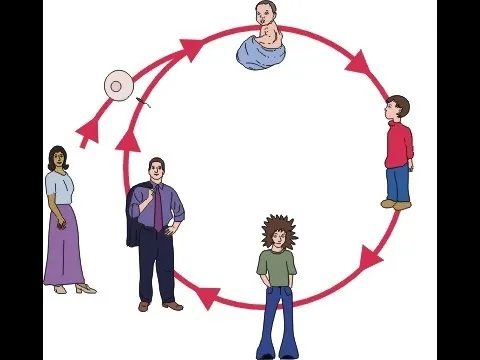
This lesson explores the human lifecycle and the lifecycles of various living species, highlighting the stages each undergoes from birth to death. It emphasizes the similarities across species, including stages such as infancy, childhood, adolescence, adulthood, old age, and ultimately death for humans, as well as corresponding stages in other living organisms. Understanding these lifecycles fosters a greater appreciation for the interconnectedness of all life on Earth.
Life Cycle Video
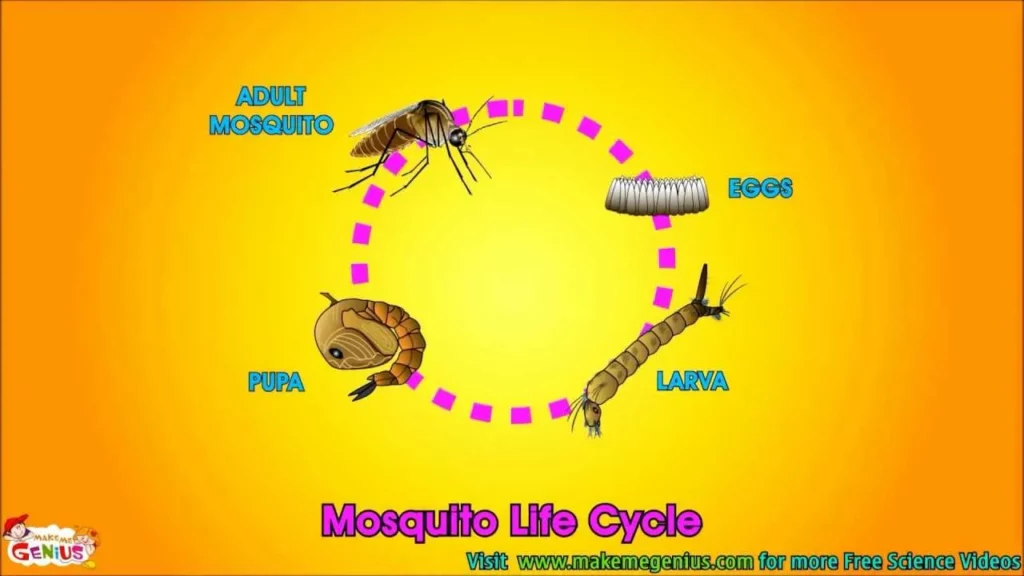
The lesson “Understanding Life Cycles: A Journey Through Growth and Change” explores the various stages of growth and transformation that all living organisms experience, from humans to insects. It highlights the human life cycle, as well as the simple and complex life cycles of animals like birds, frogs, butterflies, and mosquitoes, emphasizing the importance of these cycles in maintaining ecological balance. By understanding life cycles, we can appreciate the natural world and embrace each stage of our own lives.
Rocks Cycle
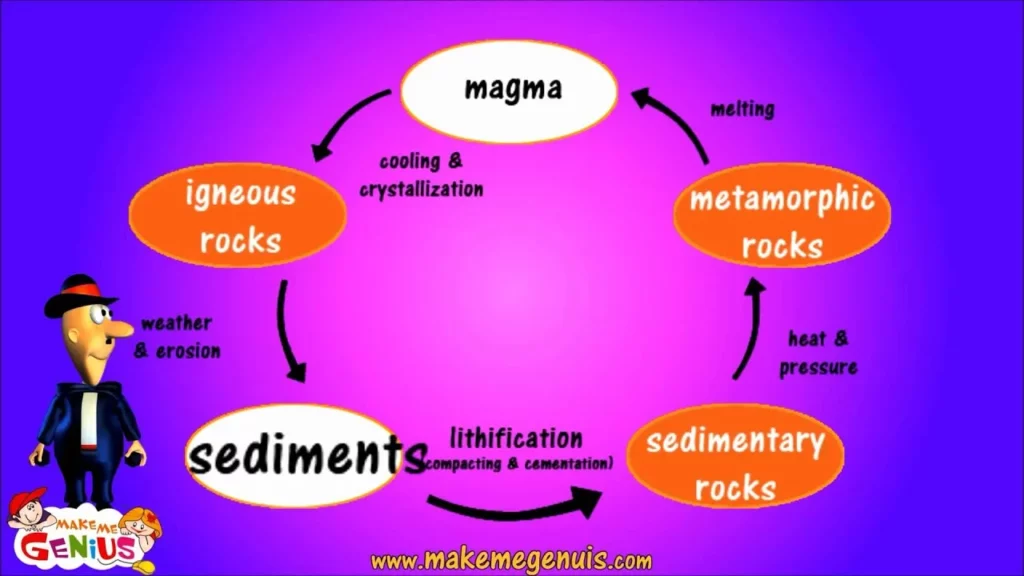
The rock cycle is a continuous process that illustrates how rocks transform from one type to another over time through various stages, including the formation of igneous rocks from magma, weathering and erosion leading to sedimentary rocks, and metamorphism under heat and pressure. This cycle culminates in the melting of metamorphic rocks back into magma, restarting the process. Understanding the rock cycle helps us appreciate the dynamic forces that shape our planet and the interconnectedness of different rock types.
How Plants Make Food -Ep.1
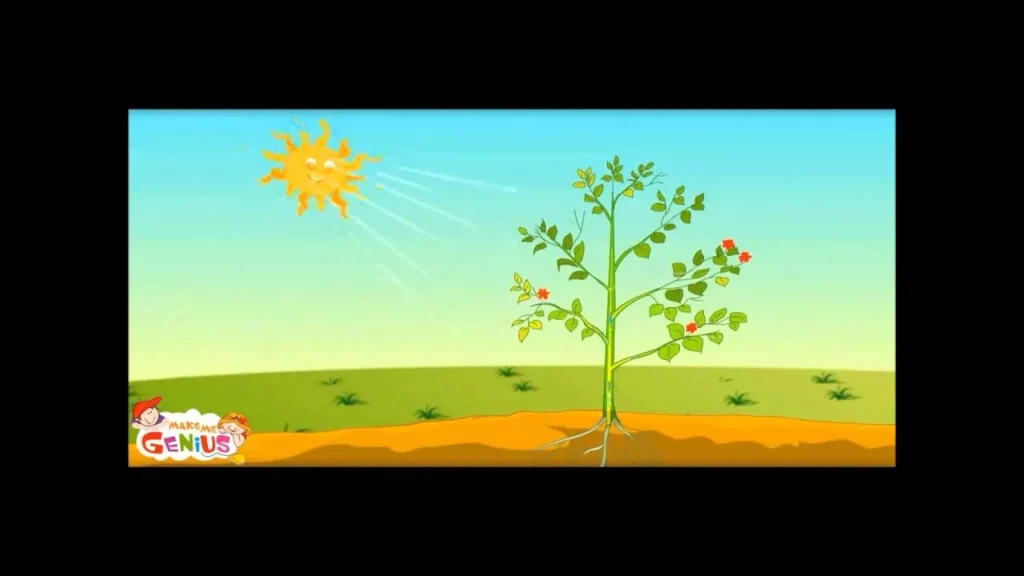
The lesson on photosynthesis explains how plants produce their own food using sunlight, water, and carbon dioxide. Through the process, plants convert these ingredients into glucose for energy and release oxygen, which is vital for animals and humans. This process not only sustains plant life but also plays a crucial role in maintaining the balance of oxygen and carbon dioxide in the environment, highlighting the importance of plants in our ecosystem.