
What Causes Seasons to Change?
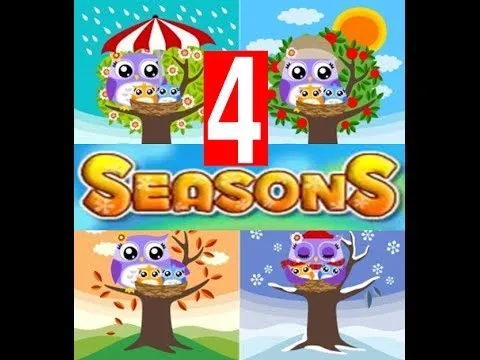
The lesson “Discovering the Four Seasons” explores the characteristics and significance of winter, spring, summer, and autumn, highlighting how each season brings unique weather, activities, and natural beauty. It explains that the changing seasons result from the Earth’s orbit around the Sun and its axial tilt, which affect the amount of sunlight different regions receive. By understanding these seasonal changes, we can better appreciate nature’s diversity and the various experiences each season offers.
Know About Mahatma Gandhi

The lesson on Mahatma Gandhi highlights his pivotal role in India’s struggle for independence through non-violent resistance and peaceful protests. Born in 1869, Gandhi’s experiences in South Africa shaped his philosophy of “Satyagraha,” which he later applied in India during significant movements like the Salt March and the Quit India Movement. His legacy of non-violence continues to inspire global civil rights movements, emphasizing the enduring impact of his beliefs on justice and equality.
Tooth Structure
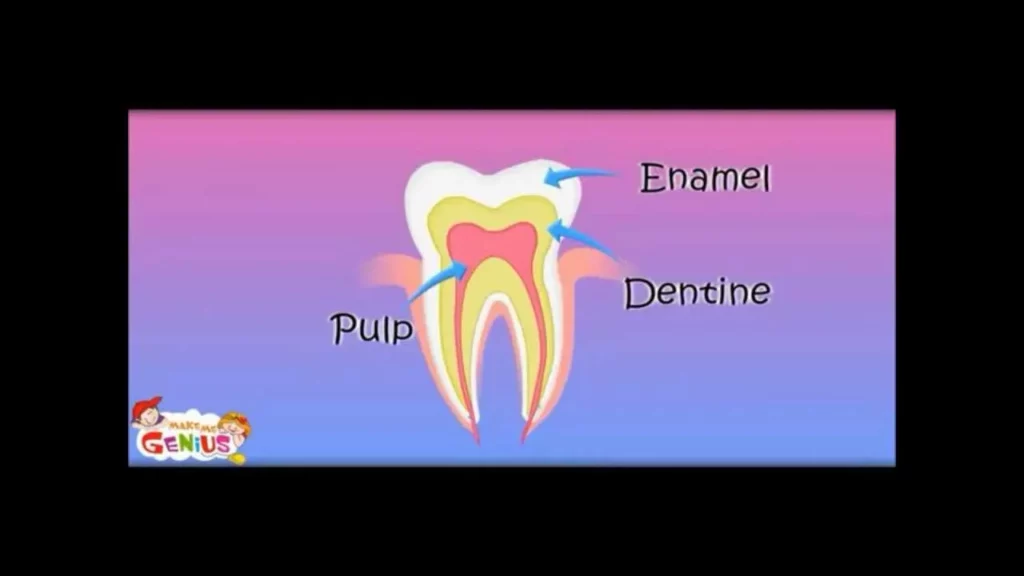
This lesson explains the structure of teeth, highlighting the three main parts: enamel, dentin, and pulp. Enamel serves as a protective outer layer, dentin provides sensitivity and some self-repair capabilities, and pulp contains nerves and blood vessels essential for tooth health. Understanding these layers emphasizes the importance of proper dental care to maintain strong and healthy teeth.
What is Atmospheric Pressure?
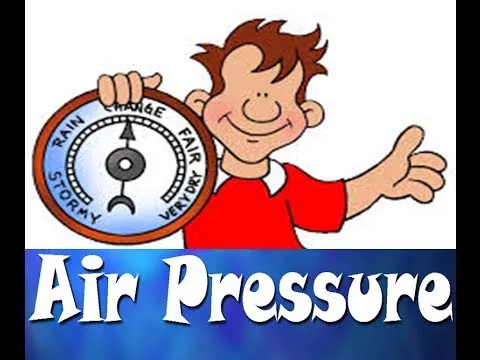
The lesson on atmospheric pressure explains that it is the force exerted by the weight of air in the Earth’s atmosphere, which is about 14.7 pounds per square inch at sea level. Despite its strength, we are not crushed by this pressure because our bodies maintain an internal balance. The lesson includes a simple experiment demonstrating atmospheric pressure’s effects, highlighting its significance in our daily lives and its essential role in processes like breathing.
What is a Pulley?

The lesson on pulleys introduces students to the concept of simple machines, highlighting how they make tasks easier by allowing us to use force more effectively. Pulleys, which consist of a wheel and a rope or chain, enable us to lift heavy objects with less effort by changing the direction of the force applied. Understanding how pulleys work not only enhances our knowledge of science and engineering but also illustrates their practical applications in everyday life.
What is Water Pollution?
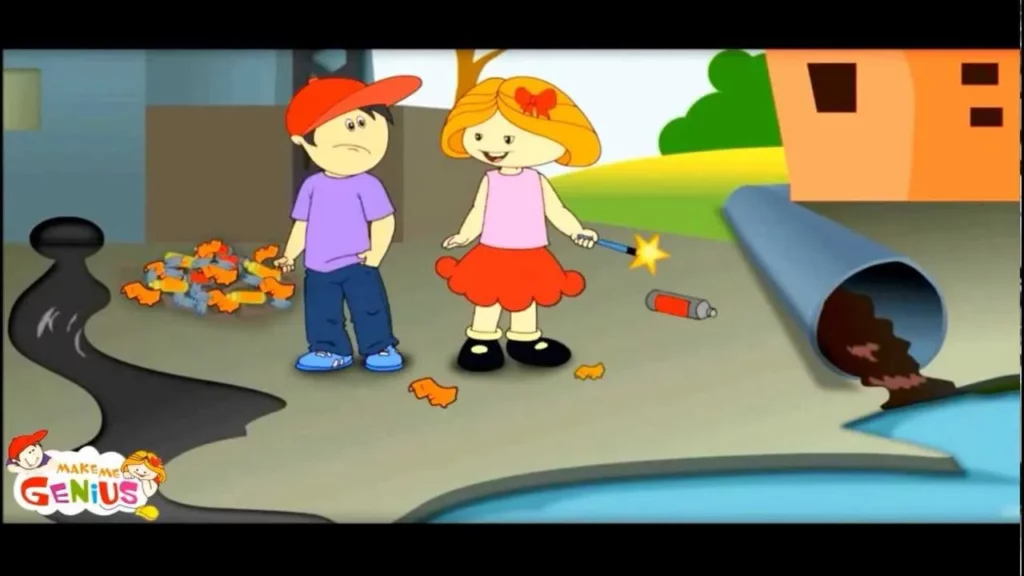
The lesson on pollution highlights its various types—air, water, soil, and noise—and their detrimental effects on both health and the environment. It emphasizes that pollution arises from harmful substances entering our surroundings, leading to serious health issues such as respiratory problems and waterborne diseases. Understanding the causes and impacts of pollution is crucial for raising awareness and promoting eco-friendly practices to create a healthier planet.
Magnets & Magnetism
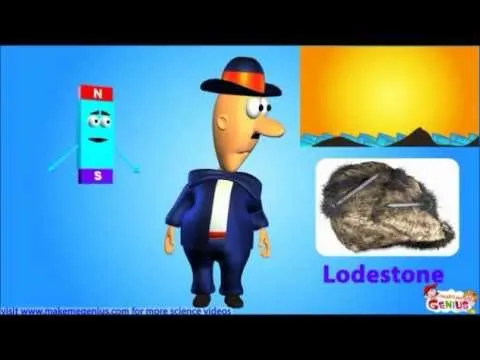
In this lesson, students explore the fascinating world of magnets, learning about their properties, types, and historical significance. They discover how magnets attract certain metals, the concept of magnetic poles, and the role of magnets in navigation, particularly through the invention of the compass. The lesson also encourages hands-on experimentation to deepen understanding of magnetism and its practical applications in technology and everyday life.
Metamorphic Rocks
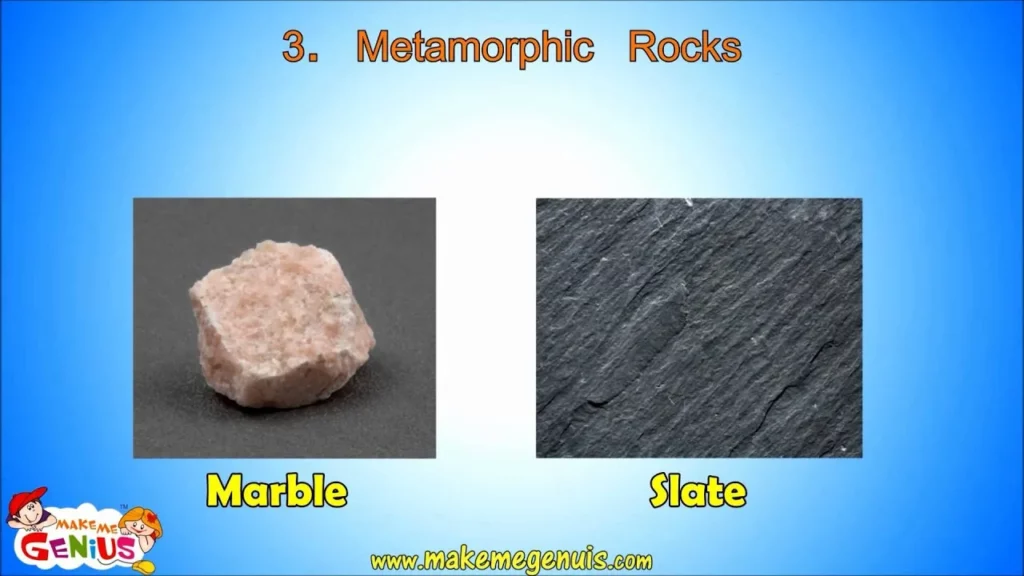
In this lesson, we explored metamorphic rocks, which are formed from the transformation of igneous or sedimentary rocks due to intense heat, pressure, and chemically active fluids. We learned that common examples include marble, derived from limestone, and slate, which originates from clay, highlighting the dynamic processes that shape our planet and the interconnectedness of different rock types. Understanding metamorphic rocks enhances our appreciation of Earth’s geological history and the powerful forces at work beneath the surface.
Producers, Consumers and Decomposers
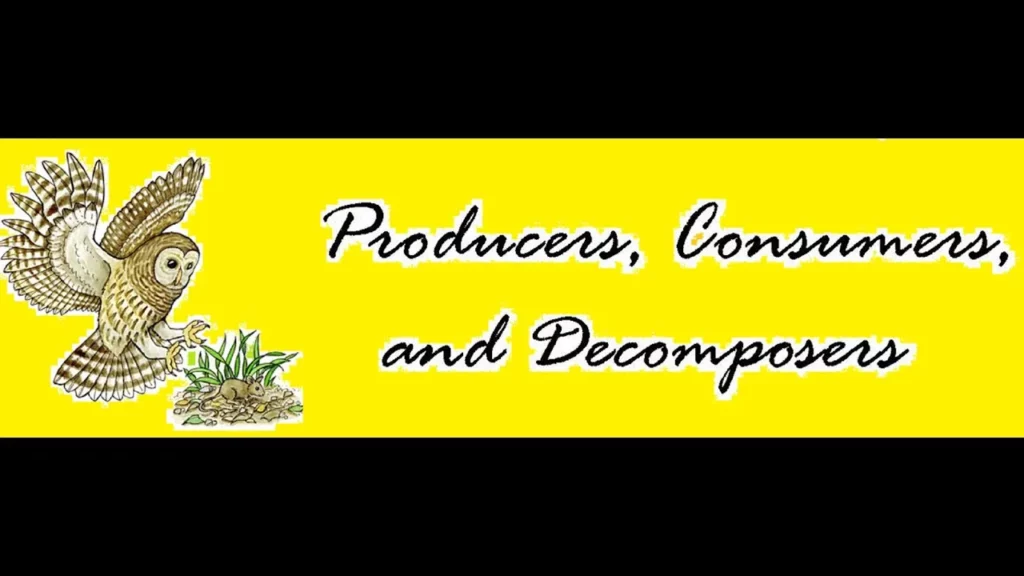
The lesson on the pond ecosystem highlights the essential roles of producers, consumers, and decomposers in maintaining a balanced environment. Producers, such as phytoplankton and aquatic plants, create food and oxygen through photosynthesis, while consumers, including vertebrates and invertebrates, rely on these producers for energy. Decomposers, like fungi and bacteria, recycle nutrients from dead organisms, ensuring the health of the ecosystem and illustrating the interconnectedness of all living things in the pond.
Erosion and Weathering
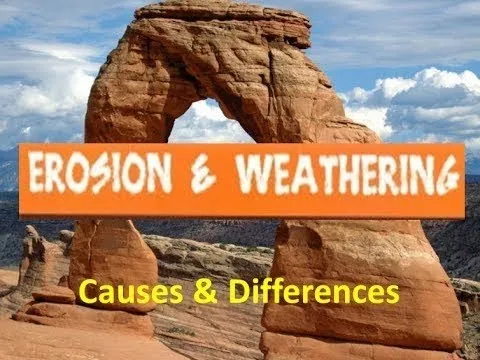
This lesson explores the processes of weathering and erosion, which are essential in shaping the Earth’s landscapes. Weathering breaks down rocks into smaller pieces through physical and chemical means, while erosion transports these fragments via natural forces like water, wind, and ice. Together, these processes create diverse geological features and contribute to the formation of soil and habitats over time.