
Fat & Carbohydrates

This lesson explains the importance of carbohydrates and fats as energy sources for our bodies. Carbohydrates provide quick energy, with simple carbs offering immediate bursts and complex carbs delivering sustained energy, while fats serve as a slower energy source that supports vital functions. Emphasizing the need for a balanced diet and regular physical activity, the lesson highlights how understanding these nutrients can help us make healthier food choices.
Newton’s 3rd Law of Motion

In this lesson, students explore Newton’s Third Law of Motion, which states that for every action, there is an equal and opposite reaction. Through everyday examples, such as dropping a tennis ball and riding a bicycle, learners see how this law explains the interactions and movements of objects around them. By recognizing action-reaction pairs, students gain a deeper appreciation for the practical applications of Newton’s laws in daily life.
Endocrine System

The lesson on the endocrine system highlights its crucial role as the body’s “silent conductor,” coordinating various functions through hormones produced by different glands. Key components, such as the pituitary, thyroid, adrenal glands, and pancreas, each play vital roles in growth, metabolism, stress response, and reproductive health. Understanding the endocrine system emphasizes the importance of hormone balance for overall well-being and the harmonious functioning of the body.
Sense of Taste & Smell

The lesson on “Understanding the Sense of Taste” explores how taste, facilitated by taste buds, allows us to enjoy a variety of flavors through five basic tastes: sweet, salty, sour, bitter, and umami. It highlights the intricate connection between taste and smell, emphasizing how our sense of smell enhances our flavor experience, while also noting the limitations of human olfactory abilities compared to other animals. Overall, the lesson underscores the biological and sensory aspects of taste, enriching our appreciation for food and cooking.
Blood Types & Groups
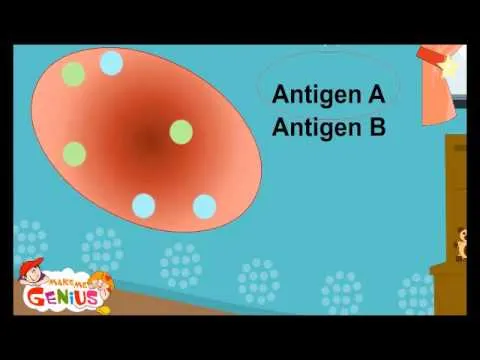
The lesson “Understanding Blood Types: A Fun Guide” explains the significance of blood types and the role of antigens in identifying them. It outlines the four main blood types—A, B, AB, and O—and emphasizes the importance of knowing one’s blood type for safe blood transfusions, pregnancy management, and organ transplants. Understanding blood types enhances our knowledge of how our bodies function and the critical medical practices associated with them.
Thanksgiving Story

Thanksgiving is a significant holiday in the United States that originated in 1621 when the Pilgrims celebrated their successful harvest with a feast alongside the Wampanoag people, including the helpful Native American Squanto. Today, Thanksgiving serves as a time for people to express gratitude for their blessings, enjoy traditional foods like turkey and pumpkin pie, and cherish moments spent with family and friends. The holiday emphasizes the importance of thankfulness and community, reflecting its rich historical roots.
Moon Phases

The lesson “Discovering the Phases of the Moon” explores the moon’s changing appearance as it orbits the Earth, highlighting the eight distinct phases it undergoes over a lunar month of approximately 29.5 days. Understanding these phases not only enhances our appreciation of the moon’s beauty but also connects to broader concepts such as tides and cultural significance. By observing the moon from different locations, we can also appreciate how its phases are perceived differently around the world.
What is High & Low Blood Pressure?
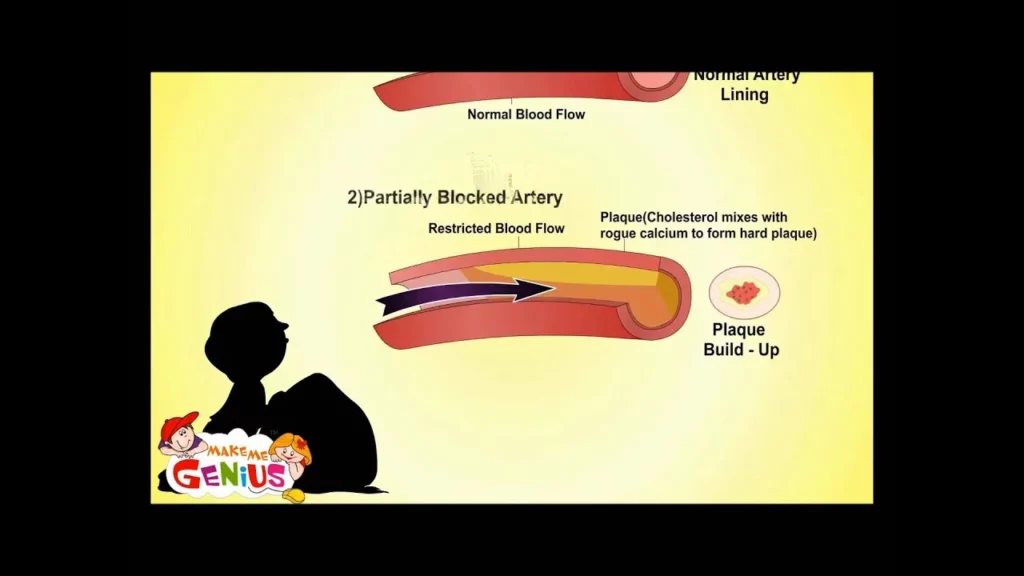
This lesson emphasizes the significance of blood volume and pressure in the human body, highlighting that an adult typically has about 5 liters of blood and the critical role of blood donation in saving lives. It explains the concepts of high blood pressure (hypertension) and low blood pressure (hypotension), detailing their causes and potential health risks. Understanding these factors is essential for maintaining good health and making informed decisions regarding medical care.
Magnetic Domains

This lesson explores the concept of temporary magnetism, demonstrated through the example of a paper clip becoming magnetized when rubbed against a magnet. It explains the role of magnetic domains and the alignment of electrons in certain metals, which allows them to temporarily exhibit magnetic properties. The lesson also highlights practical applications of temporary magnetism, such as electromagnets and magnetic storage devices, emphasizing its significance in both science and everyday life.
The Muscular System

The lesson on the human muscular system highlights the importance of muscles in facilitating movement and supporting bodily functions, emphasizing that there are approximately 600 muscles in the body. It categorizes muscles into three types: smooth muscles, which operate involuntarily in organs; cardiac muscles, which are specialized for the heart; and skeletal muscles, which are under voluntary control and enable movement. To maintain muscle health, the lesson stresses the significance of regular exercise, a balanced diet, hydration, and adequate rest.