
Exothermic and Endothermic Reactions
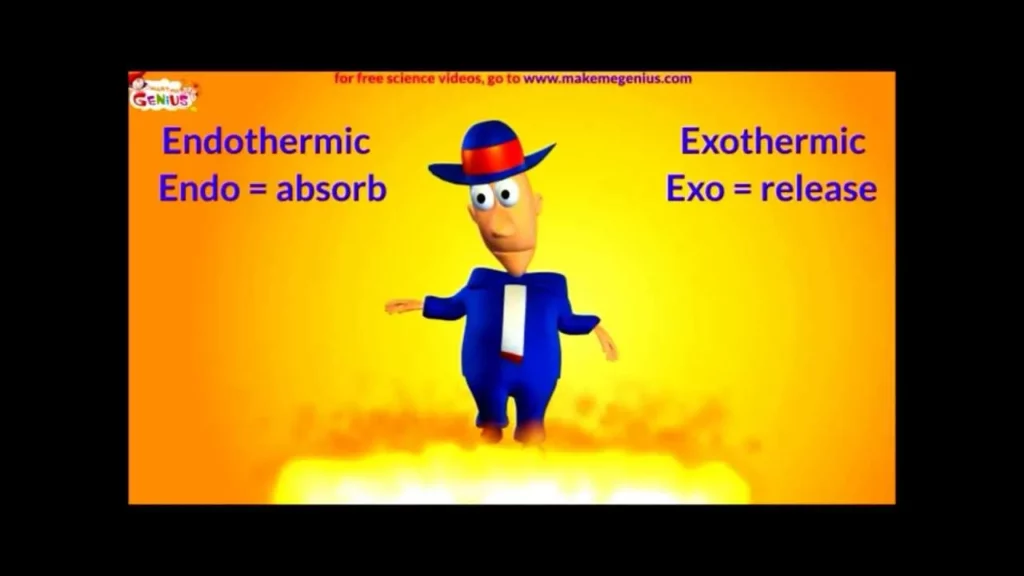
This lesson explains the concepts of endothermic and exothermic reactions, highlighting their definitions and the heat exchange involved in each type. Exothermic reactions release heat, warming their surroundings, while endothermic reactions absorb heat, resulting in a cooling effect. Understanding these reactions is crucial for energy management, biological processes, and addressing environmental challenges.
Longitude and Latitude
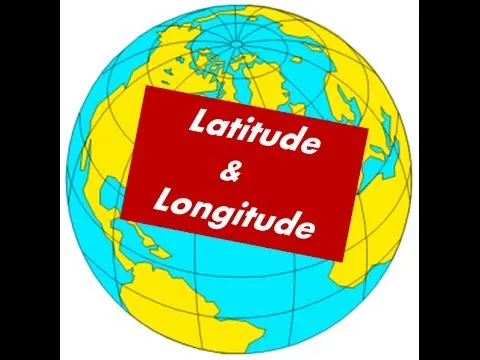
In this lesson, students learn about the geographic coordinates of Paris, which are approximately 48.8° North latitude and 2.3° East longitude. The lesson explains the concepts of latitude and longitude, including key lines such as the equator and the Prime Meridian, and emphasizes their importance in locating places on Earth. By understanding these coordinates, learners gain a deeper appreciation for geography and the tools that help us navigate the world.
Newton’s 2nd Law of Motion

Newton’s Second Law of Motion explains the relationship between force, mass, and acceleration, encapsulated in the formula F = m × a. This law illustrates that the acceleration of an object depends on the force applied and its mass, demonstrating that lighter objects accelerate more easily than heavier ones when the same force is applied. Understanding this principle is crucial in various fields, including engineering, sports, and automotive safety, as it informs how we design and interact with the physical world.
What is Air Pollution?
The lesson on pollution highlights its definition, causes, and effects on both the environment and human health. It discusses various types of pollution, particularly air pollution from factories and vehicles, as well as the detrimental impact of deforestation on air quality and climate. Emphasizing the importance of trees in maintaining a healthy planet, the lesson encourages proactive measures like tree planting and energy conservation to combat pollution and promote a cleaner future.
Global Warming, Greenhouse Effect, Ozone Layer
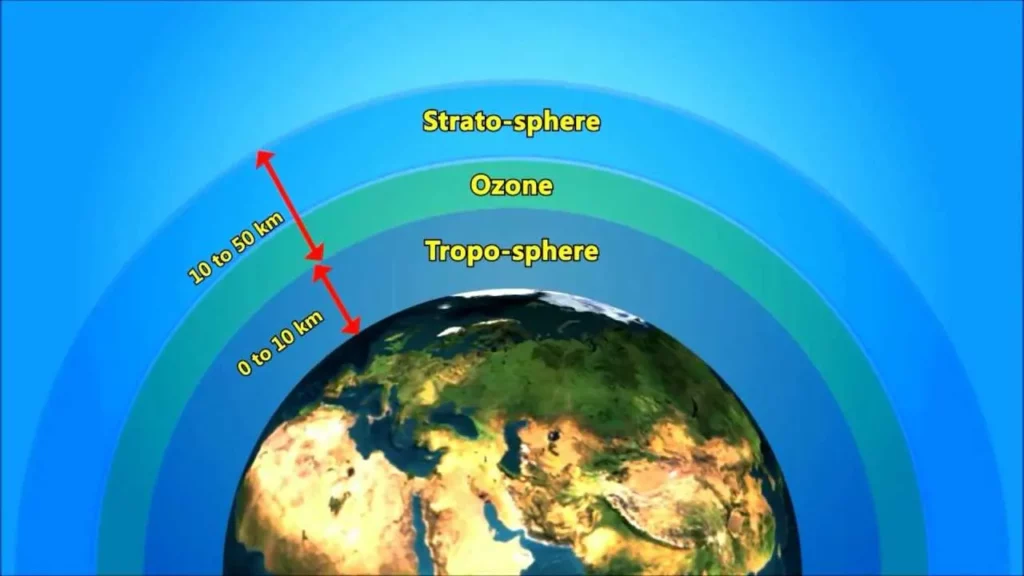
The lesson explains the concepts of global warming and the greenhouse effect, highlighting how greenhouse gases like carbon dioxide, methane, and nitrous oxide are essential for maintaining Earth’s temperature but are being excessively emitted by human activities. It also discusses the importance of the ozone layer in protecting against harmful UV rays and the threats posed by substances like chlorofluorocarbons (CFCs) to this protective layer. Ultimately, the lesson emphasizes the need for collective action to reduce greenhouse gas emissions and safeguard the ozone layer for a healthier planet.
Plants Roots
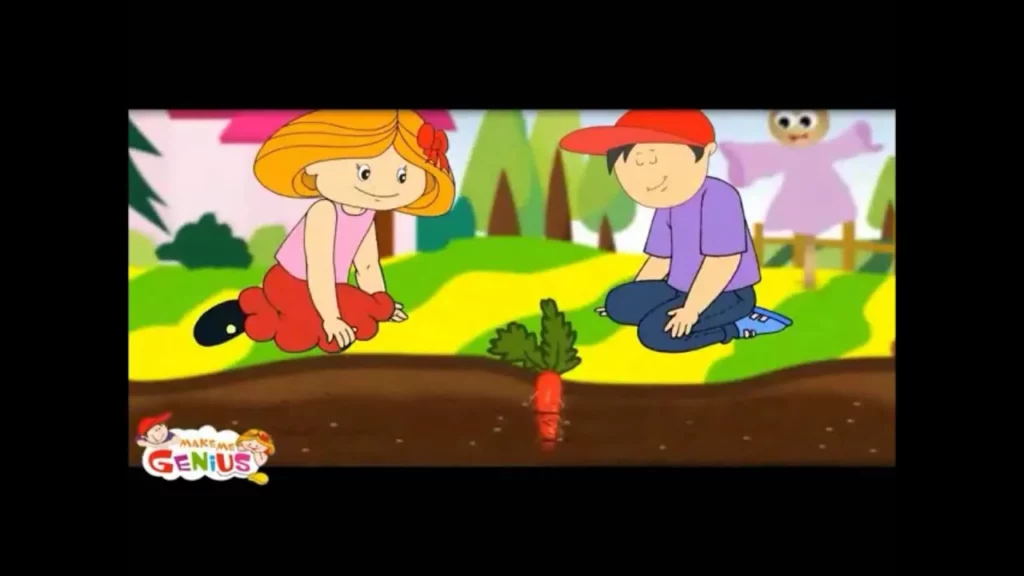
The lesson “Understanding Roots: The Foundation of Plant Life” explores the crucial role of roots in plant health and growth, highlighting two main types: tap roots and fibrous roots. Tap roots, like those of carrots, penetrate deep into the soil to access water and nutrients, while fibrous roots, found in grasses, spread out near the surface to quickly absorb moisture and nutrients. Understanding these root systems emphasizes the importance of plants in our ecosystem and their contributions to food production.
Urinary System

The lesson on the urinary system explains its crucial role in filtering waste and maintaining fluid balance in the body. Key components include the kidneys, ureters, bladder, and urethra, all working together to produce and eliminate urine. Understanding this system highlights the importance of hydration and urinary health for overall well-being.
Igneous Rocks
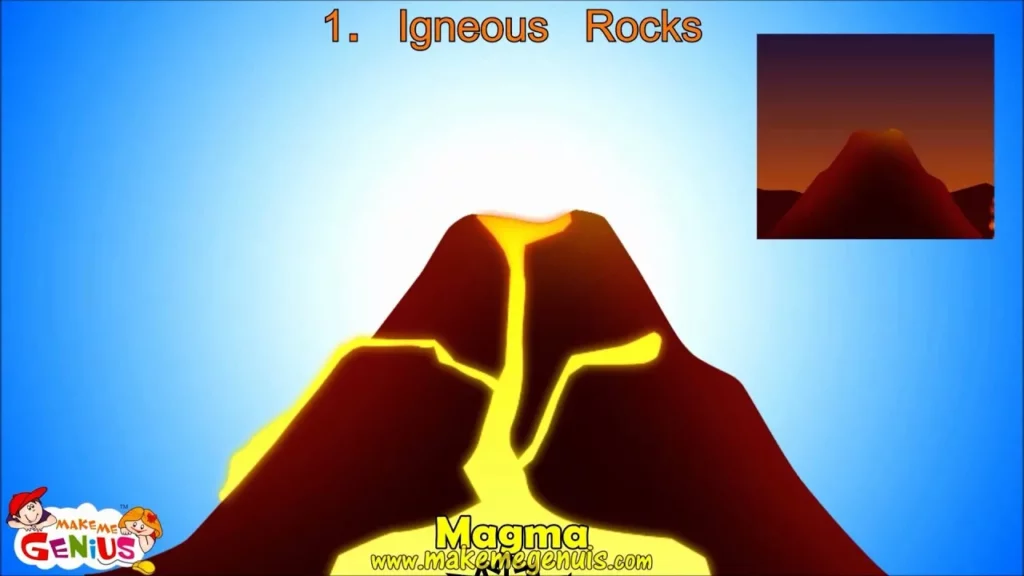
This lesson explores the formation of igneous rocks, which are created from molten material called magma that cools and solidifies either beneath the Earth’s surface (intrusive) or on the surface after a volcanic eruption (extrusive). It highlights the differences between intrusive rocks, like granite, which have large crystals due to slow cooling, and extrusive rocks, like basalt, which have small crystals from rapid cooling. Understanding these processes not only reveals the dynamic nature of our planet but also connects us to Earth’s geological history and resources.
Tendons
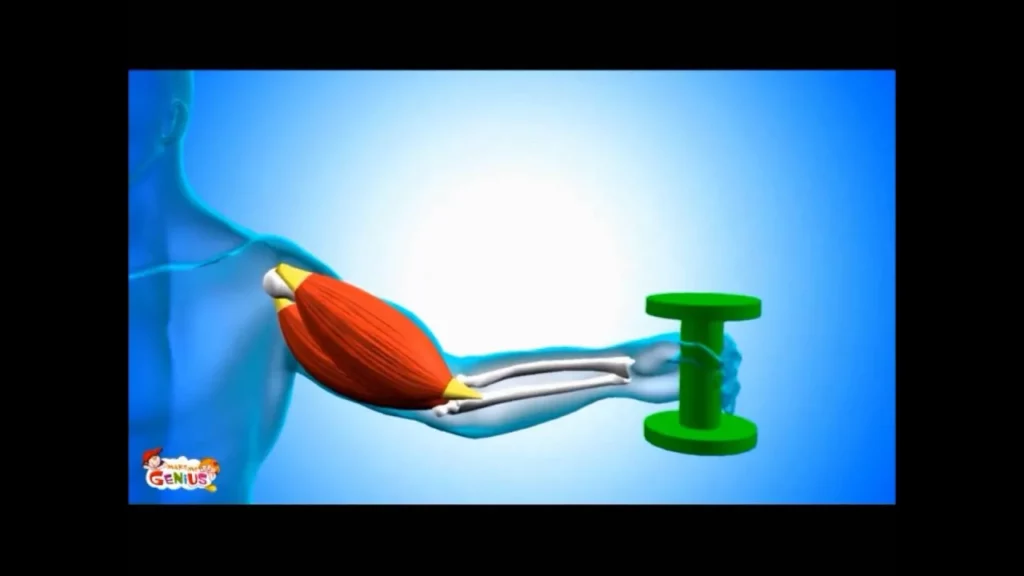
The lesson on voluntary muscles explains their role in enabling movement and their connection to our bones through tendons. Voluntary muscles, or skeletal muscles, are under our conscious control, allowing us to perform various activities like walking, running, and playing sports. Understanding how these muscles function and their importance in daily life highlights the need for physical activity to maintain strength and overall health.
4 Basic Needs of Living Things

The lesson “Understanding the Basic Needs of Living Things” emphasizes that all living organisms require air, food, water, and a suitable habitat to survive. It highlights how different species have unique adaptations to meet these needs, such as how animals obtain air and food, and how plants use sunlight for photosynthesis. By recognizing and protecting these essential requirements, we can ensure the health and survival of diverse life forms on Earth.