
Bacteria
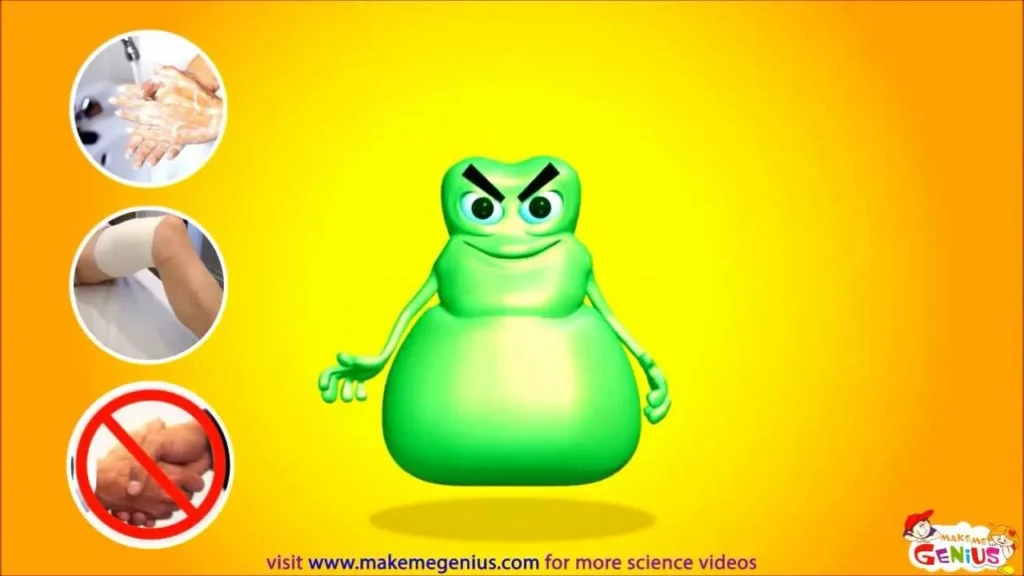
The lesson “Understanding Bacteria: Friends and Foes” highlights the dual nature of bacteria, emphasizing that while many are beneficial and play crucial roles in processes like yogurt production and digestion, some can be harmful pathogens that cause diseases. It also discusses the importance of the immune system in defending against these harmful bacteria and provides practical tips for preventing infections through good hygiene practices. Overall, the lesson encourages an appreciation for bacteria’s roles in our lives while promoting health and safety measures.
What is an Atom?
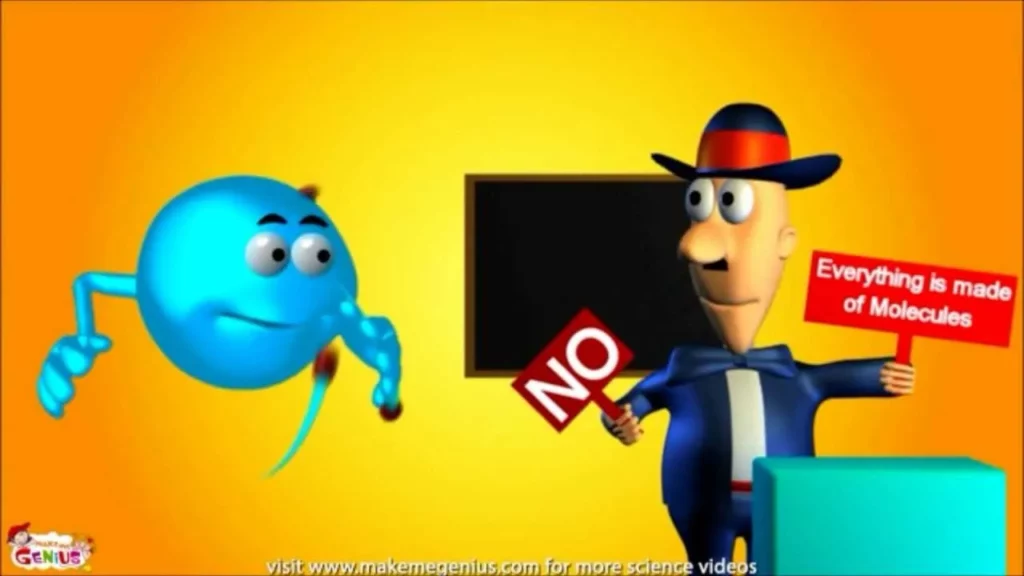
The lesson “Understanding Atoms: The Building Blocks of Matter” introduces atoms as the fundamental components that constitute all matter, emphasizing their small size and the necessity of advanced tools to observe them. It explains the structure of atoms, including their three main parts—protons, neutrons, and electrons—and illustrates how atoms bond to form molecules, using water (H₂O) as a key example. By grasping the concepts of atomic composition and chemical bonding, learners gain insight into the foundational principles of chemistry and physics.
Biotic and Abiotic Factors
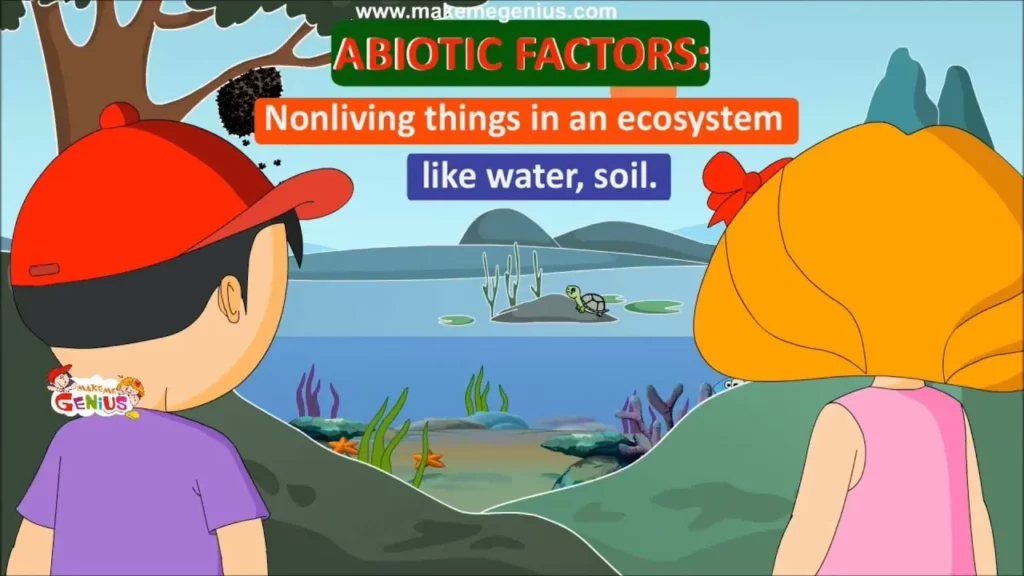
The lesson on pond ecosystems highlights the importance of understanding both biotic (living) and abiotic (non-living) factors that influence these environments. Biotic factors include various organisms such as aquatic plants, fish, amphibians, and invertebrates, while abiotic factors encompass elements like water, sunlight, soil, and dissolved oxygen. The interdependence of these factors is crucial, as changes in one can significantly impact the entire ecosystem, emphasizing the need for conservation and protection of these vital habitats.
Solution Solvent Solute
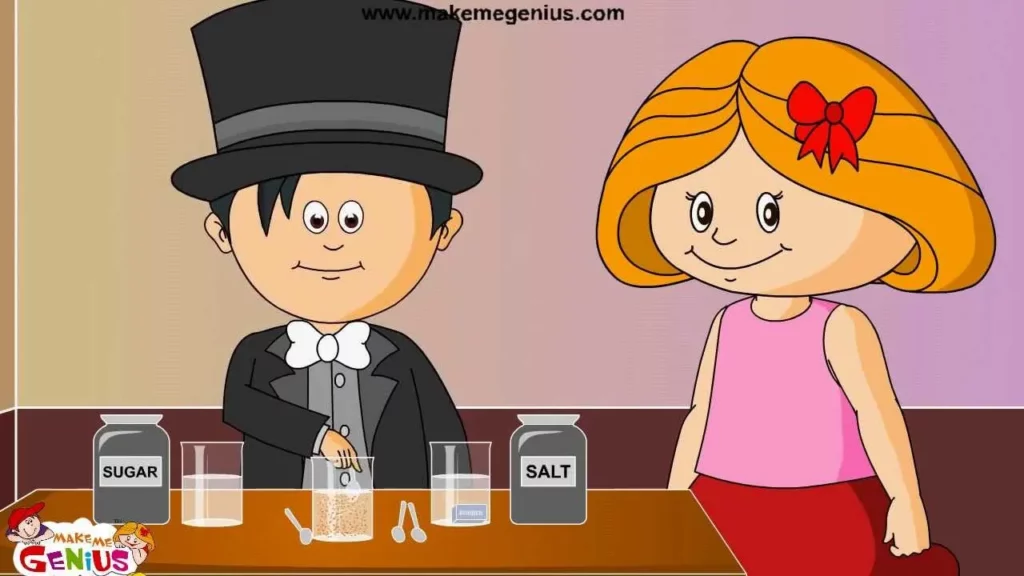
In this lesson, we explored the concept of solutions, focusing on the roles of solutes and solvents, particularly how substances like sugar dissolve in water. We learned about the factors that influence solubility, such as mixing, temperature, and the amount of solvent, and distinguished between water-loving (hydrophilic) and water-fearing (hydrophobic) substances. Understanding these principles enhances our appreciation of everyday chemical interactions, from cooking to various scientific applications.
Greenhouse Effect
The lesson on global warming emphasizes the significance of understanding the greenhouse effect and its role in increasing Earth’s average temperature due to human activities. It explains how greenhouse gases, while essential for maintaining a stable climate, have been excessively released through practices like burning fossil fuels and deforestation, leading to severe consequences such as extreme weather, rising sea levels, and ecosystem disruption. The lesson concludes by highlighting the importance of collective efforts to reduce emissions and adopt sustainable practices to mitigate climate change for future generations.
Excretory System Parts and Functions
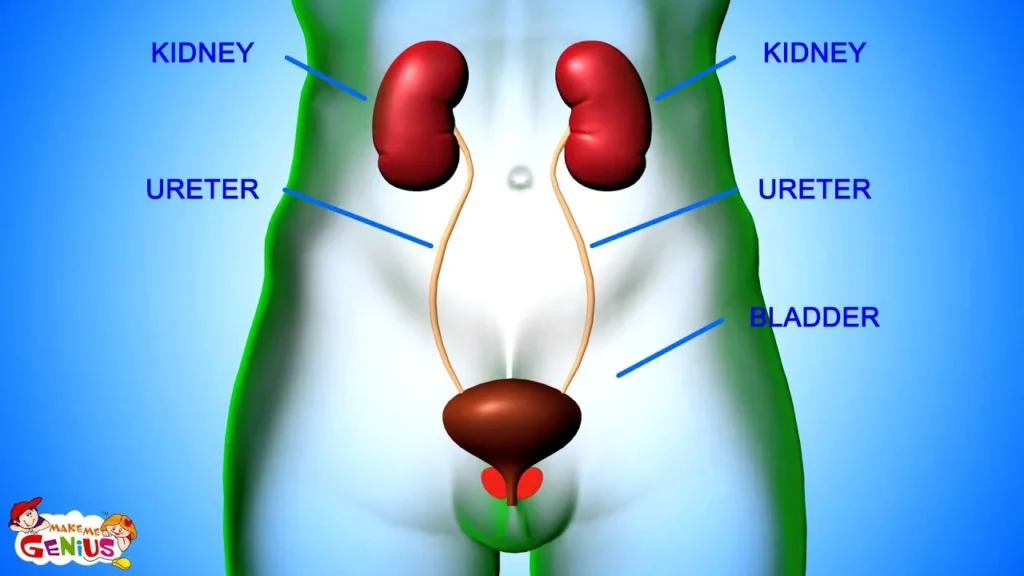
The lesson on the urinary system highlights its crucial role in maintaining fluid balance and removing liquid waste from the body. It explains how the kidneys filter blood to produce urine, which is then transported through the ureters to the bladder for storage before excretion. Understanding this system emphasizes the importance of hydration and kidney health for overall well-being.
Marie Curie and the Discovery of Radioactivity
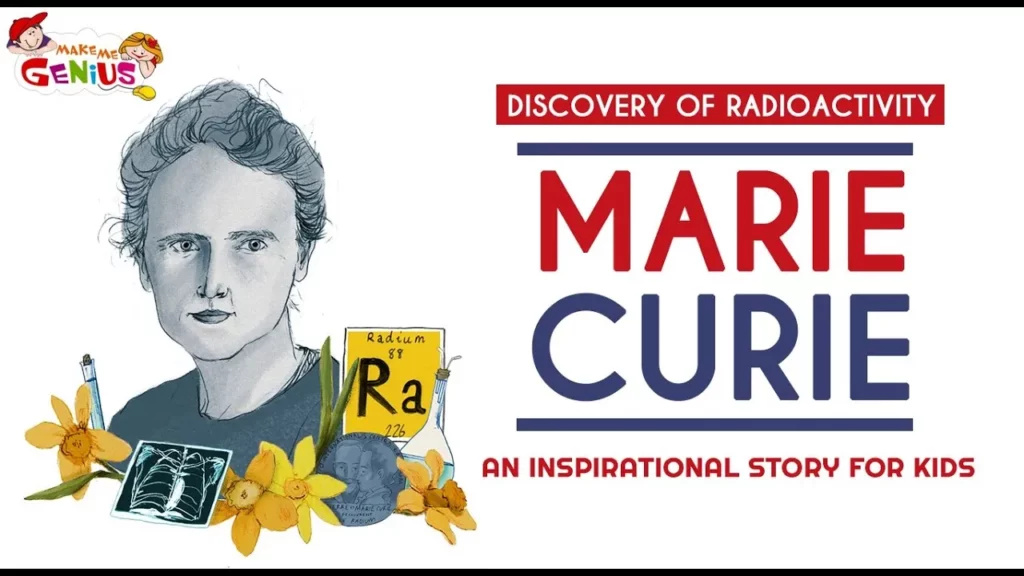
The lesson highlights the inspiring journey of Marie Curie, a pioneering scientist who made groundbreaking discoveries in radioactivity despite facing significant barriers as a woman in science. Born in Poland and later moving to France, she became the first woman to earn a PhD in science and won two Nobel Prizes in different fields, demonstrating her dedication to both research and humanitarian efforts during World War I. Curie’s legacy continues to inspire future generations, particularly women in science, emphasizing the importance of determination and the pursuit of knowledge.
Pollution Video for Kids
The lesson on pollution highlights its various types—air, noise, land, and water pollution—and their sources, emphasizing the negative impact on health and the environment. It introduces the “Three Rs” (Reduce, Reuse, Recycle) as practical solutions to combat pollution, encouraging individuals to adopt small, sustainable practices in their daily lives. Ultimately, understanding pollution and taking action can lead to a cleaner, healthier planet.
Animals Homes & Names
In the lesson “Discovering Animal Homes: A Fun Adventure in Nature,” students explore the diverse and fascinating homes that animals create or inhabit, such as nests, barns, beehives, and burrows. Each type of home serves a unique purpose, providing safety, comfort, and community for the animals. The lesson emphasizes the importance of these habitats and encourages awareness of the need to protect nature for the well-being of wildlife.
What is Pollution & its Types and Prevention
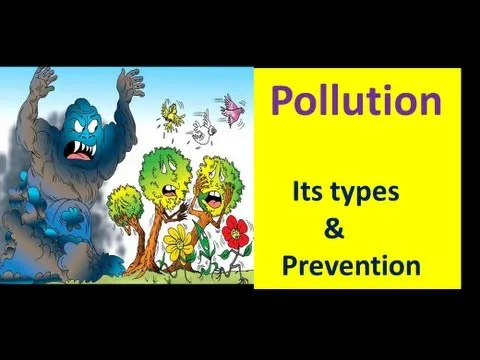
The lesson on pollution highlights its various types—air, water, land, and noise—and their detrimental effects on health and the environment. It discusses the primary causes of pollution, including industrial emissions, transportation, deforestation, and improper waste disposal. To combat pollution, the lesson emphasizes the importance of the “Three Rs”: Reduce, Reuse, and Recycle, encouraging individuals to adopt sustainable practices to create a cleaner and healthier planet.