
Ions: Cations and Anions
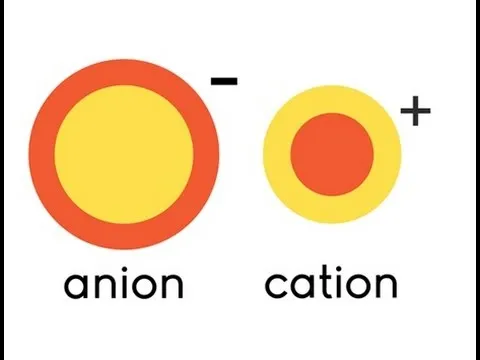
The lesson on “Understanding Atoms: The Building Blocks of Matter” explains the fundamental structure of atoms, highlighting the roles of protons, neutrons, and electrons, and their respective charges. It discusses how atoms can become cations or anions through the loss or gain of electrons, leading to charge imbalances that are crucial for forming ionic bonds and various compounds. Overall, the lesson emphasizes the importance of understanding atomic structure and charges in appreciating the complexity of matter in the world around us.
Animal Adaptations
The lesson explores how animals have evolved unique adaptations that enable them to thrive in their specific habitats, such as deserts, aquatic environments, and polar regions. By examining examples like camels, monkeys, fish, and penguins, the lesson highlights the remarkable features that allow these animals to survive and flourish in diverse conditions. Ultimately, it emphasizes the importance of understanding and protecting wildlife and their habitats for future generations.
Climate Zones of the Earth
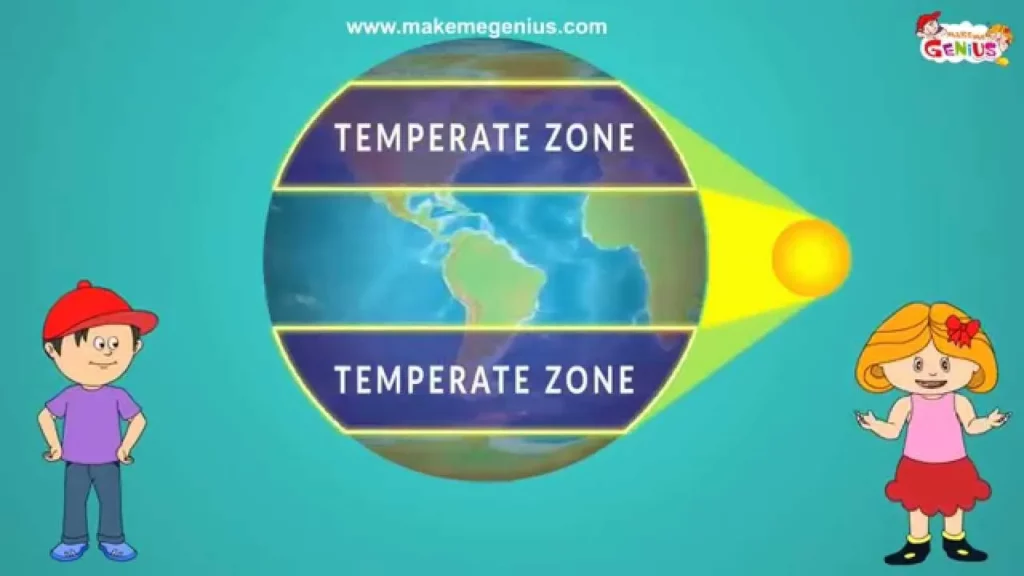
In this lesson, we explored the Earth’s three main climate zones—torrid, temperate, and polar—using a polar bear as a guide to understand their unique characteristics and weather patterns. We learned the difference between weather and climate, the impact of sunlight and elevation on temperature, and how factors like ocean currents and terrain influence climate. This knowledge helps us appreciate the diverse weather conditions across the globe.
Brain Parts & Functions
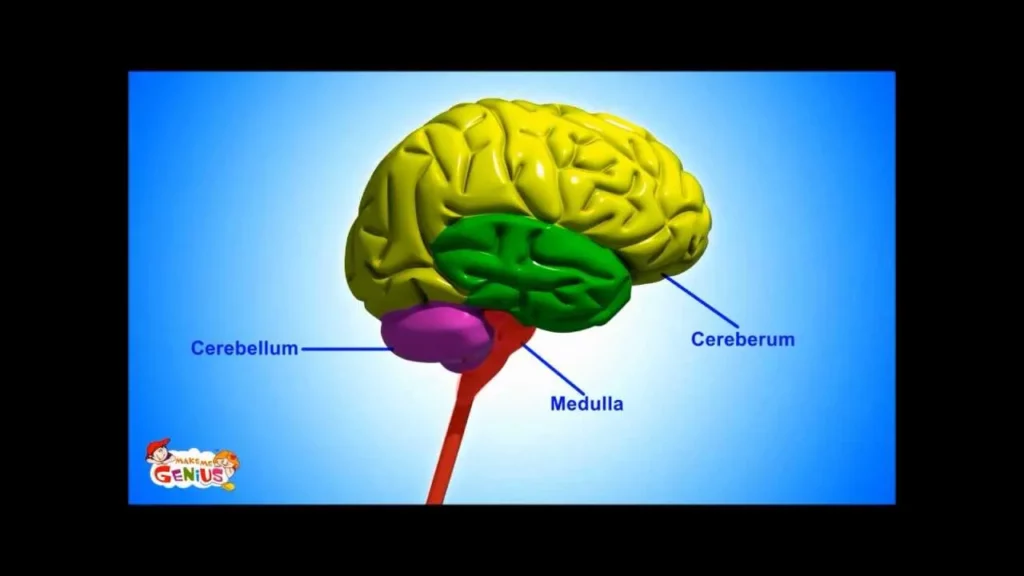
The lesson explores the human brain, highlighting its complexity and essential functions through its three main parts: the cerebrum, cerebellum, and brain stem. The cerebrum is responsible for thinking, sensation, and creativity; the cerebellum manages balance, coordination, and emotional regulation; while the brain stem oversees automatic functions like breathing and heart rate. Understanding these components enhances our appreciation of how the brain influences our daily experiences and overall well-being.
Hibernating and Migrating Animals
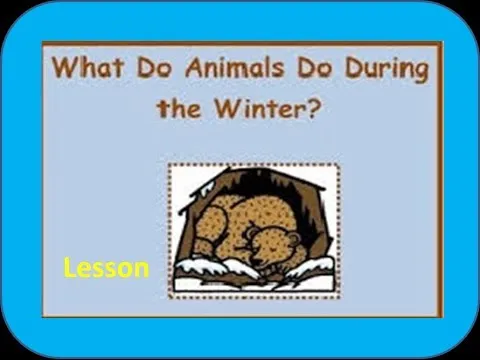
The lesson explores two fascinating survival strategies used by animals during winter: hibernation and migration. Hibernation allows animals like bears and frogs to conserve energy by entering a deep sleep state, while migration involves animals, particularly birds, traveling to warmer climates to find food and better living conditions. Both adaptations highlight the remarkable ways animals cope with the challenges of cold weather.
What is Friction?
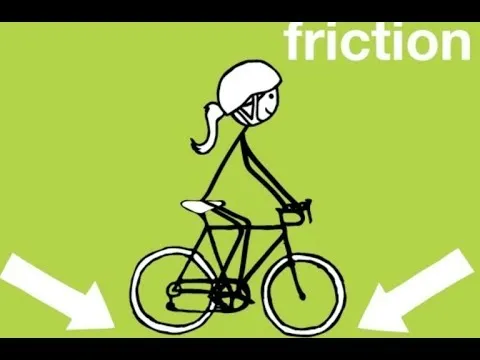
This lesson explores the concept of friction and its impact on sliding and movement. It explains that friction is a force that occurs when two surfaces interact, affecting how easily objects can slide; smoother surfaces, like socks, create less friction, making sliding easier, while rougher surfaces, like shoe soles, increase friction and hinder movement. The lesson also highlights practical applications of friction in everyday life, such as in braking systems and tire design, and encourages students to engage in hands-on activities to further understand the principles of friction.
Plants – Predators

This lesson explores the fascinating world of carnivorous plants, particularly focusing on the Venus flytrap and its unique feeding mechanisms. Unlike most plants that rely on photosynthesis, these non-photosynthetic plants have evolved to capture and digest insects to obtain essential nutrients in nutrient-poor environments. By examining various carnivorous species, we gain insight into the adaptability and diversity of life on Earth.
3 Rs: Reduce, Reuse, Recycle
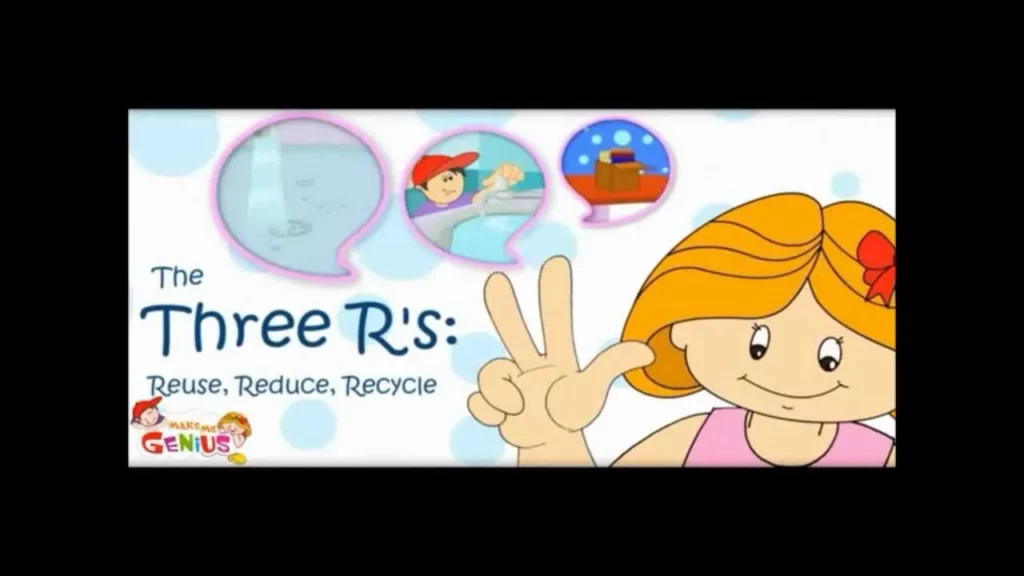
The lesson on the “Three R’s”—Reuse, Reduce, and Recycle—highlights practical strategies to combat pollution and protect the environment. Reusing items helps conserve resources, reducing waste minimizes consumption, and recycling transforms old materials into new products. By adopting these practices, individuals can contribute to a cleaner, healthier planet and inspire others to join in the effort.
Uses of Plants
This lesson emphasizes the vital role plants play in our lives, from providing oxygen through photosynthesis to serving as essential food sources and materials for shelter and clothing. It highlights the various benefits of plants, including their medicinal properties, environmental contributions, and the diverse foods they offer, such as cereals, vegetables, and pulses. The lesson concludes by stressing the importance of protecting plants to ensure a healthy planet and encourages actions like planting trees and supporting sustainable practices.
Friction

The lesson on friction explores its fundamental role in our daily lives, illustrating how it affects movement through engaging examples and experiments. By comparing the sliding ability of a child in socks versus shoes, students learn how different materials influence friction, which is a force that slows down or stops motion between surfaces. The lesson emphasizes the practical applications of friction, such as in vehicle brakes and sports, and encourages hands-on homework activities to deepen understanding of this essential scientific concept.