
Soil Profile & Layers
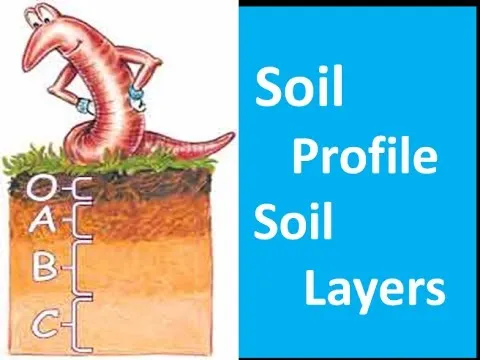
This lesson emphasizes the critical role of soil layers, particularly topsoil, in supporting plant growth. Topsoil, rich in nutrients and organic matter, is essential for healthy plants, while the other soil layers contribute to its formation and nutrient availability. Understanding these layers and the organisms within them is vital for effective gardening and farming, ultimately leading to better food production and environmental health.
Seed Parts and Germination
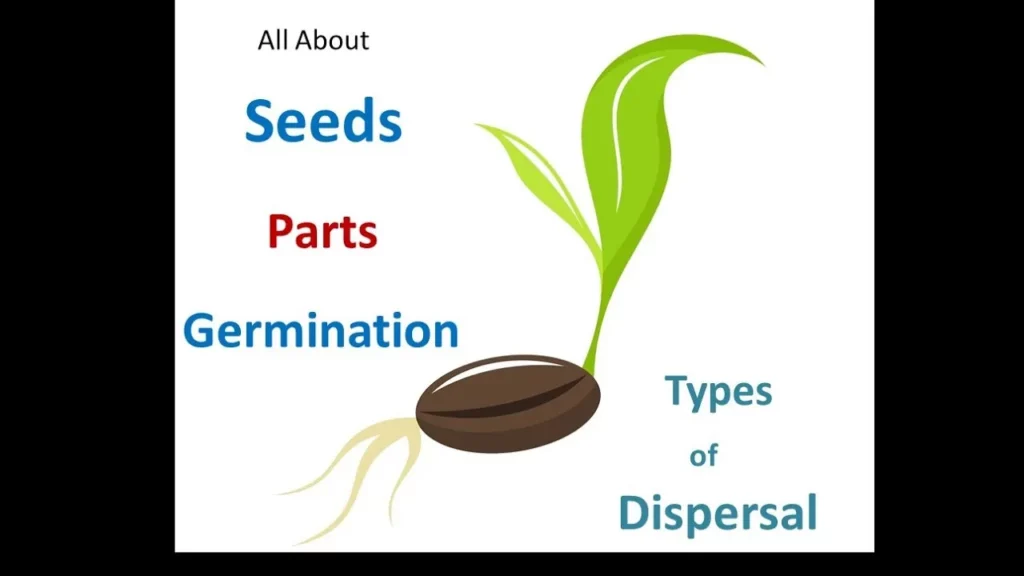
The lesson “The Journey of a Seed: From Germination to Growth” explores the fascinating process of how seeds germinate and develop into plants. It covers the essential components of a seed, the stages of germination, and the importance of seed dispersal for resource competition and genetic diversity. Ultimately, the lesson highlights the resilience and adaptability of nature as seeds embark on their journey to grow and thrive.
How Plants Make Food
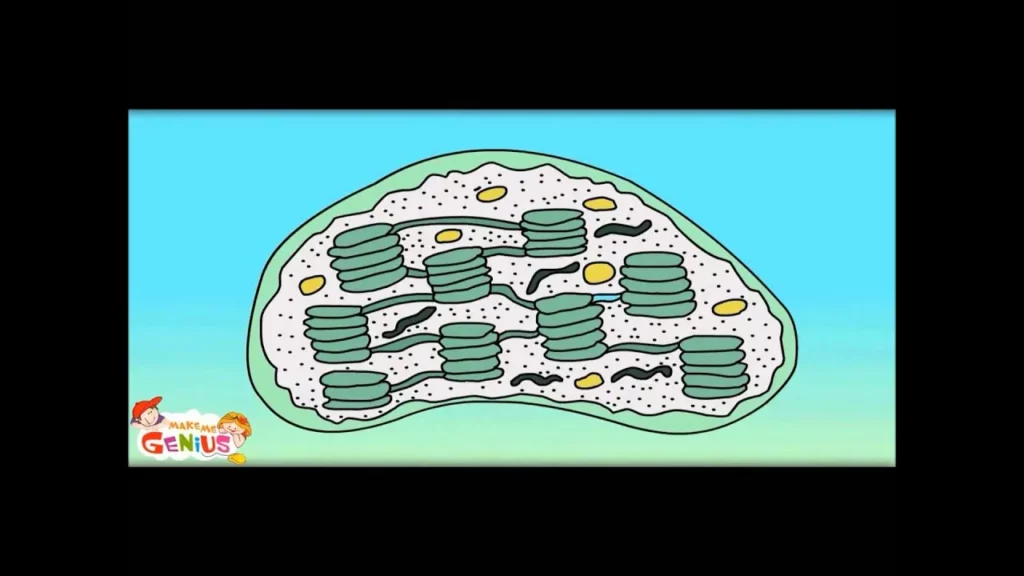
The lesson on “Understanding Photosynthesis and Plant Nutrition” explains the vital process of photosynthesis, where plants convert sunlight, carbon dioxide, and water into glucose and oxygen using chloroplasts in their leaves. It also highlights the existence of non-photosynthetic plants, such as fungi and carnivorous plants, which obtain nutrients through alternative methods. Overall, the lesson emphasizes the importance of plants in our ecosystem and the diverse ways they sustain themselves.
Road Safety Rules and Tips
The lesson on “Understanding Road Safety and Traffic Rules” emphasizes the importance of following traffic signals, safe practices in vehicles, and proper road-crossing techniques to ensure safety for everyone, especially children. Key points include the meanings of traffic light colors, the necessity of wearing seat belts, and the importance of using pedestrian crossings while being aware of road signs. By adhering to these rules, individuals can contribute to safer road environments.
Circulatory System
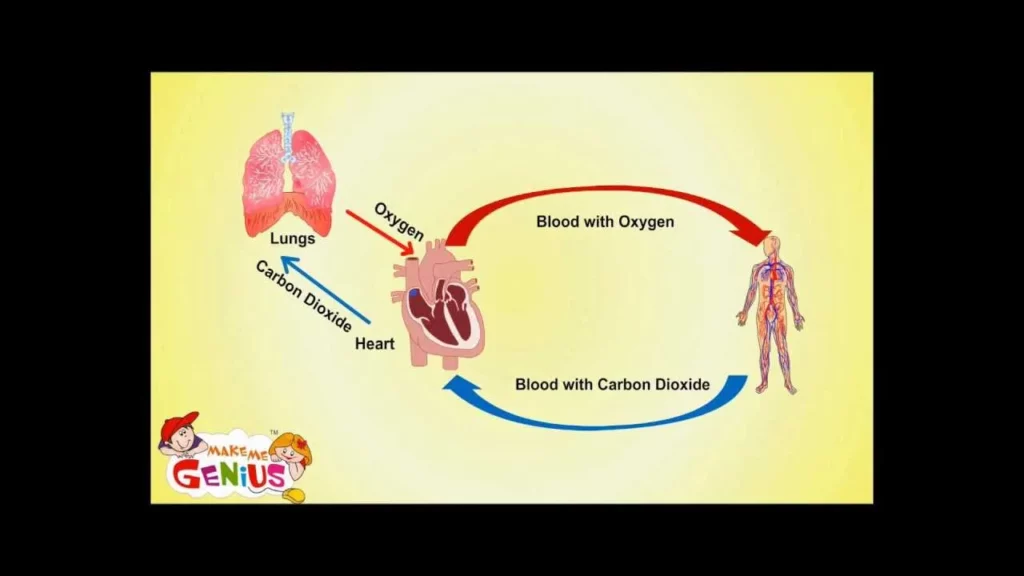
The lesson on the human heart and circulatory system highlights the heart’s vital role as a pump that circulates oxygen-rich blood throughout the body while removing waste products. It explains the heart’s structure, including its four chambers and valves, and describes how the circulatory system functions as a continuous loop with arteries and veins. Understanding these concepts emphasizes the importance of oxygen for energy production and the need for a healthy lifestyle to maintain heart health.
Food Pyramid & Nutrition
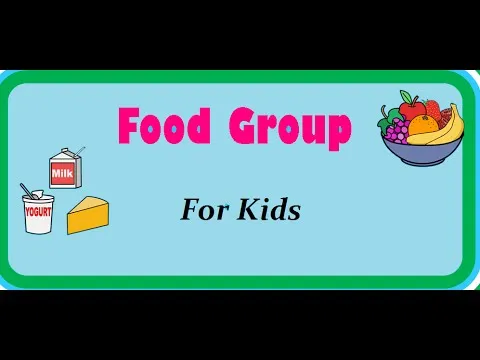
The lesson emphasizes the significance of food in providing energy and essential nutrients for growth and health. It outlines the five main types of food—carbohydrates, fats, proteins, vitamins and minerals, and water—highlighting their unique roles in maintaining a balanced diet. By understanding these food groups and incorporating a variety of them into our meals, we can make informed choices that support our overall well-being.
Rocks Types & Rock Cycle
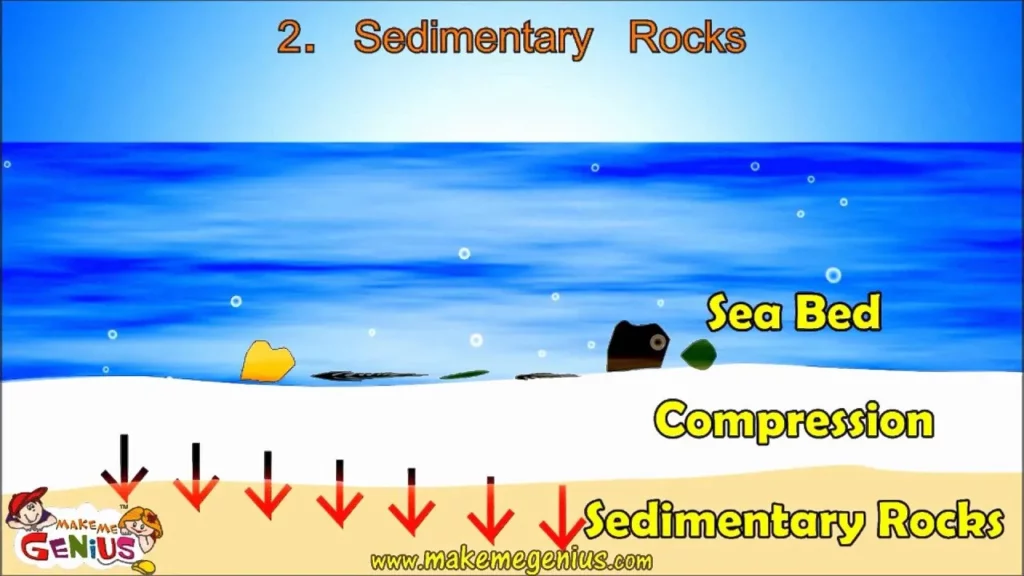
In this lesson, we explored the significance of rocks in forming the Earth’s crust and the processes involved in the rock cycle. We learned about the three main types of rocks: igneous, formed from cooled magma or lava; sedimentary, created from accumulated sediments; and metamorphic, which arise from the transformation of existing rocks under heat and pressure. By understanding these concepts, we can appreciate the dynamic nature of rocks and their interconnectedness in the environment.
Food Pyramid
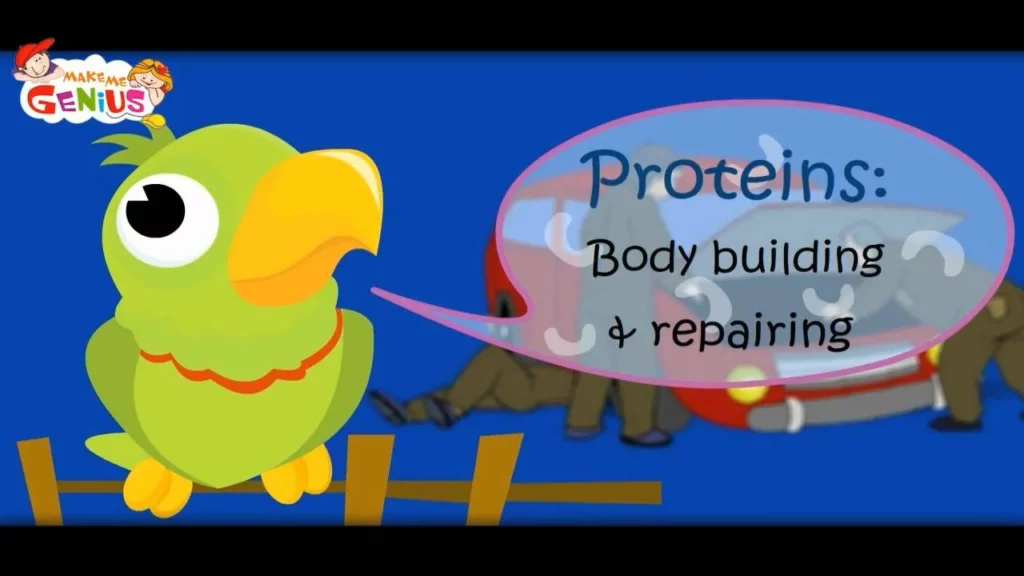
This lesson emphasizes the significance of a balanced diet, highlighting the five main food groups: carbohydrates, fats, proteins, vitamins and minerals, and water. Each group plays a unique role in maintaining our health, providing energy, supporting growth, and strengthening our immune system. By understanding these food types and their benefits, we can make informed dietary choices that promote overall well-being.
The Carbon Cycle & Global Warming
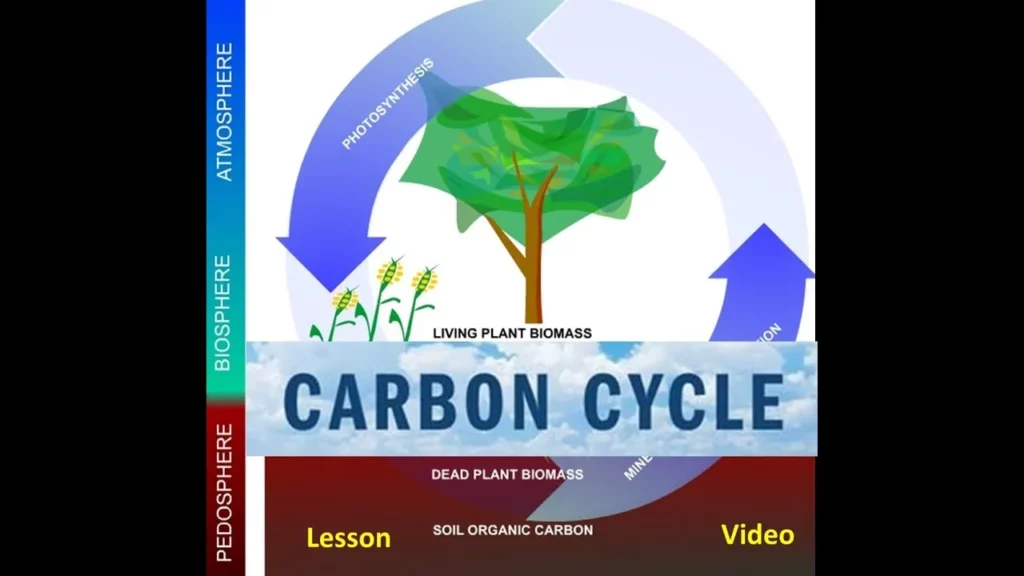
The lesson on “Understanding Carbon and the Carbon Cycle” emphasizes the essential role of carbon in all living organisms and the natural processes that facilitate its movement through ecosystems. It explains how photosynthesis, respiration, and the decomposition of organic matter contribute to the carbon cycle, while also highlighting the impact of human activities, such as fossil fuel combustion and deforestation, on this delicate balance. By recognizing our influence on the carbon cycle, we can take meaningful actions to mitigate climate change and protect the environment.
Pond Ecosystem
The lesson on pond ecosystems introduces the intricate relationships between living (biotic) and non-living (abiotic) components that create a balanced environment. It explains the roles of producers, consumers, and decomposers, highlighting how energy and nutrients flow through food chains within the ecosystem. Overall, the guide emphasizes the importance of understanding these interactions to appreciate the complexity of nature.