
Maps for Kids
In this lesson, students learn about cardinal directions (North, South, East, and West) and how to read various types of maps, including political, physical, relief, and topographic maps. The lesson also covers the importance of map symbols and the differences between globes and flat maps, introducing concepts like latitude and longitude to help locate places on Earth. By mastering these navigation skills, students will be better equipped for their own adventures and explorations.
Plate Tectonics
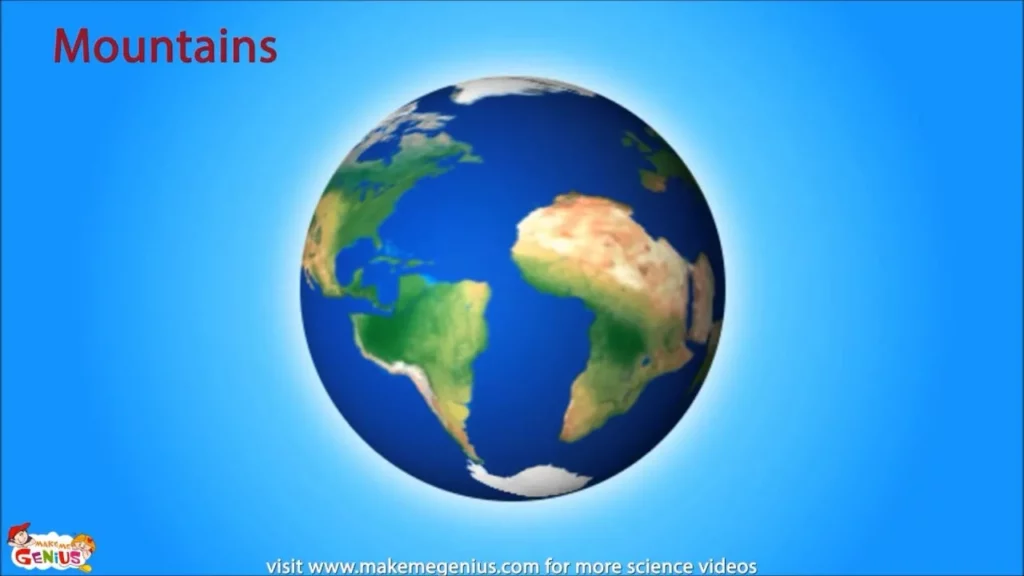
This lesson explores the relationship between tectonic plates, mountain formation, and earthquakes, illustrating how the Earth’s crust is divided into moving plates that interact in various ways. When these plates collide, they can create mountains or cause earthquakes due to the buildup and release of stress along fault lines. Understanding these geological processes enhances our appreciation of the dynamic nature of our planet.
Why We See Colors
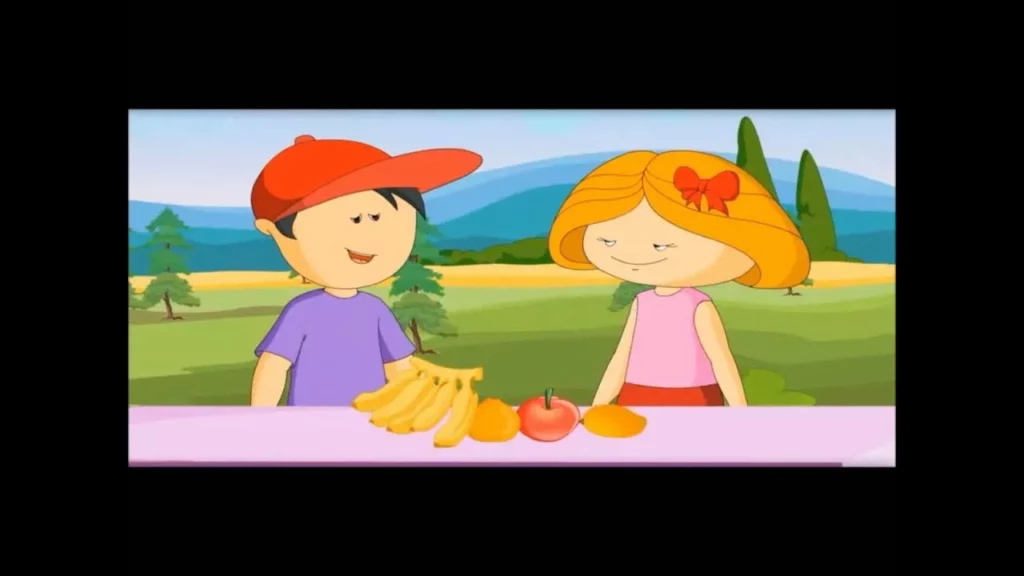
The lesson on “Understanding Light and Color: The Science of Reflection” explores how light, composed of various colors, interacts with objects to create the colors we perceive. It explains the concept of reflection, where light bounces off surfaces, allowing us to see colors like orange in an orange or red in an apple. Additionally, it highlights that the moon shines by reflecting sunlight, emphasizing the importance of reflection in our appreciation of the colorful world around us.
Types of Landforms
The lesson “Discovering Landforms: A Fun Guide” introduces various landforms on Earth, such as oceans, rivers, mountains, and deserts, highlighting their significance in supporting life and shaping the planet’s environment. It emphasizes the importance of understanding these features to appreciate Earth’s diversity and encourages stewardship to preserve its beauty for future generations.
Vertebrates and Invertebrates
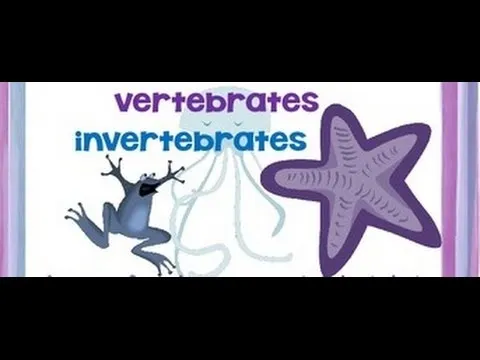
The lesson “Understanding the Backbone: A Fun Exploration” introduces students to the structure and importance of the human backbone, highlighting its 26 vertebrae and their roles in supporting the body and protecting the spinal cord. It also distinguishes between vertebrates, which have backbones, and invertebrates, which do not, emphasizing the diversity of life forms and their characteristics. This exploration fosters a deeper understanding of anatomy and the animal kingdom, encouraging curiosity and further learning about the skeleton.
Atmospheric Layers & Structure
In this lesson, we explored the composition of Earth’s atmosphere, which consists of various gases essential for life, such as nitrogen, oxygen, and carbon dioxide. We also examined the different layers of the atmosphere, each with unique characteristics, and learned how air pressure and density change with altitude. Understanding these elements helps us appreciate their roles in supporting life and maintaining a healthy environment on our planet.
Desert Plants and Animals Adaptations
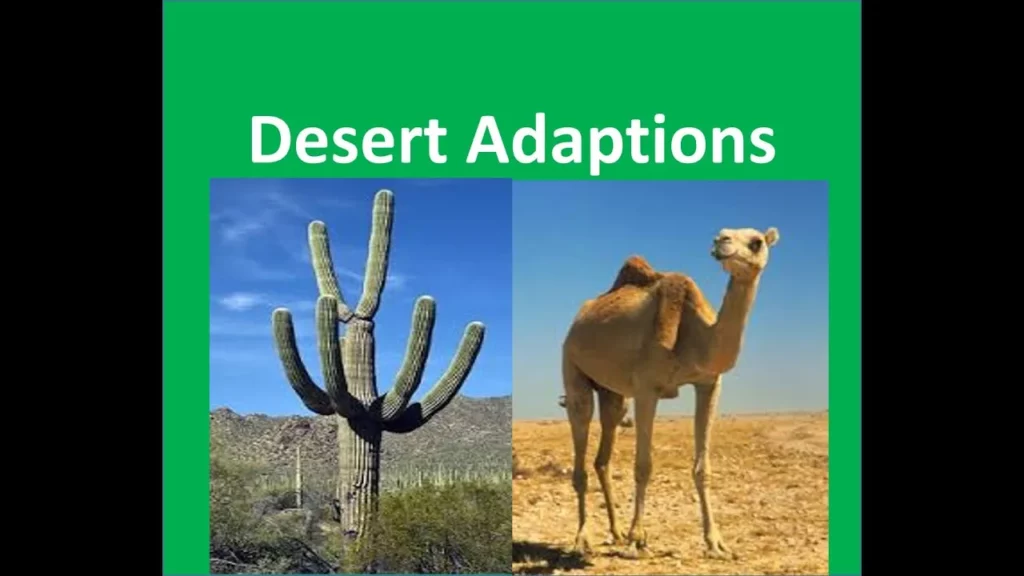
The lesson on adaptations of animals and plants in desert environments highlights the unique features and behaviors that enable survival in harsh, arid conditions. Camels, for example, possess specialized adaptations such as double rows of eyelashes to shield their eyes from sand, fat-storing humps for energy, and wide feet to navigate sandy terrain. Similarly, desert plants like cacti have evolved to conserve water through spines instead of leaves, thick stems for water storage, and extensive root systems to maximize water collection, illustrating the remarkable ways life can thrive in extreme environments.
Phases of Matter
This lesson explores the science of matter, focusing on the processes of melting, evaporation, and condensation. It explains how the arrangement and movement of molecules determine the state of matter—solid, liquid, or gas—and highlights the importance of temperature in these transitions. Understanding these concepts not only enhances our appreciation of everyday phenomena, like ice melting or dew forming, but also connects to broader natural processes such as the water cycle.
Types of Rocks & Rock Cycle
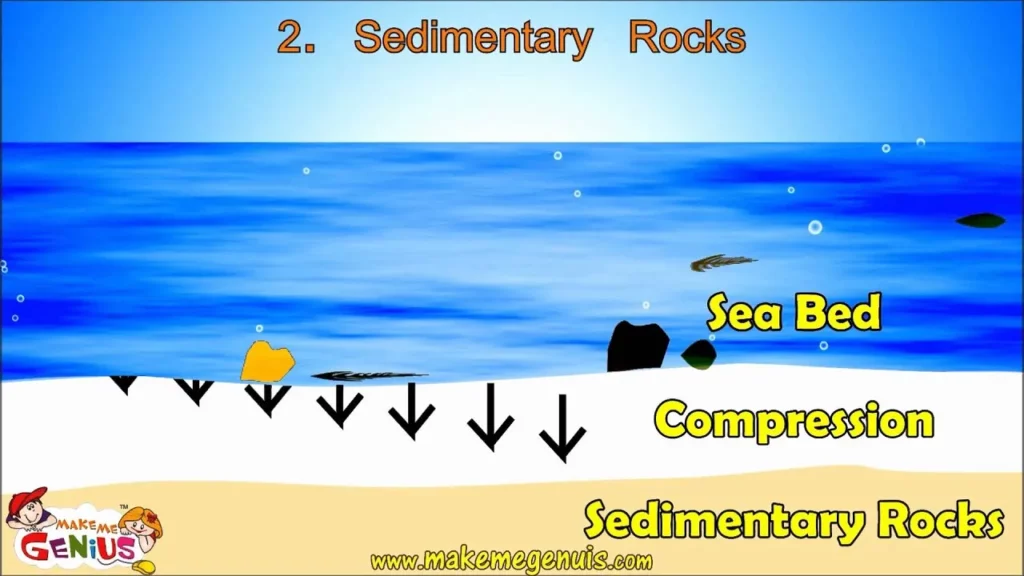
In this lesson, students learn about the three main types of rocks—igneous, sedimentary, and metamorphic—and the processes that lead to their formation. The lesson emphasizes the rock cycle, illustrating how rocks transform from one type to another through natural processes like cooling, erosion, and pressure. By understanding these concepts, students can appreciate the dynamic nature of Earth’s geology and enhance their knowledge in science.
Photosynthesis
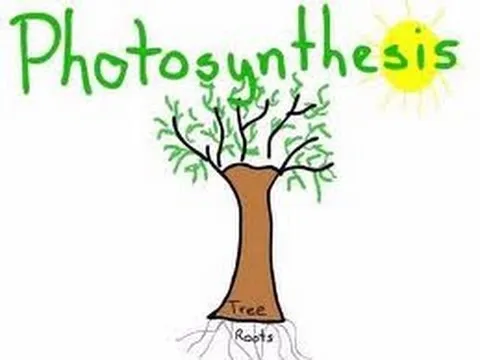
This lesson explains the process of photosynthesis, through which plants create their own food using sunlight, water, and carbon dioxide. It highlights the essential components involved, such as chloroplasts and stomata, and emphasizes the significance of photosynthesis for life on Earth, including its role in producing oxygen and forming the base of the food chain. Additionally, the lesson touches on unique plants that do not rely on photosynthesis, showcasing the diversity of life and the importance of plants in maintaining ecological balance.