
Hydroelectricity
This lesson explains the fundamental concepts of electricity generation, focusing on the roles of generators and turbines, particularly in hydroelectric power systems. Generators convert movement into electricity, while turbines harness the energy from flowing water to spin the generator, creating a sustainable and clean energy source. The lesson highlights the advantages of hydroelectric power, including its renewable nature, low emissions, and reliability, emphasizing its importance in future energy solutions.
Weather vs. Climate
This lesson explores the differences between weather and climate, highlighting that weather refers to the current atmospheric conditions in a specific location, while climate describes the long-term patterns of weather in a region. It emphasizes the importance of weather forecasting for daily planning and illustrates the relationship between the two concepts by comparing weather to mood and climate to personality. Understanding these elements enhances our ability to make informed decisions and appreciate the environment.
Cloud Types
This lesson introduces the fascinating world of clouds, explaining their formation, types, and characteristics in an engaging way. It highlights three main cloud types—Cirrus, Stratus, and Cumulus—along with their combinations and variations based on height, such as Alto and Cirro clouds, as well as rain-bearing clouds like Nimbostratus and Cumulonimbus. By understanding these cloud types, learners can enhance their weather prediction skills and appreciate the beauty of the sky.
Differences in Living and Nonliving Things

In this lesson, students learn to distinguish between living and non-living things by exploring their defining characteristics. Living things, such as plants and animals, can grow, reproduce, breathe, move, and respond to their environment, while non-living things, like rocks and toys, do not exhibit these traits. Understanding these differences enhances our comprehension of the natural world and scientific concepts.
Fossils
This lesson explores the captivating world of dinosaurs and fossils, highlighting the role of paleontologists who study these ancient remnants to uncover the history of life on Earth. It explains how fossils are formed through processes like mold and cast formation, preservation in ice, and amber, while detailing the steps involved in the fossilization of dinosaurs. Ultimately, the lesson emphasizes the excitement of learning about dinosaurs and the scientific methods used to discover their secrets, inspiring curiosity about the past.
The Water Cycle
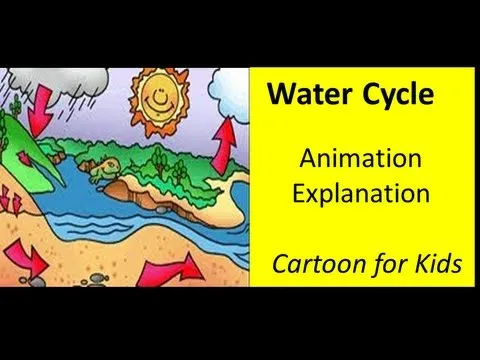
The lesson on the water cycle explains how rain is formed through three key processes: evaporation, condensation, and precipitation. It begins with the sun heating water, causing it to evaporate into water vapor, which then cools and condenses into clouds before falling back to Earth as precipitation. Understanding this cycle is essential for grasping how weather works and the importance of water in our environment.
Hibernation and Migration
This lesson explores how animals adapt to survive the harsh conditions of winter through hibernation and migration. Hibernation involves a deep sleep that conserves energy, allowing animals like bears and frogs to endure the cold months, while migration is a journey taken by animals such as birds and elephants to find warmer climates and food sources. Understanding these strategies highlights the remarkable ways animals cope with seasonal challenges.
Needs of Living Things
In this lesson, we explore the basic needs of living things, which include air, food, water, and a suitable habitat. We learn how different organisms, such as humans, animals, and plants, fulfill these needs in unique ways, emphasizing the importance of each element for growth and survival. Understanding these essentials highlights the significance of protecting our environment to ensure the well-being of all living creatures on Earth.
Food Chains, Food Webs, Energy Pyramid
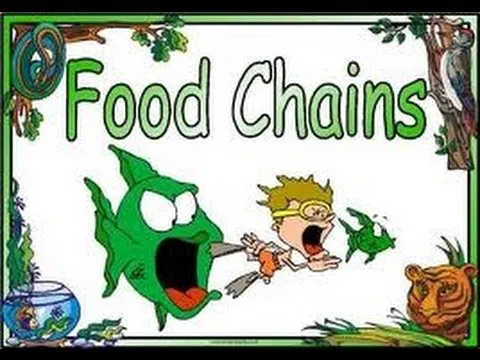
The lesson on “Understanding the Food Chain and Energy Transfer” explores the vital role of food in ecosystems, highlighting how plants (producers) create energy through photosynthesis and serve as the foundation for the food chain. It explains the relationships between herbivores and carnivores, the importance of decomposers in nutrient recycling, and the concept of food webs that illustrate complex interconnections among organisms. Additionally, the lesson emphasizes energy transfer within the food chain, demonstrating that energy diminishes at each trophic level, underscoring the interconnectedness of life and the importance of maintaining ecological balance.
Law of Inertia
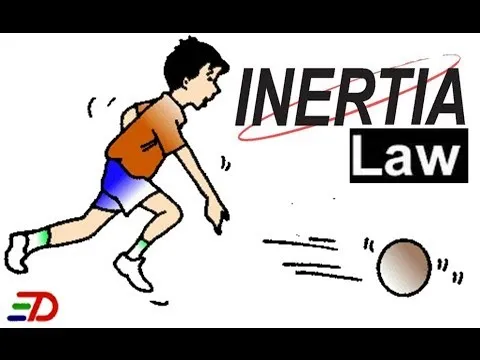
In this lesson, we explored Newton’s First Law of Motion, also known as the Law of Inertia, which states that an object at rest will remain at rest, and an object in motion will continue moving in a straight line at a constant speed unless acted upon by an external force. We learned that inertia is the tendency of objects to resist changes in their state of motion, and that forces are necessary to initiate or alter movement. Understanding this law enhances our appreciation of how objects behave in our everyday lives and the universe.