
3 Types of Rocks
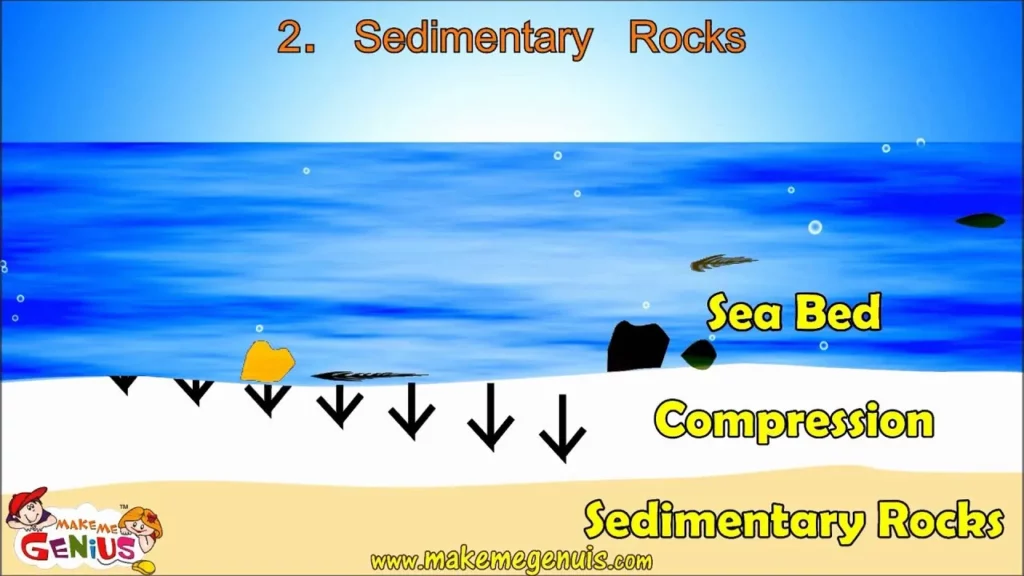
In this lesson, students explore the fascinating world of rocks by learning about the three main types: igneous, sedimentary, and metamorphic. Each type is defined by its formation process, with igneous rocks originating from cooled magma, sedimentary rocks forming from accumulated materials, and metamorphic rocks resulting from changes due to heat and pressure. By understanding these rock types, students gain insight into Earth’s history and the natural processes that shape our planet.
Why & How to Brush Your Teeth?

The lesson emphasizes the critical importance of brushing your teeth before bed to maintain oral health and prevent plaque buildup, which can lead to cavities and tartar. It outlines the dangers of plaque and provides a simple four-step guide for effective tooth brushing, including cleaning the outside, inside, and chewing surfaces of the teeth, as well as brushing the tongue. By adopting this routine, individuals can ensure a healthier mouth and a brighter smile.
Ozone Hole
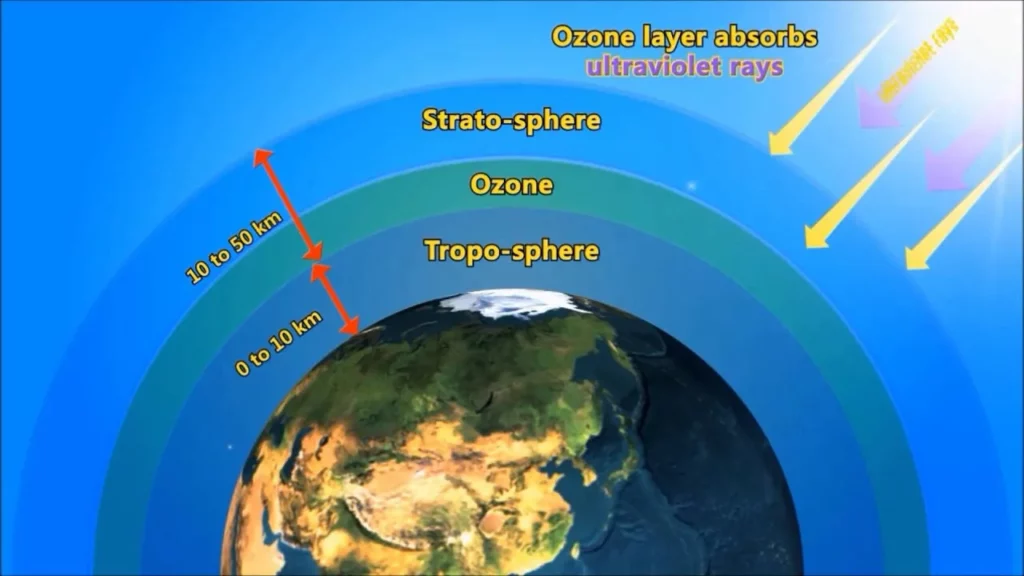
The lesson on the ozone layer highlights its crucial role as Earth’s protective shield against harmful ultraviolet (UV) rays from the sun, which can lead to serious health issues like skin cancer and eye damage, as well as negatively impact ecosystems. It discusses the threats posed by human activities, particularly the use of chlorofluorocarbons (CFCs), which deplete the ozone layer, and emphasizes the importance of taking action to protect it through the use of CFC-free products, supporting relevant legislation, and educating others. Ultimately, the lesson encourages proactive measures to ensure the continued health of this vital atmospheric layer.
What is Energy?
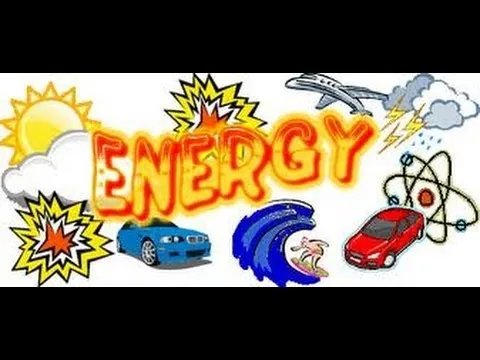
The lesson “Understanding Energy: Types and Applications” explores the various forms of energy, such as mechanical, electrical, heat, solar, hydro, and wind energy, and their significance in our daily lives. It emphasizes the importance of energy storage for efficient usage and highlights the role of renewable energy sources in promoting sustainability. Overall, the lesson underscores how energy is essential for powering our activities and improving our environment.
Five Senses
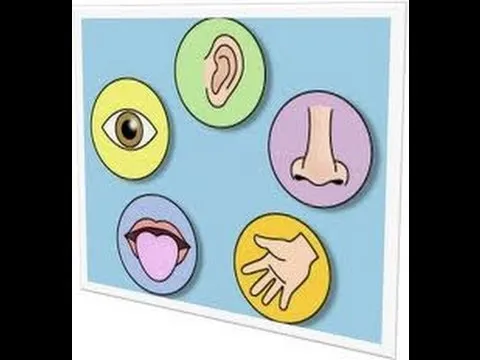
In this lesson, we explored the five senses—sight, sound, touch, taste, and smell—and their vital roles in helping us navigate and understand our environment. We learned about the sense of touch, including its different sensations and the structure of our skin, as well as the sense of sight, focusing on the anatomy of the eye and how it processes images. Understanding how our senses function enhances our appreciation of the world around us and keeps us safe.
Animal Video

This lesson explores the diverse animal kingdom, categorizing animals into three main groups based on their habitats: land, water, and air. It highlights the unique adaptations of each group, such as land animals’ lungs for breathing air, water animals’ gills for extracting oxygen, and birds’ wings for flight. Additionally, the lesson discusses the dietary classifications of animals—carnivores, herbivores, and omnivores—emphasizing the importance of each animal in maintaining the ecosystem.
Simple Machines Types & Functions

The lesson “Understanding Simple Machines: A Fun Guide” introduces the concept of simple machines, which are basic tools designed to make work easier with fewer parts. It explains various types of simple machines, including pulleys, inclined planes, wheel and axles, levers, and screws, highlighting their functions and everyday applications. Ultimately, the lesson emphasizes the significance of simple machines in enhancing efficiency and solving practical problems in our daily lives.
Simple Machines Video
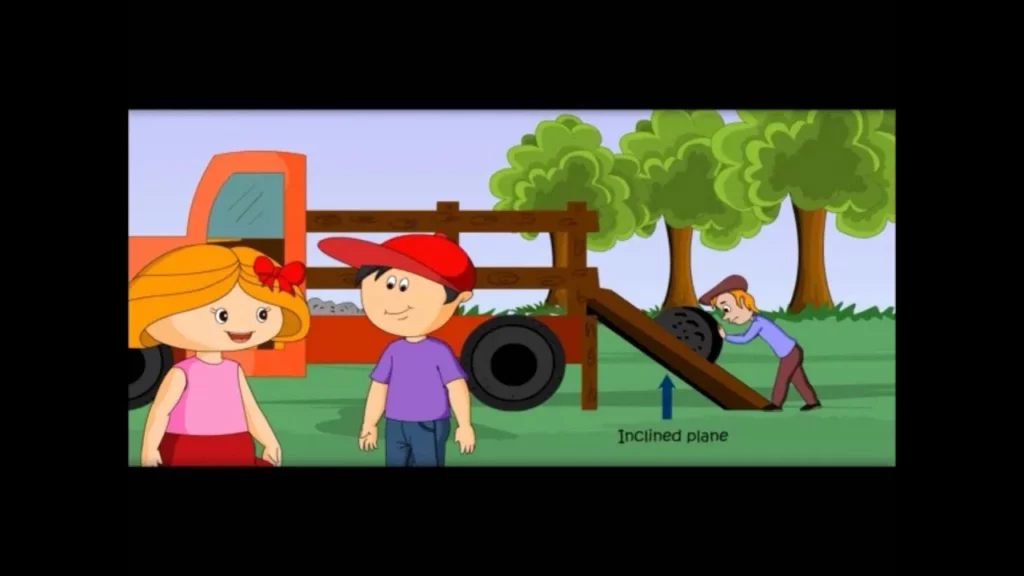
The lesson introduces young learners to simple machines, explaining how they make work easier by changing the way we use force. It covers various types of simple machines, including pulleys, inclined planes, wheels and axles, levers, and screws, highlighting their functions and everyday applications. By understanding these tools, students can appreciate the clever design behind many devices that assist in daily activities.
Skeletal System Functions
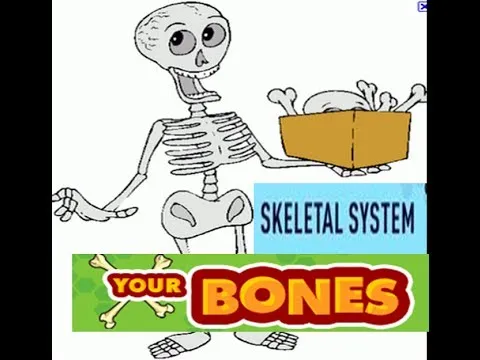
The lesson on the human skeleton highlights its structure, functions, and the importance of bone health. It explains that adults have 206 bones, which serve various roles such as providing support, protection, and enabling movement, while also storing minerals and producing blood cells. To maintain strong bones, the lesson emphasizes the need for a diet rich in calcium and vitamin D, regular exercise, and adequate sunlight exposure.
Solute, Solvent, Solution
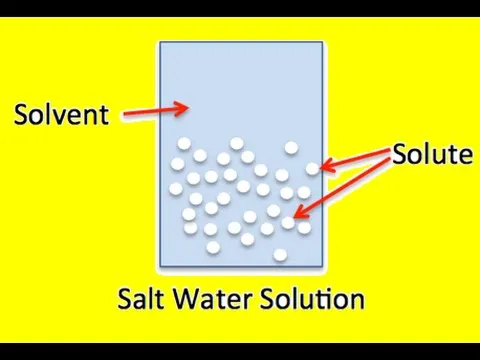
In this lesson, students explore the concept of solutions, focusing on the roles of solutes and solvents through engaging experiments. They learn that a solution is formed when a solute, such as salt or sugar, dissolves in a solvent like water, and discover the differences between water-loving (hydrophilic) and water-fearing (hydrophobic) substances. By conducting simple experiments, students gain a hands-on understanding of solubility and the factors that affect it, making the learning process both informative and enjoyable.