
Adaptations in Animals
This lesson explores how animals adapt to their environments to survive, highlighting the concept of adaptation and the various habitats where animals live, such as aquatic, desert, and polar regions. It provides specific examples of adaptations, like camels’ ability to store fat and penguins’ insulating feathers, illustrating the remarkable ways animals are equipped to thrive in their unique habitats. Understanding these adaptations emphasizes the importance of protecting these environments and appreciating the intricate balance of life on Earth.
Plant Leaf
This lesson highlights the crucial role of leaves in plant life, describing them as the “kitchens” of plants where photosynthesis occurs. Leaves, with their various structures such as veins, blades, and epidermis, facilitate the conversion of sunlight, carbon dioxide, and water into food and oxygen, essential for both plants and all living organisms. Understanding the function of leaves emphasizes their importance in maintaining ecological balance and the necessity of environmental conservation.
What are Germs?

The lesson “Understanding Microbes: The Tiny Army Around Us” explores the world of microbes, which include bacteria, viruses, fungi, and protozoa. While some microbes can cause illness, many are beneficial and play crucial roles in our health and the environment. By understanding how these tiny organisms function and how our immune system responds to them, we can take proactive steps to prevent infections and maintain our well-being.
Changing States of Matter

This lesson explores the melting process and evaporation, highlighting the behavior of molecules in solids, liquids, and gases. It explains how heating a solid, like ice, causes its tightly packed molecules to vibrate and break free, transforming it into a liquid, while further heating allows some molecules to escape into the air as gas through evaporation. Understanding these processes enhances our appreciation of everyday phenomena, such as melting ice cream and water vaporization.
Landforms of the Earth
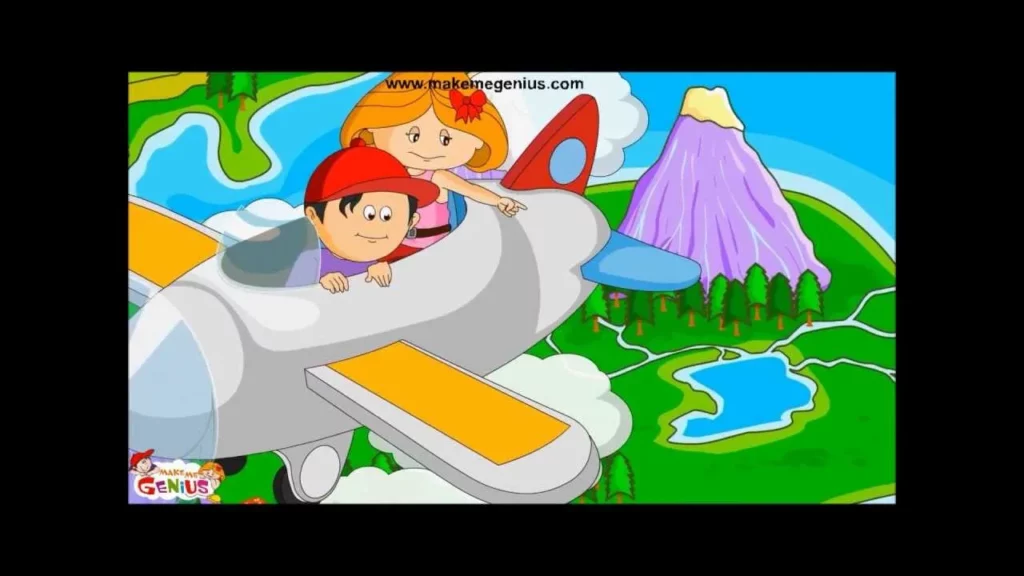
In this lesson, we explore the diverse landforms and water bodies that shape our planet, including oceans, rivers, lakes, mountains, valleys, and deserts. Each feature plays a crucial role in the Earth’s ecosystem, supporting various forms of life and influencing climate and geography. By understanding these natural elements, we gain a greater appreciation for the Earth’s beauty and the importance of conserving these vital resources for future generations.
3 Types of Lever
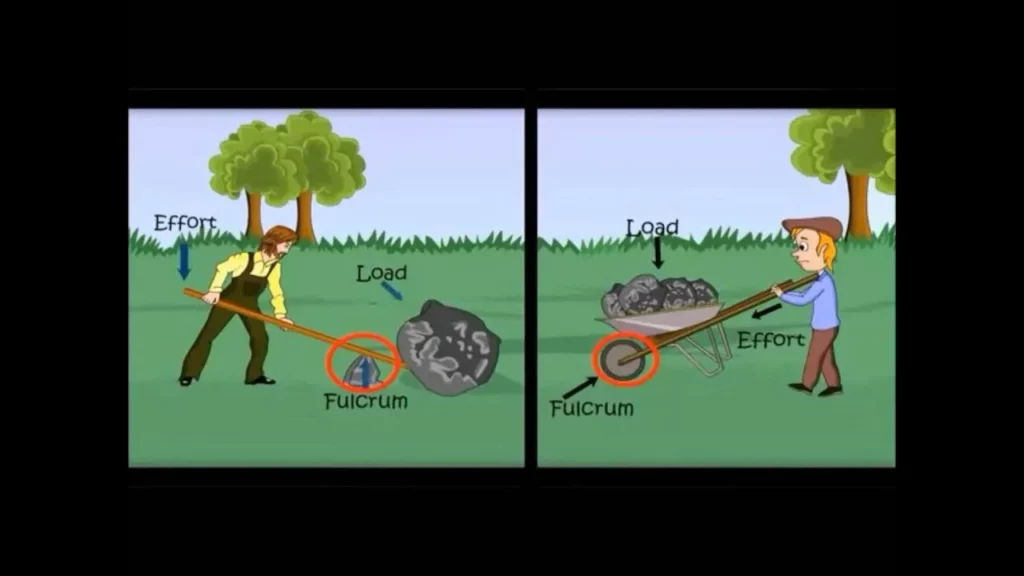
The lesson on levers explains how these simple machines function to make lifting heavy objects easier by utilizing a straight bar that pivots around a fixed point called the fulcrum. It details the three types of levers—Class 1, Class 2, and Class 3—each defined by the arrangement of the fulcrum, effort, and load, along with practical examples like seesaws, wheelbarrows, and tweezers. Understanding levers enhances our ability to use these tools effectively in various tasks, from gardening to construction.
Maps and Cardinal Directions

The lesson “Understanding Directions and Maps: A Fun Guide” teaches the basics of navigation, emphasizing the importance of cardinal directions (North, South, East, West) and various types of maps, including political, physical, relief, and thematic maps. It highlights the significance of map symbols and the differences between globes and paper maps, introducing concepts like latitude and longitude to help locate places accurately. By mastering these skills, learners can confidently navigate their surroundings and embark on their own adventures.
Phases of the Moon
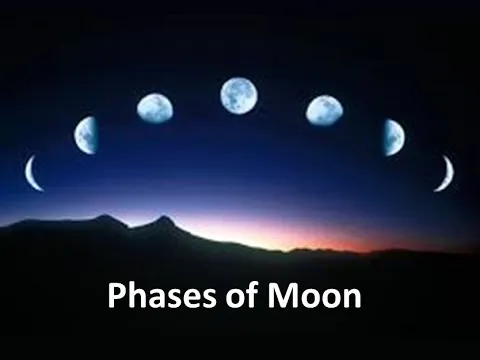
The lesson on the phases of the Moon explains how the Moon’s appearance changes as it orbits the Earth, resulting in eight distinct phases over approximately 29.5 days. These phases, from New Moon to Full Moon and back, occur due to the reflection of sunlight on the Moon’s surface, which varies based on its position relative to the Earth and Sun. Additionally, the lesson highlights that observers in different hemispheres may perceive the Moon’s phases differently due to its path near the Earth’s equator.
Why Seasons Change
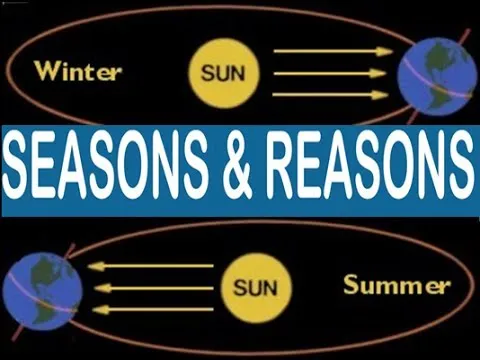
The lesson explains that the changing seasons on Earth are primarily due to two factors: the Earth’s orbit around the Sun and its axial tilt of approximately 23.5 degrees. This tilt affects how sunlight is distributed across the planet, resulting in varying temperatures and weather patterns throughout the year, leading to a cycle of spring, summer, autumn, and winter. Understanding these concepts enhances our appreciation of nature and helps us adapt to seasonal changes.
Parts of a Plant
This lesson emphasizes the vital role plants play in our ecosystem, highlighting their various parts—roots, stems, and leaves—and their functions. Roots absorb nutrients and anchor the plant, stems support and connect different parts, and leaves are essential for photosynthesis, producing food and oxygen. Understanding these aspects underscores the importance of plants for human sustenance, environmental health, and overall well-being.