
Gravity
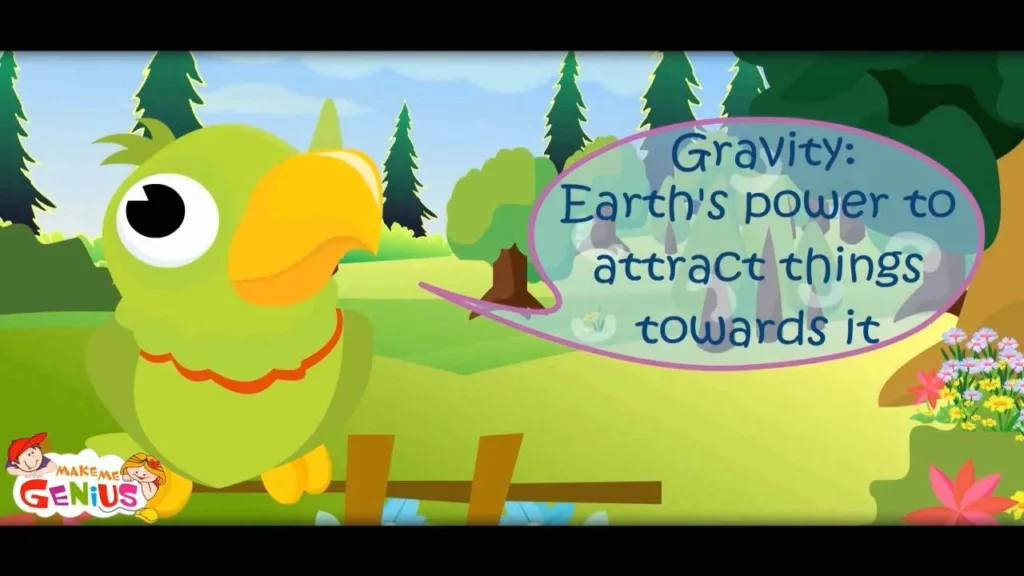
This lesson explains the concept of gravity as a fundamental force that pulls objects toward each other, particularly how it affects things on Earth. It discusses the Earth’s structure, including its layers and magnetic properties, which contribute to gravitational pull, and explores why some objects, like apples on a tree, remain suspended due to a balance of forces. Understanding gravity enhances our appreciation of the natural laws governing our world.
Newton’s 1st Law of Motion
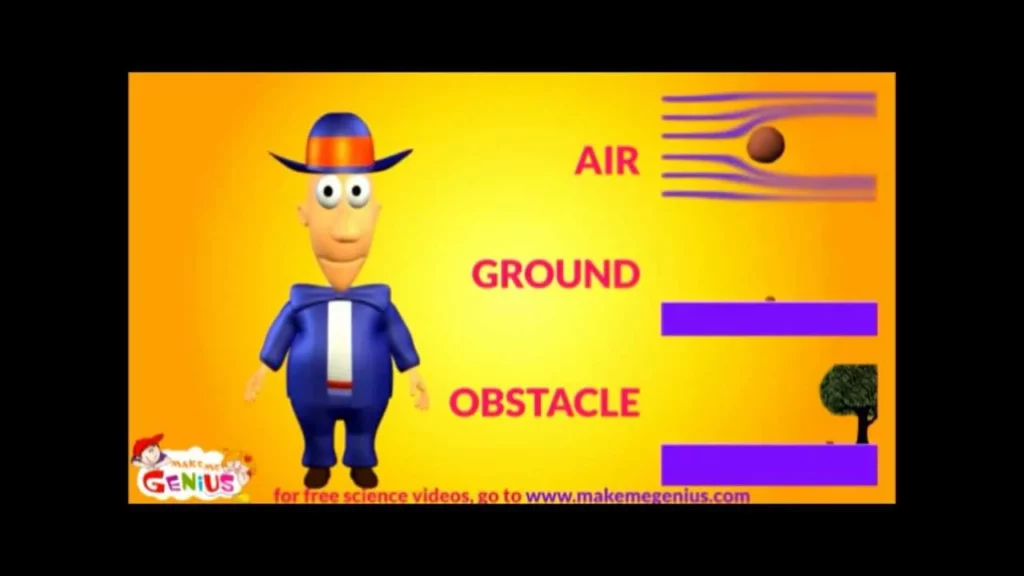
In this lesson, we explore Newton’s First Law of Motion, also known as the law of inertia, which states that an object will remain at rest or continue moving in a straight line at a constant speed unless acted upon by an external force. The concept of inertia explains why objects resist changes in their motion, highlighting that everything, regardless of size, has a natural tendency to maintain its current state. Understanding this law is crucial for grasping the fundamental principles of physics and the behavior of objects in our world and beyond.
3 States of Matter
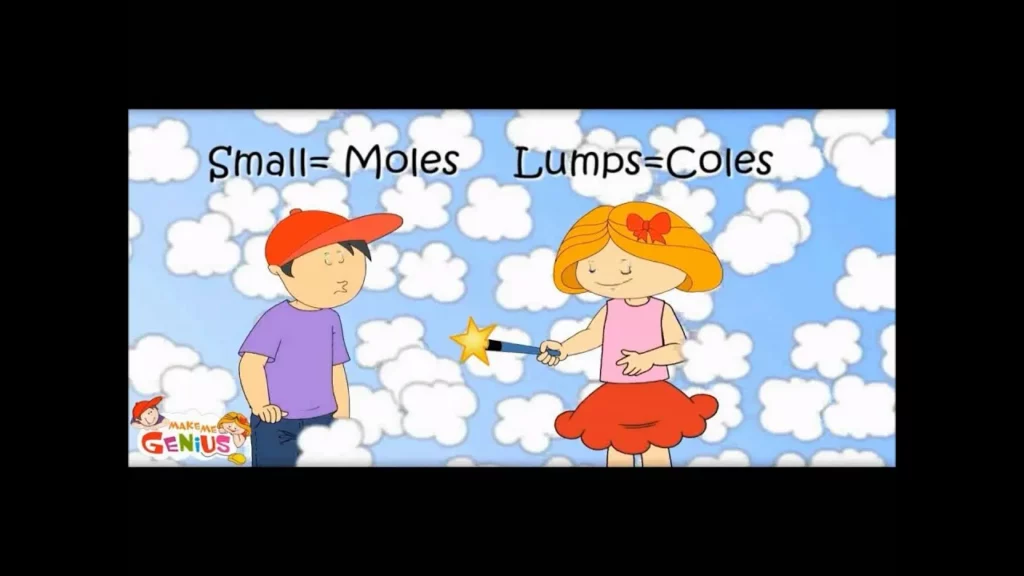
This lesson explores the three states of matter: solid, liquid, and gas, highlighting their unique characteristics and behaviors. Solids have a fixed shape and size with tightly packed molecules, liquids have a definite volume but take the shape of their container with molecules that can flow, and gases have neither fixed shape nor volume, with widely spaced molecules that move freely. Understanding these states and the molecular arrangements that define them enhances our appreciation of the physical world.
Animal Types by Eating Habits

This lesson explores the three main types of animal diets: carnivores, herbivores, and omnivores, highlighting their characteristics and roles in nature. Carnivores primarily eat meat, herbivores focus on plants, and omnivores consume both, allowing them to thrive in various environments. Understanding these dietary classifications enhances our knowledge of animal interactions and the balance of ecosystems.
Changes in Matter
This lesson explores the fascinating changes in matter, specifically focusing on the transitions between solid, liquid, and gas through processes like condensation, freezing, and evaporation. It explains how condensation occurs when water vapor cools and turns into liquid, freezing transforms liquids into solids at low temperatures, and evaporation happens when heat causes liquids to become gases. Understanding these processes enhances our knowledge of the natural world and informs practical decisions in daily life, such as managing temperature-sensitive items and understanding weather patterns.
Why People Wear Glasses

The lesson explores the intricate workings of the human eye, detailing how the cornea, lens, and retina collaborate to create clear vision. It also addresses common vision problems such as myopia, hyperopia, and astigmatism, explaining how glasses with concave or convex lenses can correct these issues. Ultimately, the lesson emphasizes the importance of understanding eye health and the role of glasses in enhancing visual clarity and quality of life.
Parts of a Flower
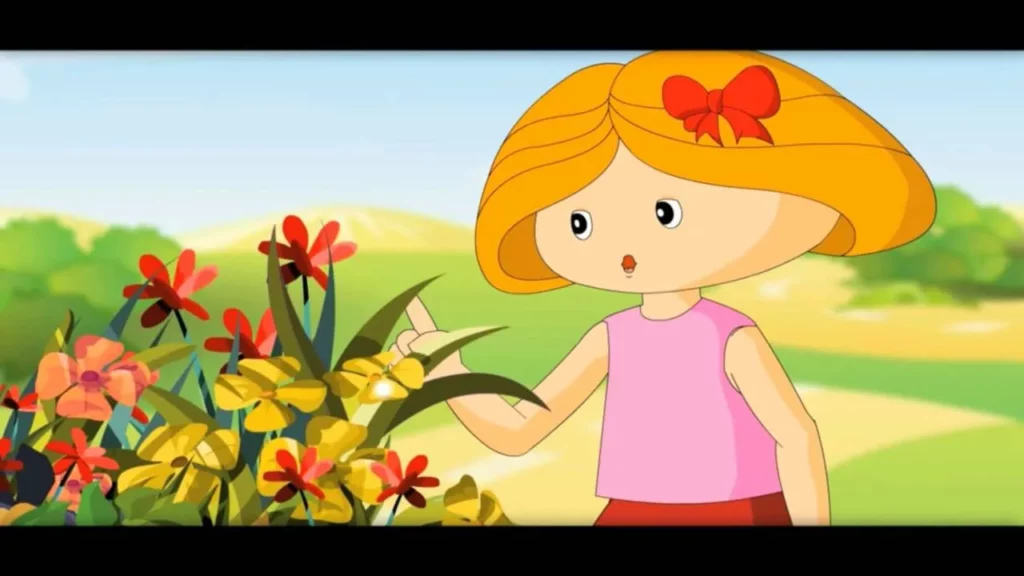
In the lesson “Discovering the Magic of Flowers,” students learn about the essential roles flowers play in nature beyond their beauty, including seed production and supporting biodiversity. The lesson covers the structure of flowers, detailing the male (stamen) and female (carpel) parts, and explains the process of pollination, highlighting how animals assist in this vital function. Ultimately, the lesson emphasizes the importance of flowers in maintaining a healthy environment and encourages appreciation and care for these natural wonders.
Solar System Animation
The lesson “Exploring the Solar System and the Universe” introduces the vastness of the universe and the solar system, emphasizing how objects can appear differently based on distance. It highlights the sun as a massive star at the center of our solar system, which includes eight unique planets, each with distinct characteristics. By understanding the scale and nature of these celestial bodies, we gain insight into the wonders of the cosmos and our place within it.
The Water Cycle Video

The lesson on the water cycle explains its crucial role in maintaining a healthy environment, detailing the four main stages: evaporation, condensation, precipitation, and collection. It highlights how water transforms from liquid to vapor and back, ultimately contributing to rain and other forms of precipitation, while emphasizing the importance of understanding this cycle for appreciating water conservation and weather patterns.
The Water Cycle
The lesson on the water cycle explores the essential processes of evaporation, condensation, and precipitation, illustrating how water travels through our environment. It emphasizes the role of temperature in transforming water between its various states and highlights the importance of these processes in maintaining the health of our planet. Additionally, a hands-on experiment is provided to demonstrate the water cycle in action, reinforcing the concepts learned.