
Difference Between Weather and Climate
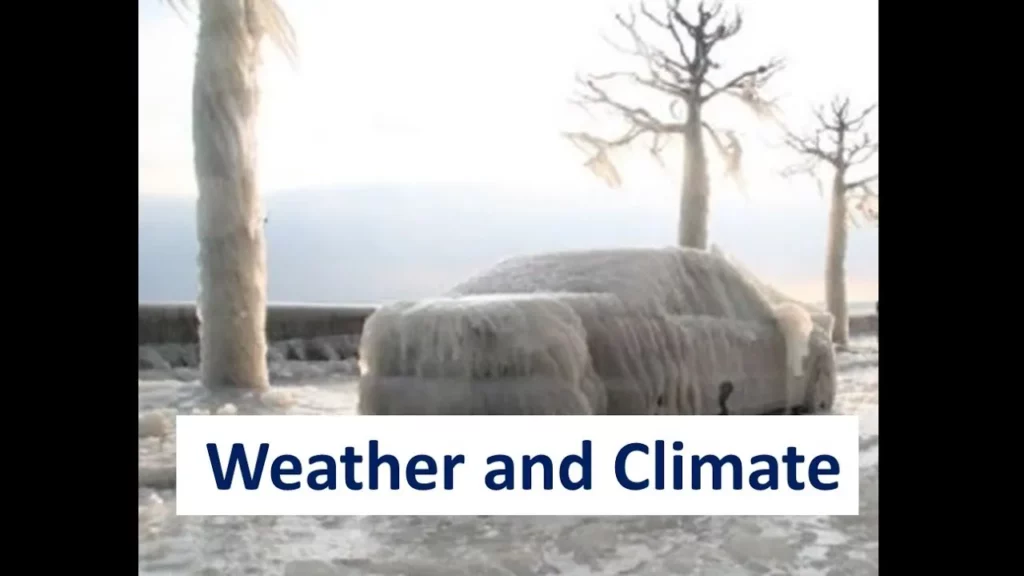
This lesson explores the differences between weather and climate, emphasizing the importance of dressing appropriately for current weather conditions and understanding weather forecasts. Weather refers to the immediate atmospheric conditions, such as temperature and precipitation, while climate describes the long-term patterns of weather in a specific area. By grasping these concepts, students can better prepare for daily weather changes and appreciate the broader climatic characteristics of different regions.
Migration of Birds and Animals
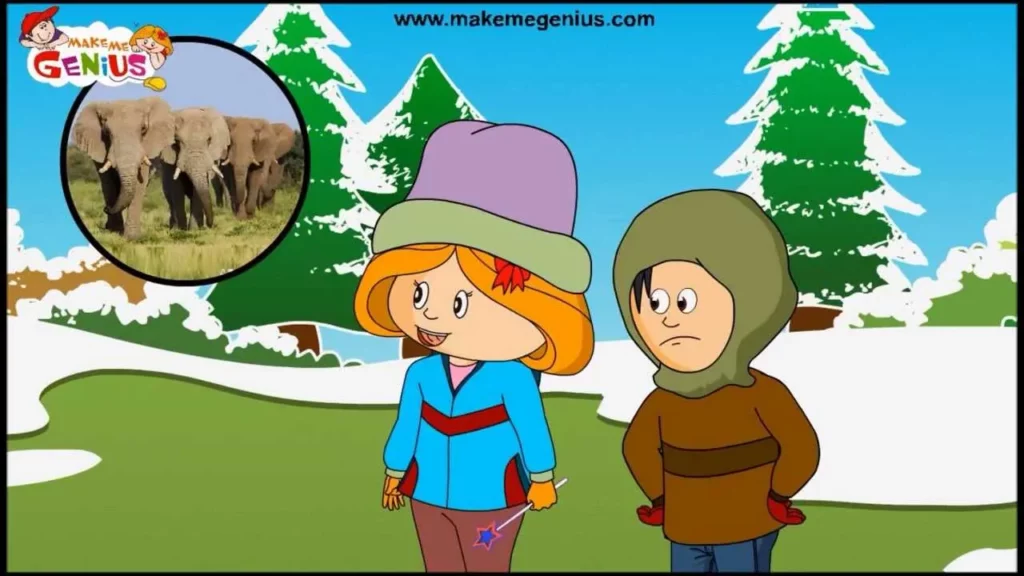
This lesson explores how animals adapt to the challenges of winter through two primary strategies: hibernation and migration. Hibernation allows animals like bears and ground squirrels to conserve energy and survive food scarcity by entering a deep sleep, while migration involves traveling to warmer climates to access food and avoid harsh conditions. Both adaptations highlight the remarkable ways in which animals cope with the cold and ensure their survival.
Molecule Formation
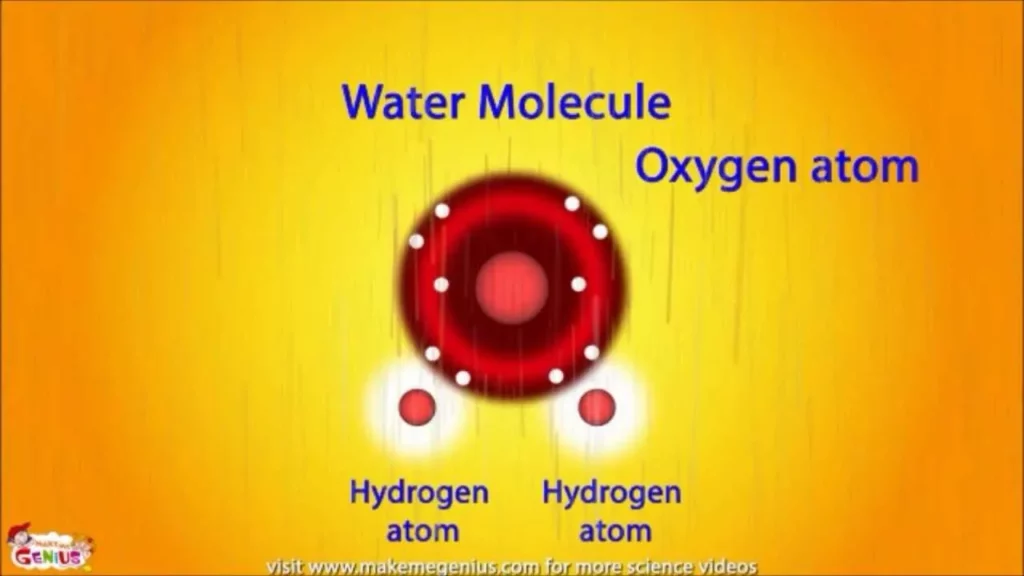
This lesson explores atomic bonding and the formation of molecules, emphasizing the role of valence electrons and their arrangement in an atom’s outer shell. Atoms seek stability by filling their valence shells, which leads to bonding; for instance, in water (H₂O), an oxygen atom shares electrons with hydrogen atoms to achieve stable configurations through covalent bonding. Understanding these concepts is essential for grasping the fundamental principles of chemistry and the connections that form the basis of various substances in the natural world.
Photosynthesis: How Plants Make Food
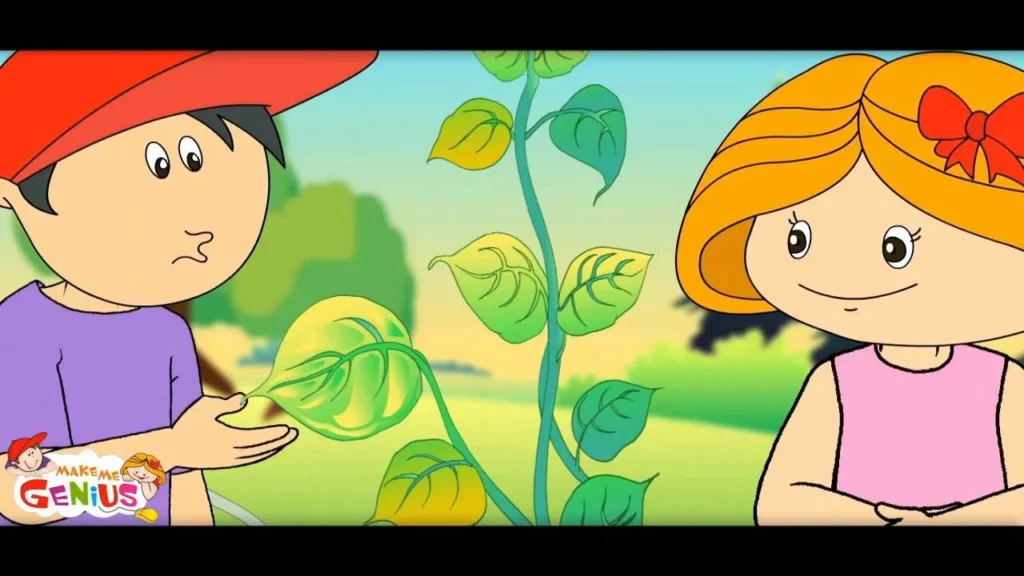
In this lesson, we explore the vital role of plants in our ecosystem, focusing on the process of photosynthesis, where plants convert sunlight, carbon dioxide, and water into food and oxygen. We learn about the structure of leaves, particularly mesophyll cells and chloroplasts, which are essential for this process, as well as unique adaptations of certain plants, such as carnivorous species and fungi, that obtain nutrients in alternative ways. Overall, the lesson highlights the diversity and significance of plant life in sustaining life on Earth.
The Carbon Cycle
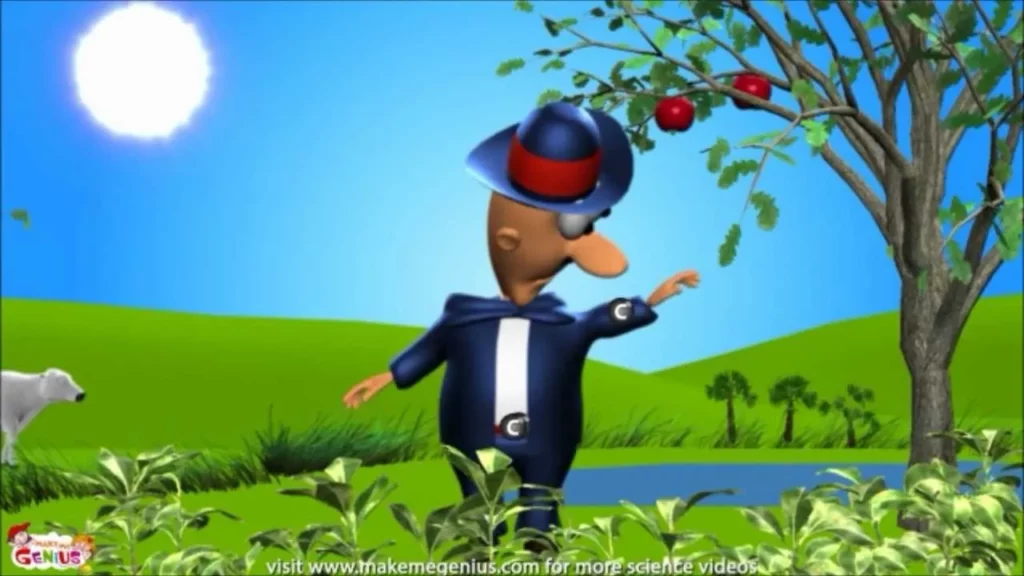
The lesson on “Understanding Carbon and the Carbon Cycle” emphasizes the crucial role of carbon in all living organisms and the interconnected processes of the carbon cycle. It outlines key components such as photosynthesis, consumption, respiration, and the fate of carbon after death, while also highlighting human impacts on the cycle through fossil fuel use and deforestation. Ultimately, the lesson encourages eco-friendly practices to protect the carbon cycle and combat climate change for a healthier planet.
Volcanoes
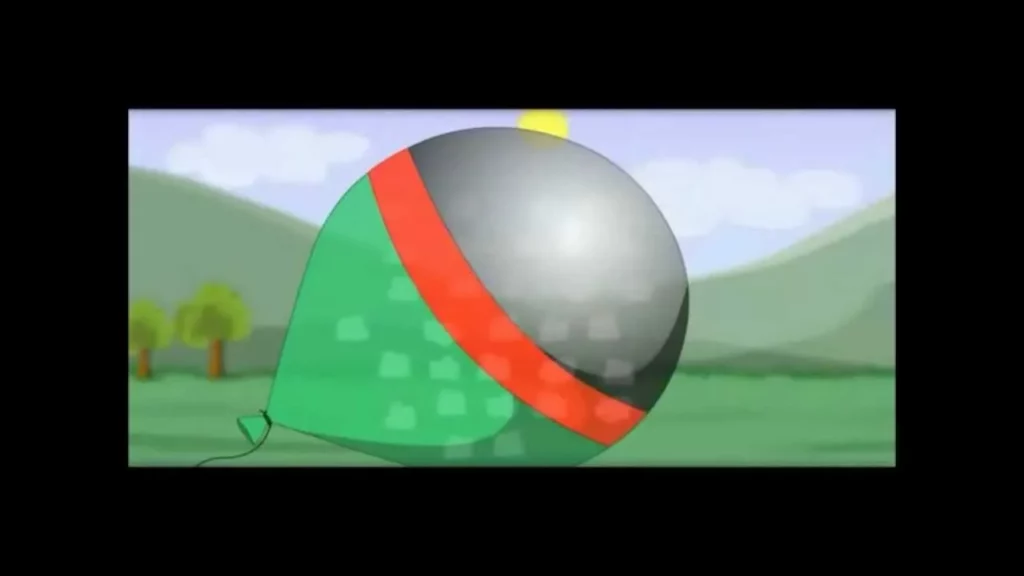
In this lesson, we explored the Earth’s interior, which consists of three main layers: the crust, mantle, and core. We learned that while direct access to the Earth’s core is impossible, scientists utilize volcanic activity as a key method to study the mantle and gather insights about the Earth’s structure and processes. By examining how magma and gases build up pressure in volcanoes, we gain a better understanding of the dynamic forces shaping our planet.
Animal Types – Based on Living Places
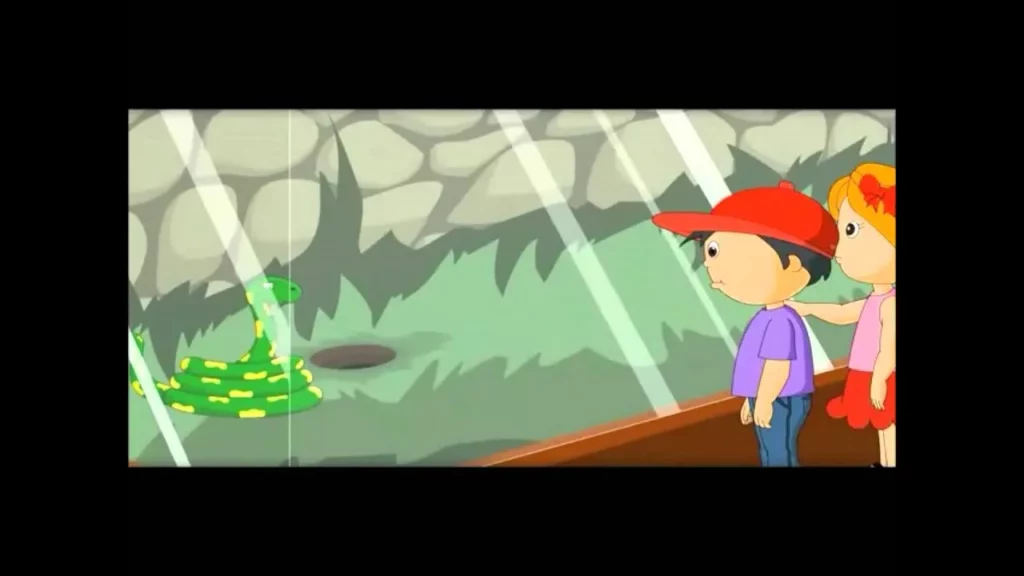
The lesson explores the diversity of animals found at the zoo, highlighting various categories such as ground-dwelling, aquatic, primate, and bird species. It emphasizes the unique adaptations and survival mechanisms of these animals, including their breathing methods and hibernation habits, while also underscoring the importance of their habitats, particularly trees for primates. Ultimately, the lesson encourages appreciation for the animal kingdom and the need for conservation efforts to protect these species and their environments.
Immune System
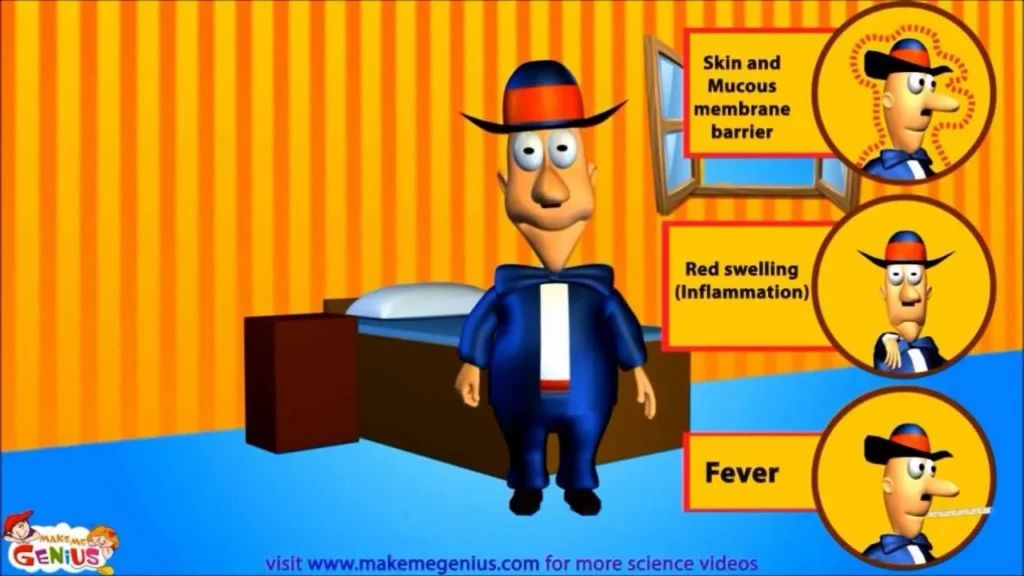
The lesson explains the immune system as a complex defense mechanism in the body, likening it to a superhero team that protects against harmful invaders such as bacteria and viruses. It outlines the three main defense strategies: physical barriers (like skin), the inflammatory response, and the adaptive immune response, which includes specialized cells that identify and combat pathogens. Additionally, the lesson emphasizes the importance of supporting the immune system through good hygiene, vaccinations, and healthy lifestyle choices.
Energy Pyramid: Energy Flow in Ecosystem
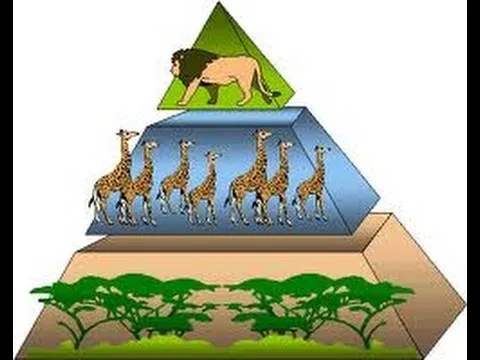
The lesson on “Understanding the Energy Transfer in Food Chains” emphasizes the critical role of energy in the growth, movement, reproduction, and repair of living organisms. It explains how energy from the sun is captured by plants (producers) through photosynthesis and then transferred through various levels of the food chain to herbivores (primary consumers) and carnivores (secondary consumers), highlighting that approximately 90% of energy is lost at each transfer, illustrated by the energy pyramid. This understanding of energy flow in ecosystems underscores the interconnectedness of life and the importance of conserving our natural environment.
Making Rain at Home
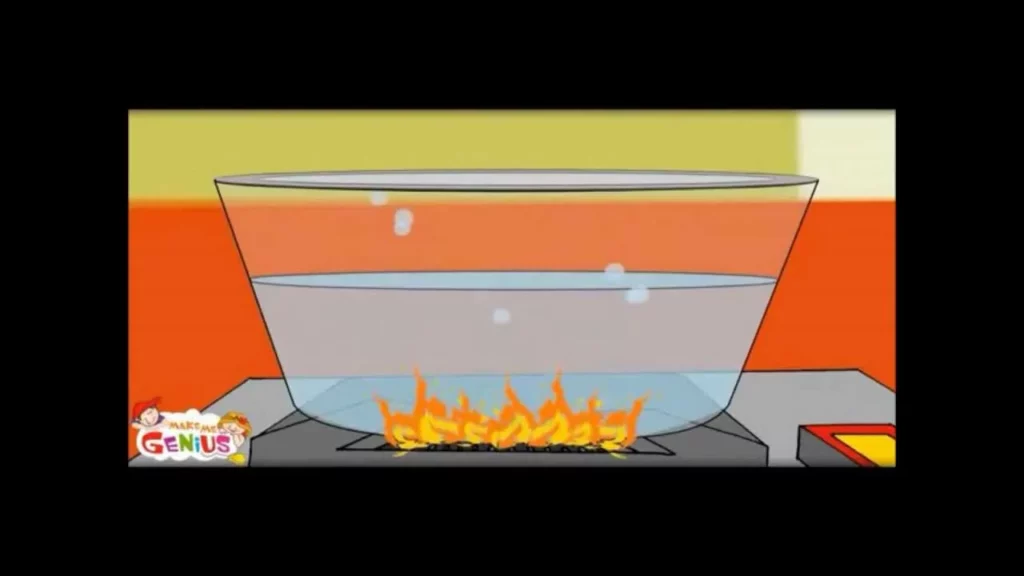
This lesson explores the formation of rain through a simple home experiment that demonstrates the processes of evaporation, condensation, and precipitation. By heating water and observing the resulting steam, participants can witness how water vapor cools and forms droplets, mimicking the natural water cycle. Additionally, the lesson touches on hail formation, explaining how it occurs during thunderstorms when water droplets freeze and are lifted by strong winds.