
Continental Drift and Plate Tectonics

This lesson explores the concept of tectonic plates, which are the large, moving pieces of the Earth’s crust that float on the mantle and play a crucial role in shaping the planet’s landscape. The movement of these plates can lead to the formation of mountains through uplift, cause earthquakes when stress is released, and create volcanic activity through subduction. Understanding these processes enhances our knowledge of Earth’s geology and helps us prepare for natural events.
Conductors and Insulators
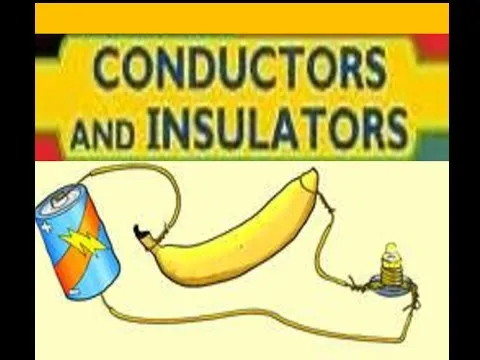
In this lesson, we explored the concepts of conductors and insulators, highlighting their roles in the transfer of heat and electricity. Conductors, such as metals and water, allow heat and electric current to flow easily, while insulators, like plastic and rubber, prevent this flow, ensuring safety and efficiency in various applications. Understanding these materials helps us make informed choices in everyday life, from enjoying outdoor activities to working with electrical systems.
Air Pressure, Atmospheric Pressure

In this lesson, students explore the concept of atmospheric pressure, which is the force exerted by the weight of air surrounding us. They learn how this pressure balances with the internal pressure of our bodies, allowing us to function comfortably despite the heavy air above us. Through engaging experiments, such as the water and card trick, students observe the effects of atmospheric pressure and its crucial role in processes like breathing and weather prediction.
Lever: Introduction to 3 Types
This lesson introduces the concept of levers, explaining their function as simple machines that help us lift or move heavy objects more easily. It outlines the three main components of a lever—fulcrum, effort, and load—and describes the three types of levers: first-class, second-class, and third-class, each with practical examples. Understanding levers enhances our ability to perform various physical tasks efficiently in everyday life.
Breathing Respiration Animation
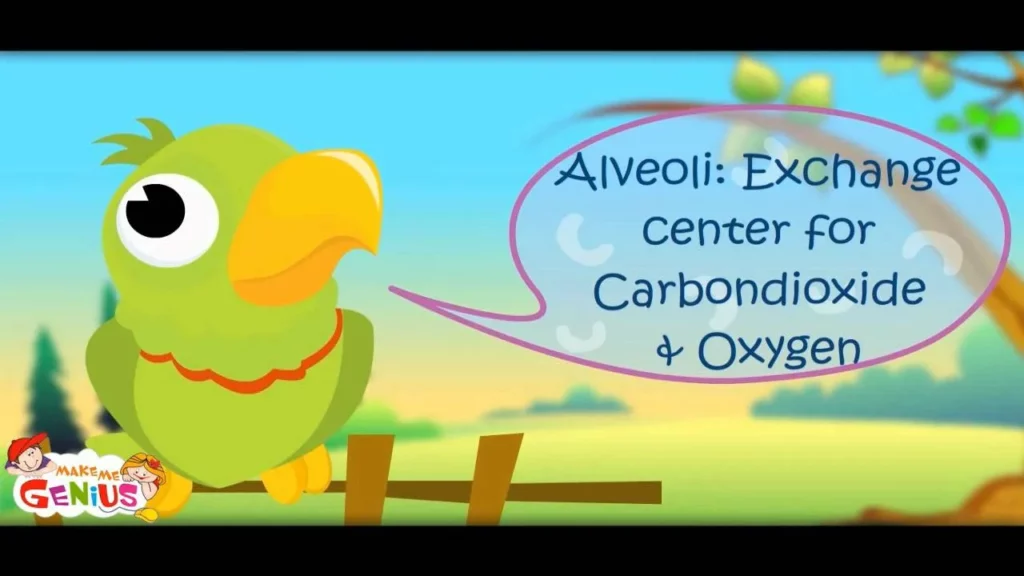
The lesson on respiration highlights the essential mechanics of breathing, focusing on the role of the diaphragm, lungs, and alveoli in gas exchange. It explains how the diaphragm’s movement facilitates air intake and expulsion, while the alveoli serve as critical sites for oxygen absorption and carbon dioxide release. Additionally, the lesson emphasizes the diversity of respiratory systems across different organisms, such as fish with gills, illustrating the various adaptations for gas exchange in the animal kingdom.
How Molecules are Formed
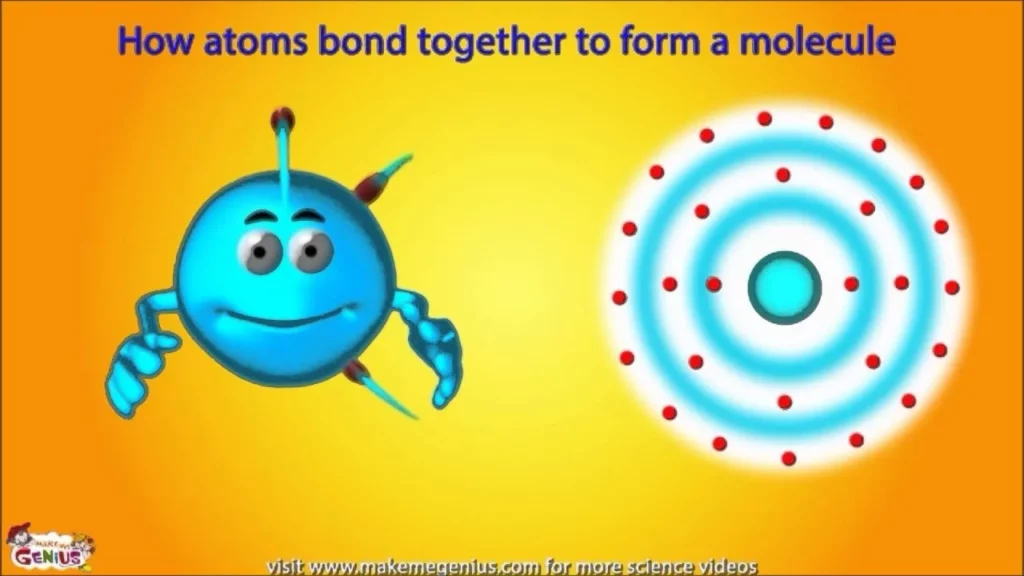
In this lesson, we explore the fundamental concept of atomic bonding, focusing on how atoms combine to form molecules through the sharing or transferring of valence electrons. Atoms strive for stability by filling their outermost electron shells, which leads to the formation of various molecules, such as water (H₂O), through cooperative electron sharing. Understanding these bonding principles is essential for grasping the broader concepts of chemistry and the diverse substances that arise from chemical reactions.
Water Cycle
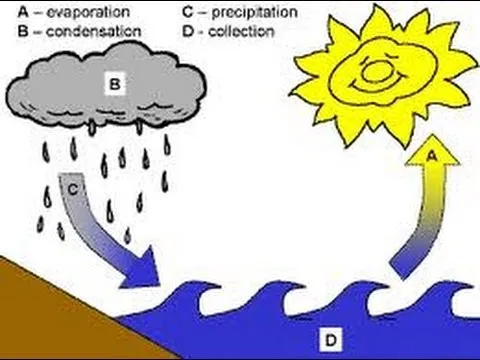
The lesson on the water cycle explains how rain is formed through three key processes: evaporation, condensation, and precipitation. It begins with evaporation, where the sun heats water, turning it into vapor that rises into the air. As the vapor cools, it condenses into droplets, which eventually combine and fall as precipitation, completing the continuous cycle that sustains life on Earth.
What is Temperature?
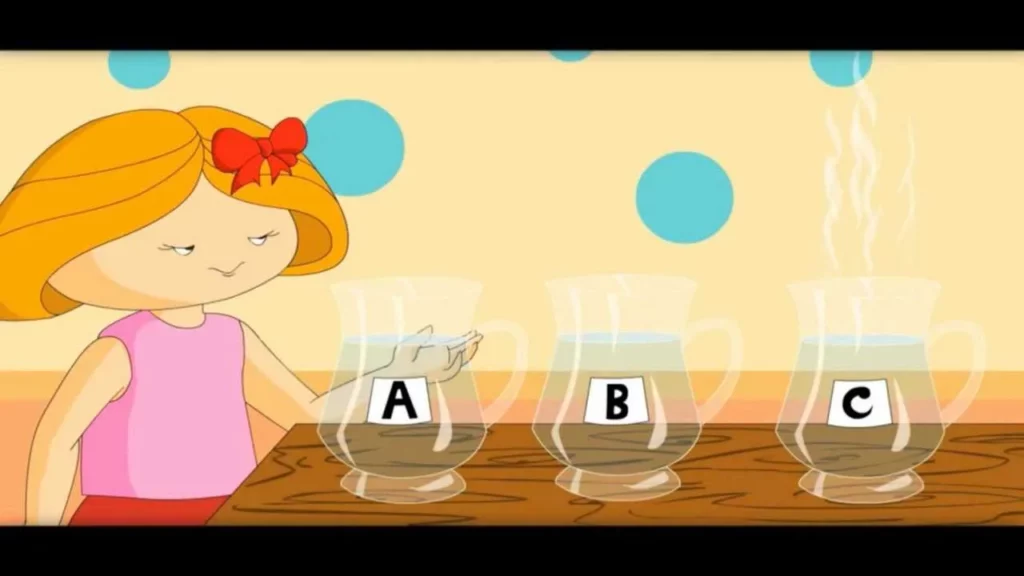
The lesson “Understanding Temperature: A Fun Guide” explains the concept of temperature as a measure of how fast molecules move, influencing the state of matter—solid, liquid, or gas. It highlights the relationship between heat and temperature, illustrating how temperature changes affect everyday scenarios like cooking, body temperature, and the behavior of balloons. Additionally, it emphasizes the importance of measuring temperature for weather predictions, health assessments, and engineering considerations.
Digestive system function
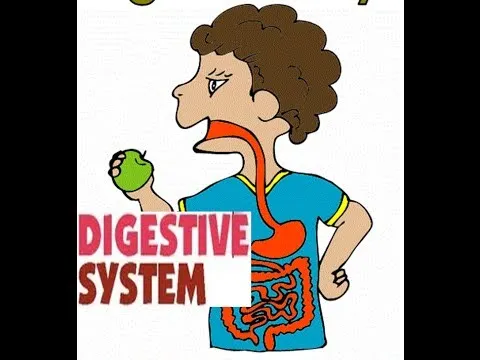
The lesson “Discovering the Amazing Journey of Digestion” explores the intricate process of digestion, starting from the mouth where food is chewed and mixed with saliva, to the esophagus, stomach, small intestine, large intestine, and finally exiting the body. Each stage plays a crucial role in breaking down food, absorbing nutrients, and eliminating waste, highlighting the importance of a balanced diet for maintaining digestive health and overall well-being. Understanding this journey helps us appreciate how our bodies transform food into the nutrients necessary for growth and health.
Blood Circulatory System
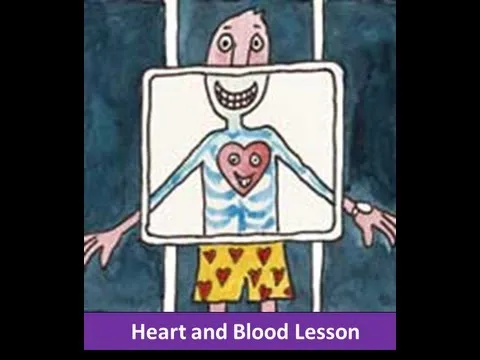
The lesson explores the vital role of the human heart within the circulatory system, highlighting its function as a pump that circulates oxygen-rich and oxygen-poor blood throughout the body. It details the heart’s structure, including its four chambers and valves, and explains how heart rate changes during exercise to meet the body’s oxygen demands. Understanding the heart’s mechanics emphasizes the importance of maintaining heart health through exercise and proper nutrition.