
Rainbow Formation
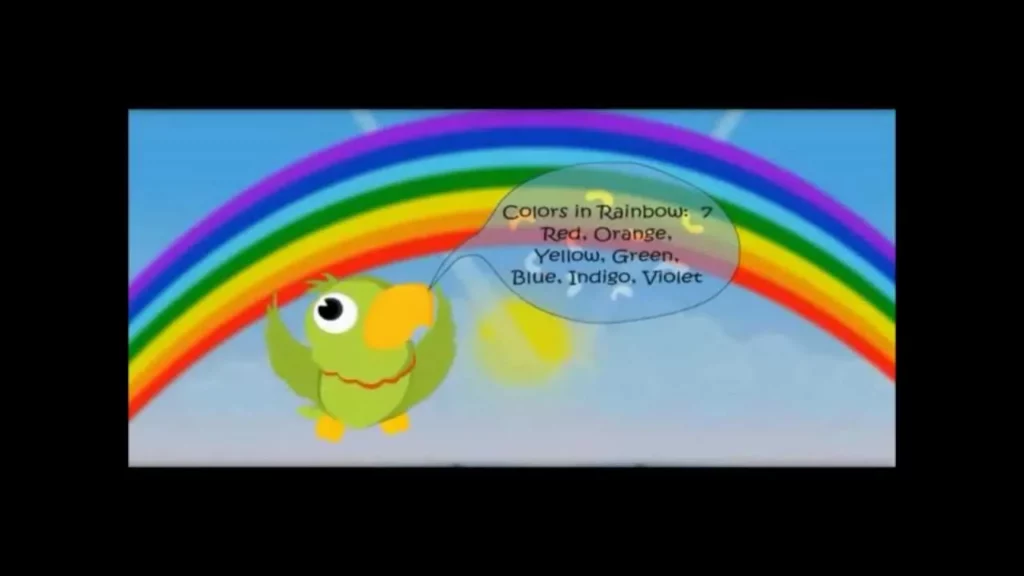
This lesson explores the science behind rainbows, highlighting that they consist of seven colors represented by the acronym ROYGBIV. Rainbows form when white light, like sunlight, is dispersed by raindrops in the atmosphere, acting similarly to a prism, which bends and separates the light into its constituent colors. Understanding this interaction between light and water enhances our appreciation of the natural beauty of rainbows.
Water Cycle
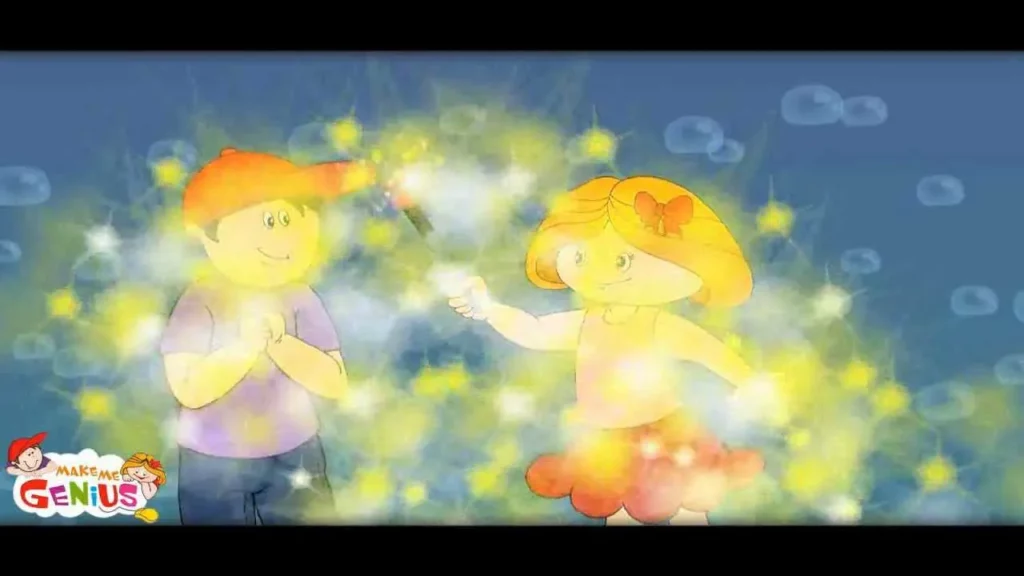
The lesson explains the water cycle and the process of rain formation, highlighting the key steps of evaporation, condensation, and precipitation. It begins with the sun heating water, causing evaporation into water vapor, which then rises and cools, transforming into droplets that form clouds. When these droplets become too heavy, they fall as precipitation, replenishing water sources and supporting life on Earth.
Planets & Solar System
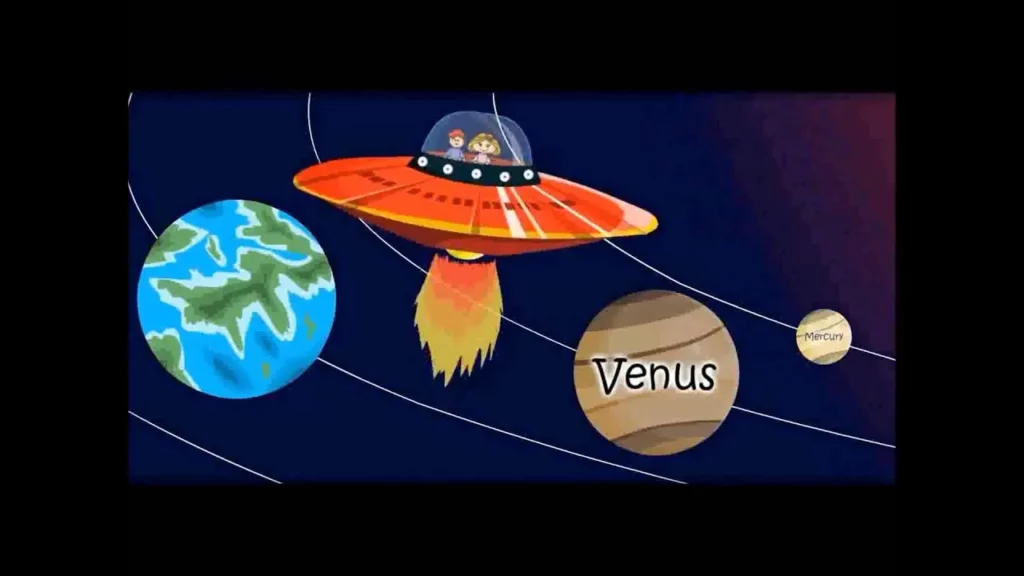
In this lesson, students embark on an exciting journey through the solar system, discovering the vastness of the universe and the unique characteristics of each planet. They learn about the sun as the center of our cosmic family and explore the distinct features of the eight planets, highlighting Earth’s special role as the only known home to life. This exploration fosters curiosity about space and encourages a deeper understanding of our place within the universe.
What is Melting

The lesson explains the science behind why ice cream melts, focusing on the role of molecules. It describes how molecules in a solid, like ice cream, are tightly packed and maintain their shape, but when heat is applied, they gain energy, move apart, and transition into a liquid state. Understanding the relationship between temperature and molecular movement helps explain the melting process and why melted ice cream can be refrozen.
Eclipses

This lesson explores the fascinating phenomena of solar and lunar eclipses, which occur when the Sun, Moon, and Earth align in specific ways. A solar eclipse happens when the Moon blocks sunlight from reaching Earth, while a lunar eclipse occurs when Earth’s shadow falls on the Moon. The lesson also explains the different types of each eclipse and why they are rare, emphasizing the beauty and scientific significance of these celestial events.
Types of Soil

This lesson emphasizes the crucial role of soil types in plant growth, highlighting that while sunlight, water, air, and nutrients are essential, the characteristics of the soil significantly influence plant health. It introduces three main soil types—clay, sandy, and loamy—each with distinct properties affecting water retention, air circulation, and nutrient availability. Ultimately, understanding these soil types can help gardeners select the best conditions for nurturing strong and healthy plants.
Adaptations in Plants
The lesson on “Exploring Plant Adaptations in Different Environments” highlights how plants uniquely adapt to thrive in diverse habitats such as deserts, oceans, and forests. It emphasizes specific adaptations, like the cactus’s water-storing capabilities and protective spines in arid regions, the buoyant structures of aquatic plants like water lilies, and the large leaves of forest plants that maximize sunlight capture. Understanding these adaptations fosters appreciation for biodiversity and underscores the importance of protecting various ecosystems.
Pollution Video 1
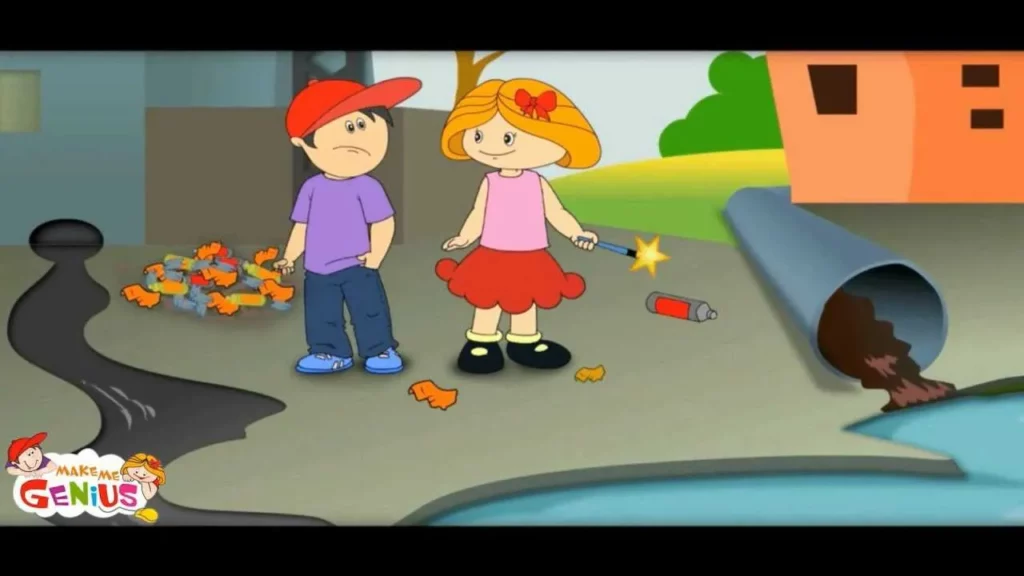
The lesson on pollution highlights its various types—air, water, and land pollution—along with their causes and detrimental effects on the environment and human health. It emphasizes the importance of understanding pollution to protect our planet and suggests actionable steps, such as reducing waste and supporting tree planting, to combat this pressing issue. By recognizing the sources of pollution and their impacts, individuals can contribute to a cleaner and healthier world.
Sound for Kids
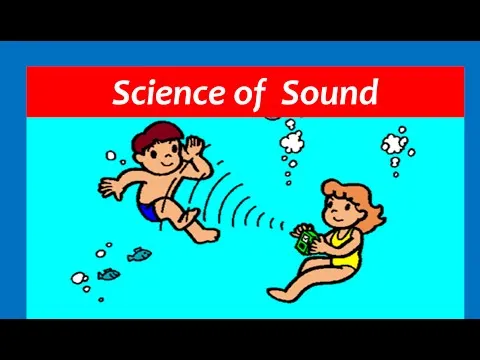
This lesson explores the science of sound, explaining how it is created through vibrations and how sound waves travel through different mediums like air, water, and solids. It highlights the relationship between the speed of sound, distance, and the way we perceive sound through our ears, emphasizing the importance of understanding sound in our daily lives. Through engaging examples, such as the vibrations of a guitar string and the triangle experiment, the lesson illustrates the fascinating nature of sound and its impact on our experiences.
States of matter
This lesson explores the three states of matter: solid, liquid, and gas, highlighting their unique properties and molecular structures. Solids have a definite shape due to tightly packed molecules, liquids take the shape of their containers with loosely arranged molecules, and gases fill available space with widely spaced, rapidly moving molecules. Additionally, the lesson discusses how matter transitions between these states through processes like melting, freezing, evaporation, and condensation, emphasizing the importance of understanding these concepts in our everyday lives.