
The Nervous System Functions and Facts
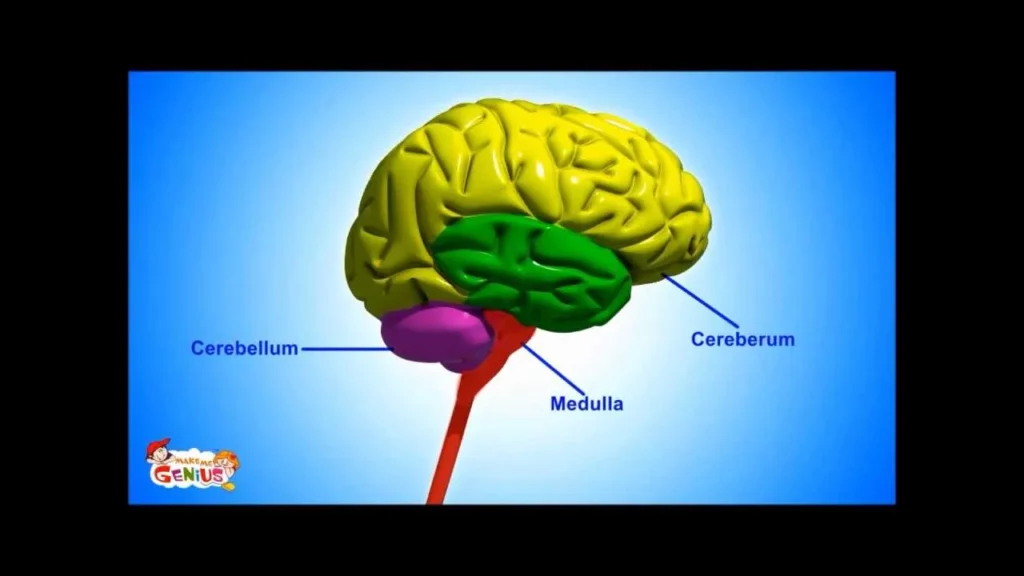
The lesson on the nervous system introduces it as a complex system that functions like a super-smart computer, enabling us to process information and react to our environment. It highlights the two main components: the central nervous system (CNS), which includes the brain and spinal cord, and the peripheral nervous system (PNS), which connects the CNS to the rest of the body through sensory and motor nerves. Understanding these systems reveals how they work together to facilitate our thoughts, movements, and bodily functions.
Endangered and Extinct Animals
The lesson on “Understanding Extinction and Endangerment in Animals” explores the concepts of extinction and endangerment, highlighting the causes such as habitat loss, hunting, pollution, and climate change. It emphasizes the importance of taking action to protect endangered species through sustainable practices, advocacy, and reducing paper use, ultimately encouraging collective efforts to preserve wildlife for future generations.
Gravity
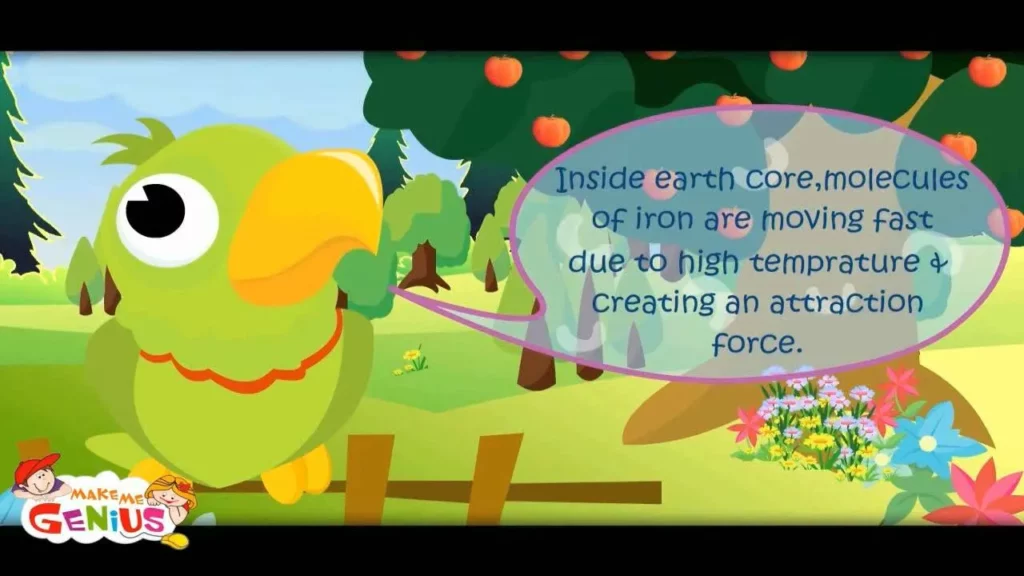
The lesson on gravity explains it as a fundamental force that pulls objects toward each other, particularly how it keeps us grounded on Earth. It covers the structure of the Earth, the role of gravity in nature, and the historical context of its discovery by Sir Isaac Newton. Through simple experiments, the lesson illustrates the principles of gravitational attraction and emphasizes the significance of gravity in both everyday life and the movement of celestial bodies.
Bugs and Insects
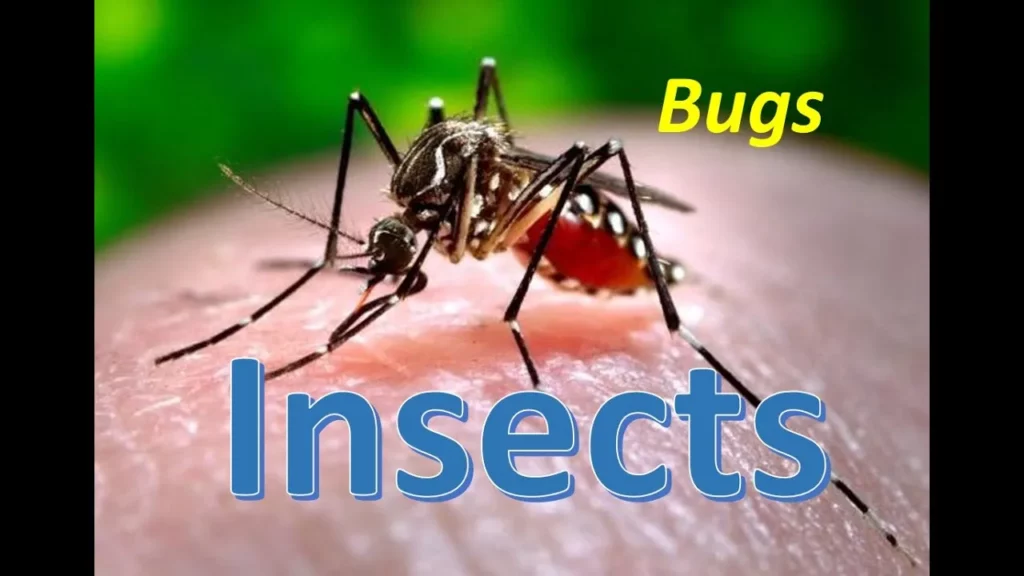
In this lesson, students explore the fascinating world of insects and arachnids, learning about their unique features and differences. Through engaging activities, such as counting legs and identifying body parts, they discover that insects have six legs and three body parts, while arachnids have eight legs and two body parts. The lesson encourages hands-on exploration in nature, helping students recognize and appreciate these tiny creatures in their environment.
Plant Parts and Functions
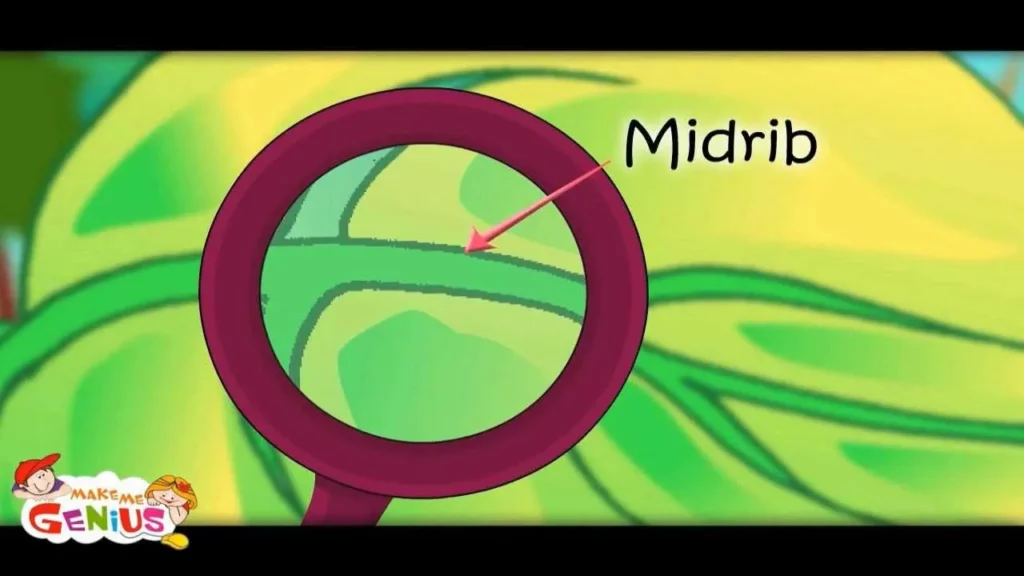
In the lesson “Discovering the World of Leaves,” students learn about the vital role leaves play in plant health and the environment, including their function in photosynthesis and air purification. The lesson also explores the various parts of plants that we consume, the life cycle of plants, and the numerous benefits they provide, such as clothing, fuel, and habitats for animals. Ultimately, it emphasizes the importance of appreciating and protecting plants to enhance our world.
Elements and Compounds
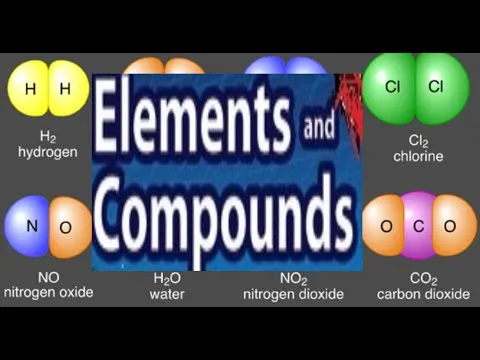
The lesson “Understanding Elements and Compounds: A Fun Dive into Chemistry” introduces the fundamental concepts of matter, focusing on atoms, elements, and compounds. It explains that atoms are the smallest units of matter, elements consist of only one type of atom, and compounds are formed when different atoms combine. By distinguishing between elements and compounds, the lesson emphasizes their significance in chemistry and their prevalence in everyday life.
Electromagnets
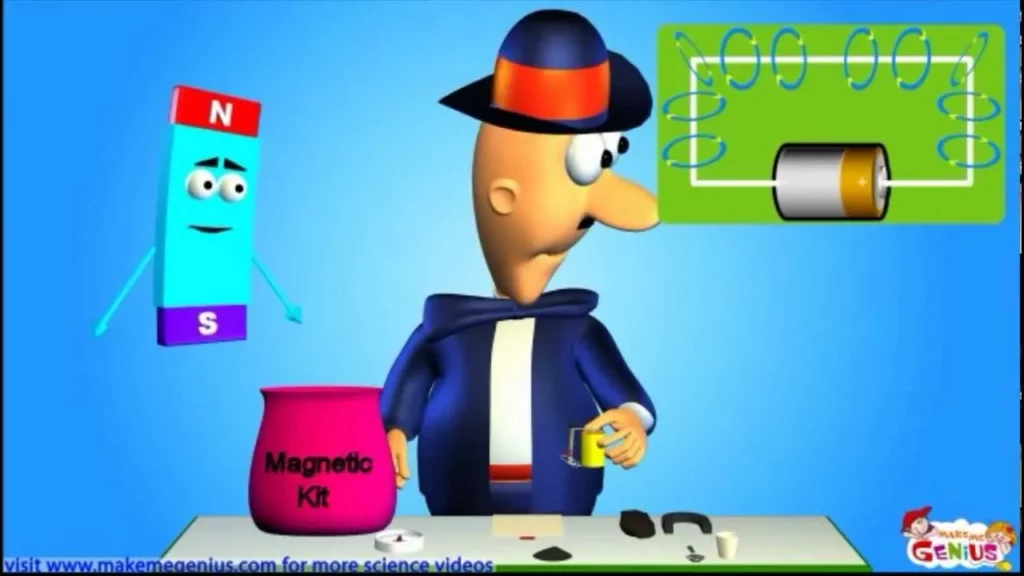
The lesson on electromagnetism explores the relationship between electricity and magnetism, demonstrating how electric currents can create magnetic fields through the use of electromagnets. By conducting a simple experiment, learners can create their own electromagnet and discover its applications in everyday devices such as refrigerators, doorbells, and electric motors, highlighting the significance of electromagnetism in modern technology. Overall, the lesson emphasizes the importance of understanding this fundamental scientific concept and its practical uses in daily life.
Electrical Circuits: Series and Parallel
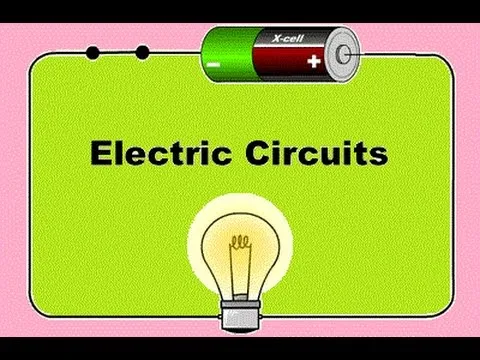
This lesson introduces the fundamentals of electric circuits, focusing on the differences between series and parallel circuits. It explains how electric current flows through a complete path, the components involved, and the unique characteristics and applications of each circuit type, emphasizing the importance of understanding these concepts for everyday electronics. By comparing series circuits to single-lane roads and parallel circuits to multi-lane highways, the lesson illustrates how each type functions in practical scenarios.
The Story of Santa Claus for Kids

This lesson explores the origins of Santa Claus and the significance of Christmas traditions. It highlights the story of Saint Nicholas, a generous figure whose acts of kindness inspired the modern-day Santa Claus, and emphasizes the importance of giving and helping others during the holiday season. Ultimately, the lesson encourages embracing the spirit of Christmas through love, joy, and kindness.
Photosynthesis
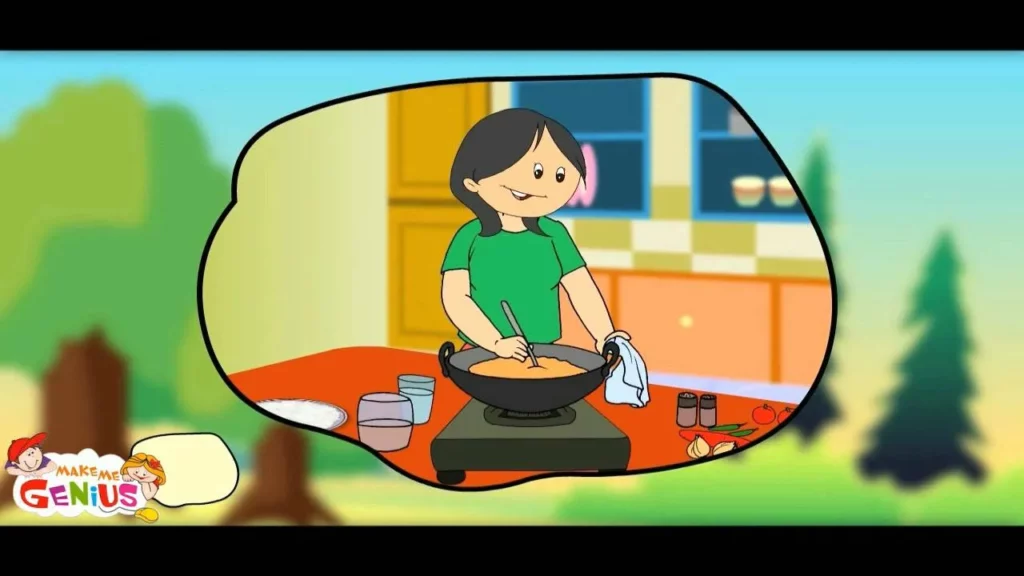
In this lesson, we explored the fascinating process of photosynthesis, through which plants create their own food using sunlight, water, and carbon dioxide. By absorbing these essential ingredients, plants convert them into glucose and oxygen, playing a crucial role in sustaining life on Earth by providing food and oxygen while regulating carbon dioxide levels. Understanding photosynthesis highlights the interconnectedness of nature and the vital importance of plants in our ecosystem.