
Two Minute Tour of Maryland: 50 States for Kids
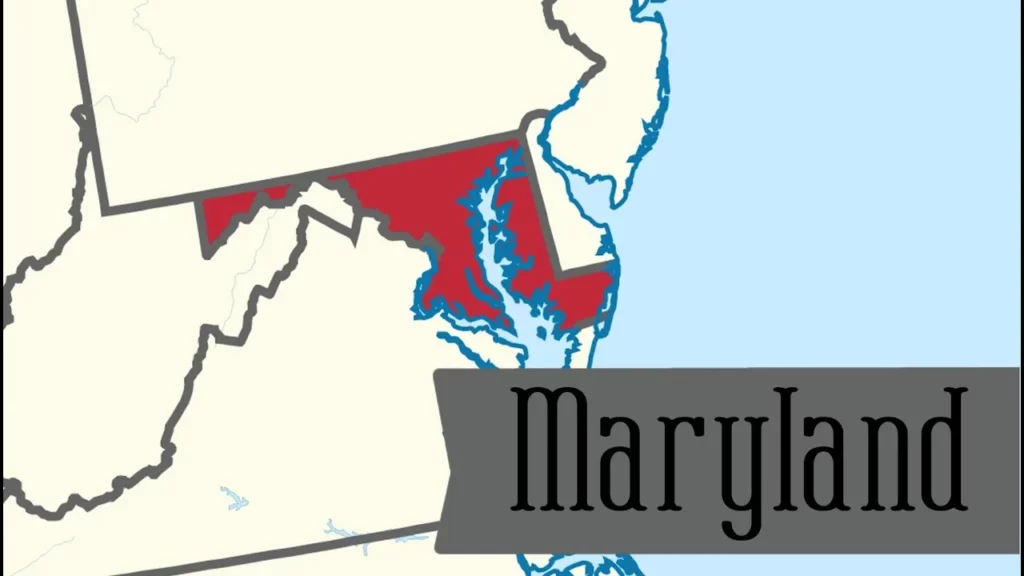
The lesson explores the significance of Maryland, known as the “Old Line State” and the “Free State,” highlighting its diverse climates and rich history. It discusses Maryland’s role in American history, including its admission as the seventh state and its contribution to the creation of Washington, D.C. Additionally, the lesson emphasizes Maryland’s cultural impact, particularly through the inspiration behind the national anthem, “The Star-Spangled Banner,” during the War of 1812.
What Makes it Snow? Winter Precipitation for Kids
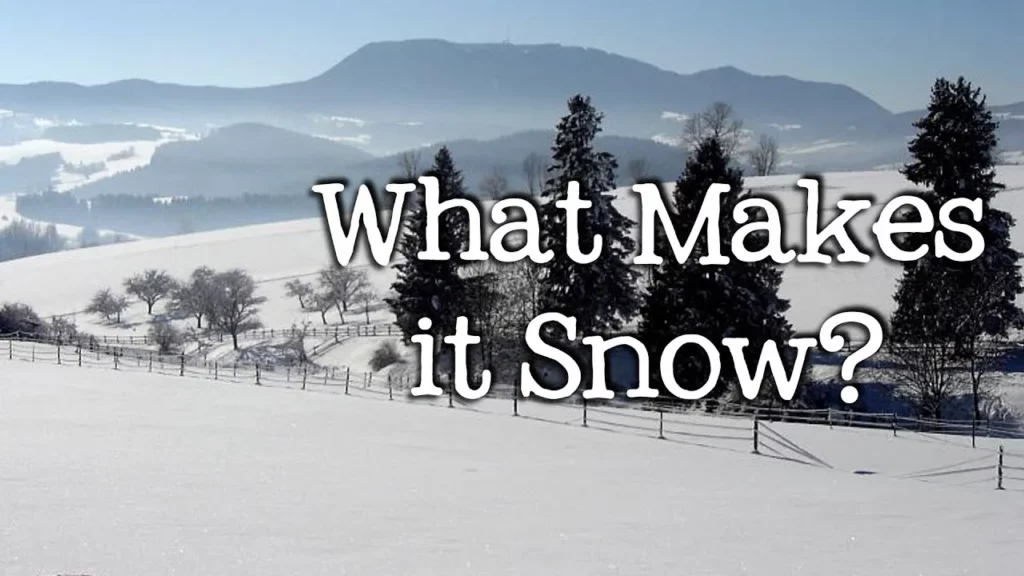
This lesson explores the science behind snow, explaining how it forms in clouds and the different types of precipitation, such as rain, freezing rain, sleet, and snow. It highlights the unique structure of snowflakes, which allows them to be soft and fluffy, and encourages observation of their intricate designs. Understanding the science of snow enhances our appreciation for this winter phenomenon and its beauty.
The Leaning Tower of Pisa for Kids: Famous World Landmarks for Children
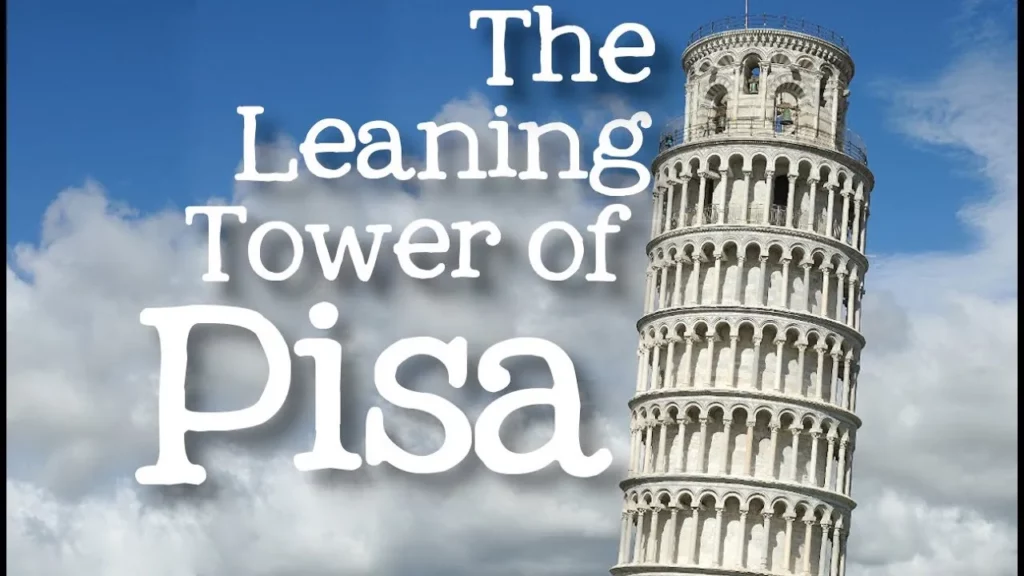
The Leaning Tower of Pisa, originally intended as a bell tower for the Pisa Cathedral, faced significant construction challenges due to unstable ground, leading to its iconic lean. After a century of abandonment and various engineering efforts, the tower was finally completed in 1372, and extensive preservation work in the 1990s stabilized it for future generations. Today, it stands as a testament to historical engineering ingenuity and continues to attract visitors from around the globe.
Mysterious Moai: The Giant Heads of Easter Island for Kids
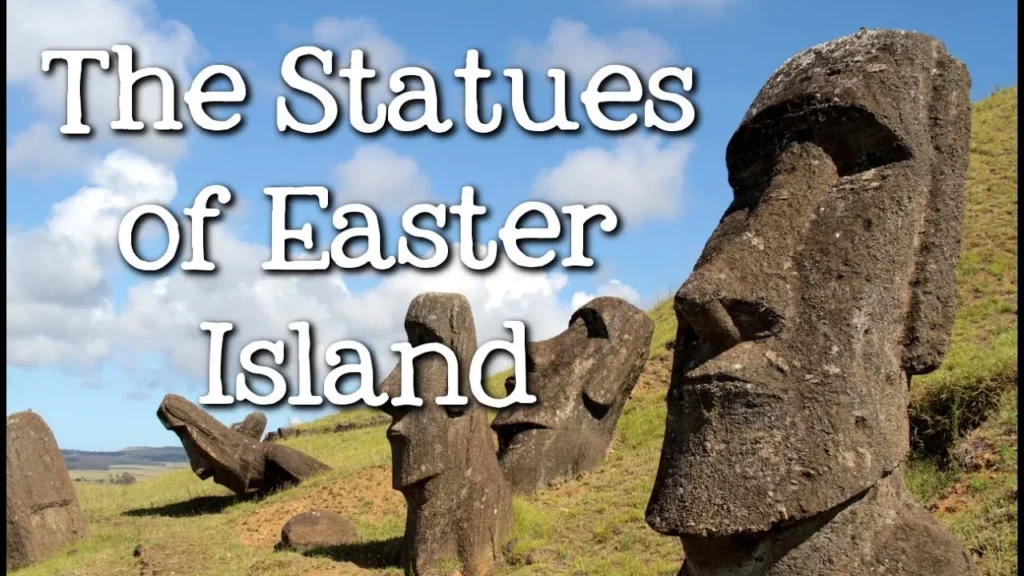
The lesson explores the intriguing history and significance of Easter Island, also known as Rapa Nui, home to the iconic moai statues. Discovered by Dutch explorer Jacob Roggeveen in 1722, these massive stone figures, carved from volcanic rock, were likely created to honor important leaders or ancestors, though their exact purpose remains a mystery. Today, efforts to preserve these cultural treasures are ongoing, highlighting the island’s rich heritage and the challenges faced by its early inhabitants.
The Planet Earth: Astronomy and Space for Kids
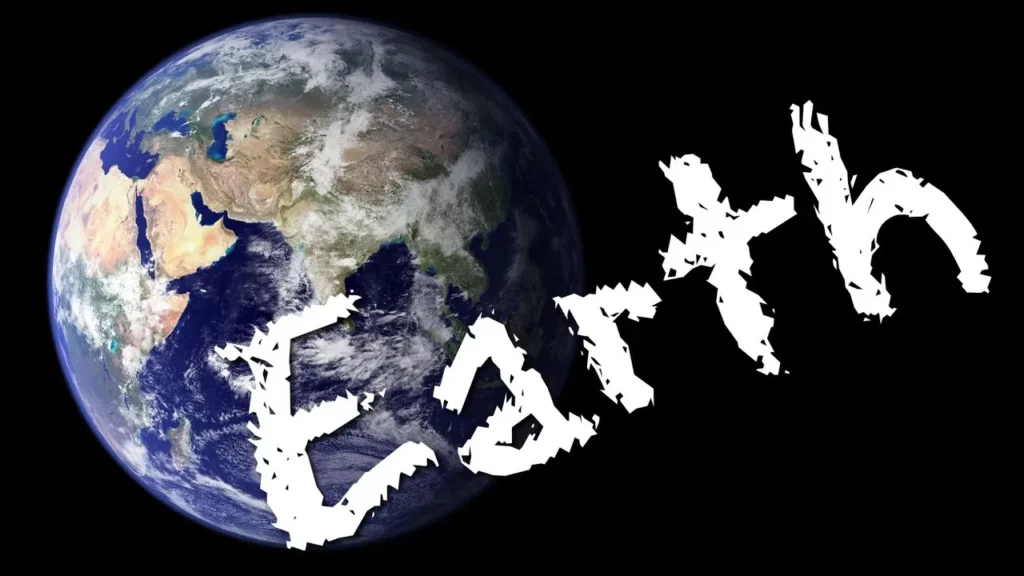
The lesson “Understanding Earth: Our Unique Planet” highlights the distinctive features that make Earth special, including its position in the solar system, abundant water coverage, protective atmosphere, and internal structure. It emphasizes the importance of Earth as a life-sustaining environment and encourages the need for conservation to ensure its continued health and vitality for future generations.
Animal Classification for Children: Classifying Vertebrates and Invertebrates for Kids
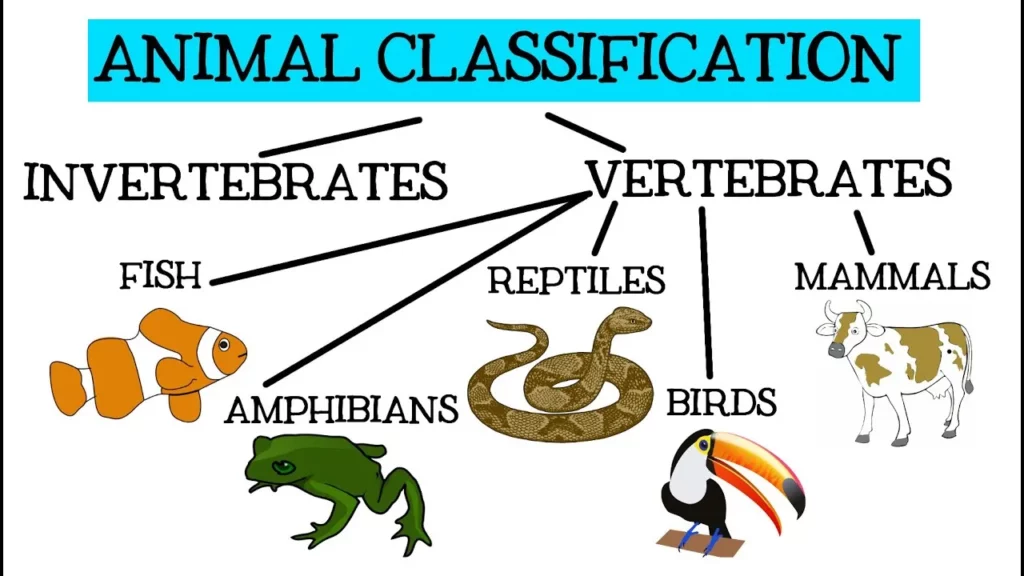
In this lesson, we explore the classification of animals, focusing on the two main groups: vertebrates, which have a backbone, and invertebrates, which do not. Vertebrates are further divided into five classes—fish, amphibians, reptiles, birds, and mammals—each with distinct characteristics, while invertebrates encompass a vast array of species, including insects and marine creatures. Understanding these classifications enhances our knowledge of the diverse animal kingdom and their unique adaptations.
All About Cells and Cell Structure: Parts of the Cell for Kids
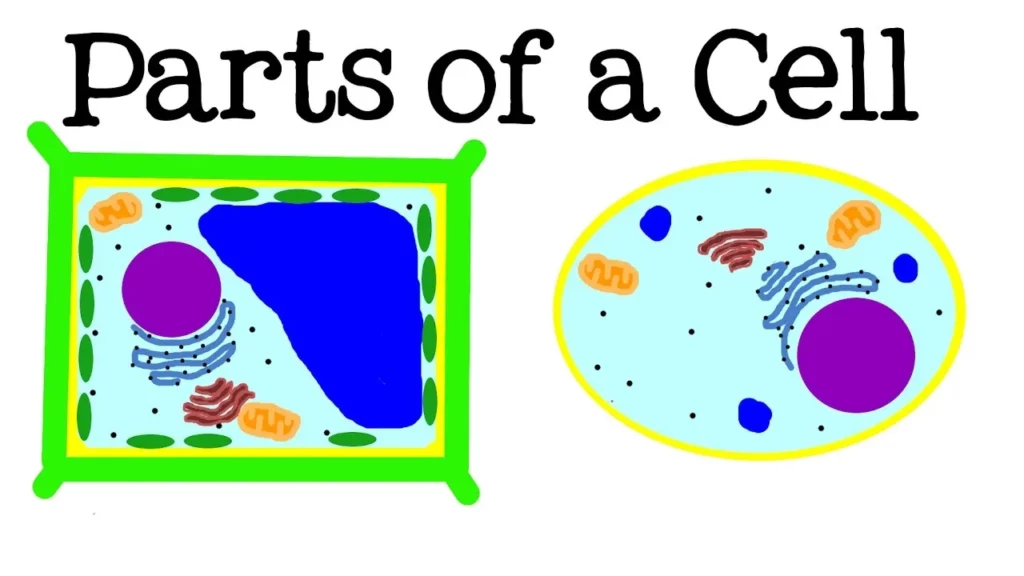
The lesson “Understanding Cells: The Building Blocks of Life” introduces the fundamental concept that all living organisms are composed of cells, which serve as the essential units of life. It highlights the differences between plant and animal cells, focusing on key components such as the cell membrane, cell wall, and various organelles like the nucleus, mitochondria, and chloroplasts, each performing vital functions to maintain cellular health and support life. Ultimately, the lesson emphasizes the importance of cells in sustaining life and the diversity of living organisms on Earth.
Biography of Thomas Jefferson for Kids: Meet the American President
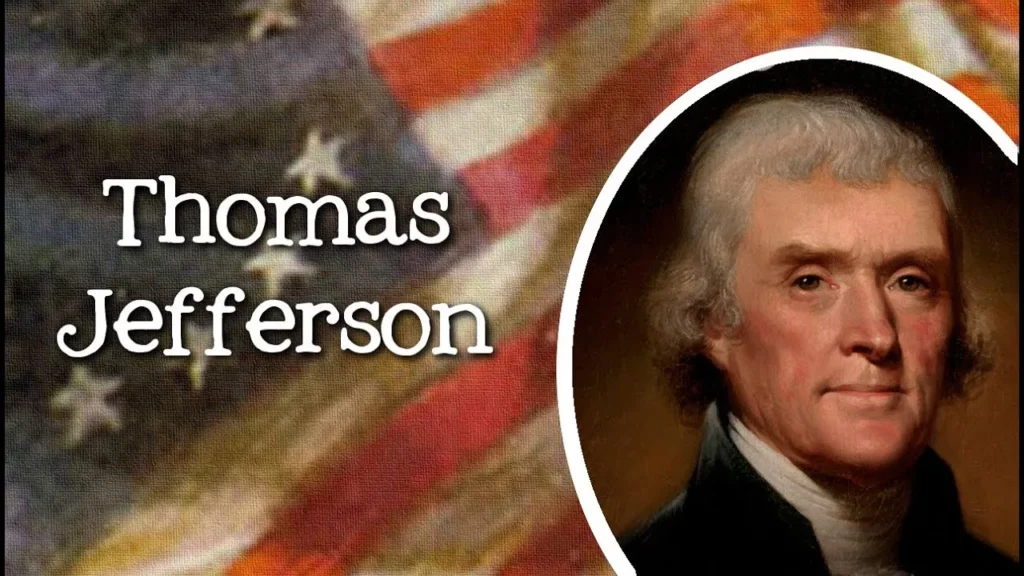
Thomas Jefferson, born in 1743 in Virginia, was a prominent figure in American history, serving as the third President of the United States. He played a crucial role in drafting the Declaration of Independence and made significant contributions during his presidency, including the Louisiana Purchase and the establishment of the University of Virginia. Jefferson is remembered for his advocacy of human freedom and his lasting impact on the nation, symbolized by memorials and his presence on U.S. currency.
[NEW/IMPROVED] All About Giraffes for Kids: Giraffe Video for Children
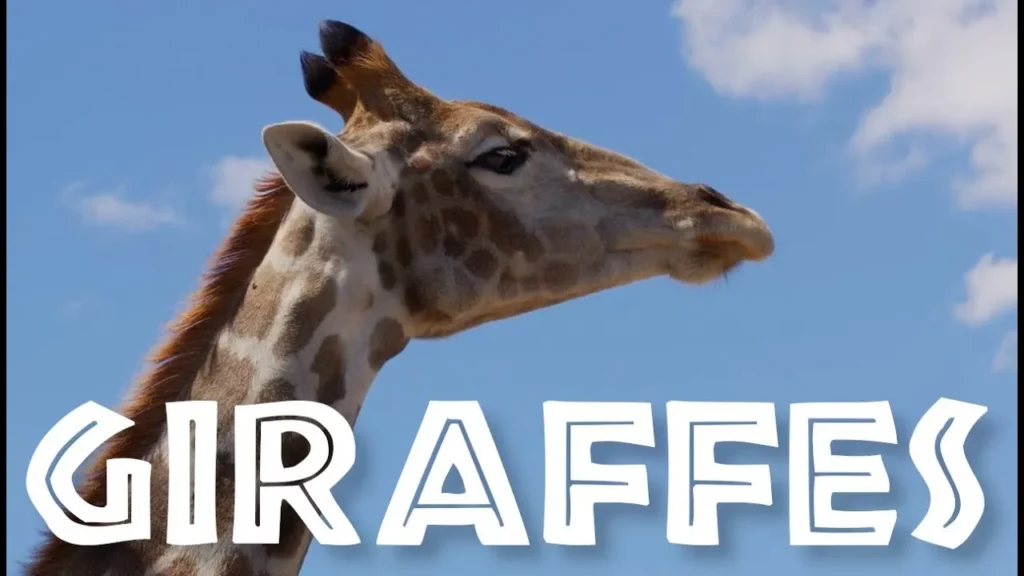
The lesson on giraffes highlights their remarkable physical characteristics, such as their towering height and unique ossicones, as well as their habitat in African savannas where they thrive by reaching high foliage. It also discusses their social behavior, survival strategies, and the challenges they face due to habitat loss and hunting, emphasizing the importance of conservation efforts to protect these majestic animals for future generations.
All About Volcanoes for Children: Introduction to Volcanoes for Kids
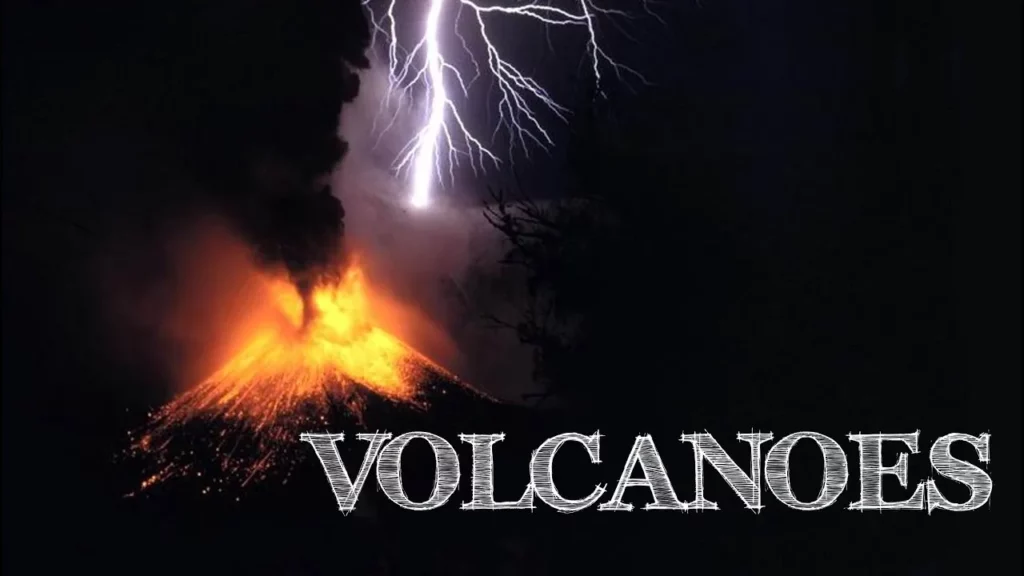
The lesson on volcanoes explores their formation, types, and significance in shaping Earth’s landscapes. It explains how volcanoes arise from tectonic plate movements and hotspots, categorizes them into types such as cinder cone, shield, and composite volcanoes, and discusses their activity levels—active, dormant, and extinct. Understanding volcanoes helps us appreciate their dual role in creating new land and ecosystems while also posing potential dangers to nearby communities.