
All About Neptune for Kids: Astronomy and Space for Children
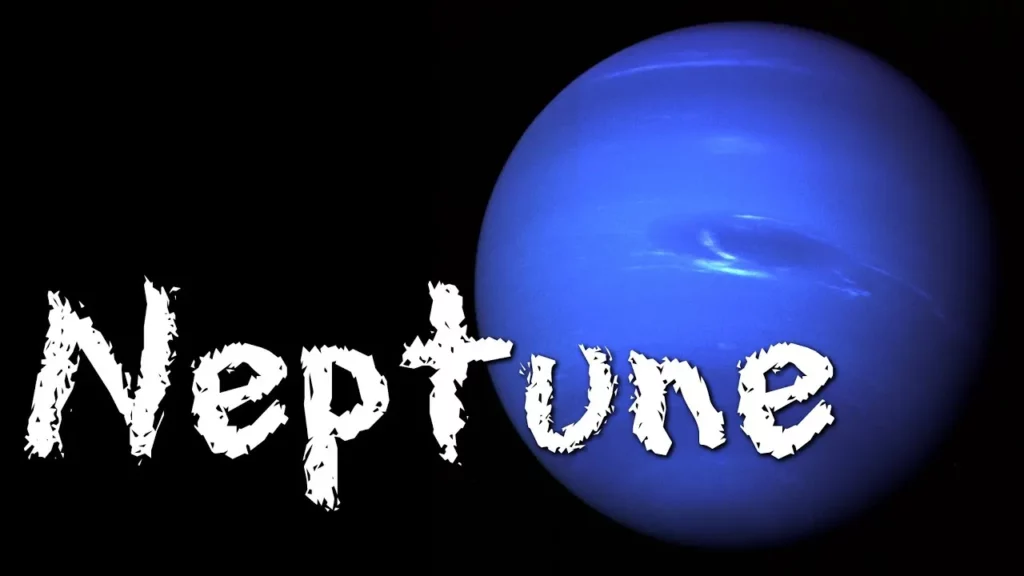
The lesson explores Neptune, the eighth and farthest planet from the Sun, highlighting its unique characteristics as an “ice giant” with a dense composition and active atmosphere. It discusses Neptune’s extreme weather patterns, including the strongest winds in the solar system, its discovery through mathematical predictions, and its intriguing orbit that occasionally intersects with Pluto’s. The lesson concludes by emphasizing Neptune’s ongoing allure for scientific exploration and the potential for future discoveries.
The History of Civilization for Kids: How Civilization Began
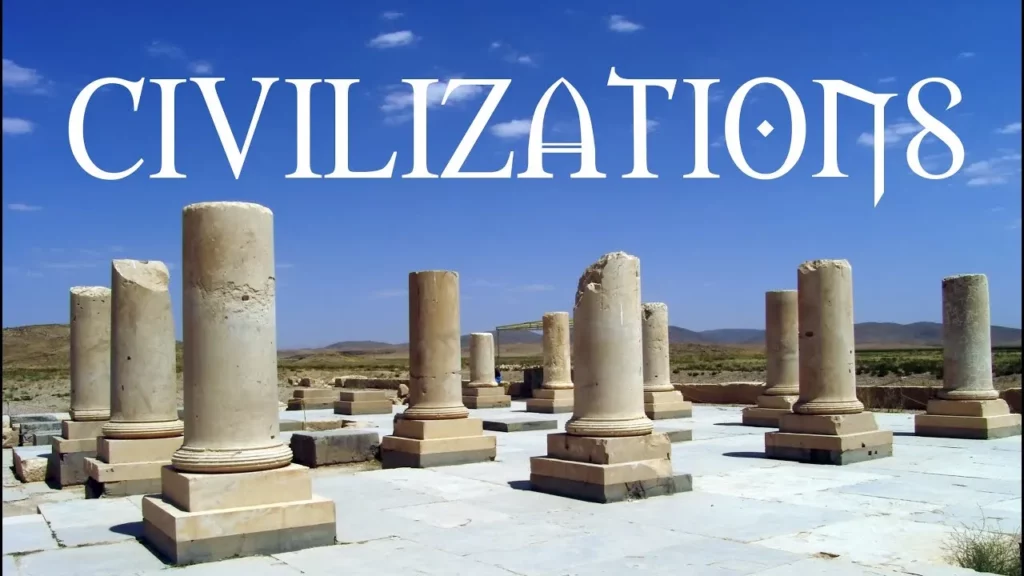
The lesson “Understanding Civilization: A Journey Through Time” explores the evolution of human societies from hunter-gatherer groups to complex civilizations. It highlights the significant transition brought about by the Agricultural Revolution, which allowed for food surplus, the establishment of permanent settlements, and the development of specialized labor and trade networks. Ultimately, it defines key features of civilizations, such as urban centers, governance, and shared cultural values, tracing their origins back to ancient Mesopotamia and their lasting impact on the world.
All About Frogs for Kids – Facts About Frogs and Toads for Children: FreeSchool
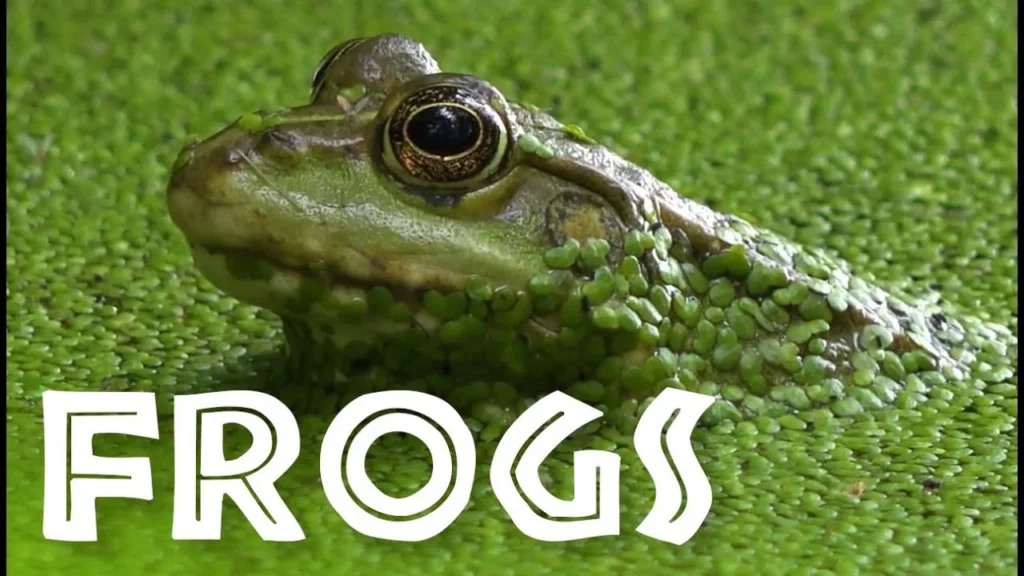
The lesson explores the captivating world of frogs, highlighting their unique characteristics, diverse habitats, and vital roles in ecosystems. It details their life cycle, from eggs to adult frogs, and emphasizes the importance of conservation efforts to protect these amphibians from threats like habitat loss and pollution. By understanding and appreciating frogs, we can contribute to their preservation and the health of our natural environments.
All About Penguins for Kids: Penguins of the World for Children
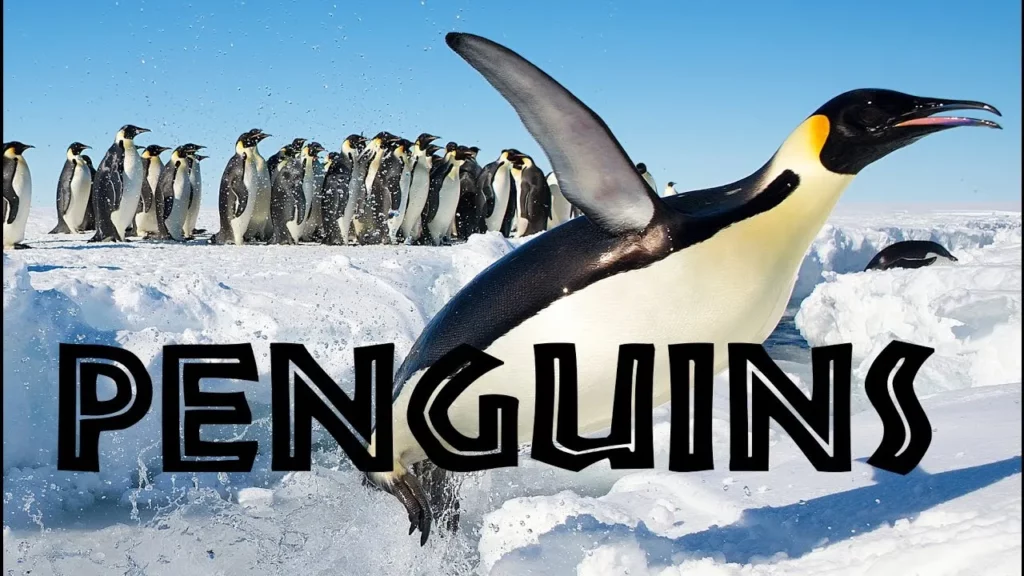
The lesson explores the fascinating world of penguins, highlighting their unique adaptations for life in cold environments, their diverse habitats across the globe, and the various species that exist. It emphasizes their survival strategies, including their diet and social behaviors, as well as the challenges they face due to climate change and human activities. Ultimately, the lesson encourages appreciation for these remarkable birds and the importance of conservation efforts to protect their future.
All About Sea Lions for Kids: Sea Lion Facts and Information for Children
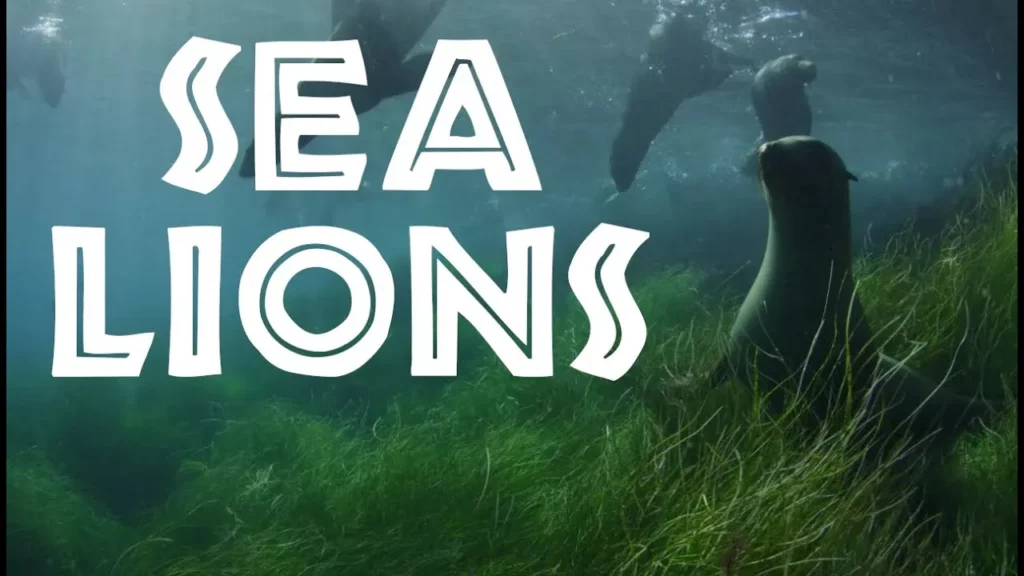
The lesson highlights the playful nature and ecological importance of sea lions, which are social, curious mammals found in various coastal regions. It discusses their physical characteristics, dietary habits, and the differences between sea lions and seals, while also addressing the challenges they face due to human activities and environmental changes. The lesson concludes by emphasizing the need for conservation efforts to protect sea lions and their habitats for future generations.
All About Insects for Children: Bees, Butterflies, Ladybugs, Ants and Flies for Kids
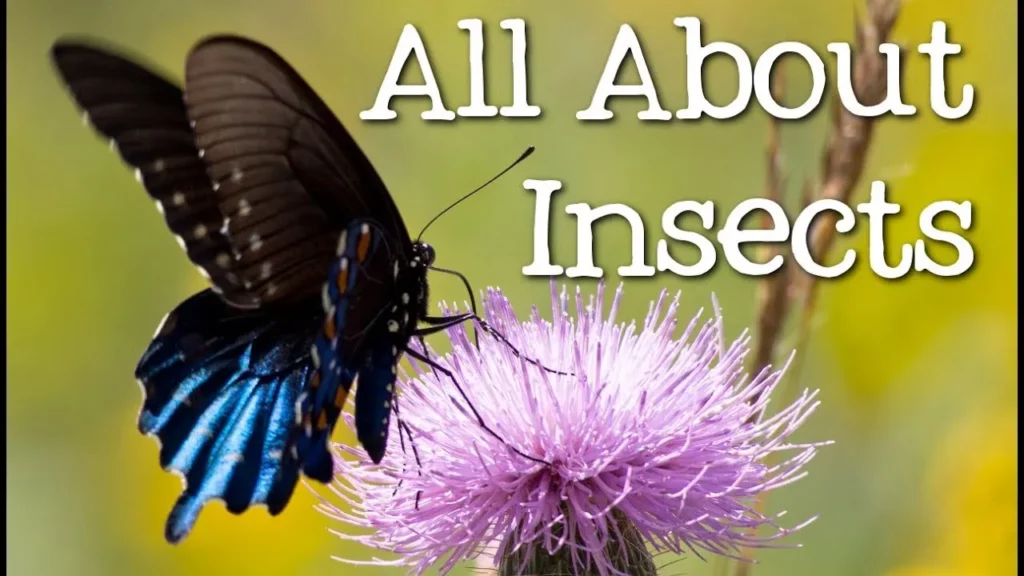
The lesson explores the fascinating world of insects, highlighting their diverse habitats, unique physical characteristics, and vital roles in ecosystems. Insects, which are the largest group of animals on Earth, possess special features such as an exoskeleton, compound eyes, and a unique breathing system that influences their size. Additionally, the lesson emphasizes the importance of insects in pollination and ecological balance, showcasing their remarkable life cycles, including the transformative process of metamorphosis.
All About Jupiter for Children: Astronomy and Space for Kids
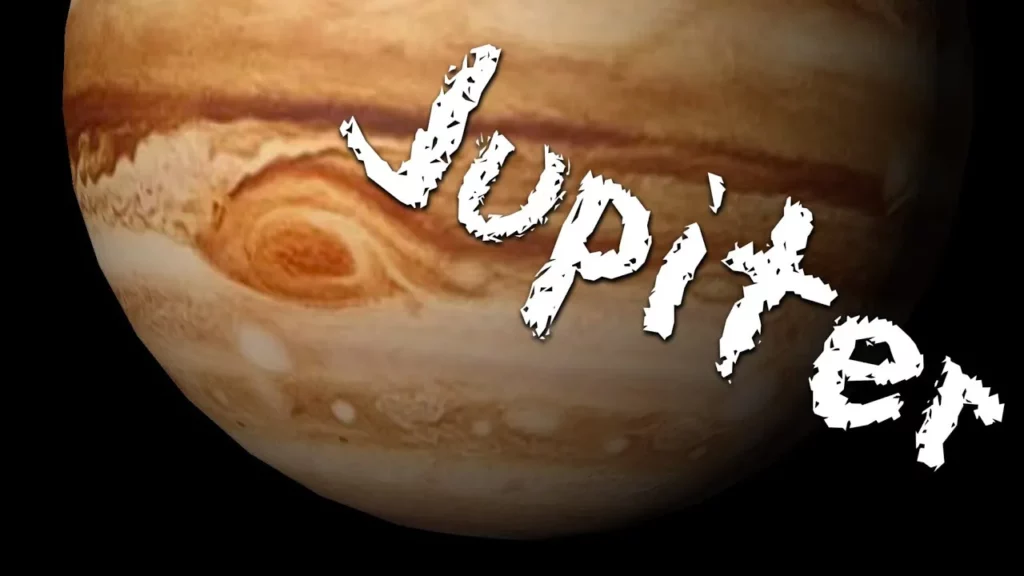
The lesson explores Jupiter, the largest planet in our solar system, highlighting its composition as a gas giant, immense size, and historical significance. It discusses Jupiter’s rapid rotation, extreme weather patterns, including the Great Red Spot, and its numerous moons, particularly the four largest discovered by Galileo. Ongoing exploration, notably by NASA’s Juno spacecraft, continues to enhance our understanding of this fascinating planet.
All About Whale Sharks for Children: Whale Shark video for Kids
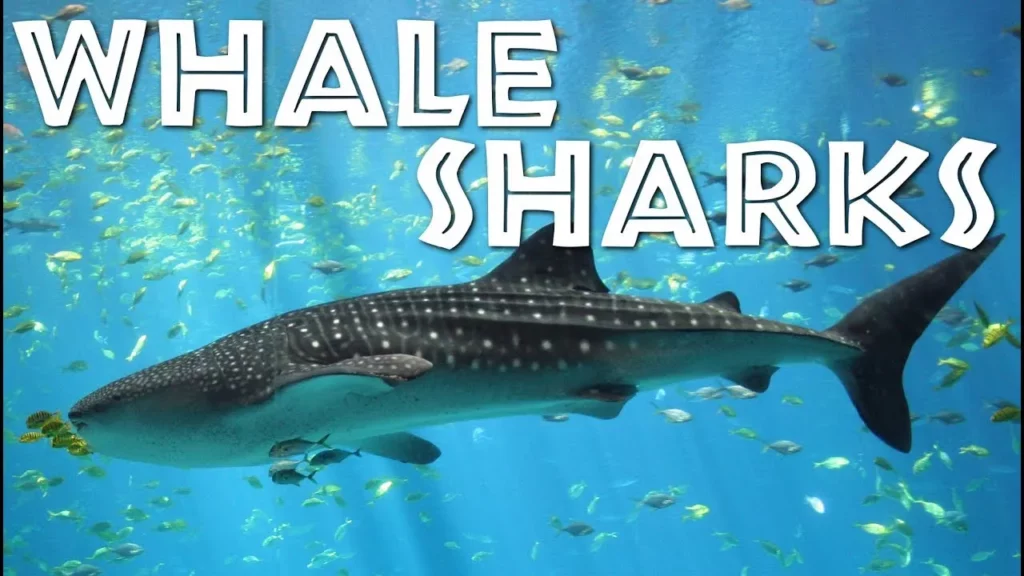
The lesson on whale sharks highlights their unique characteristics as the largest fish in the world, their filter-feeding habits, and their preference for warm, tropical waters. It emphasizes the importance of conservation efforts to protect these gentle giants from threats like fishing and habitat loss, while also encouraging awareness and appreciation for their role in maintaining marine ecosystems. Understanding and safeguarding whale sharks is crucial for preserving the biodiversity of our oceans.
What is a Nebula? Astronomy and Space for Kids
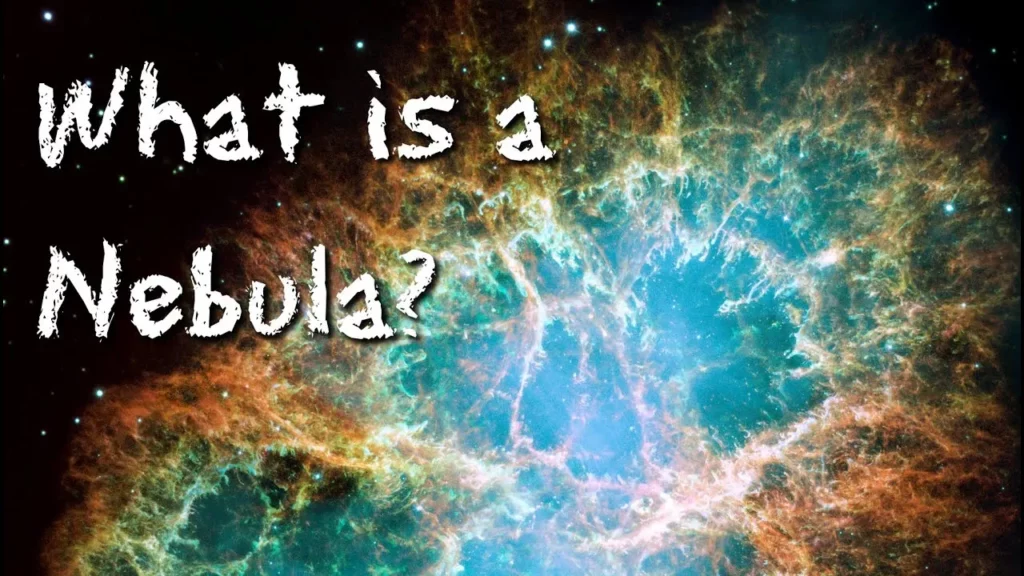
The lesson explores the fascinating world of nebulae, which are vast clouds of dust and gas in space that come in various forms, including star-forming regions, planetary nebulae, supernova remnants, and dark nebulae. Each type plays a crucial role in the life cycle of the universe, illustrating the interconnectedness of star creation and destruction. Ultimately, nebulae not only captivate our imagination with their beauty but also enhance our understanding of cosmic processes.
Black Holes for Children – Astronomy and Space for Kids: FreeSchool
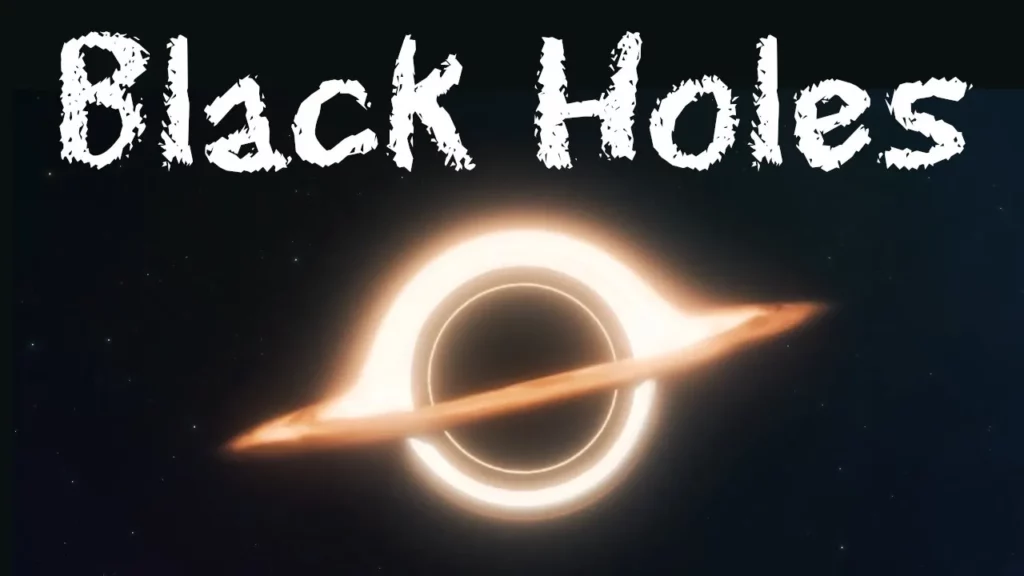
The lesson on black holes explores these enigmatic cosmic entities, which possess an immense gravitational pull so strong that not even light can escape them. It discusses their characteristics, types (stellar and supermassive), and the evidence of their existence through their effects on surrounding stars and gas. Despite significant advancements in understanding black holes, they remain one of the universe’s greatest mysteries, with ongoing research shedding light on their complex nature.