
All About Jellyfish for Kids: Jellyfish for Children
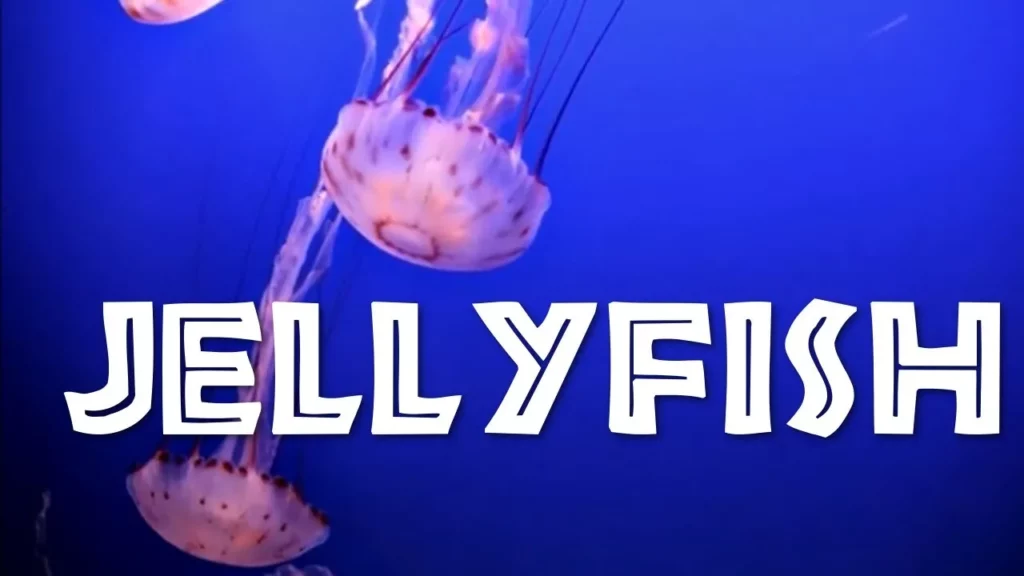
The lesson explores the intriguing characteristics and life cycle of jellyfish, highlighting their presence in oceans worldwide and their classification within the cnidarian family. It discusses their unique anatomy, movement, and predatory behavior, emphasizing their ability to camouflage and their various methods of capturing prey. Additionally, the lesson outlines their life cycle, from eggs to adult jellyfish, and concludes by noting the dual nature of jellyfish as both beautiful and potentially dangerous marine creatures.
All About Hippos for Kids: Hippopotamus for Children
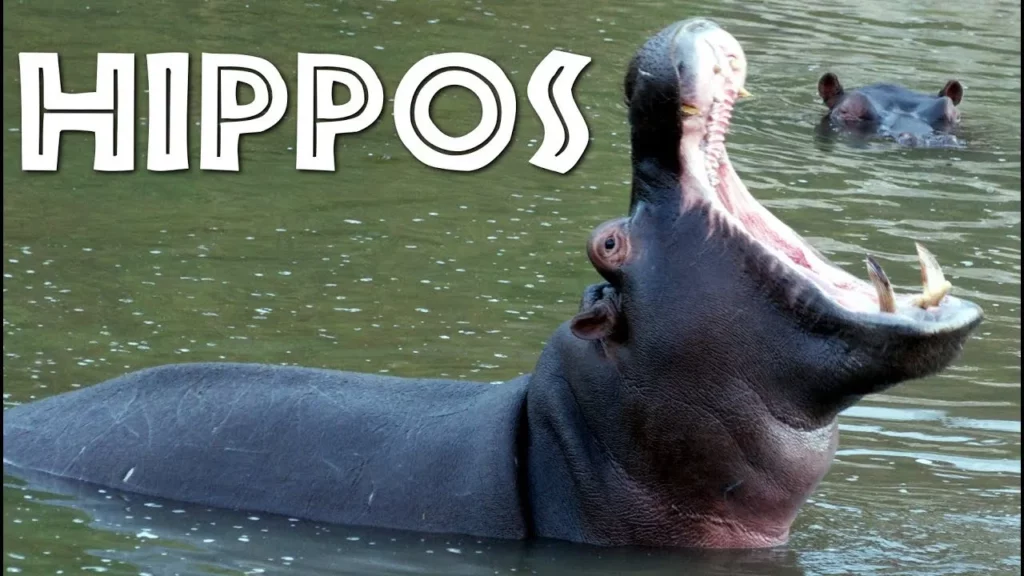
The lesson introduces hippos, fascinating and massive animals native to Africa, highlighting their unique physical characteristics, habitat preferences, and dietary habits. It emphasizes the importance of hippos in their ecosystem, their potential danger to humans, and the threats they face due to habitat loss and hunting, ultimately calling for conservation efforts to ensure their survival.
Antarctica for Kids: Cool Facts About Antarctica for Children
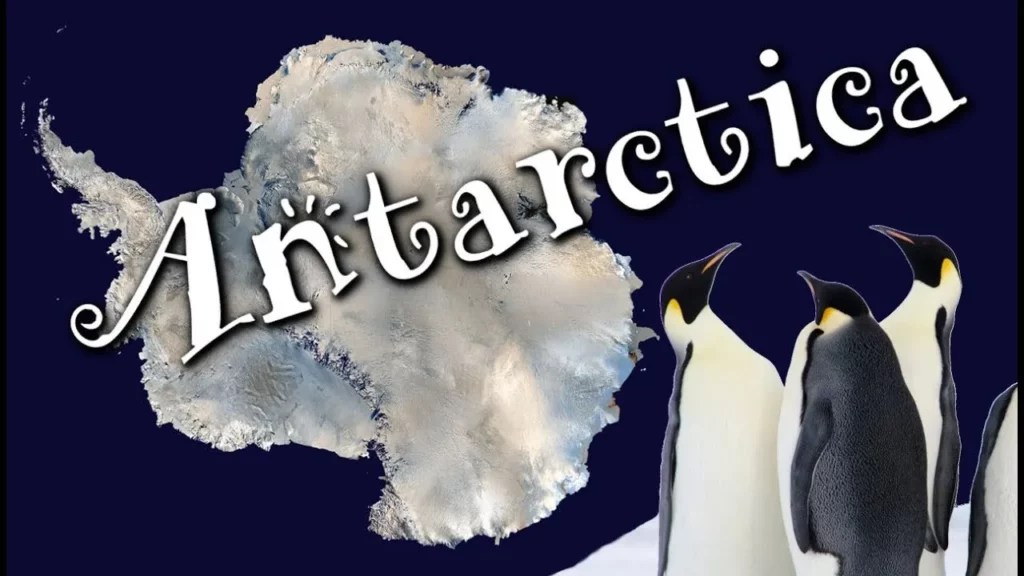
The lesson on Antarctica highlights its status as the coldest and driest continent, characterized by vast ice sheets and extreme weather conditions. It covers the continent’s discovery, unique climate, limited flora and fauna, and the governance established through the Antarctic Treaty, which emphasizes the importance of preserving this pristine environment for scientific research and global cooperation. Overall, Antarctica serves as a reminder of the need to protect our planet’s natural wonders.
All About Polar Bears for Kids: Polar Bears for Children
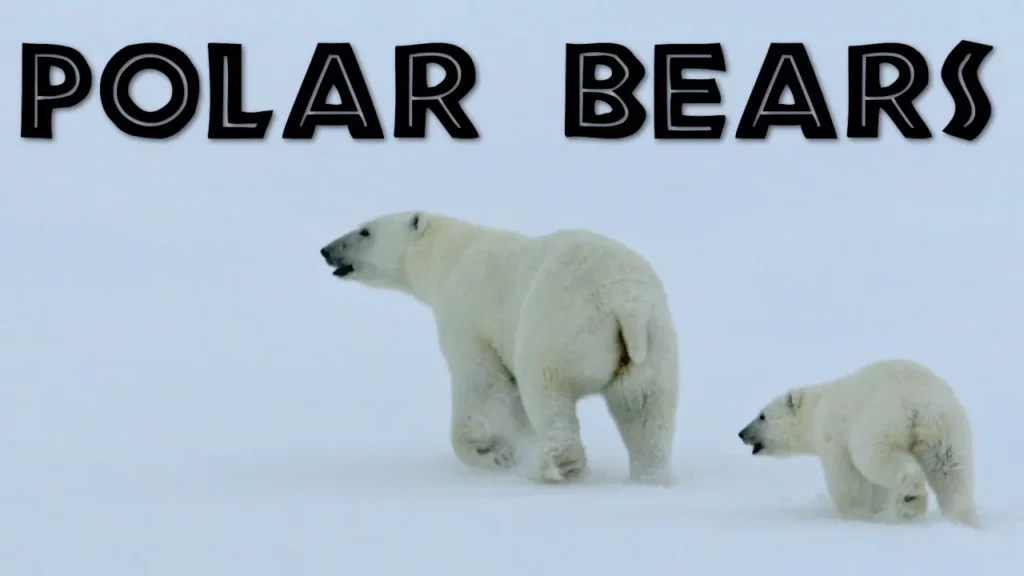
The lesson on polar bears highlights their unique adaptations and significance within the Arctic ecosystem. These majestic mammals, recognized for their large size and thick white fur, are well-suited for their cold habitat, primarily hunting seals on sea ice. While currently not endangered, polar bears face threats from climate change and habitat loss, emphasizing the need for conservation efforts to ensure their survival.
The Great Sphinx of Giza for Children: Ancient Egyptian History for Kids
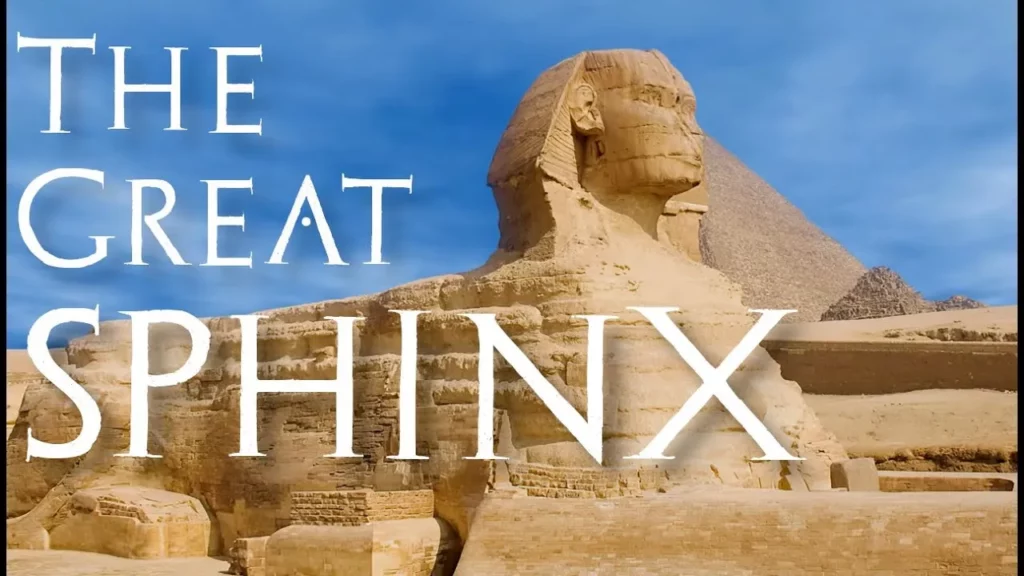
The Great Sphinx of Giza, carved around 2500 BC, is one of the oldest and largest sculptures in the world, featuring a human head and a lion’s body. While its exact purpose remains uncertain, it is believed to honor Pharaoh Khafre and serve as a guardian for his tomb. Despite extensive studies and excavations, the Sphinx continues to hold mysteries, symbolizing the enduring allure of ancient Egyptian art and culture.
Elephants for Children: Learn All About Elephants
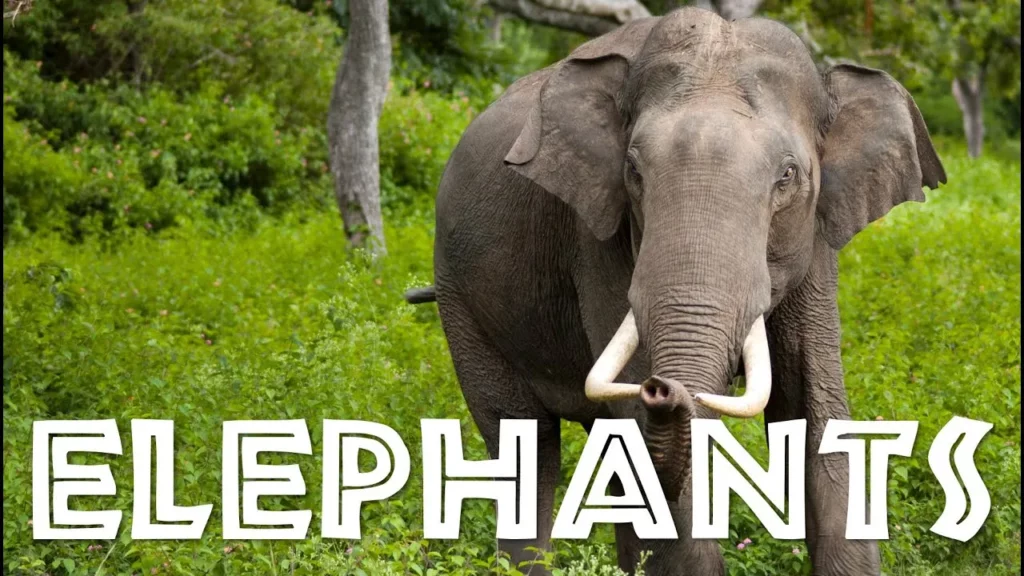
This lesson provides an overview of elephants, the largest land animals, highlighting their characteristics, distinctive features, and the two main types: Asian and African elephants. It emphasizes the threats they face, such as poaching and habitat destruction, and discusses conservation efforts aimed at protecting these magnificent creatures and ensuring their survival in the wild. Understanding elephants and the challenges they encounter is crucial for fostering their conservation and coexistence with humans.
Biography of George Washington for Kids: Meet the American President
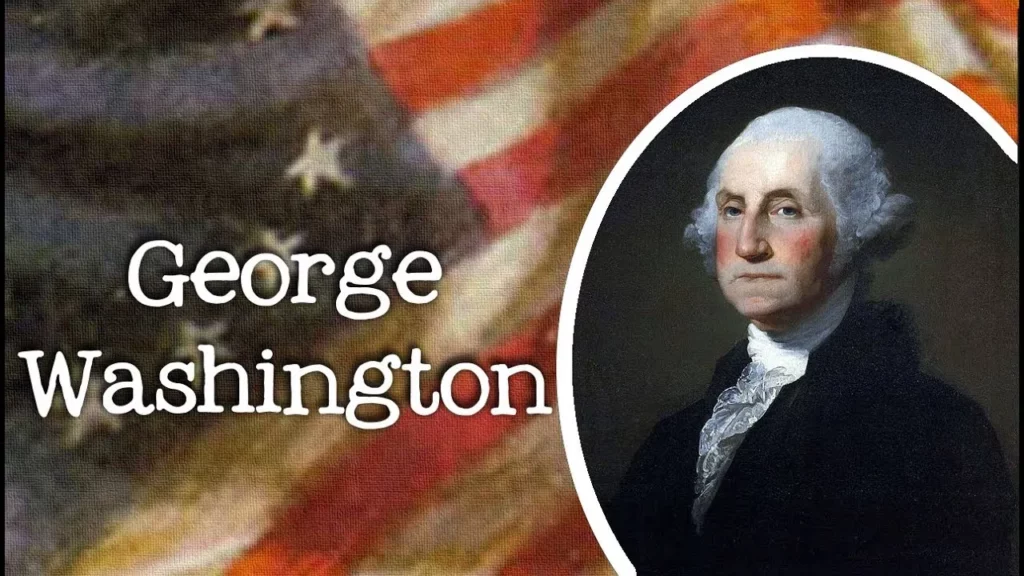
The lesson covers the life and achievements of George Washington, highlighting his early education, military career, leadership during the Revolutionary War, and presidency as the first President of the United States. Washington’s determination and strategic victories, such as those at the Battle of Trenton and the Siege of Yorktown, were pivotal in securing American independence. His legacy as the “Father of Our Country” endures through various memorials and his lasting impact on the nation.
The Statue of Liberty for Kids: Famous World Landmarks for Children
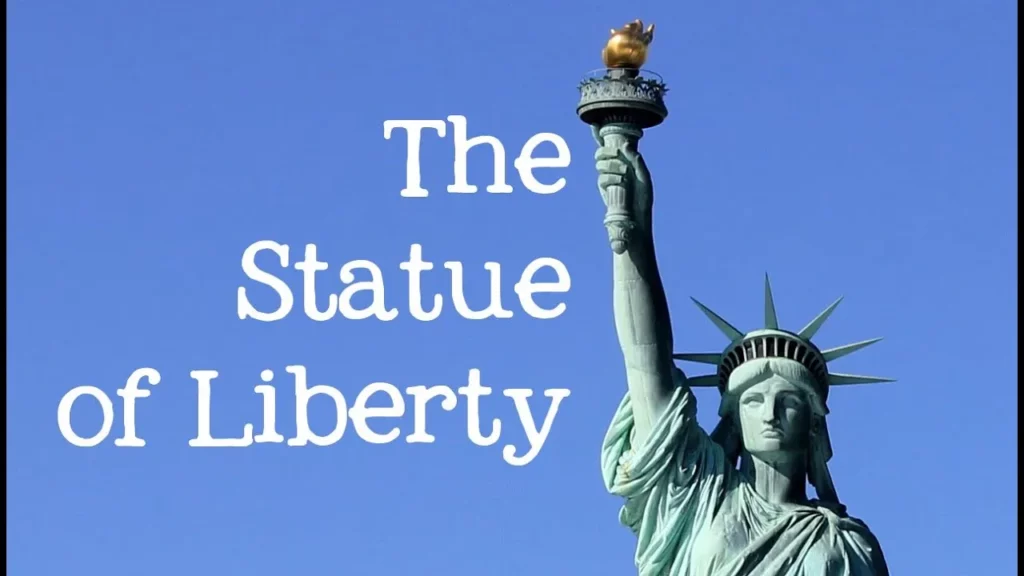
The Statue of Liberty, officially named “Liberty Enlightening the World,” is a renowned symbol of freedom and friendship between France and the United States, dedicated on October 28, 1886. Designed by sculptor Auguste Bartholdi and funded collaboratively by both nations, the statue represents liberty through its imagery and inscriptions, welcoming millions of immigrants to America. Today, it stands as a cherished World Heritage Site, embodying hope and the enduring bond between the two countries.
Metamorphosis: Caterpillar to Butterfly for Children
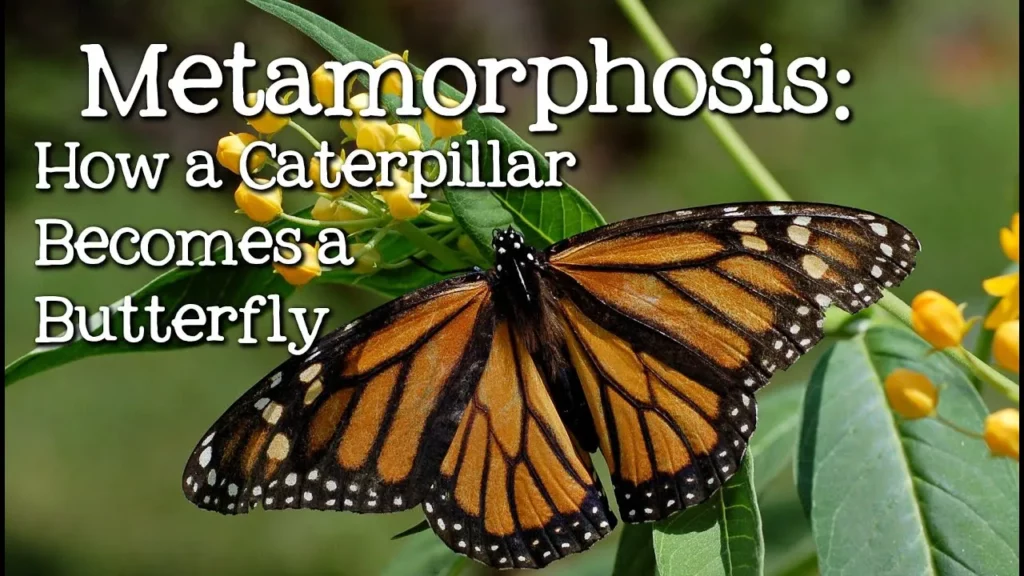
The lesson explores the remarkable transformation of caterpillars into butterflies, highlighting the stages of their life cycle. It details the caterpillar’s growth, the metamorphosis process where it forms a chrysalis, and the emergence of the butterfly, emphasizing the beauty and complexity of this natural phenomenon. Ultimately, it illustrates the cyclical nature of life as butterflies lay eggs to continue the process.
Biography of Ludwig van Beethoven for Kids – Beethoven for Children: FreeSchool
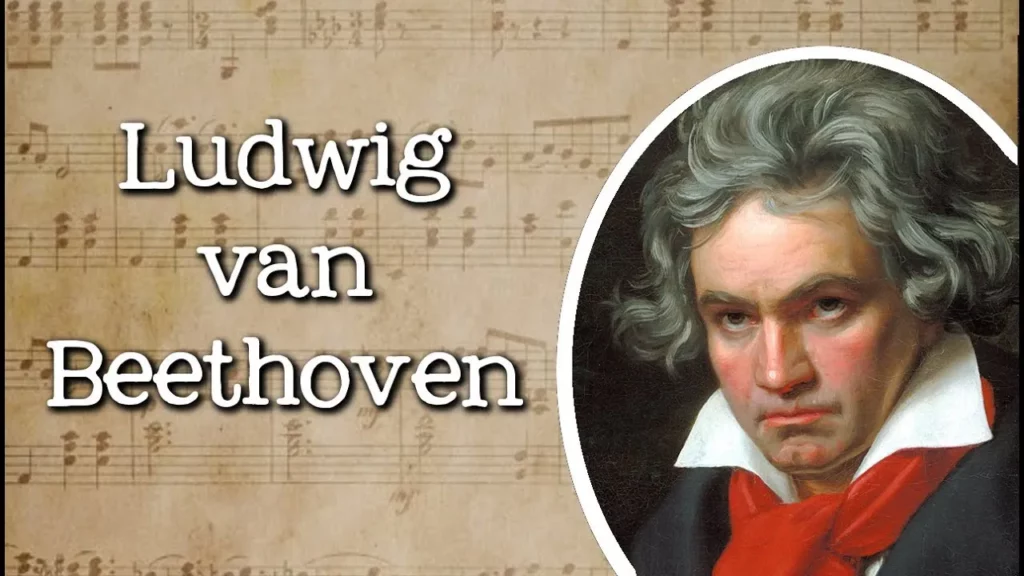
The lesson on Ludwig van Beethoven highlights his remarkable journey from a challenging childhood in Bonn, Germany, to becoming one of the greatest composers in history. Despite facing significant obstacles, including the loss of his hearing, Beethoven’s determination and creativity led to the creation of iconic works, such as his Ninth Symphony, which continues to inspire audiences today. His legacy serves as a testament to resilience and the enduring power of music.