
What Is Water Made Of?

The lesson explains the basic composition of water, represented by the chemical formula H₂O, which consists of two hydrogen atoms and one oxygen atom. This simple structure is essential for understanding water’s unique properties, such as its ability to dissolve substances and its behavior at different temperatures. Overall, the lesson highlights the significance of water in supporting life on Earth.
Option C – Acceleration of a Bungy Jump
The lesson explains the physics of bungee jumping, focusing on the concepts of velocity and acceleration. It clarifies the common misconception that a bungee jumper is accelerating the fastest at the lowest point of the jump; while they reach maximum velocity there, their acceleration is actually zero as the bungee cord begins to pull them back up. Understanding these distinctions enhances our comprehension of the dynamics involved in this thrilling activity.
CapitolTV’s DISTRICT VOICES – District 5: Electric Sparks From Falling Water
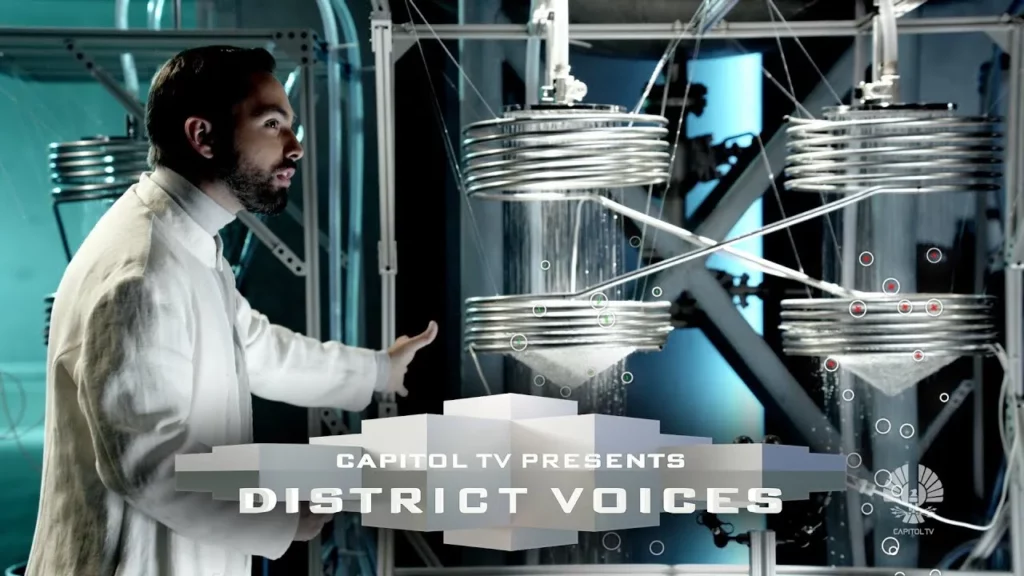
The lesson introduces an innovative experiment at the Coriolanus Nine Solar Thermal Power Plant, demonstrating how electricity can be generated using falling water without traditional power sources. By harnessing the natural charge imbalances in water, the experiment showcases a simple electric generator that produces 20,000 volts through a unique process involving charged particles and mesh structures. This highlights the potential for sustainable energy solutions that can be implemented even on a small scale, encouraging a shift towards creative and environmentally friendly technologies.
What Is Electricity? (Are You Gonna Be My Girl?)

This lesson highlights the fundamental role of electricity in our daily lives, explaining how it powers everything from household appliances to advanced technology. It covers the basics of electricity, including the movement of electrons, the concepts of voltage and current, and the distinction between alternating current (AC) and direct current (DC). Ultimately, the lesson emphasizes the importance of understanding electricity as we continue to innovate and rely on it for modern living.
I Waterproofed Myself With Aerogel!
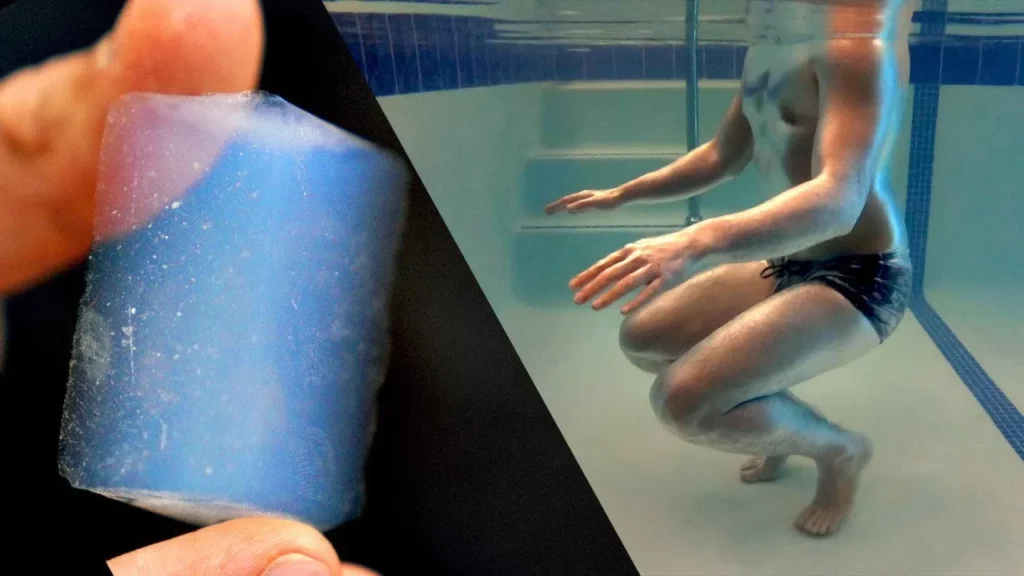
The lesson on aerogel highlights its extraordinary properties, such as exceptional thermal insulation and high moisture absorption, while also addressing its fragility and challenges in practical applications. Innovations, including the development of a silica aerogel mixture for improved usability and the creation of hydrophobic aerogel, showcase its versatility in fields like museum conservation and space exploration. As research progresses, aerogel’s potential continues to expand, promising significant advancements across various industries.
The Science of Thinking

The lesson explores the uncomfortable nature of thinking and how our cognitive processes can lead to mistakes when we avoid deeper engagement. It introduces two systems of thought: System One (Gun), which operates quickly and automatically, and System Two (Drew), which requires more effort and careful reasoning. By embracing the discomfort of challenging tasks and engaging actively with material, we can improve our learning and cognitive abilities, ultimately leading to greater understanding and expertise.
The Fastest Maze-Solving Competition On Earth

The Micromouse Challenge is an annual competition where autonomous robots race through intricate mazes, showcasing advancements in robotics and artificial intelligence. Originating from Claude Shannon’s early work in 1952, the event has evolved significantly, with participants employing sophisticated algorithms like the flood fill method to optimize navigation. Innovations in design, such as diagonal movement and enhanced sensors, have propelled the competition forward, reflecting the ongoing spirit of creativity and technological progress in the field of robotics.
Chain Drop Answer 2
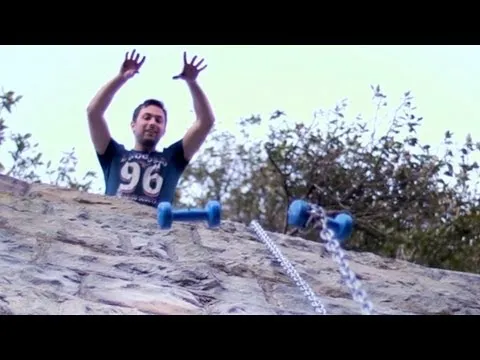
The lesson explores the physics of falling objects through an experiment where one object is attached to a chain while the other is a free weight. Surprisingly, the chained object hits the ground first due to the tension created in the chain, which alters its acceleration. This principle is also applicable in real-world scenarios, such as bungee jumping, where tension affects the motion of the jumper, demonstrating the interplay between forces and acceleration in everyday life.
What Powers Australia?

The lesson discusses the current state and future prospects of electricity generation in Australia, highlighting the dominance of coal as a non-renewable source while acknowledging the growing interest in renewable energy options like solar and wind. It also explores the contentious debate surrounding nuclear energy, with supporters advocating for its clean energy potential and critics raising concerns about safety and waste management. Ultimately, Australia’s energy future will hinge on finding a balance between safety, environmental sustainability, and reliable energy supply.
Why Machines That Bend Are Better

The lesson on compliant mechanisms highlights the innovative potential of flexibility in engineering, as demonstrated by Professor Larry Howell. By utilizing flexible parts to create movement, compliant mechanisms offer numerous advantages, including reduced part count, cost efficiency, durability, and precision, making them ideal for applications in nuclear safety, aerospace, and micro-mechanical devices. This approach encourages engineers to embrace flexibility as a valuable asset in design, leading to more effective and versatile solutions across various industries.