
Pushing The Limits Of Extreme Breath-Holding
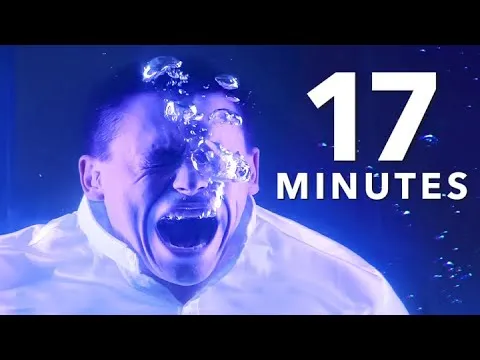
In “The Art of Breath-Holding,” expert Brandon Birchak explores techniques and the science behind extending breath-holding duration, emphasizing the importance of oxygen and the risks of hyperventilation. He outlines strategies to maximize oxygen levels and reduce consumption, introduces the Body Oxygen Level Test (BOLT), and highlights the significance of relaxation and mental focus in improving breath-holding performance. Ultimately, Birchak’s insights reveal that mastering breath-holding involves a combination of physiological understanding and psychological resilience.
The SAT Question Everyone Got Wrong
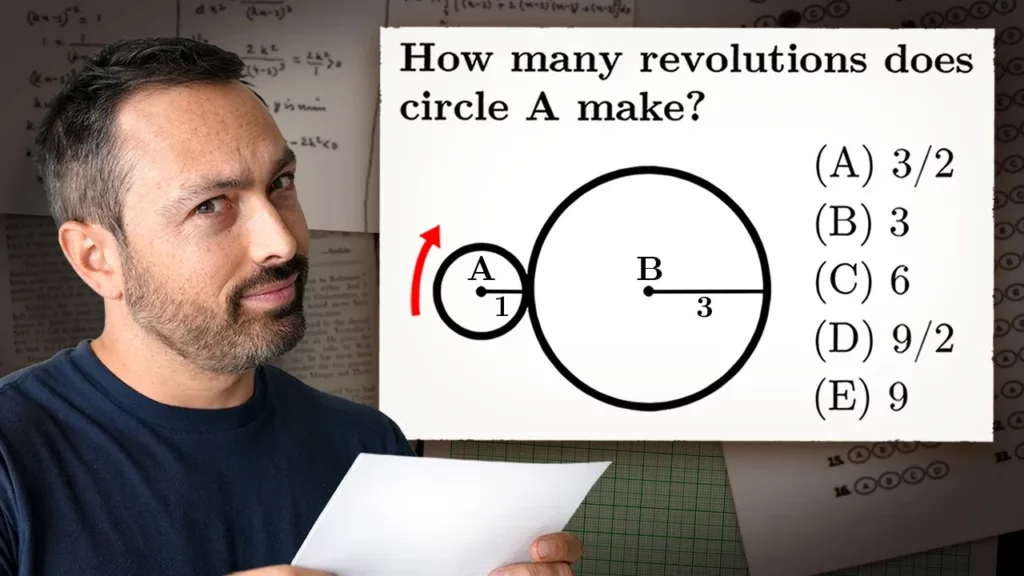
In 1982, a notorious SAT question about the revolutions of two circles stumped all test-takers due to a miscalculation by the test writers, who incorrectly believed the answer was three revolutions. The actual answer is four revolutions, as demonstrated by the coin rotation paradox, which illustrates that circle A rotates twice while rolling around circle B. This incident led to the College Board acknowledging the error, nullifying the question, and rescaling scores, highlighting the complexities of standardized testing and its implications for students’ futures.
World’s Heaviest Weight
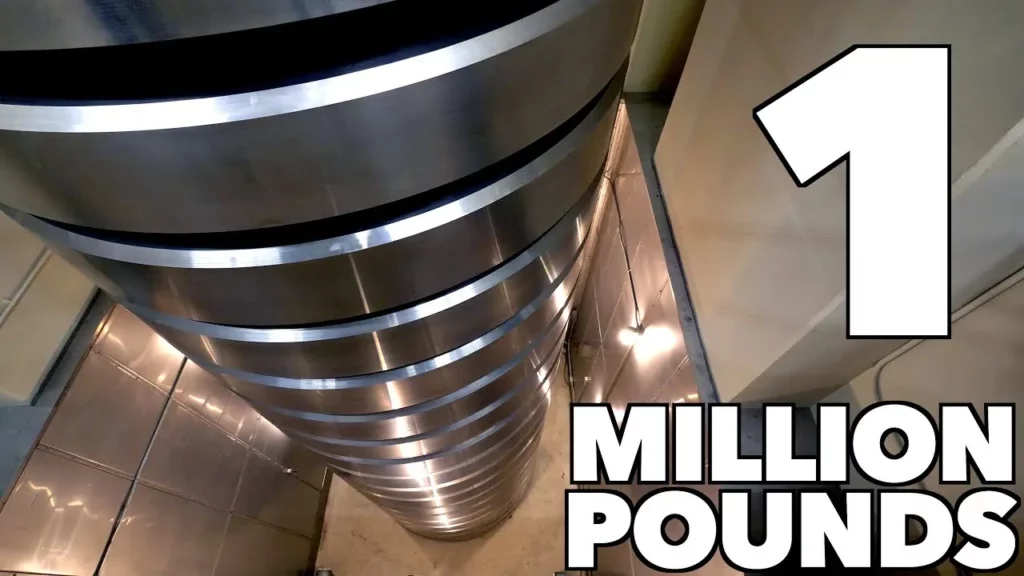
The lesson on “Understanding Force Measurement: The Science Behind Calibration” explores the critical role of precise force measurement in scientific and engineering applications, particularly in aerospace. It highlights the expertise of Rick Seifarth, who manages a sophisticated dead weight machine capable of applying immense forces for calibration purposes, ensuring the accuracy of force transducers used in testing environments like rocket launch facilities. The lesson emphasizes the importance of minimizing measurement uncertainty and the necessity of physical testing to guarantee safety and reliability in technology and transportation.
Imploding Drum
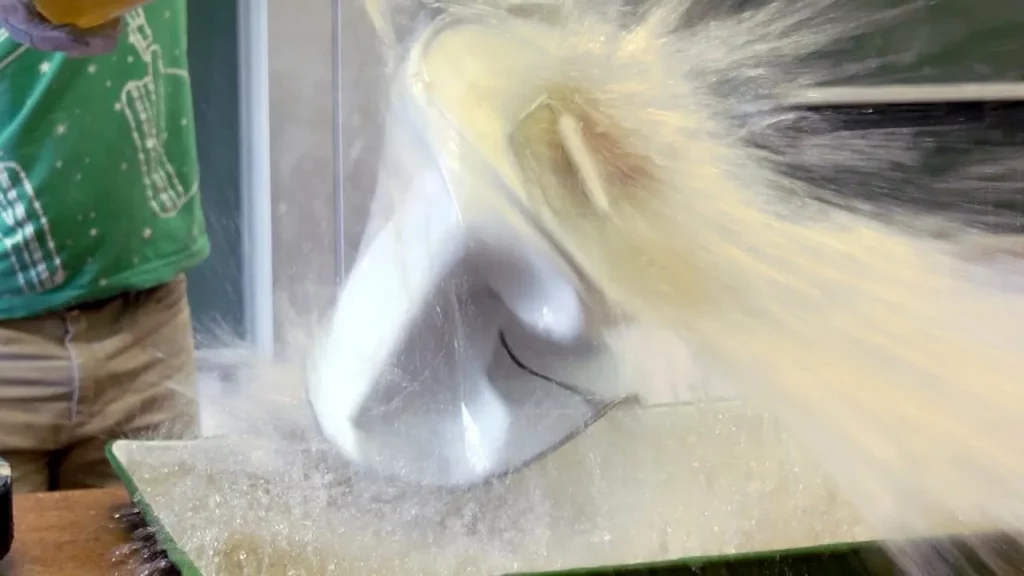
In this lesson at the University of Sydney, Dr. Phil explores the concept of atmospheric pressure, illustrating its significant impact on our bodies and environment. Through a dramatic lab experiment involving a sealed drum, he demonstrates how the pressure difference between the inside and outside can lead to the crushing of the drum, effectively showcasing the immense power of atmospheric pressure in a memorable and engaging way.
Calculating Gravitational Attraction
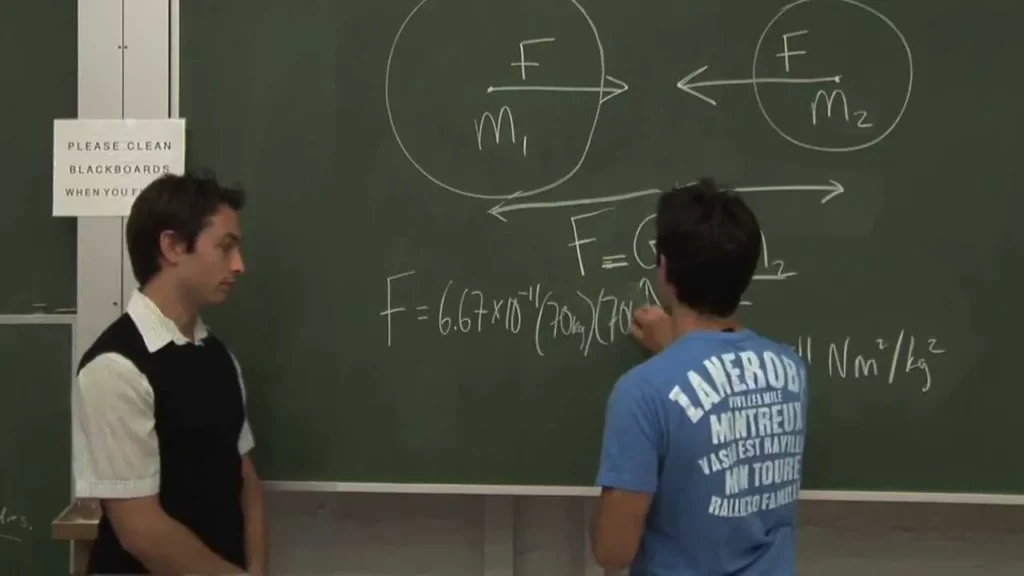
The lesson on gravitational force explains that this fundamental force acts between any two objects with mass, not just between individuals and the Earth. It introduces Newton’s law of universal gravitation, providing a formula to calculate the gravitational attraction between objects, emphasizing that the force is proportional to the masses involved and inversely proportional to the square of the distance between them. Through an example calculation, the lesson illustrates how these principles apply in real-world scenarios, highlighting the significance of gravitational interactions in the universe despite their often imperceptible nature.
What’s In A Candle Flame?
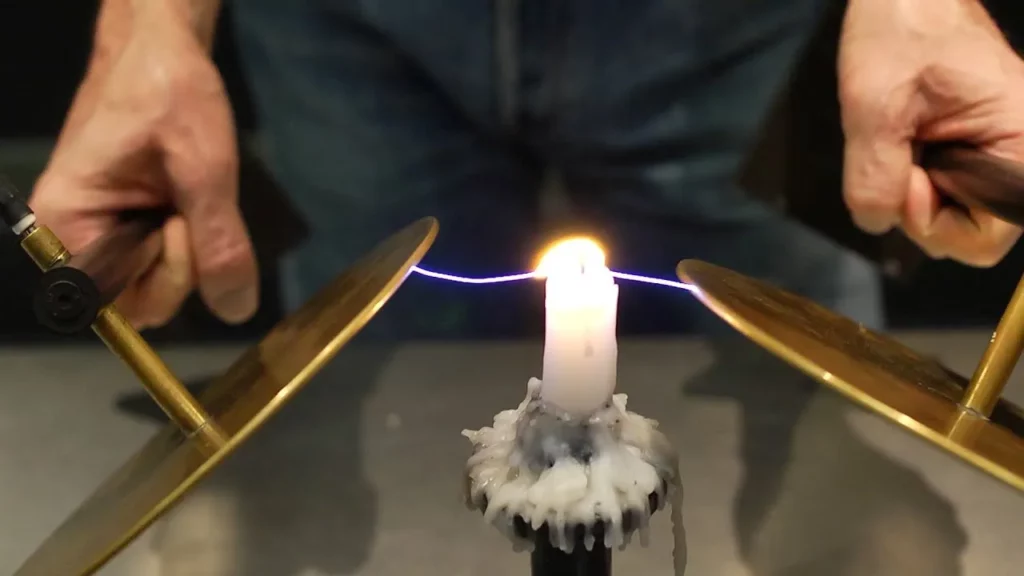
The lesson explores the composition of a candle flame, highlighting its ionic properties through an experiment conducted at the Palace of Discovery in Paris. By observing how a candle flame behaves in an electric field, the experiment demonstrated that flames contain both positive and negative ions, which contribute to their conductivity and can even extinguish the flame under strong electric fields. Ultimately, this investigation reveals the intriguing connection between electricity and the behavior of flames.
How Does A Slinky Fall?
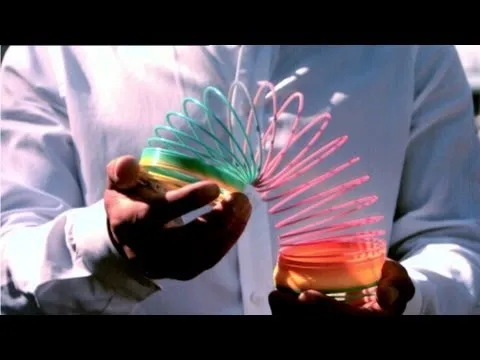
The lesson explores the intriguing physics behind a falling slinky, highlighting an experiment by physicist Rod Cross that reveals how the top and bottom of the slinky behave differently when dropped. Observations show that while gravity pulls the bottom down, tension in the slinky momentarily keeps it suspended, illustrating the balance of forces at play. This phenomenon not only captivates curiosity but also has real-world applications, such as in sports, demonstrating the interconnectedness of physics in everyday life.
Microwaving Grapes Makes Plasma
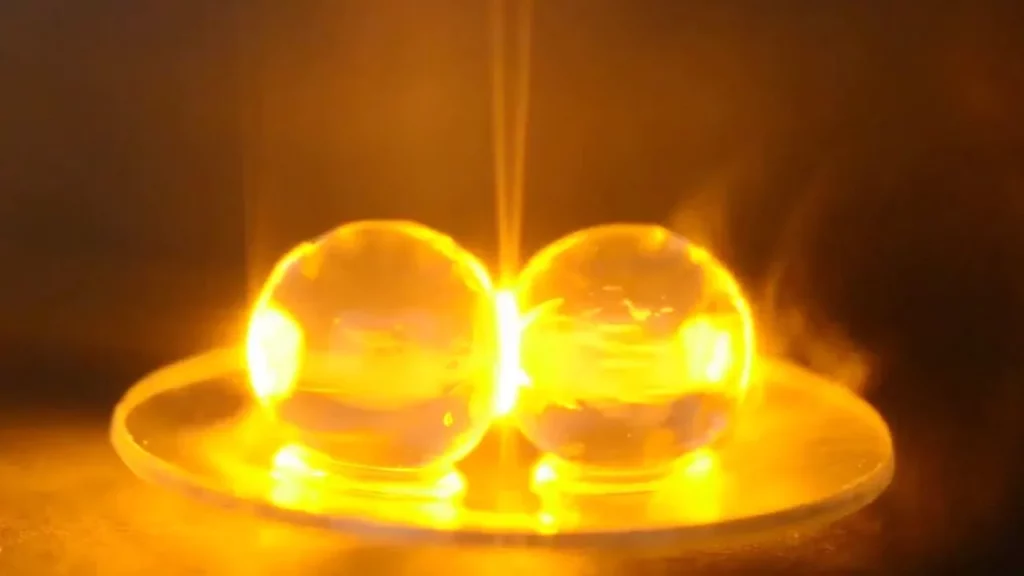
The lesson explores the intriguing phenomenon of plasma generation in grapes when microwaved, shedding light on the underlying scientific principles. Recent research has clarified that the grape’s high refractive index traps microwaves, creating resonant modes that lead to intense heating and plasma formation, which contains ions like potassium and sodium. This effect not only serves as an engaging demonstration but also has potential applications in microchip fabrication, particularly in advancing lithography techniques for smaller chip features.
Misconceptions About Falling Objects
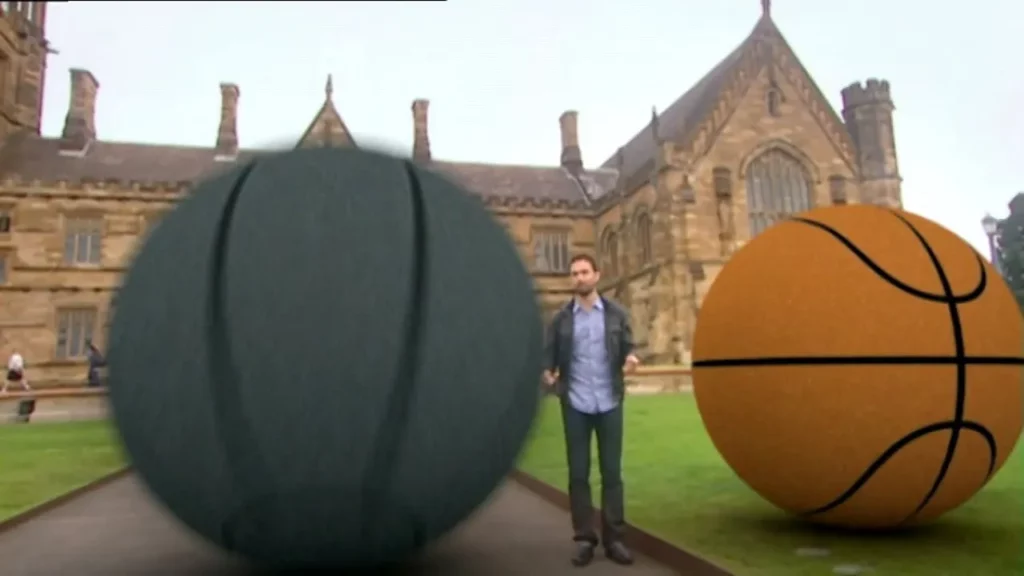
In this lesson, students learn about the principles of gravity and inertia through a simple experiment involving a basketball and a 5 kg medicine ball. The key takeaway is that, contrary to common belief, both objects fall at the same rate and hit the ground simultaneously when dropped from the same height, demonstrating that gravity affects all objects equally regardless of their mass. Additionally, the lesson highlights the concept of inertia, explaining how it relates to an object’s mass and its resistance to changes in motion.
Post-Truth: Why Facts Don’t Matter Anymore
The lesson explores the challenges of sharing ideas in the digital age, highlighting the fear many creators face regarding negative feedback and the quality of their content. It discusses the paradox of abundant information leading to misinformation and division, exacerbated by echo chambers and algorithms that prioritize sensationalism over accuracy. To bridge societal divides, the lesson emphasizes the need for critical thinking, diverse perspectives, and a reevaluation of how information is shared online, advocating for a culture of inquiry and open-mindedness.