
Musical Fire Table!
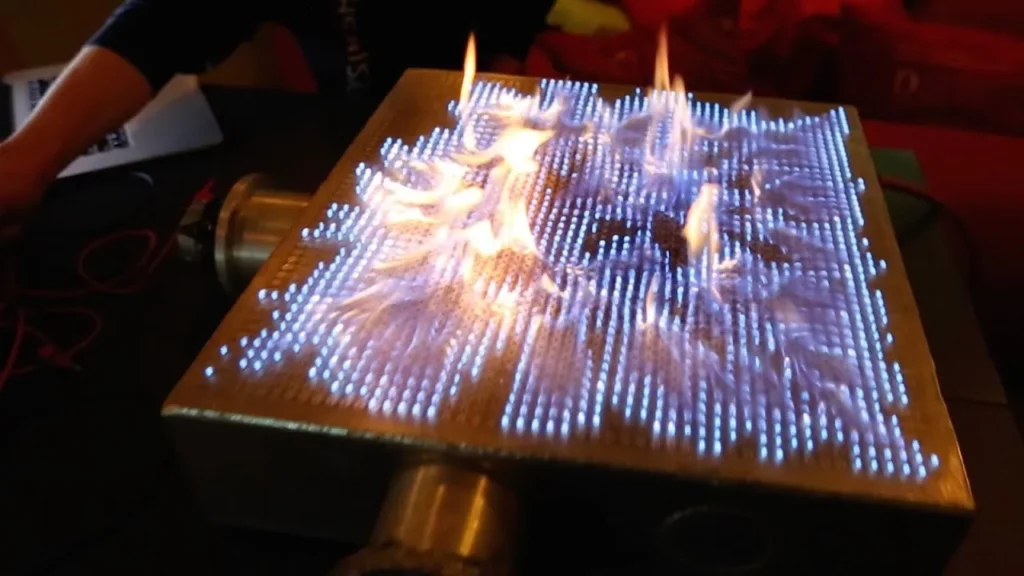
The lesson explores Ruben’s tubes, fascinating science experiments that visually demonstrate sound waves and their effects on flames. The introduction of the two-dimensional Pyro Board, which features 2,500 holes, allows for a captivating display of flame patterns that change with varying sound frequencies, illustrating the concepts of nodes and anti-nodes in real-time. This engaging approach not only entertains but also educates audiences about fundamental physics principles, inspiring curiosity and a passion for science.
Why Trees Are Out to Get You
The lesson explores the fascinating physics behind how trees grow tall and transport water, addressing the challenges they face in moving water from roots to branches. It highlights the role of negative pressure created by transpiration, the structure of xylem tubes, and the surprising fact that most of a tree’s mass comes from carbon dioxide rather than soil. By supporting initiatives like Team Trees, we can contribute to environmental efforts while deepening our understanding of these remarkable organisms.
Slow-Mo Non-Newtonian Fluid on a Speaker
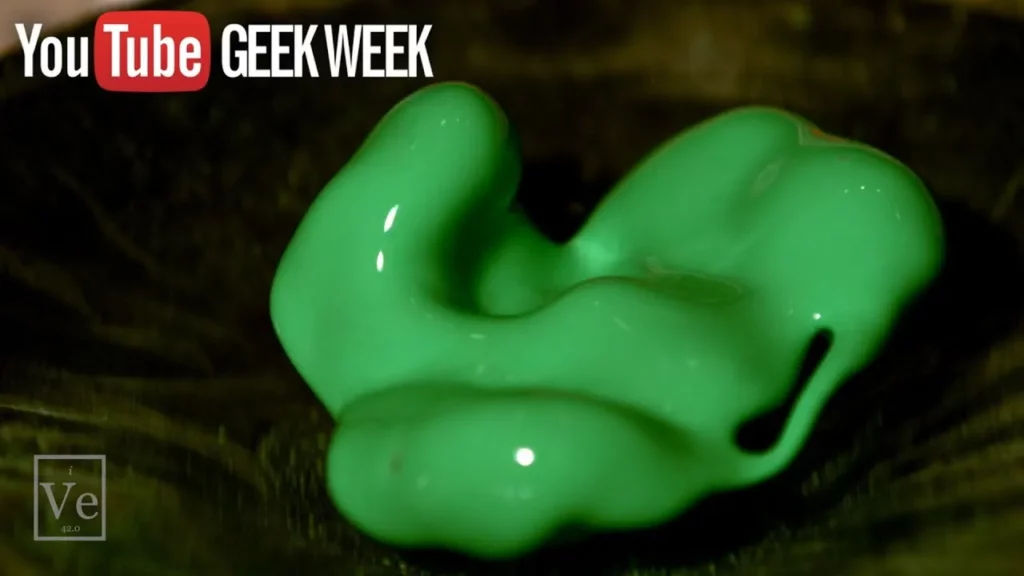
The lesson on exploring non-Newtonian fluids through the cornstarch experiment demonstrates how varying frequency and amplitude can significantly alter the behavior of a cornstarch and water mixture. Initially behaving like a liquid, the mixture exhibits solid-like properties under certain conditions, illustrating the unique characteristics of non-Newtonian fluids. This experiment not only enhances our understanding of fluid dynamics but also provides relatable analogies, such as comparing fluid behavior to traffic patterns.
This Unstoppable Robot Could Save Your Life
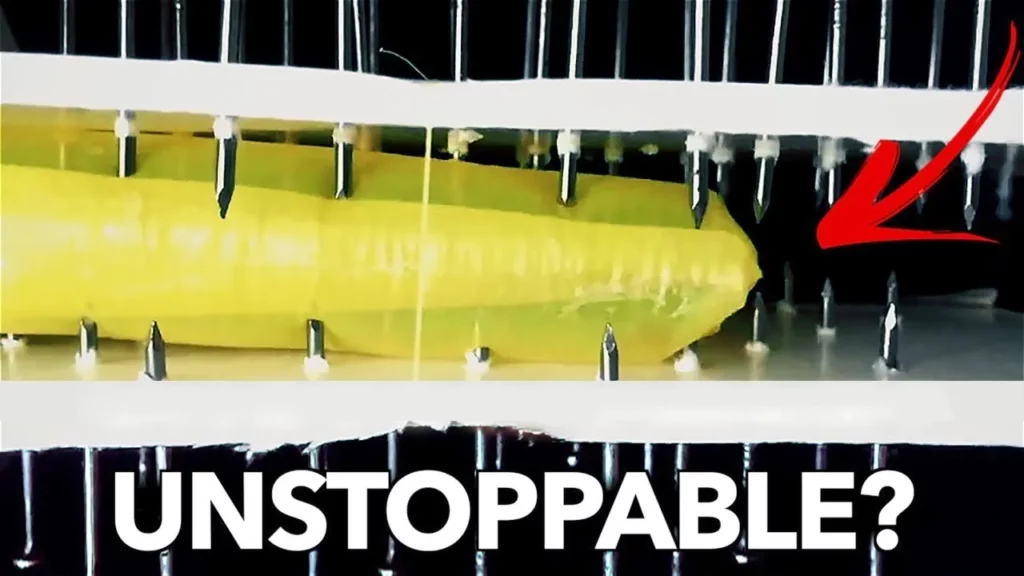
The lesson introduces the innovative vine robot, a groundbreaking soft robot inspired by plant growth, capable of expanding significantly and navigating tight spaces. Powered by compressed air, it can perform various tasks, including search and rescue operations, archaeological exploration, and potential medical applications, all while maintaining flexibility and strength. This technology represents a significant advancement in soft robotics, with promising implications for diverse fields.
The Original Double Slit Experiment
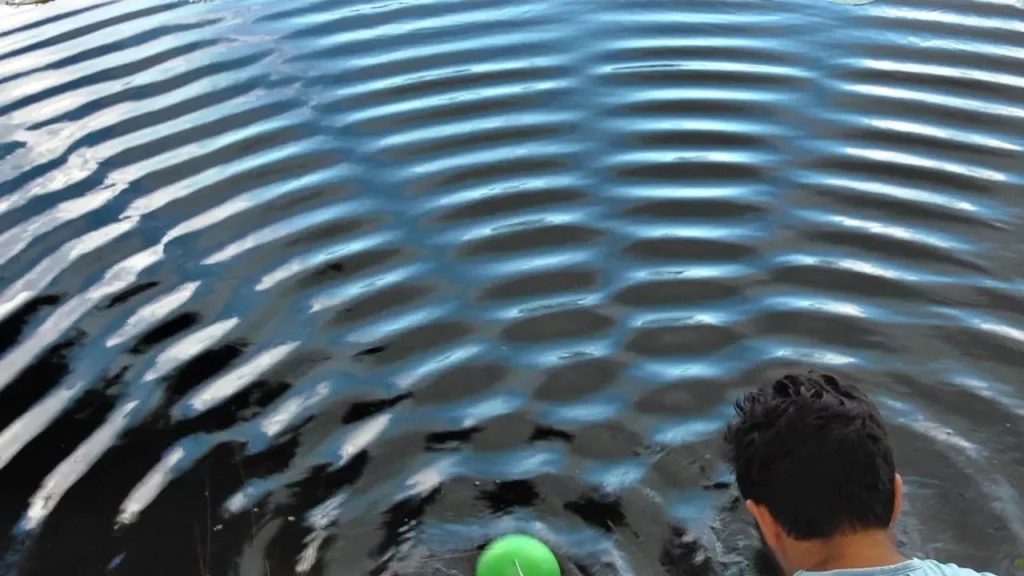
The lesson “Understanding Light: A Journey Through Science” explores the complex nature of light, highlighting its dual behavior as both a particle and a wave. Through Thomas Young’s groundbreaking double slit experiment, students learn how light creates patterns of interference, revealing its wave-like properties and the significance of different wavelengths in producing color. This foundational understanding of light not only enhances our perception of the world but also invites further exploration into its mysteries.
My Video Went Viral. Here’s Why
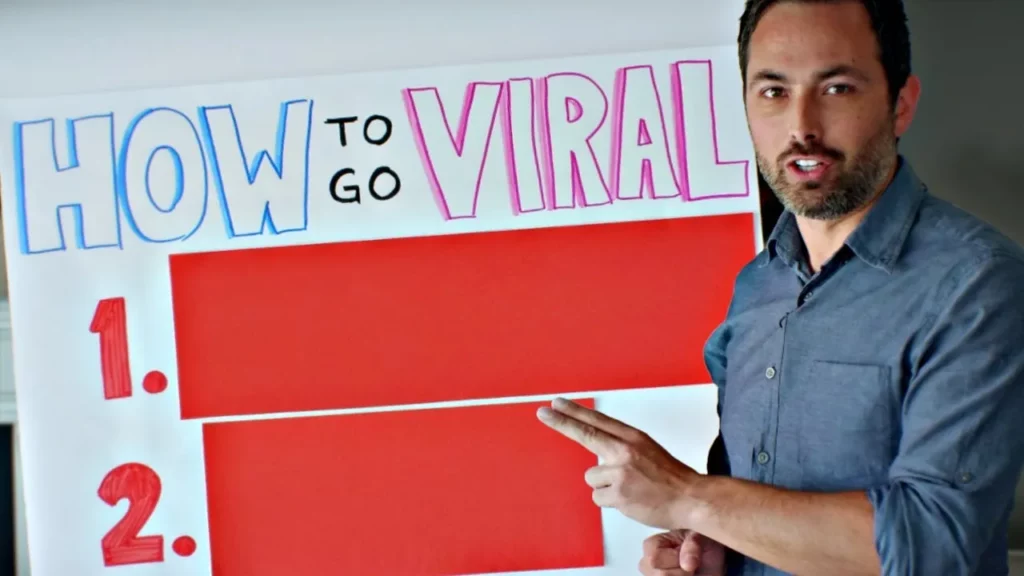
This lesson explores the phenomenon of YouTuber burnout and the factors contributing to viral video success. It highlights the challenges creators face due to the pressures of the YouTube algorithm, which can lead to a focus on clickbait and sensationalism at the expense of content quality. By understanding these dynamics, creators can adapt their strategies to foster a more sustainable and fulfilling approach to content creation on the platform.
3 Perplexing Physics Problems
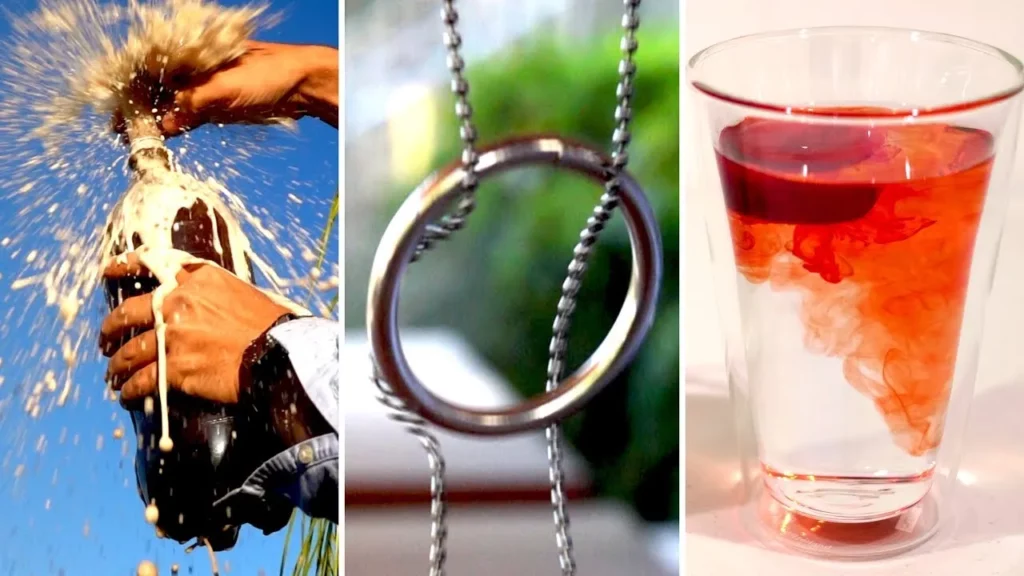
This lesson explores three intriguing physics concepts: the behavior of carbonated drinks when shaken, the melting rates of ice in freshwater versus saltwater, and a trick involving a ring and chain. It explains that shaking a soda creates bubbles that facilitate the rapid escape of carbon dioxide when opened, while ice melts faster in freshwater due to density differences. Additionally, the lesson demonstrates how a ring can be made to stick to a chain through a clever release technique, showcasing the fascinating principles of pressure, density, and motion in everyday scenarios.
Inside The Navy’s Indoor Ocean
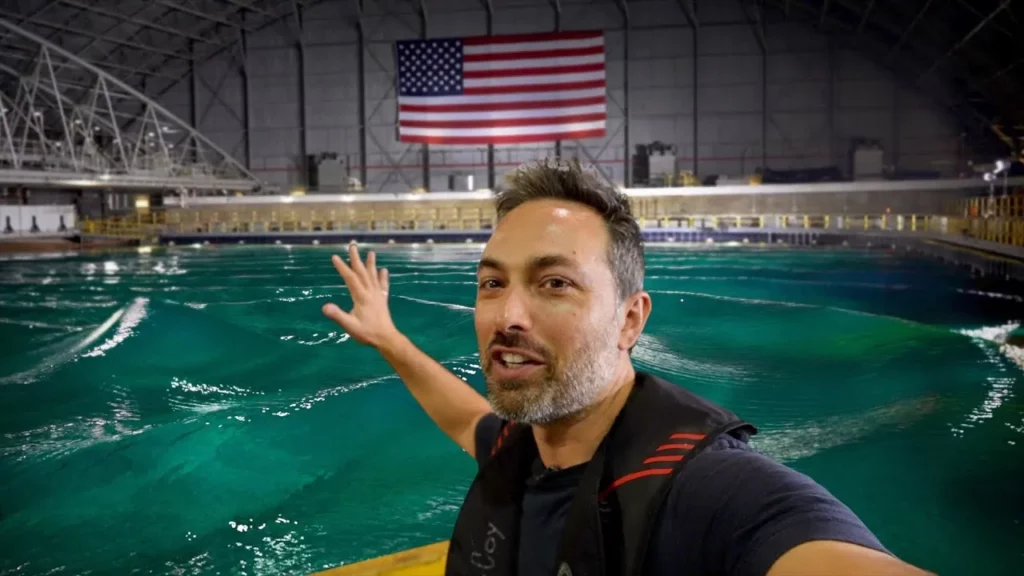
The Navy’s Indoor Ocean at Carderock is the world’s largest wave pool, designed for testing naval ships in a controlled environment that simulates real ocean conditions. Utilizing advanced wave generation technology, engineers can create various wave patterns to study ship dynamics, ensuring that designs are effective and safe for actual maritime challenges. This facility highlights the critical role of science and engineering in naval innovation and ship development.
Why Are 96,000,000 Black Balls on This Reservoir?
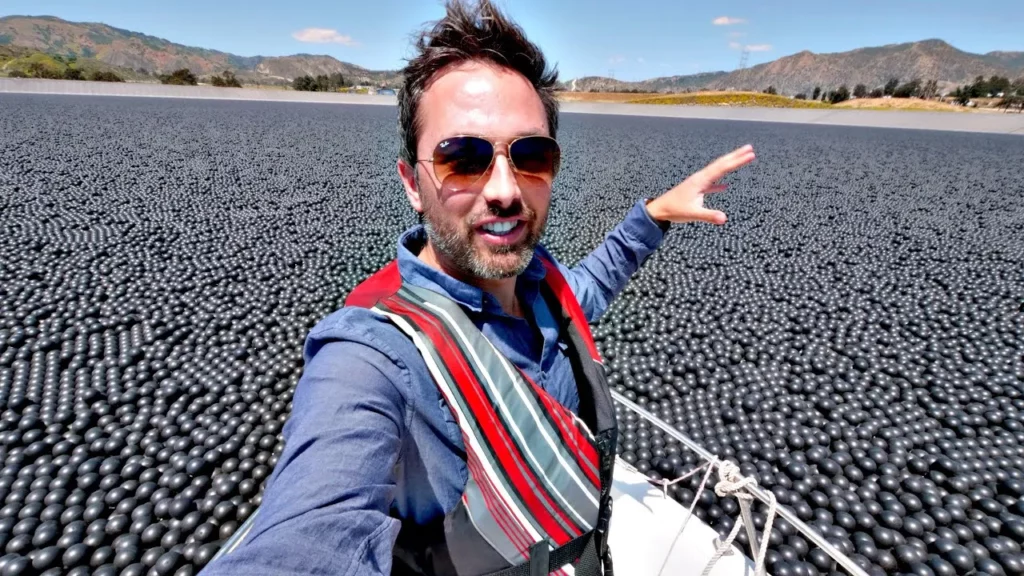
Shade balls in the Los Angeles Reservoir serve a vital purpose by blocking sunlight to prevent the formation of bromate, a harmful compound that can arise from the interaction of bromide with chlorine and sunlight. In addition to reducing bromate levels, these specially designed balls help control algae growth and significantly decrease water evaporation, ultimately promoting cleaner and safer water management. Their cost-effectiveness and recyclability further highlight their role as an innovative solution for environmental protection.
How Horses Save Humans From Snakebites
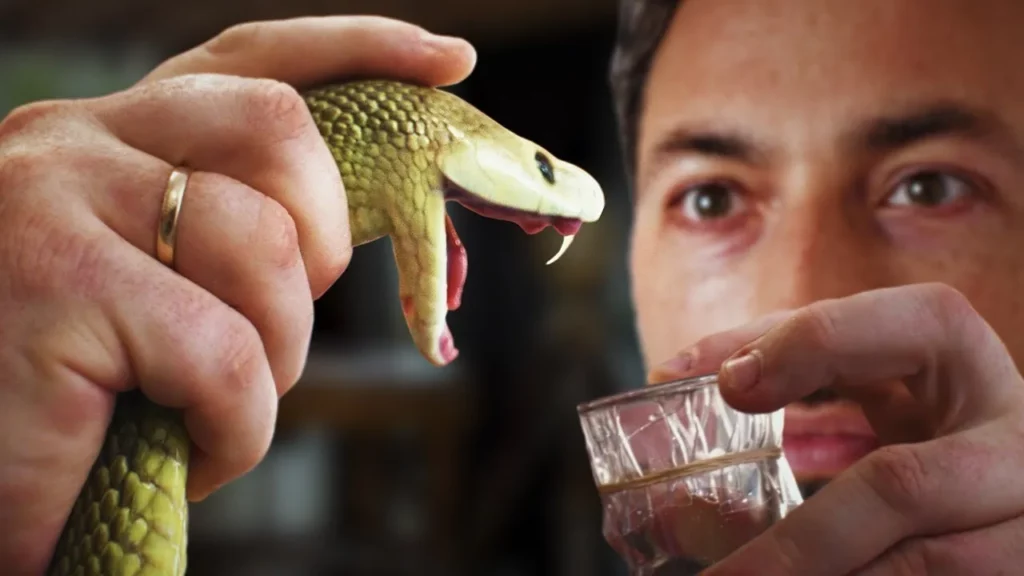
The lesson explores the critical role of venom collection and antivenom production in addressing the dangers posed by Australia’s venomous snakes. It details the milking process, the unique properties of snake venom, and the historical development of antivenom, emphasizing the challenges faced in its production. Ultimately, the work at the Australian Reptile Park is vital for public health, showcasing the dedication of experts in saving lives from snakebite incidents.