
NEW Gravitational Wave Discovery!
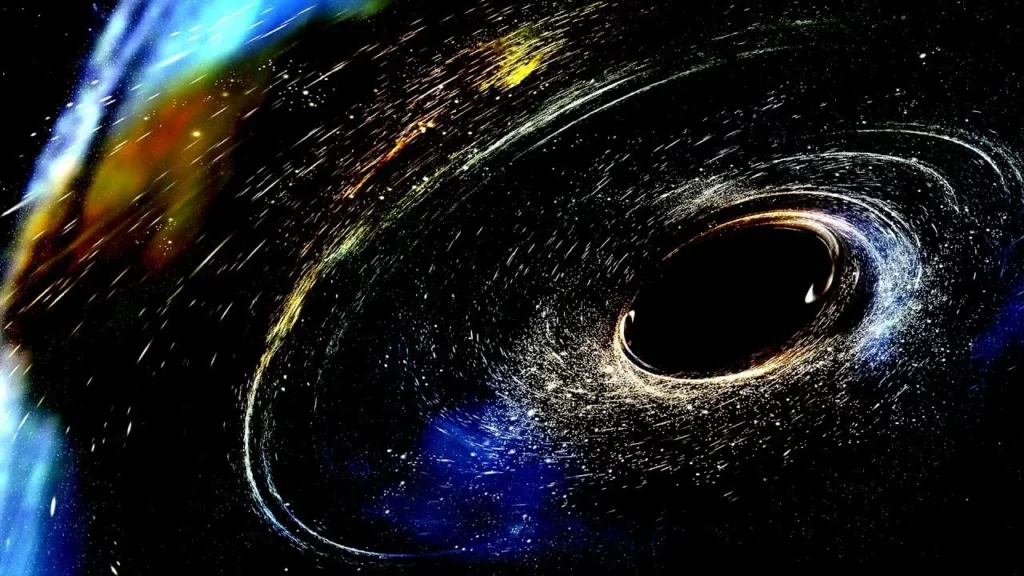
Caltech has made a significant breakthrough in gravitational wave research by detecting a new signal from the merger of two black holes, which offers unique insights into their formation and characteristics. This discovery, which features a longer signal duration and suggests a more complex history of black hole formation, has generated excitement in the scientific community and could lead to more frequent detections of gravitational waves. As researchers continue to enhance detection methods, the potential for uncovering more cosmic mysteries, including the nature of dark matter and the evolution of stars, is promising.
13 Misconceptions About Global Warming
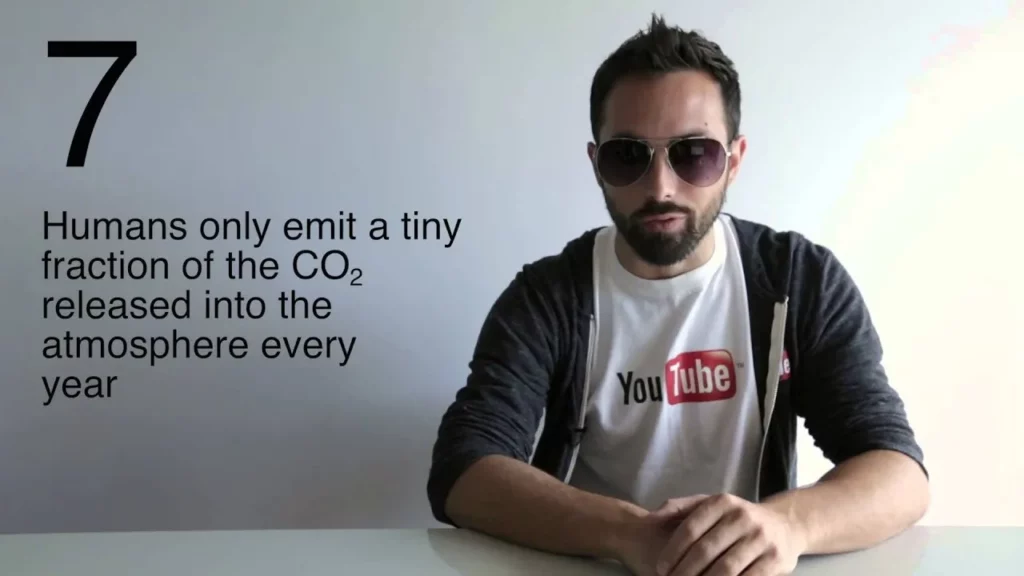
The lesson on “Understanding Climate Change: A Scientific Perspective” clarifies the distinction between “global warming” and “climate change,” emphasizing that while global warming refers specifically to the rise in Earth’s average temperature, climate change encompasses a broader range of environmental shifts. It highlights the significant role of human activities in increasing CO2 levels, the importance of accurate climate models, and the serious consequences of climate change, such as extreme weather events and rising sea levels, urging the need for immediate action to mitigate these impacts.
Why Scorpions Glow in the Dark
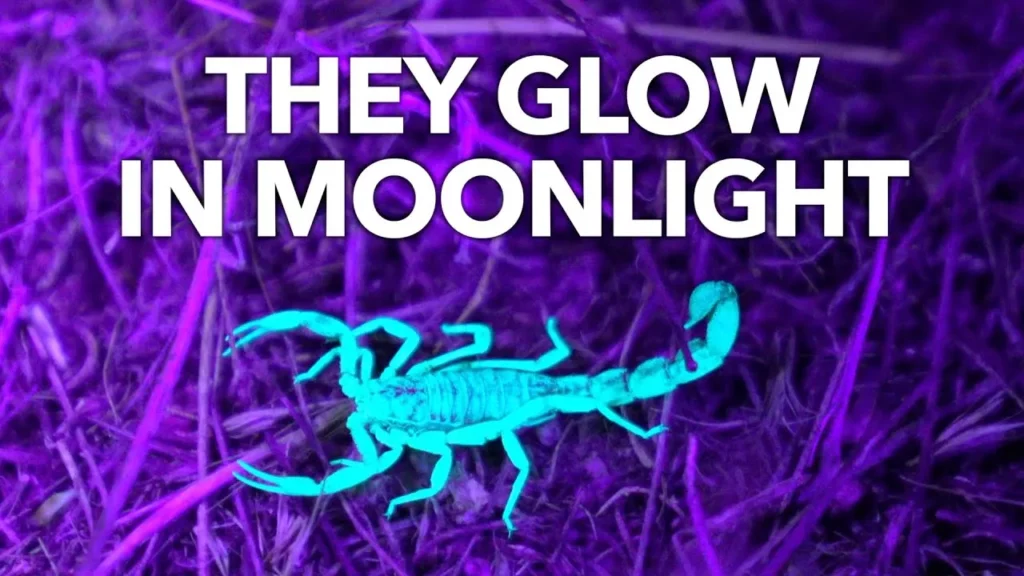
The lesson explores the phenomenon of scorpion fluorescence, highlighting how these creatures glow under ultraviolet light, which aids in their study and observation in the desert. Biologist Carl Kloock investigates the reasons behind this glow, conducting experiments that suggest it does not attract insects as previously thought, but may serve other adaptive purposes, such as protection from UV rays. Overall, the lesson emphasizes the unique adaptations of scorpions that enable them to survive in challenging environments.
Can You Swim in Shade Balls?
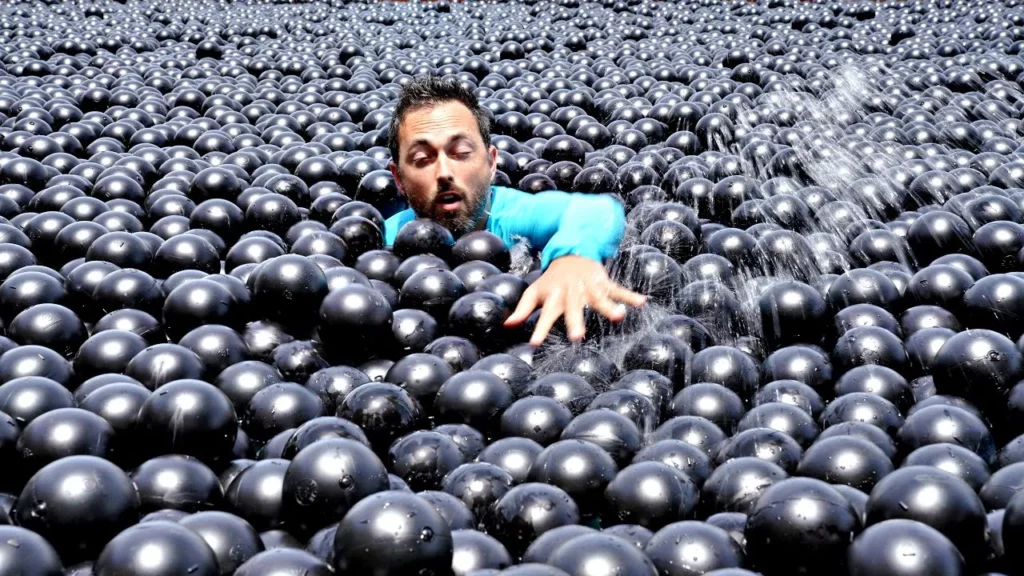
In this unconventional experiment, a YouTuber explores the possibility of swimming in a pool filled with 10,000 shade balls, typically used to cover reservoirs. Despite the challenges of resistance and noise, the YouTuber discovers effective swimming techniques, including a unique method of moving beneath the surface of the balls. Ultimately, the experiment highlights the value of curiosity and creativity, culminating in a thoughtful gesture of sending signed shade balls to supporters.
Sandwich Bag Fire Starter
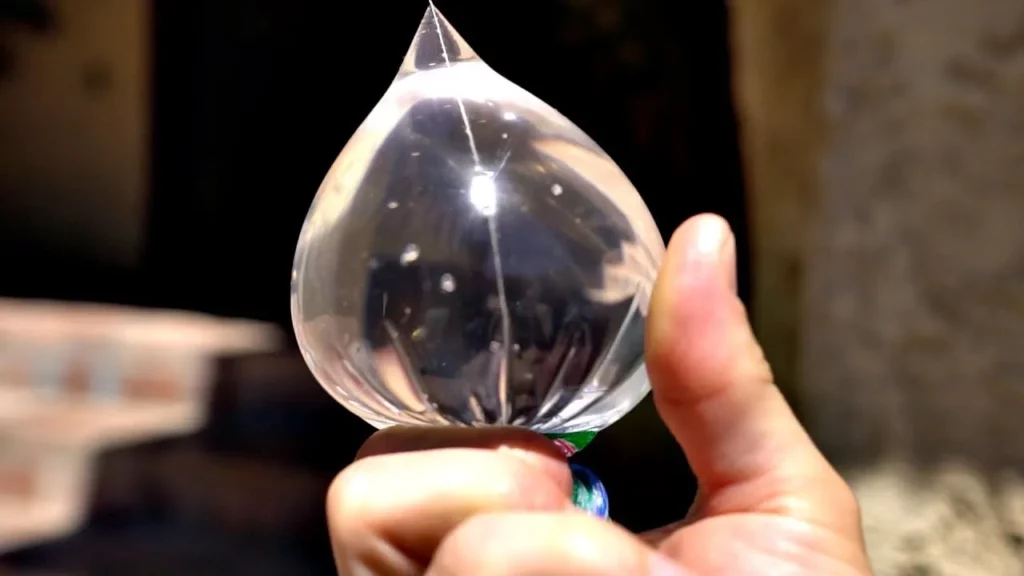
In this lesson, you learn how to start a fire in the wilderness using a Ziploc bag and natural materials, specifically by creating a makeshift magnifying glass with water. The process involves gathering dry tinder, preparing it, and using sunlight focused through the water-filled bag to ignite the tinder. This survival technique emphasizes resourcefulness and can be a valuable skill in outdoor situations.
Why Do You Make People Look Stupid?
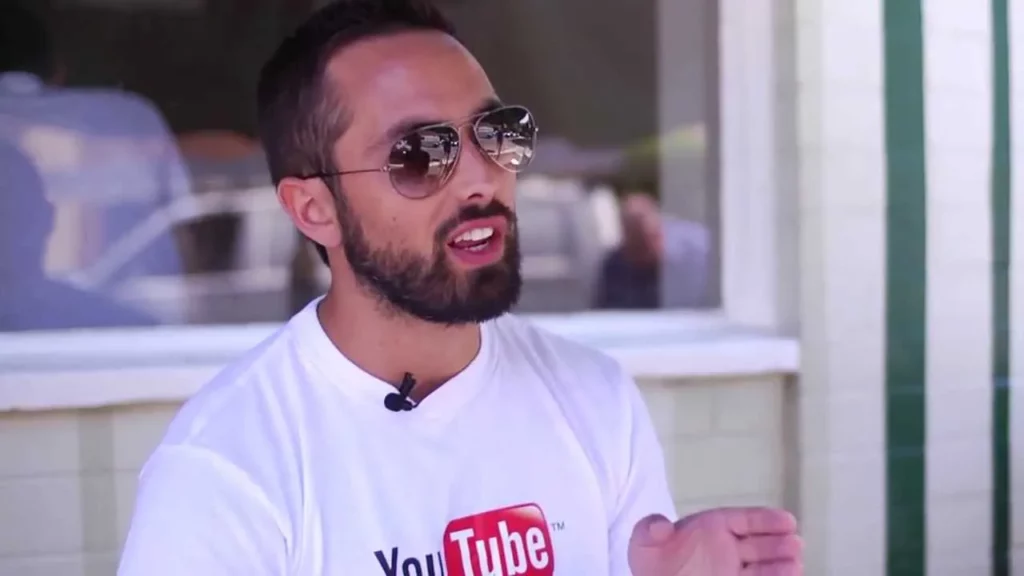
The lesson discusses a YouTuber’s approach to addressing misconceptions in science through interviews, highlighting the importance of understanding basic scientific concepts like the composition of water and the role of trees in carbon dioxide emissions. Despite facing criticism for appearing condescending, the YouTuber defends his methods as a means to engage viewers and promote learning, emphasizing the distinction between lacking knowledge and lacking intelligence. Ultimately, the conversation underscores the challenges of educating through digital platforms while aiming to foster curiosity and critical thinking in science.
Schlieren Imaging in Color!
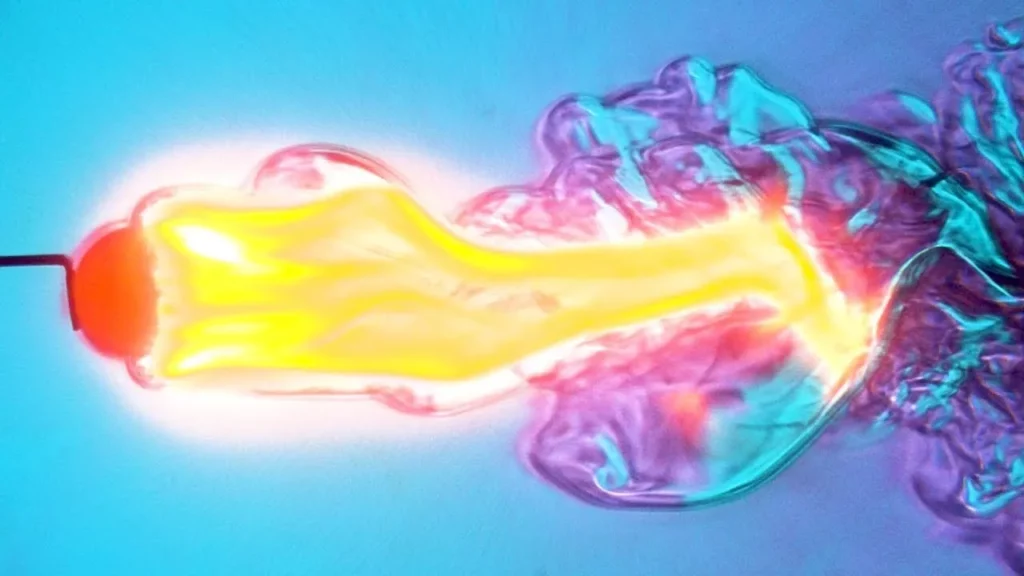
The lesson on Schlieren imaging explores the technique’s ability to visualize subtle differences in air properties, such as temperature and pressure, through various setups and experiments. It addresses common misconceptions about the equipment used, including the type of mirrors and light sources, while demonstrating how adjustments can enhance image quality, such as using a razor blade for contrast or colored filters for visual effects. The lesson concludes with a call for viewer suggestions for future experiments, highlighting the ongoing exploration of this captivating scientific method.
What Now For The Higgs Boson?
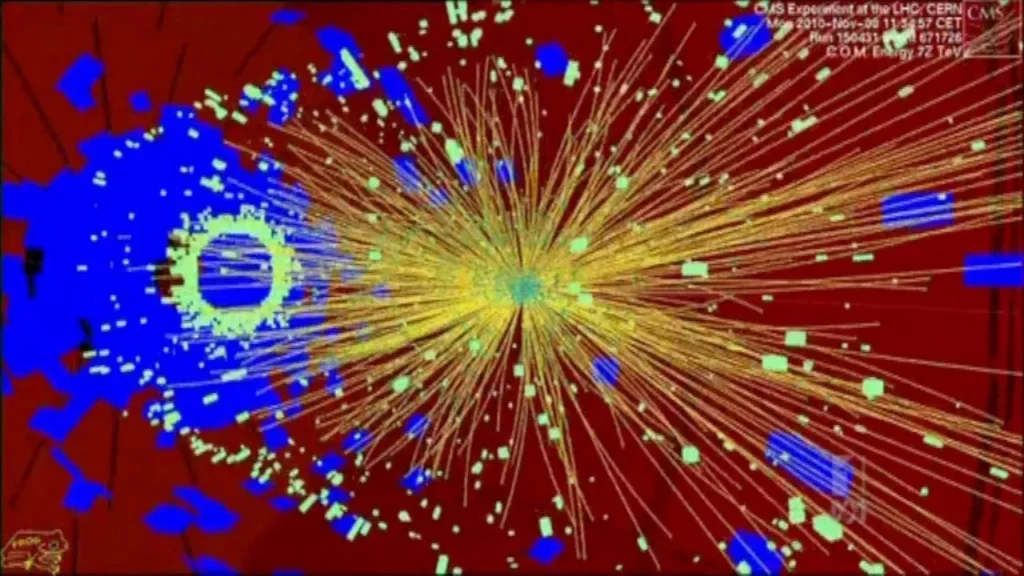
The lesson discusses the historic discovery of the Higgs boson at CERN on July 4th, a breakthrough that enhances our understanding of the universe and the fundamental forces governing it. The Higgs boson is crucial to the Standard Model of particle physics, explaining how particles acquire mass through the Higgs field. While the discovery is significant, ongoing research aims to determine whether the new particle aligns with existing theories or suggests new physics, potentially reshaping our comprehension of the cosmos.
The Truth About Toilet Swirl – Southern Hemisphere
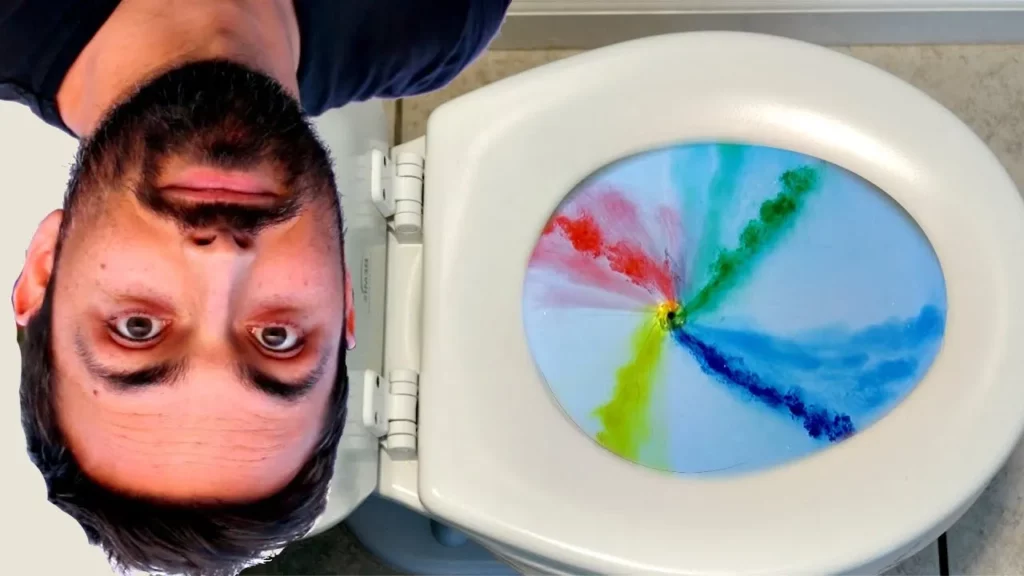
In the lesson “The Truth Behind Toilet Swirl,” Veritasium and Smarter Every Day investigate the popular belief that toilets flush in different directions depending on the hemisphere, specifically focusing on the Coriolis effect. Their experiment demonstrated that while the Coriolis effect does influence water flow, it is often overshadowed by other factors, such as the initial motion of the water and the shape of the container, ultimately debunking the myth surrounding toilet swirl. This exploration highlights the significance of scientific inquiry in clarifying misconceptions about everyday phenomena.
Mars Helicopter (before it went to Mars)
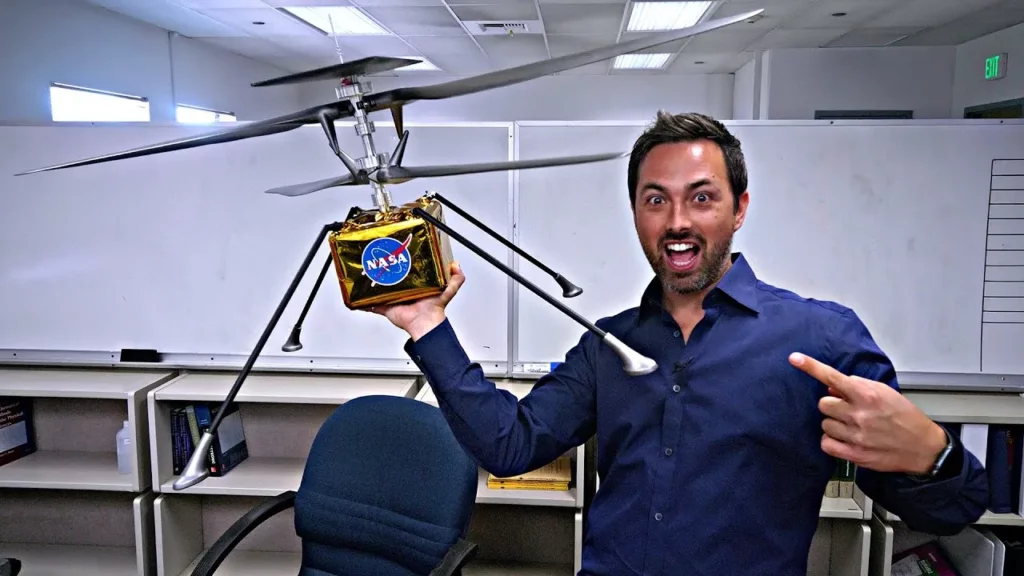
The Mars Helicopter, part of the Mars 2020 mission, represents a groundbreaking advancement in space exploration by achieving powered flight on another planet for the first time. Designed to navigate Mars’ thin atmosphere, the lightweight helicopter features high-speed rotor blades and advanced sensors for autonomous flight, while its successful operation could pave the way for future aerial vehicles that enhance exploration capabilities on Mars and beyond.