
The Best and Worst Prediction in Science
The lesson explores the intriguing concept that empty space is not truly devoid of energy, highlighting the presence of dark energy and virtual particles as key components. It discusses the estimated energy density in empty space, the implications of quantum mechanics, and the significant discrepancy between theoretical predictions and observed energy levels, emphasizing the complexities and mysteries of the universe. Ultimately, the lesson encourages embracing the unknown in scientific inquiry as a pathway to deeper understanding.
Which Hits The Ground First?
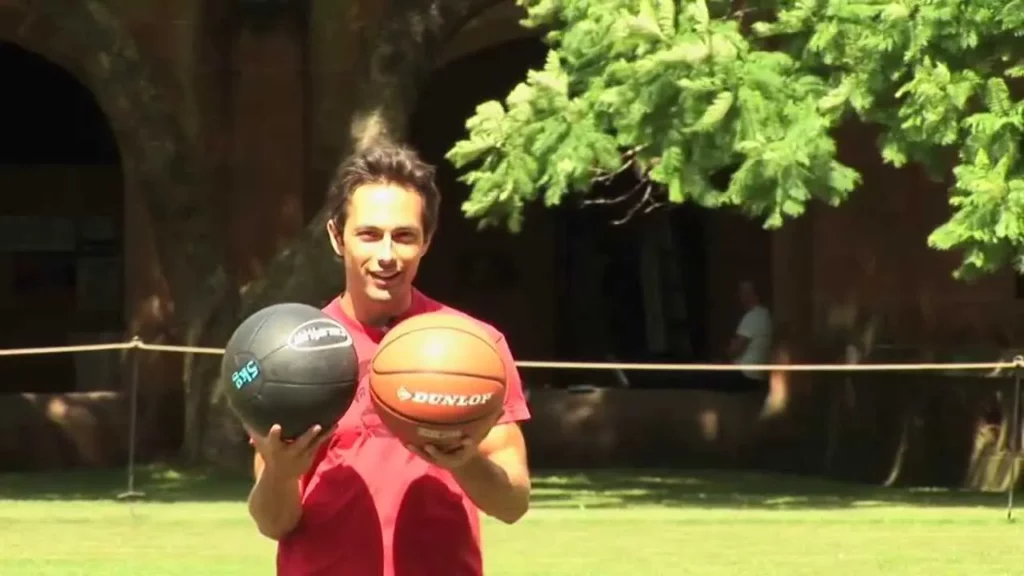
The lesson explores the physics of falling objects through a simple experiment where a basketball and a 5 kg medicine ball are dropped simultaneously to determine which hits the ground first. Contrary to common assumptions that heavier objects fall faster, the experiment demonstrates that both balls land at nearly the same time due to the interplay of gravity and inertia, highlighting the importance of questioning assumptions and understanding scientific principles. This exercise encourages critical thinking and illustrates fundamental concepts in physics.
An Affordable 3D-Printed Arm
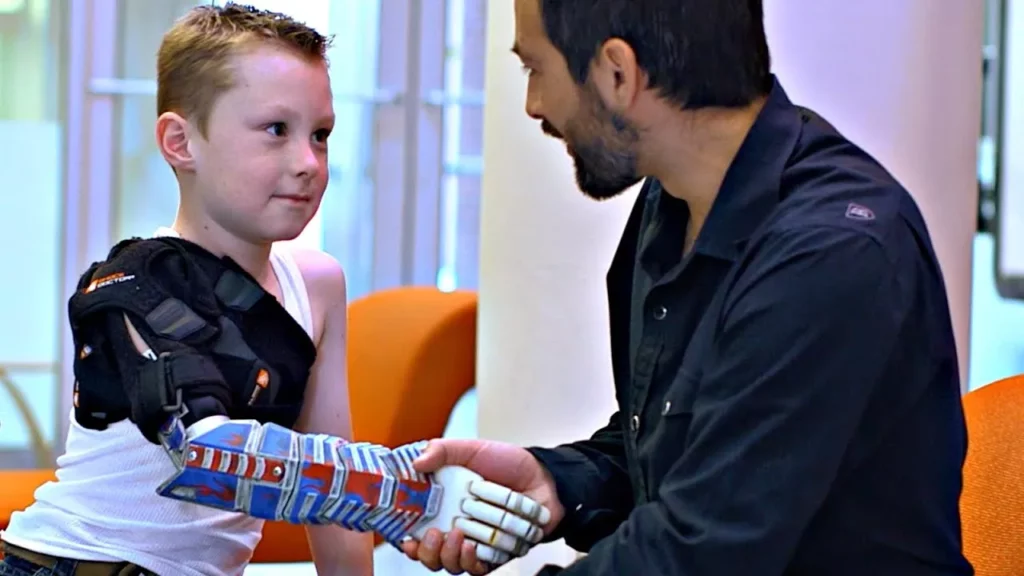
The lesson explores the evolution of prosthetic limbs through the inspiring story of Alex, a young boy receiving a 3D-printed prosthetic arm, highlighting the advancements in technology that enhance both functionality and accessibility. It emphasizes the emotional and social benefits of modern prosthetics, particularly for children, and showcases the collaborative efforts of designers, engineers, and the community in creating affordable solutions. Ultimately, the lesson underscores the potential for future innovations to transform lives and foster confidence in those who use them.
Spinning Sphere of Molten Sodium
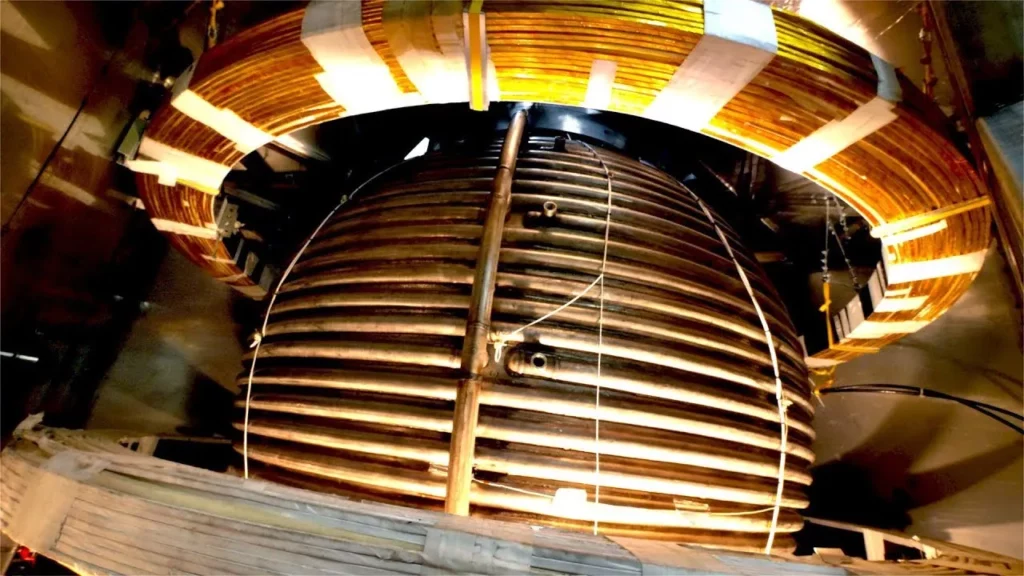
The lesson explores an innovative experiment using a giant sphere of molten sodium to simulate the Earth’s outer core and investigate the generation of its magnetic field. By monitoring temperature and ensuring safety, researchers aim to replicate the turbulent convection currents that create the magnetic field through a process known as dynamo action. Understanding these dynamics is crucial for predicting future changes in the Earth’s magnetic behavior, which has implications for protecting the planet from solar radiation and understanding its geological processes.
I Asked Bill Gates What’s The Next Crisis?

In a recent discussion, Bill Gates emphasized the critical need for improved pandemic preparedness, reflecting on past warnings and the current global health landscape. He highlighted the risks posed by respiratory viruses, climate change, and bioterrorism, advocating for enhanced research, diagnostic capabilities, and a robust response team to mitigate future health crises. Gates also underscored the importance of combating misinformation and ensuring accurate public understanding of health issues to foster a more informed society.
How to Slow Aging (and even reverse it)
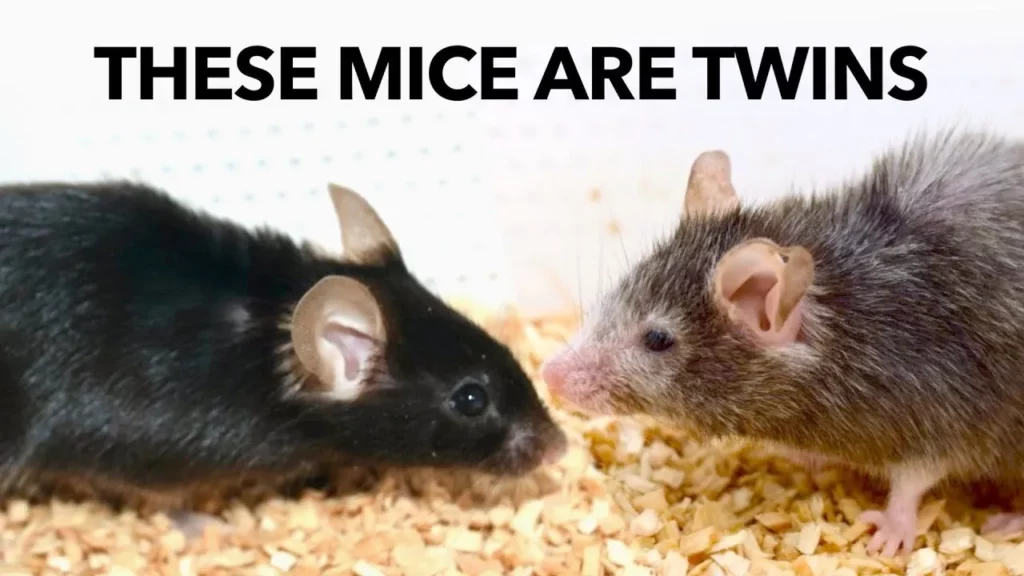
The lesson explores the science of aging, focusing on the potential to slow down the aging process and enhance both lifespan and health span. It discusses the complexities of aging, the role of the epigenome in cellular function, and lifestyle strategies that may help preserve health as we age. Additionally, it highlights the intriguing research on the moon jellyfish and the possibility of reversing aging through advancements in cellular reprogramming, suggesting a hopeful future for healthier aging.
Ice Cutting Experiment
In this lesson, we conducted an experiment to compare the thermal conductivity of copper wire and fishing line by testing their ability to cut through a block of ice using 1.5 kg weights. The results demonstrated that copper wire outperformed fishing line due to its superior thermal conductivity, which allowed it to generate heat and melt the ice more effectively. This experiment illustrates the principle of regelation, highlighting how different materials can impact heat transfer in real-world scenarios, such as when making snowballs.
The Threat of AI Weapons
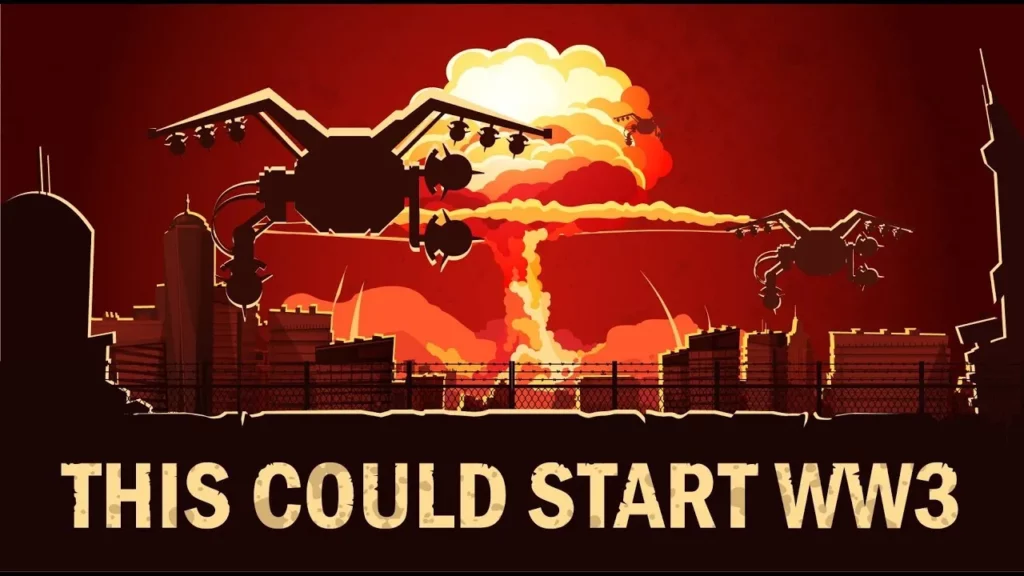
The lesson discusses the emergence of autonomous weapons as a significant shift in warfare, likening it to past revolutions brought by gunpowder and nuclear arms. Experts, including notable figures like Elon Musk and Stephen Hawking, advocate for a ban on these weapons due to ethical concerns and the potential for misuse, while military powers continue to advance their development. The lesson emphasizes the urgent need for regulation and thoughtful discourse on the implications of autonomous weapons in order to navigate the complexities of this new era in warfare.
This equation will change how you see the world (the logistic map)
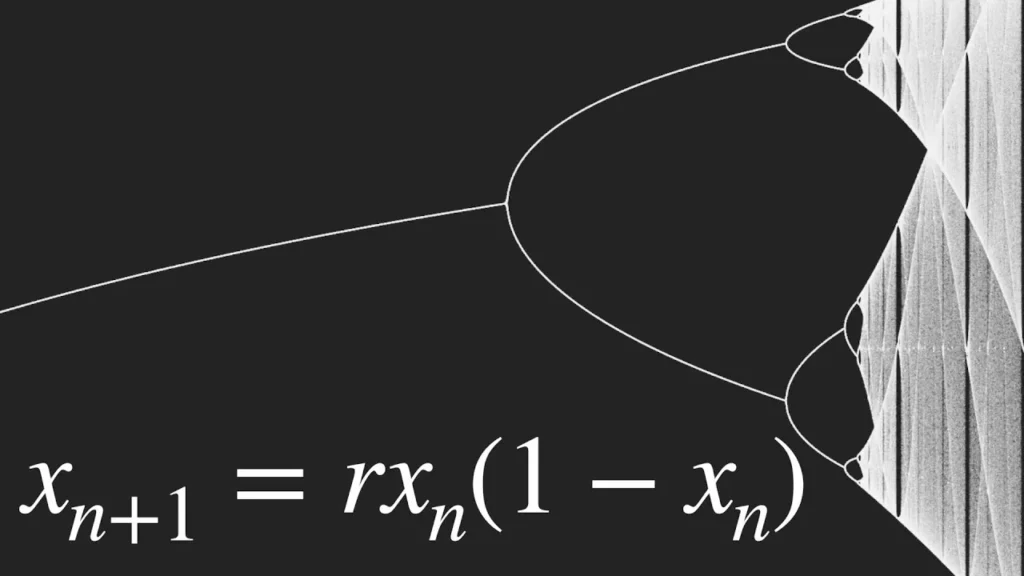
This lesson explores the interconnectedness of various natural phenomena through a simple mathematical equation, particularly focusing on rabbit population dynamics. It illustrates how changes in growth rates can lead to equilibrium, oscillations, and ultimately chaotic behavior, as seen in real-world applications like thermal convection and heart rhythms. The lesson emphasizes the significance of the bifurcation diagram and the Feigenbaum constant, highlighting the profound insights mathematics offers into the complexity of the natural world.
Why Robots That Bend Are Better
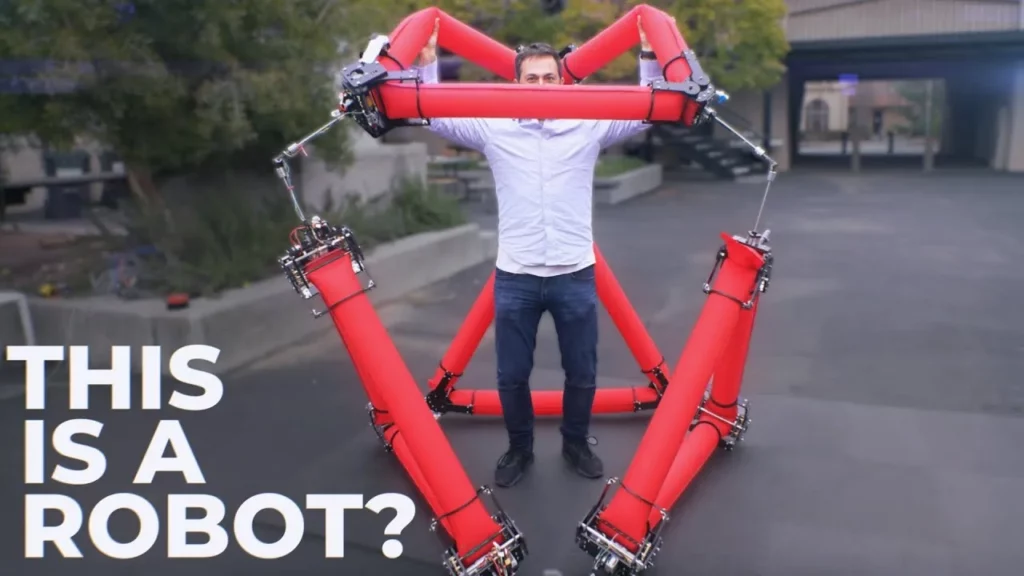
The lesson on soft robots highlights their innovative use of flexible materials, allowing for safer and more adaptable designs compared to traditional robots. With unique locomotion methods and the ability to change shape, soft robots are particularly suited for applications in hazardous environments and space exploration. Despite challenges like durability, their potential for gentle handling and versatility positions them as a promising frontier in robotics.