
How Imaginary Numbers Were Invented
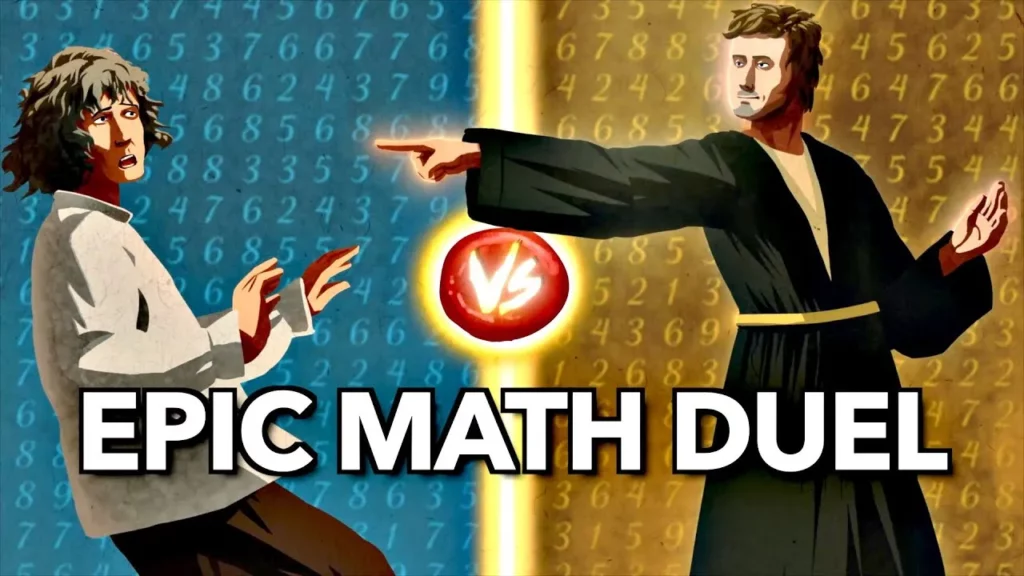
The lesson explores the historical evolution of mathematics, focusing on the transition from geometric methods to the introduction of imaginary numbers, particularly in the context of solving the cubic equation. It highlights key figures such as Omar Khayyam, Scipione del Ferro, and Gerolamo Cardano, who contributed to this mathematical journey, culminating in the realization of the importance of imaginary numbers in modern physics, particularly in quantum mechanics. This evolution illustrates how abstraction in mathematics has led to groundbreaking discoveries and a deeper understanding of the universe.
Why No One Has Measured The Speed Of Light

The lesson explores the complexities surrounding the measurement of the speed of light, emphasizing the distinction between one-way and round-trip measurements. While the round-trip speed of light is defined as 299,792,458 meters per second, the one-way speed remains an unresolved mystery due to challenges in synchronizing clocks and the implications of potential directional differences in light’s speed. This discussion raises profound questions about the nature of time, simultaneity, and our understanding of the universe, highlighting the role of conventions in physics.
How Was Video Invented?

The lesson explores the evolution of video technology, tracing its development from early innovations like the Nipkow disk and cathode-ray tubes to the introduction of video tape recorders and digital advancements. It highlights key milestones that transformed video production and broadcasting, emphasizing the significant societal impact of these technologies in democratizing video content creation and changing how we communicate and consume media. The journey reflects a remarkable progression that continues to shape the future of entertainment and communication.
Why Do Venomous Animals Live In Warm Climates?

The lesson explores the intriguing relationship between venomous species and warm climates, particularly focusing on Australia, which is home to many dangerous animals. It distinguishes between venomous and poisonous creatures, discusses the evolutionary and ecological factors that contribute to the prevalence of venomous species in warmer regions, and highlights the complexity of venom evolution. Ultimately, while warmer areas tend to host more venomous creatures, the reasons behind this phenomenon are multifaceted and still under investigation.
Do People Understand The Scale Of The Universe?
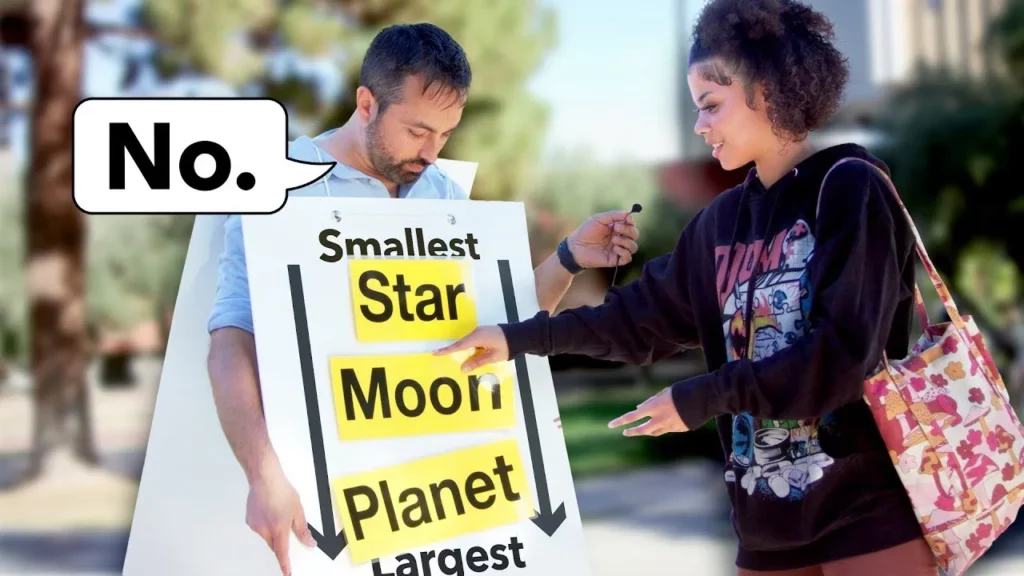
The lesson on “Understanding the Scale of the Universe” explored the vastness and complexity of space, highlighting common misconceptions about the sizes and classifications of celestial bodies. Participants engaged in discussions about the differences between moons and planets, the reclassification of Pluto, the existence of exoplanets, and the nature of stars and galaxies, ultimately realizing the immense scale of the universe with approximately 100 billion galaxies. The lesson concluded with a reflection on our small place in the cosmos, emphasizing the importance of appreciating and caring for our planet Earth.
Is Dust Mostly Dead Skin?

The lesson explores the composition of household dust, debunking the common myth that it is primarily made up of dead skin cells. While skin cells do contribute to dust, they are not the main component; instead, dust consists of various tiny particles, including microorganisms. Understanding the true nature of dust is essential for our health and emphasizes the importance of seeking credible information to dispel misconceptions.
Future Computers Will Be Radically Different (Analog Computing)
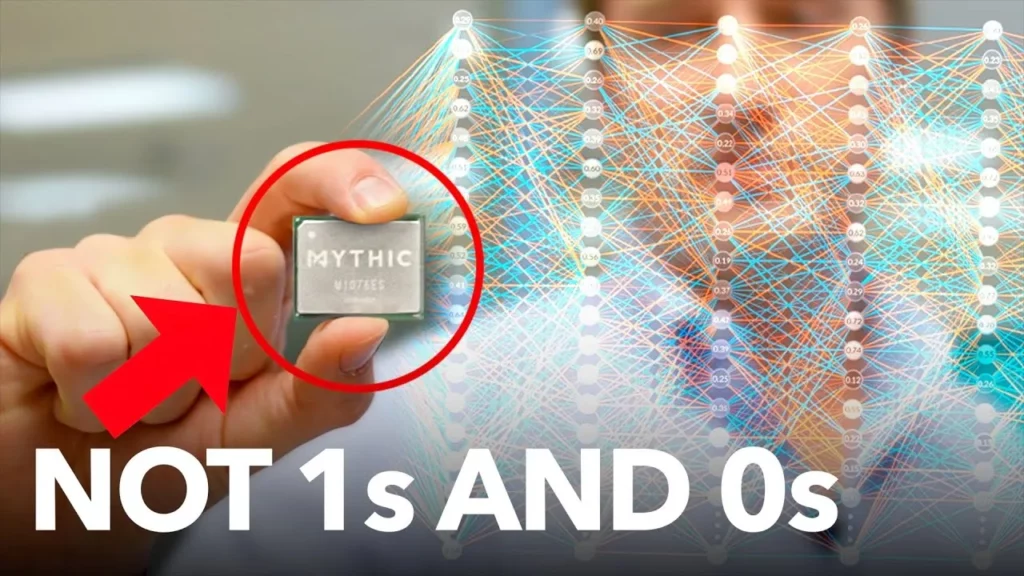
The lesson discusses the resurgence of analog computers, highlighting their unique advantages such as speed, energy efficiency, and simplicity in operations, especially in solving complex equations in real-time. As digital computing faces limitations, particularly in processing neural networks, innovations in analog technology are emerging, offering efficient solutions for AI applications. The future of computing may involve a hybrid approach that leverages the strengths of both analog and digital systems to enhance performance in areas like artificial intelligence and machine learning.
The Man Who Killed Millions and Saved Billions (Clean Version)
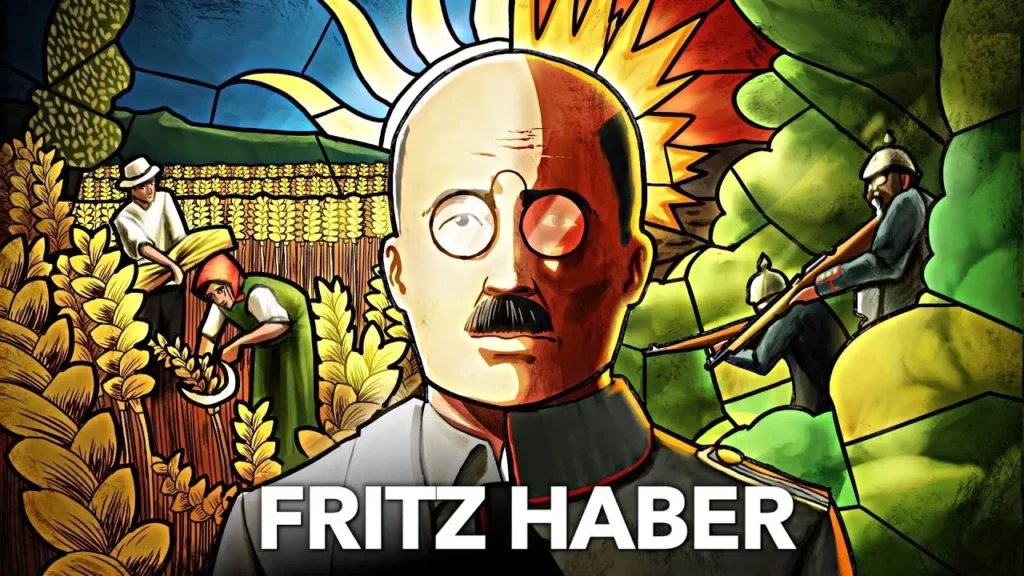
Fritz Haber, awarded the Nobel Prize in Chemistry in 1918 for his synthesis of ammonia, significantly advanced global food production, benefiting billions. However, his legacy is marred by his involvement in chemical warfare during World War I, raising ethical concerns about the dual-use nature of scientific advancements. Haber’s story serves as a cautionary tale about the responsibilities of scientists in ensuring their discoveries are used for the greater good rather than destructive purposes.
The Terrifying Real Science Of Avalanches

This lesson provides an overview of avalanches, detailing their causes, types, and the importance of safety measures for those in avalanche-prone areas. It emphasizes that while natural events can trigger avalanches, human activities are often the primary cause, and highlights the significance of understanding snowpack conditions and utilizing safety equipment like avalanche beacons, probes, and shovels. Ultimately, the lesson underscores the necessity of preparation and awareness to mitigate risks associated with avalanches during winter sports.
Why are snowflakes like this?

The lesson explores the fascinating science behind snowflake formation and diversity, as presented by Dr. Ken Libbrecht, a renowned snowflake expert. Through experimentation with temperature and humidity, he demonstrates how unique snowflake shapes develop, emphasizing the intricate molecular mechanics and historical context of snowflake photography. Dr. Libbrecht’s ongoing research aims to deepen our understanding of these beautiful ice crystals and their complex formation processes.