
Stringless Yo-Yo!
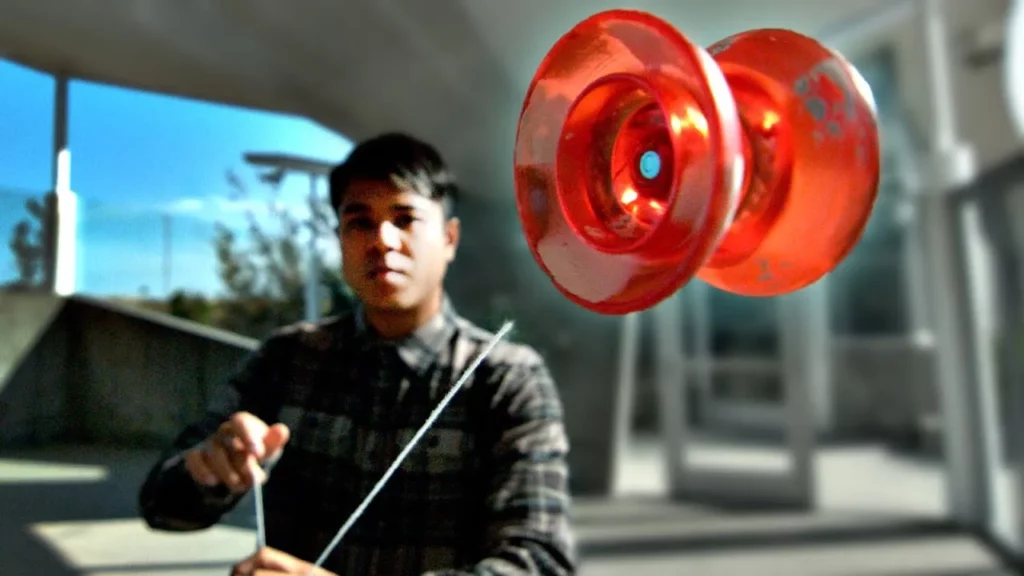
The lesson on yo-yoing highlights the intricate blend of skill, science, and creativity involved in this art form. It explains the mechanics behind yo-yo tricks, focusing on the principles of kinetic and rotational energy, the tug and roll technique, and the role of friction pads in enabling smooth movements. Ultimately, the lesson emphasizes that with practice and an understanding of the underlying physics, anyone can master impressive yo-yo tricks.
How to Understand What Black Holes Look Like
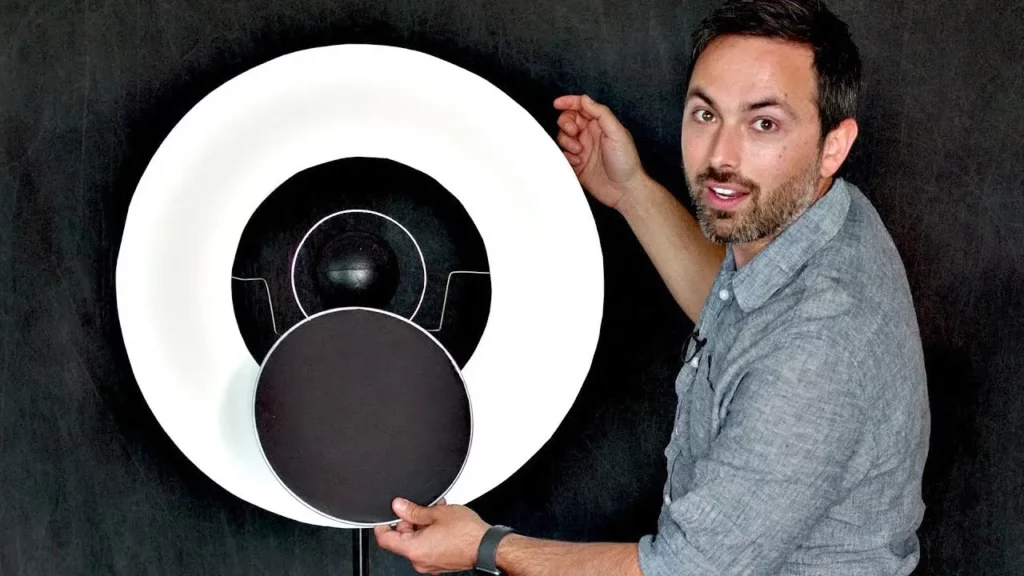
The lesson discusses the anticipation surrounding the first image of a black hole, captured by the Event Horizon Telescope on April 10, 2019. It explains the structure of black holes, particularly the event horizon and the accretion disk, and how light behaves in their intense gravitational fields, leading to the formation of a shadow that is larger than the event horizon itself. This groundbreaking image is expected to provide crucial insights into black hole dynamics and validate the general theory of relativity.
Celsius Made His Thermometer Upside Down

The lesson explores the origins of the Celsius temperature scale, highlighting the contributions of Anders Celsius, who initially created an inverted scale with boiling at zero and freezing at one hundred. After his death, the scale was adapted to its modern form, linking it to the Kelvin scale for greater precision. Ultimately, the Celsius scale represents a collaborative effort in the scientific community to establish a reliable system for measuring temperature.
Would You Take This Bet?

The lesson explores how a simple coin flip bet can illustrate our perceptions of risk and loss aversion. Despite the fair odds of winning $10 against a $10 loss, many people hesitate to take the bet due to the psychological impact of potential loss, which is often felt more acutely than the joy of potential gain. By recognizing that risks should be viewed as part of a larger series of bets rather than isolated events, individuals can learn to embrace calculated risks, ultimately leading to greater rewards in life.
Our Greatest Delusion

The lesson from the reflections on Chernobyl emphasizes the tension between humanity’s desire for permanence and the inevitable reality of decay and mortality. The visit to this haunting site prompts deep contemplation about our existence, encouraging us to confront our fears of impermanence and embrace nihilism as a means of liberation. Ultimately, recognizing the finite nature of life can inspire us to live authentically and pursue our passions with urgency.
The Most Persistent Myth

The lesson explores the historical evolution of educational technology, highlighting how predictions about transformative impacts—from movies to computers—often fell short, with the fundamental structure of education remaining largely unchanged. It emphasizes that while various technologies can enhance learning, the true essence of education lies in the social interactions between teachers and students, underscoring the enduring importance of teachers in facilitating meaningful cognitive engagement. Ultimately, the lesson suggests that effective learning is driven more by the quality of thought processes than by the medium of instruction itself.
Is Our Food Becoming Less Nutritious?

The lesson explores the concern that the nutritional value of our food has declined over the years, highlighting evidence from studies that show significant decreases in key nutrients like protein, vitamin C, and minerals. Factors contributing to this decline include soil depletion, selective breeding of crops, and rising atmospheric carbon dioxide levels, which can lead to a “dilution effect” on nutrient content. Despite these changes, the lesson emphasizes the importance of maintaining a balanced diet rich in fruits and vegetables to ensure adequate nutrition.
Egg Experiment to Demonstrate Inertia
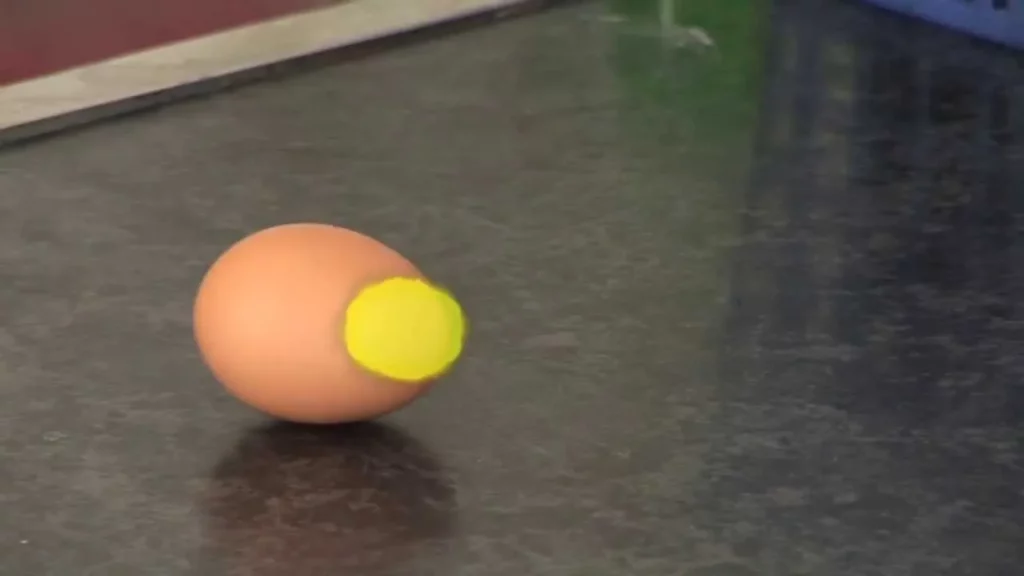
This lesson explores the fascinating physics of spinning eggs, highlighting the differences between boiled and raw eggs in terms of motion and inertia. When a raw egg is spun and then stopped, the liquid yolk inside continues to move due to inertia, creating the illusion that the egg is still spinning. In contrast, a boiled egg, being solid throughout, stops completely when the shell is halted, demonstrating how inertia affects motion in everyday objects.
How We’re Fooled By Statistics
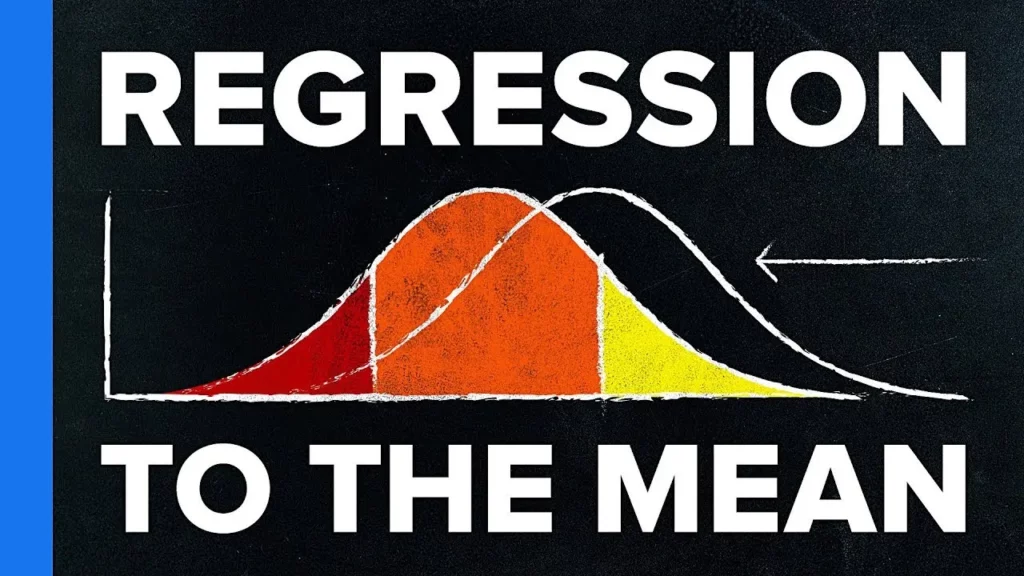
The lesson explores the effectiveness of punishment versus reward in learning, particularly through the lens of Israeli fighter pilot training, where negative feedback appeared to enhance performance more than positive reinforcement. However, contrasting research suggests that positive feedback generally leads to better outcomes in various contexts, raising questions about cultural and task-specific factors influencing feedback effectiveness. Ultimately, the lesson emphasizes the importance of understanding regression to the mean in interpreting performance results and highlights the potential benefits of positive reinforcement in learning environments.
States of Matter
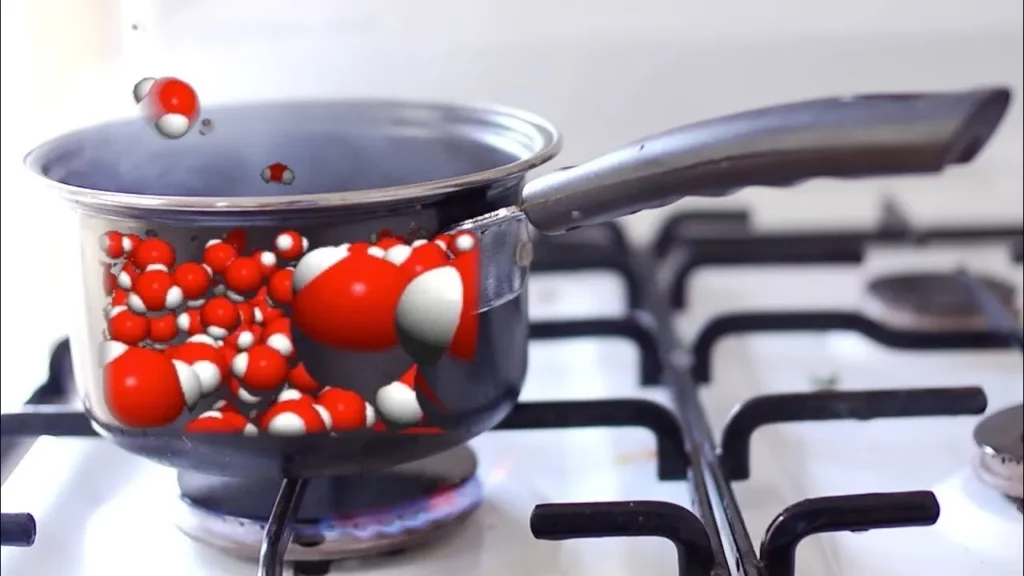
This lesson explores the states of matter using water as an example, highlighting how it transitions between solid (ice), liquid (water), and gas (water vapor) based on temperature and energy changes. Water is composed of two hydrogen atoms and one oxygen atom, and its molecular behavior varies significantly across these states, with solids having closely packed molecules, liquids allowing for more movement, and gases having molecules that move freely. Understanding these concepts illustrates the dynamic nature of matter and the role of energy in these transformations.