
Is Glass a Liquid?
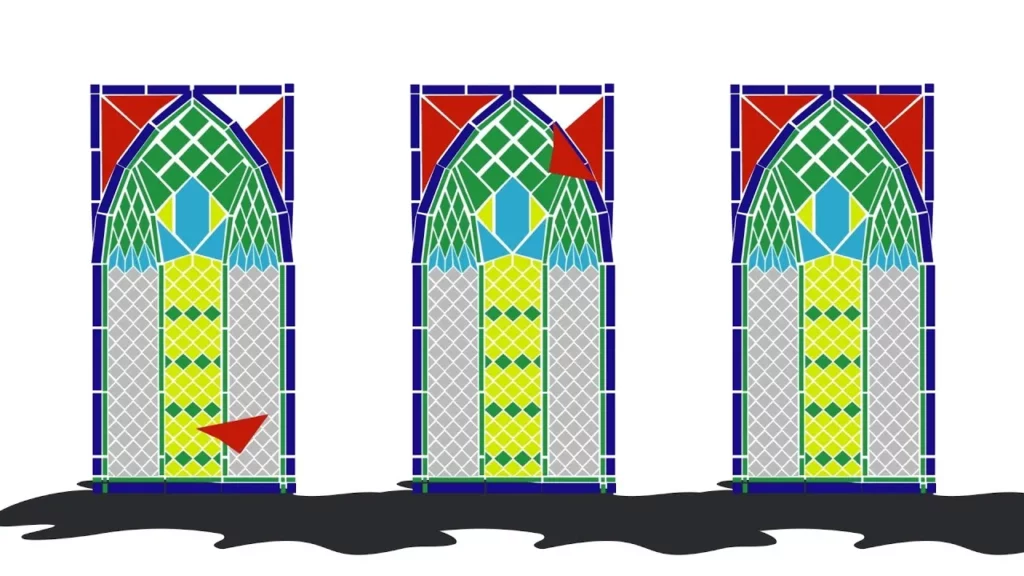
The lesson explores the complexities of solids and liquids through examples from earth science, particularly focusing on the Northridge earthquake and the unique properties of materials like pitch and glass. It highlights how pitch, despite appearing solid, is a highly viscous liquid, and clarifies the misconception that glass is a liquid due to its amorphous structure. Additionally, it discusses the Earth’s mantle, which, while solid, behaves fluidly over long periods, prompting a reevaluation of our rigid definitions of material states.
Best Film on Newton’s Third Law. Ever.
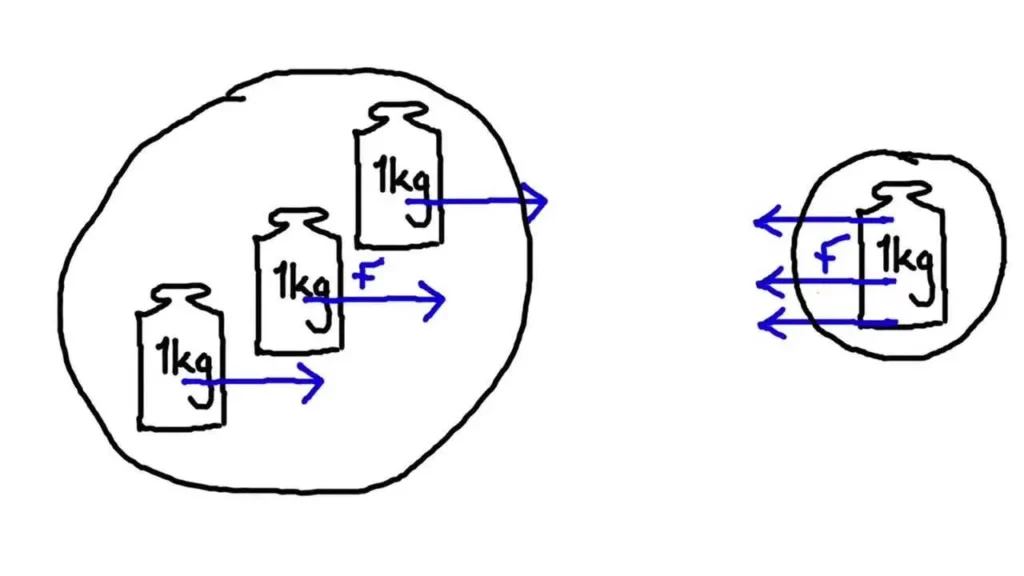
This lesson explores the gravitational relationship between the Earth and the Moon, emphasizing that both bodies exert equal and opposite gravitational forces on each other, as stated by Newton’s third law of motion. It addresses common misconceptions, particularly the belief that the Moon’s gravitational pull on the Earth is significantly weaker due to the Earth’s larger mass, and clarifies that this perception arises from the concept of inertia. Understanding these principles enhances our comprehension of the interactions between celestial bodies and fundamental physics.
The Most Common Cognitive Bias
The lesson on “Understanding Rules Through Number Sequences” emphasizes the importance of questioning assumptions and seeking information that challenges our beliefs. Through an engaging exercise involving number sequences, participants learn that the actual rule is simply that numbers must be in increasing order, highlighting the value of looking for “no” answers to refine our understanding. This approach mirrors the scientific method, encouraging critical thinking and a deeper comprehension of reality.
The Brightest Part of a Shadow is in the Middle
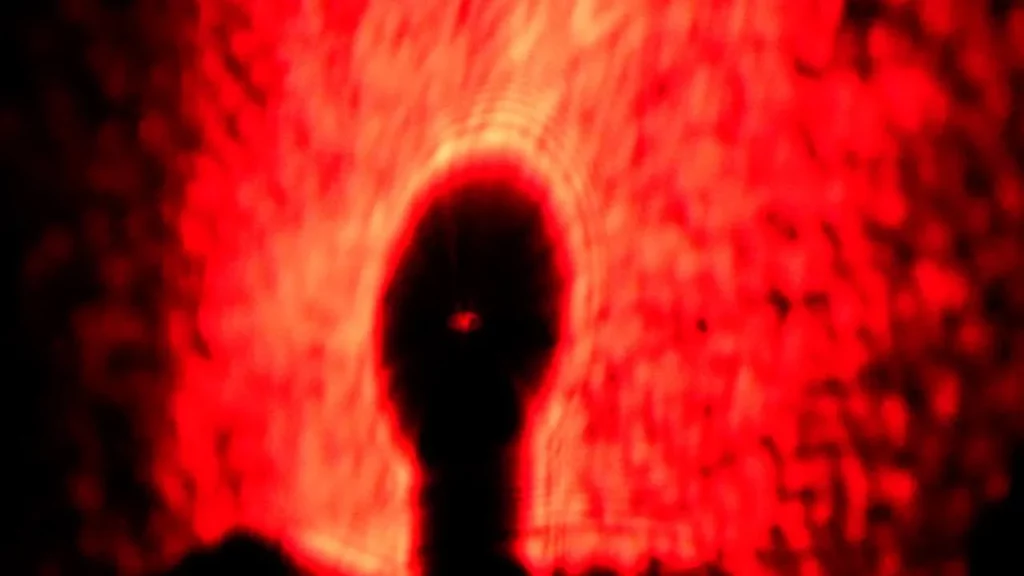
The lesson explores the intriguing phenomenon of Poisson’s spot, a bright spot observed at the center of a shadow cast by a circular object, which challenges the common assumption that shadows are uniformly dark. It delves into the historical debate between wave and particle theories of light, highlighting experiments that ultimately confirmed Poisson’s hypothesis using modern techniques like lasers. Through this exploration, the lesson emphasizes the significance of experimentation in understanding the nature of light and shadows.
How Trees Bend the Laws of Physics
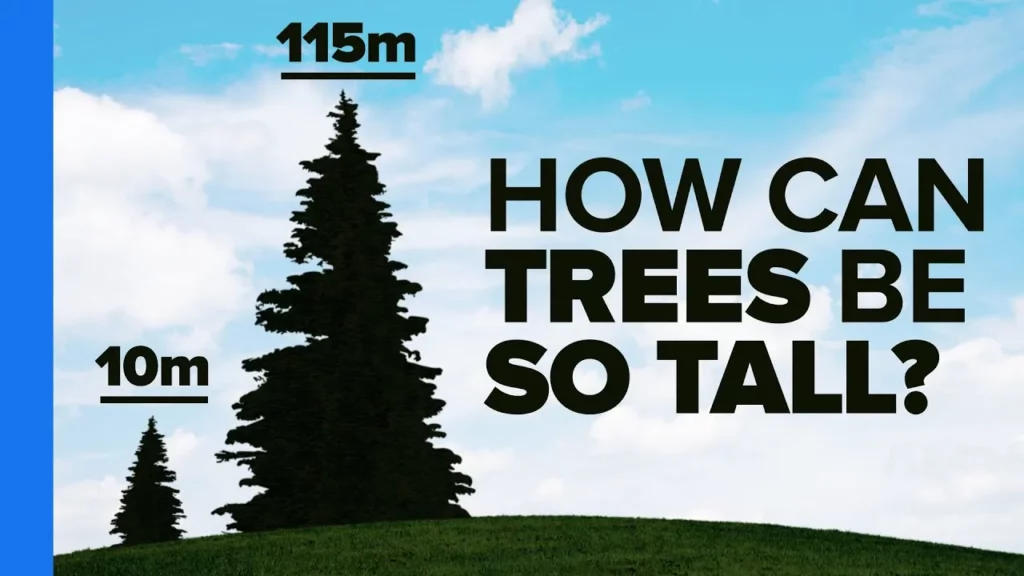
The lesson explores the remarkable mechanisms that enable trees to achieve impressive heights, focusing on the challenges of water transport from roots to branches. It highlights the role of negative pressure created by transpiration and the unique structure of xylem tubes, which allows trees to move water efficiently despite atmospheric limitations. Ultimately, this complex system not only supports tree growth but also plays a vital role in the ecosystem, enhancing our appreciation for these towering organisms.
Why Einstein Thought Nuclear Weapons Were Impossible
The lesson outlines the historical journey of harnessing nuclear energy, beginning with early skepticism from prominent scientists like Robert Millikan and Ernest Rutherford, who doubted the feasibility of tapping into atomic power. Key discoveries, such as Henri Becquerel’s identification of radioactivity and the revolutionary insight of Albert Einstein’s equation \(E=mc^2\), paved the way for understanding nuclear energy, culminating in the discovery of the neutron in 1932, which enabled the possibility of nuclear chain reactions. This journey illustrates the evolution of nuclear physics from doubt to the practical application of nuclear energy, highlighting both its potential and inherent risks.
Is This What Quantum Mechanics Looks Like?
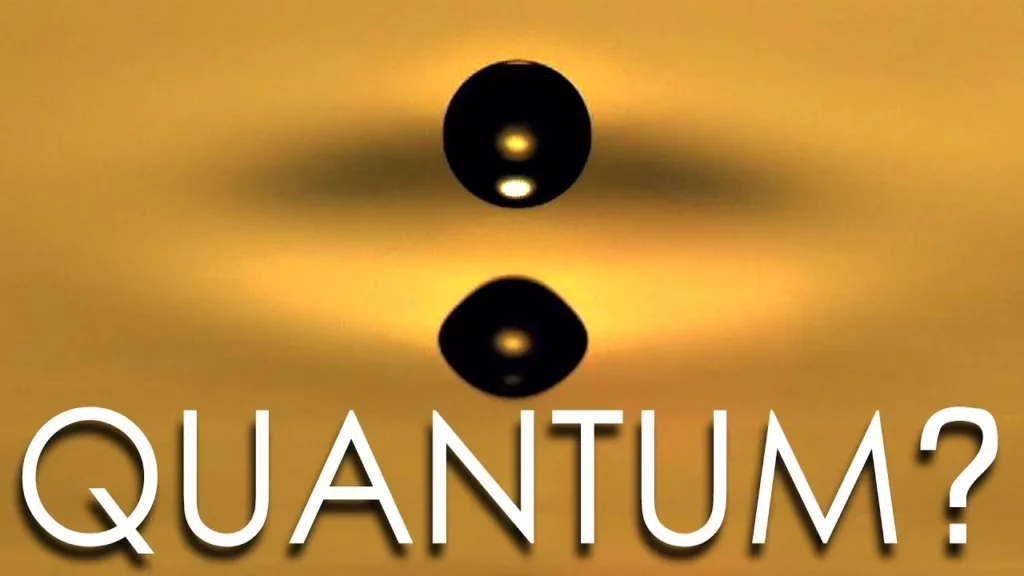
The lesson on walking droplets explores the intriguing physics behind droplets bouncing and moving on a vibrating silicon oil surface, demonstrating principles such as standing waves and their interaction with droplets, known as “Walkers.” These droplets exhibit behaviors analogous to quantum mechanics, including interference patterns and tunneling, while also highlighting the debate between pilot wave theory and the Copenhagen interpretation of quantum phenomena. Ultimately, the study of walking droplets provides a tangible model for understanding complex quantum concepts, encouraging curiosity and deeper inquiry into the nature of reality.
Why Boredom is Good For You

The lesson emphasizes the importance of embracing boredom as a catalyst for creativity, self-discovery, and personal growth. Studies show that many people prefer distraction over facing boredom, yet allowing oneself to experience boredom can lead to innovative thinking and a deeper understanding of one’s life goals. By resisting the urge to constantly seek distractions, individuals can unlock opportunities for reflection and fulfillment.
How Does a Quantum Computer Work?
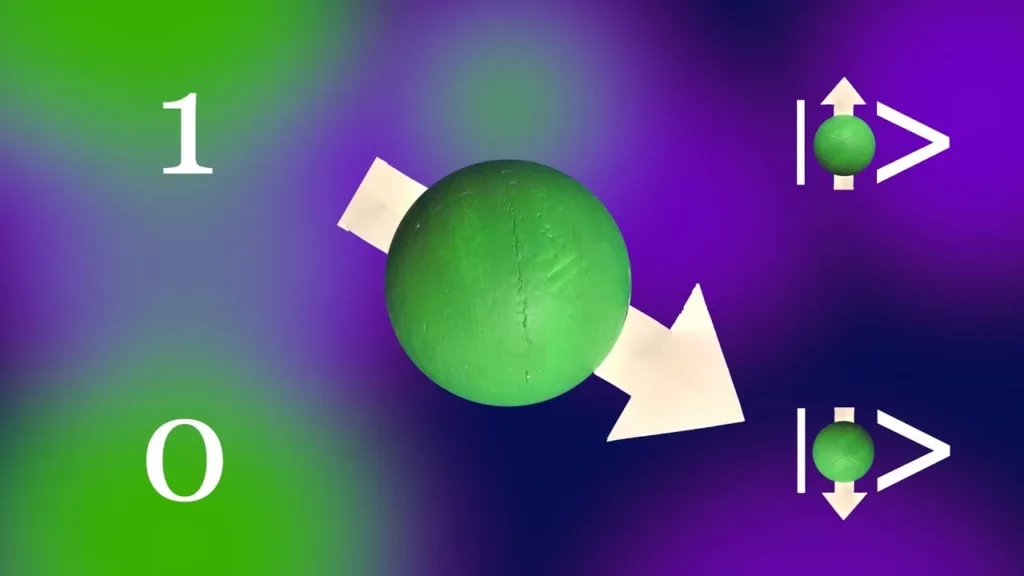
The lesson on quantum computing highlights the transformative potential of qubits, which differ from classical bits by existing in multiple states simultaneously due to quantum superposition. This unique property allows quantum computers to perform complex calculations more efficiently than classical computers, particularly for specific algorithms, although they are not universally faster for all tasks. Ultimately, quantum computing represents a complementary advancement to classical computing, emphasizing the importance of understanding their distinct capabilities as we move into the quantum technology era.
Drinking in ZERO-G! (and other challenges of a trip to Mars)
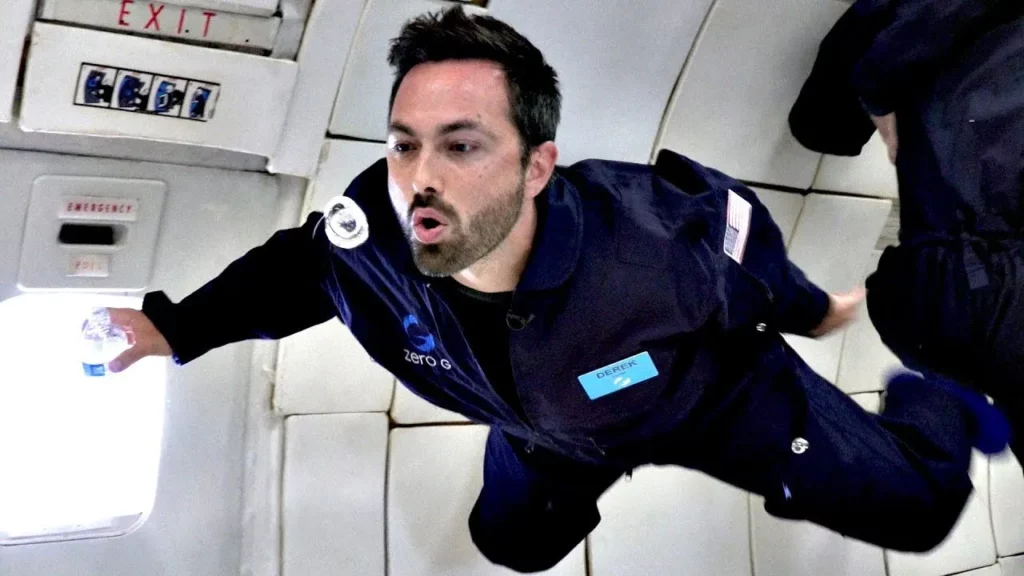
The lesson “Experiencing Microgravity: A Taste of Life on Mars” explores the unique challenges and experiences of living in a low-gravity environment, similar to that of Mars. Through a microgravity simulation, participants learn about the effects of reduced gravity on the human body, including muscle and bone loss, as well as the difficulties of performing everyday tasks and the risks posed by increased radiation exposure. Despite these challenges, the lesson emphasizes the potential for human adaptation and the exciting possibility of becoming a multiplanetary species.