
Why Life Seems to Speed Up as We Age
The lesson explores how our perception of time changes as we age, highlighting that time seems to speed up due to factors like the proportion of a year to our total lifespan and the slowing of our internal clock. It discusses the role of focus, novelty, and emotions in shaping our experience of time, suggesting that engaging in new and intense activities can make time feel slower, while routine and boredom can make it drag. Ultimately, the lesson emphasizes the importance of cherishing fleeting moments and creating lasting memories to enrich our experience of time.
Explained: 5 Fun Physics Phenomena
In this lesson, we explored five intriguing physics phenomena, starting with the magnetic properties of cereal due to its iron content and the surprising effects of water’s diamagnetism. We also examined concepts such as finding the center of mass, the complexities of flipping objects along different axes, the interaction between charged objects and water streams, and the mechanics behind the teabag rocket experiment. These explanations highlight the fascinating physics that underlies everyday occurrences, encouraging viewers to engage with and understand these concepts more deeply.
Will This Go Faster Than Light?
The lesson discusses the concept of the speed of light as the ultimate speed limit in the universe, as established by Einstein’s theory of relativity. It explores various creative ideas, such as using lasers and theoretical engines, that attempt to surpass this limit, but ultimately concludes that these concepts face significant physical challenges and cannot achieve speeds greater than light. The lesson emphasizes that while some cosmic phenomena may appear to exceed this limit, they do not violate the fundamental principles of physics.
Misconceptions About Falling Objects
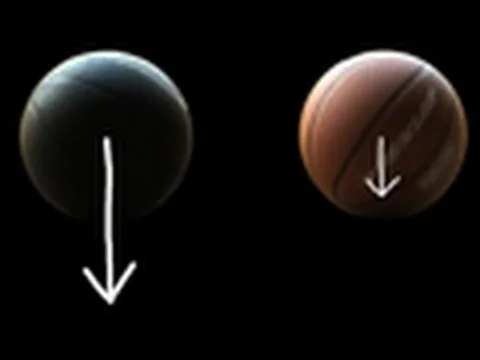
In this lesson, we explore the concept of gravity through an experiment where two balls of different weights are dropped simultaneously. Contrary to common misconceptions, both balls hit the ground at the same time because gravity accelerates all objects equally, regardless of their mass. This demonstrates that while heavier objects have more inertia, they do not fall faster than lighter ones when only gravitational forces are at play.
How Does a Transistor Work?
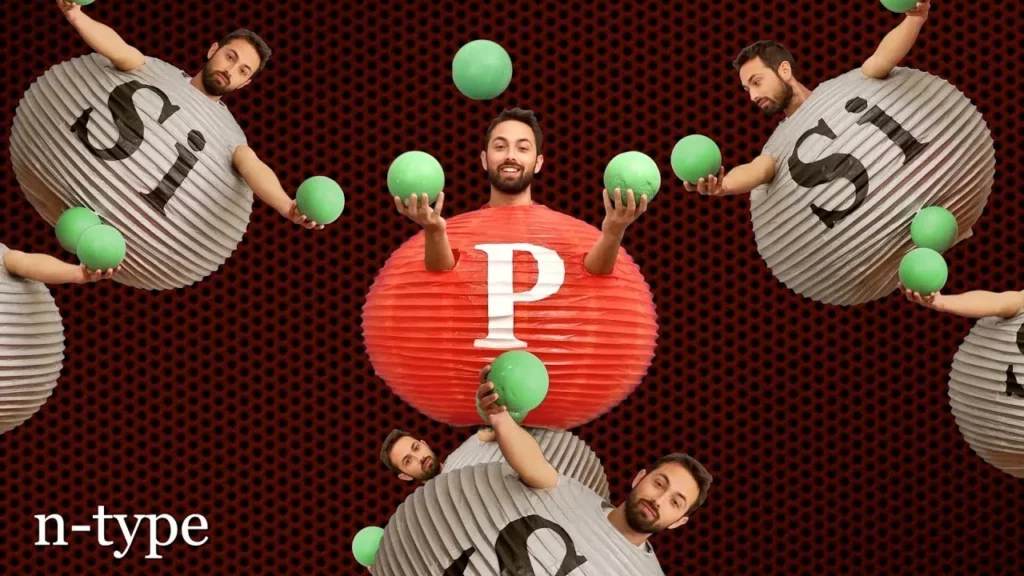
The lesson on transistors highlights their fundamental role as the building blocks of modern electronics, functioning as tiny switches that control electric current in devices like smartphones and computers. It explains the principles of semiconductors, particularly silicon, and the process of doping that enhances conductivity through n-type and p-type materials. The lesson concludes by discussing the future of transistors, emphasizing the challenges of miniaturization and the potential impact of quantum effects on their operation.
What Causes The Phases Of The Moon?
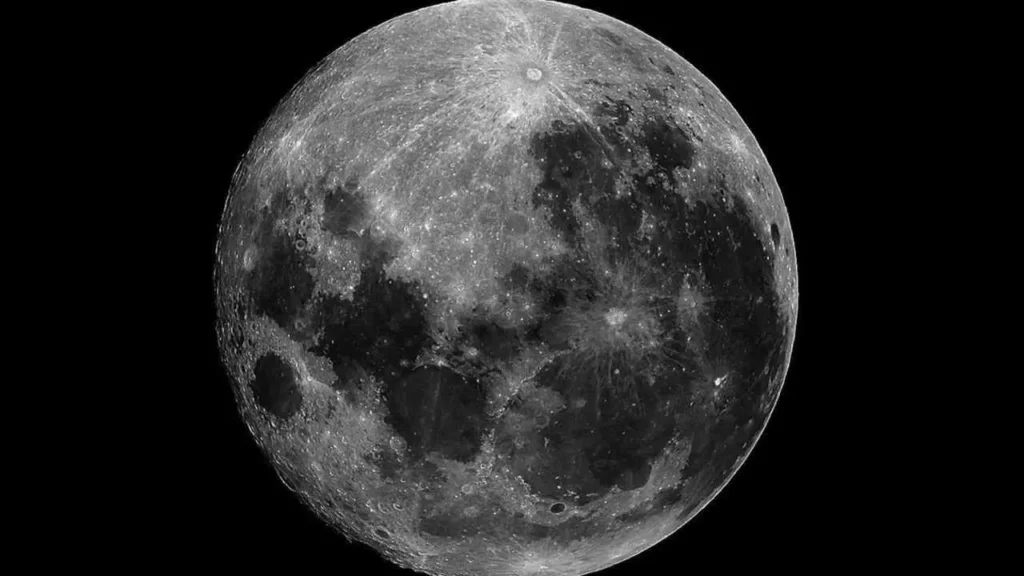
This lesson explores the phases of the Moon, explaining how its appearance changes due to the Sun’s illumination as it orbits the Earth. It highlights key phases such as the new moon, first quarter, and full moon, as well as the phenomenon of lunar eclipses, which can reveal important scientific insights about exoplanets and their atmospheres. Overall, the lesson emphasizes the significance of these celestial events in enhancing our understanding of both our own planet and the broader universe.
Does Water Swirl the Other Way in the Southern Hemisphere?

In their exploration of the myth that water drains in different directions based on hemisphere, Derek and Destin conducted experiments to demonstrate that the swirling direction of water is primarily influenced by the design of the drainage system rather than geographical location. Their findings revealed that while the Coriolis Effect exists, its impact on everyday water drainage is negligible, ultimately debunking the common misconception about toilet swirls. This lesson highlights the importance of scientific inquiry in understanding and clarifying widely held beliefs.
Single Photon Interference
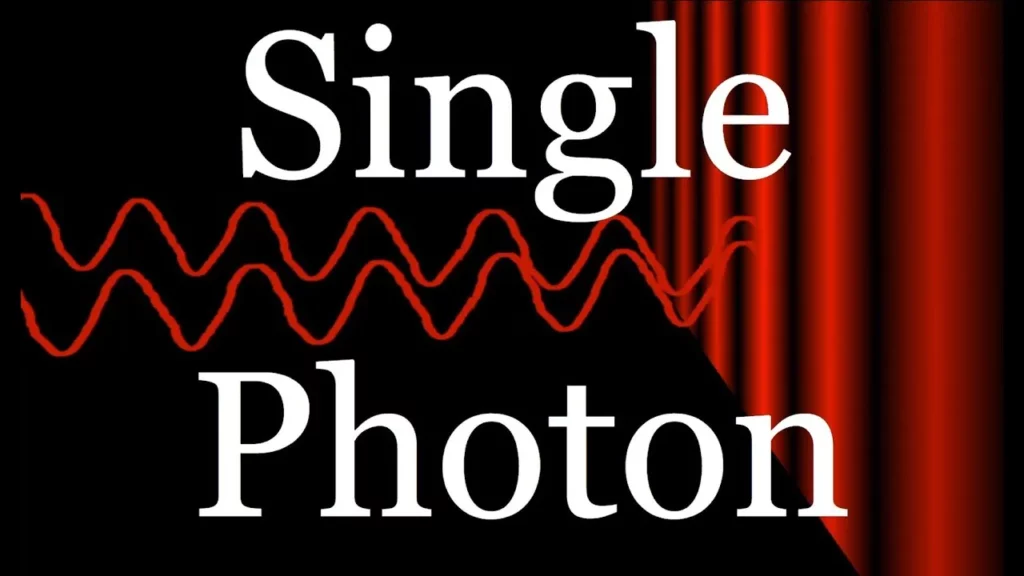
The lesson on the double slit experiment illustrates the complex nature of light, highlighting its dual characteristics as both a wave and a particle. Initially established by Thomas Young in 1801, the experiment demonstrated interference patterns that suggest wave behavior, but later investigations with single photons revealed that even individual photons can produce these patterns, challenging classical notions of particles. Ultimately, the experiment underscores the unique quantum nature of light, prompting a reevaluation of our understanding of reality at the quantum level.
Your Body’s Molecular Machines
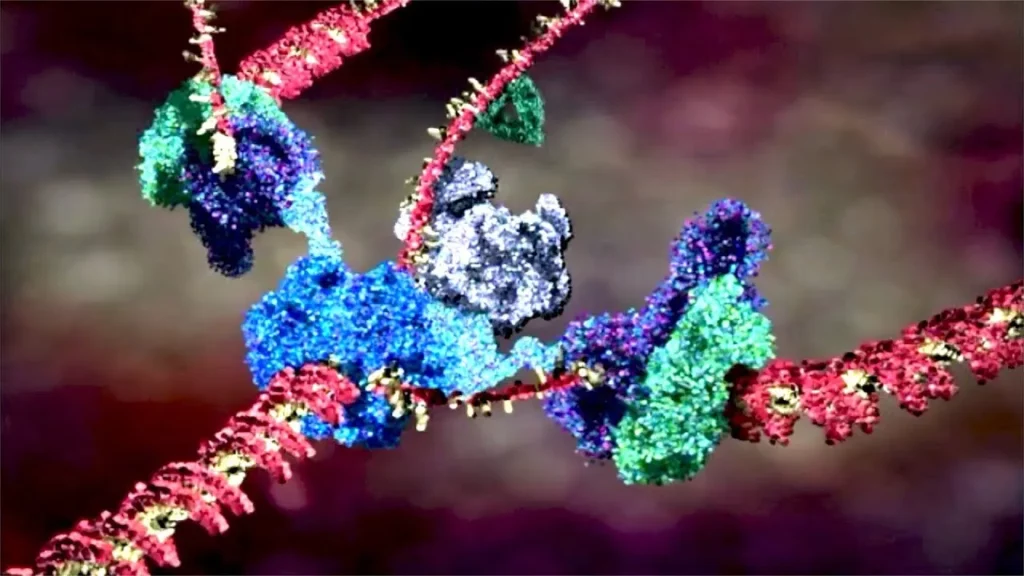
The lesson explores the intricate processes of cell division and the role of molecular machines in maintaining cellular dynamics within our bodies. It highlights the significance of DNA replication, the formation of chromosomes, and the complex mechanisms involved in chromatid separation, particularly the function of the kinetochore. The discussion emphasizes the potential future applications of understanding these molecular machines, suggesting that advancements in this field could lead to innovative medical technologies capable of enhancing the body’s healing processes.
How the Quantum Vacuum Gave Rise to Galaxies
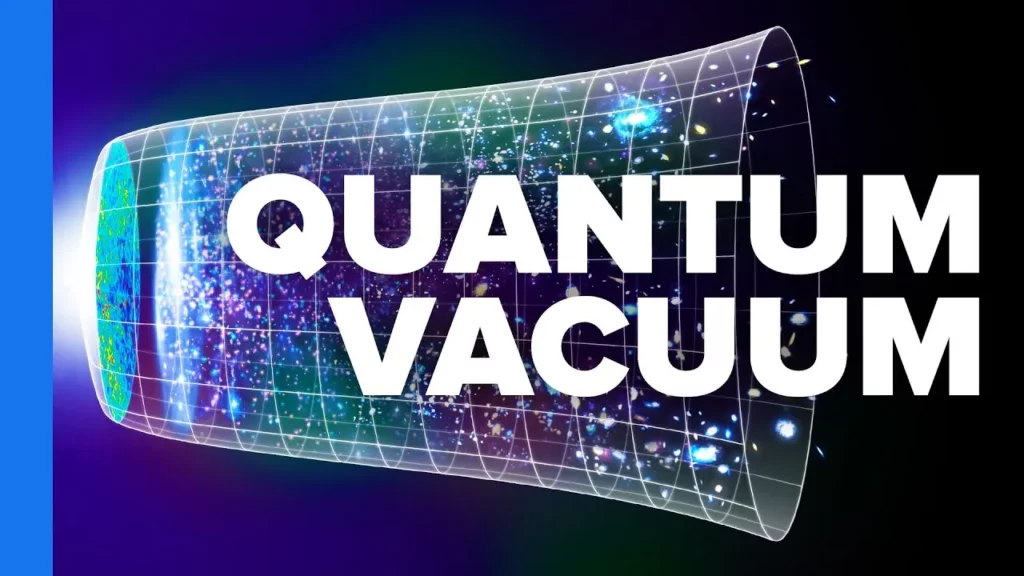
The lesson explores the formation of the universe, emphasizing the critical role of nothingness and quantum fluctuations in shaping cosmic structures. It details the phases of the Big Bang, particularly the rapid inflation that stretched tiny quantum fluctuations to a cosmic scale, leading to the density variations necessary for the formation of galaxies, stars, and planets. Ultimately, the lesson illustrates how these fluctuations, rooted in the nature of empty space, are fundamental to the existence of the universe as we know it.